
Finding the right breast pad is a highly personal decision that depends on your unique milk supply, skin sensitivity, and daily routine. Whether you are nursing directly, pumping exclusively, or navigating the early weeks of postpartum regulation, managing milk leakage is essential for both comfort and hygiene. By evaluating your leakage volume, assessing your skin’s reaction to moisture, and considering your daily laundry capacity, you can select a pad type—or a combination of types—that keeps you dry and comfortable throughout your breastfeeding journey.
Assess Your Breastfeeding Needs and Leakage Level
Every mother’s lactation journey is different, and milk leakage patterns can change significantly from week to week. In the early postpartum weeks, your body is still adjusting its milk supply to meet your baby’s demands, which often results in heavier, more unpredictable let-downs. Observing your daily leakage volume is the first step in determining the level of absorbency you require from a breast pad.
Light leakage typically involves minor dampness or occasional spotting, often occurring only during a let-down reflex while feeding on the opposite side. Moderate leakage may require changing pads a few times a day to prevent wetness from reaching your clothing. Heavy leakage, common in the early weeks or for those with an oversupply, can cause rapid saturation, requiring highly absorbent barriers to prevent wet spots and skin irritation.
Products mentioned in this guide
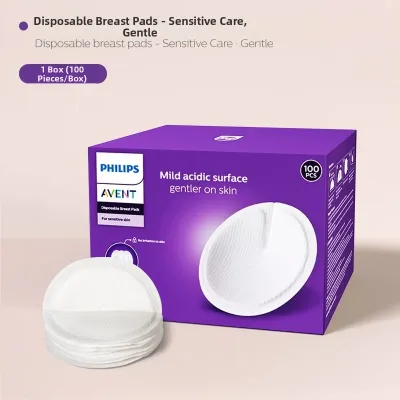
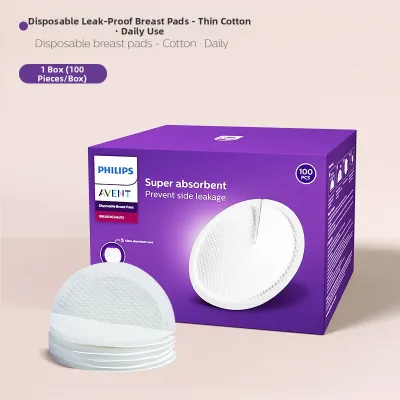
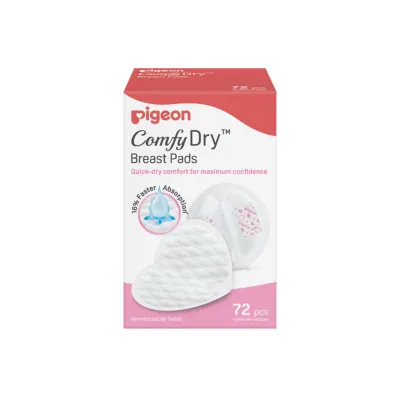
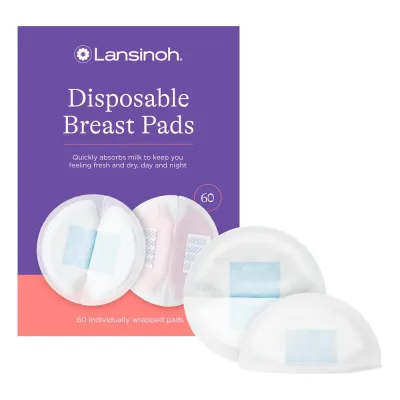
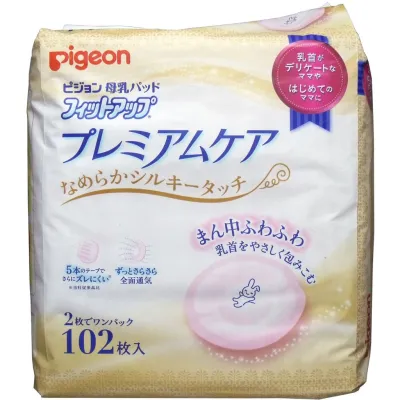
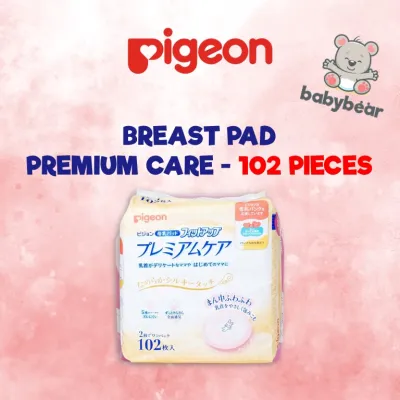
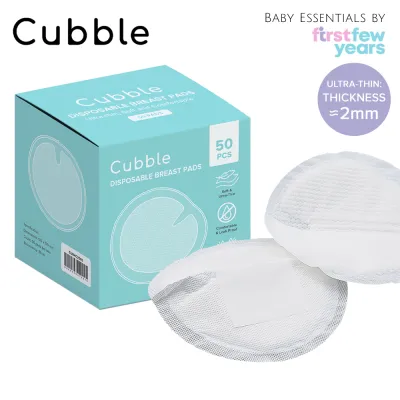
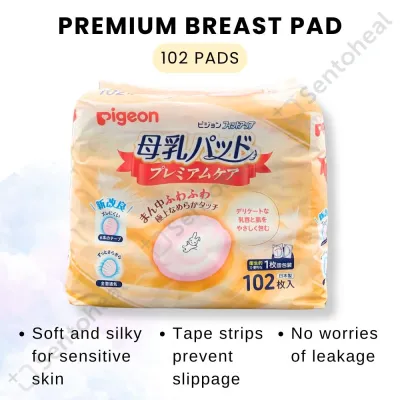
Prices are valid at publication and may change. Please refer to the product page for the latest price.
Your leakage patterns will also vary between daytime activities and nighttime rest. During the day, gravity and movement can affect how milk pools, while nighttime resting often leads to prolonged pressure on the breasts, triggering unexpected let-downs while you sleep. Furthermore, your pumping or feeding schedule plays a major role; missing a session or going longer stretches between feeds increases breast fullness, which directly correlates with higher leakage volumes.
Evaluate Your Skin Sensitivity and Comfort Preferences
The skin on and around your nipples is exceptionally delicate and highly susceptible to irritation, especially when subjected to constant moisture and friction. Prolonged contact with wet breast pads can lead to moisture buildup, creating an environment ripe for chafing, soreness, or contact dermatitis. Recognizing the early signs of skin irritation—such as persistent redness, itching, or a burning sensation—is crucial for maintaining your breastfeeding comfort.

In warm and humid tropical climates, breathability becomes a primary concern. High humidity levels can trap heat and sweat against your skin, exacerbating the effects of trapped breast milk and increasing the risk of thrush, a common fungal infection. Choosing breast pads that allow adequate airflow while still containing leaks is essential for keeping the skin dry and healthy in warm weather.
When shopping for breast pads, it is important to carefully inspect product labels for specific material claims. Look for terms like hypoallergenic, fragrance-free, and dermatologically tested, particularly if you have a history of sensitive skin or eczema. Avoid pads with added synthetic fragrances or plastic backings that block airflow, as these are common triggers for contact allergies and skin breakdown.
Compare Breast Pad Types: Disposable, Reusable, and Organic
To make an informed decision, you must understand the distinct characteristics, benefits, and trade-offs of the three primary categories of breast pads available on the market.
Disposable Breast Pads Disposable pads are designed for single-use convenience and are highly favored for their exceptional absorbency. Most disposable options feature a super-absorbent polymer core that locks moisture away from the skin, keeping you dry even during heavy let-downs. They are incredibly convenient for travel, returning to work, or keeping in a diaper bag, as you can simply discard them after use. However, the ongoing cost of purchasing disposable pads can accumulate over time, and they generate more environmental waste compared to washable alternatives.
Reusable Cloth or Bamboo Pads Reusable breast pads, typically made from cotton, bamboo, or microfiber, offer an eco-friendly and cost-effective solution for long-term use. Bamboo breast pads are particularly popular because the material is naturally soft, highly absorbent, and gentle on sensitive skin. While the upfront cost of a multi-pack of reusable pads may range from S$15 to S$40, they can be washed and reused hundreds of times, saving money in the long run. The primary trade-off is the added laundry responsibility, as they must be washed regularly and dried thoroughly to remain hygienic.
Organic or Natural Breast Pads Organic breast pads are crafted from certified organic cotton or other natural fibers grown without synthetic pesticides or chemicals. These pads are an excellent choice for mothers with highly sensitive skin, active eczema, or cracked nipples, as they minimize the risk of chemical exposure and friction-induced irritation. When choosing organic options, verify the material composition on the packaging to ensure the layers contacting your skin are truly organic and free from synthetic blends or chemical finishes.
Match Your Lifestyle and Routine to the Right Option
Selecting the perfect breast pad is not just about absorbency; it must also fit seamlessly into your daily routine and lifestyle. If you have limited time or lack easy access to laundry facilities, relying solely on reusable pads may become overwhelming. Consider your weekly laundry capacity and whether you have the time to wash, sanitize, and completely air-dry reusable pads before they are needed again.
Your long-term breastfeeding goals should also influence your purchasing decisions. If you plan to breastfeed or pump for several months or years, investing in a high-quality set of reusable pads offers substantial financial savings compared to buying boxes of disposables month after month. Conversely, if you only anticipate needing pads for a few weeks during the early transitional phase, a few boxes of disposables might be more practical.
Many mothers find that a hybrid routine offers the best of both worlds. For example, you might choose to wear soft, breathable reusable bamboo pads while relaxing at home during the day, and switch to high-absorbency disposable pads at night or when traveling to ensure leak-free protection and convenience. This approach allows you to minimize waste and protect your skin while maintaining maximum convenience when you are on the go.
Safe Usage and Hygiene Practices for Breast Pads
Regardless of the type of breast pad you choose, practicing strict hygiene is vital to protect your skin and prevent painful infections like mastitis or thrush. The golden rule of breast pad safety is to change your pads as soon as they feel damp. Leaving a wet pad against your nipple for extended periods creates a warm, dark, and moist environment that encourages rapid bacterial and fungal growth.
For reusable pads, proper washing and sanitizing are critical to maintaining hygiene. Always follow the manufacturer’s specific washing instructions, which typically involve using a gentle, fragrance-free detergent and avoiding fabric softeners, as softeners can leave a residue that reduces the pad’s absorbency. Ensure that reusable pads are completely dry before storing or wearing them; even slight residual dampness can harbor mold or bacteria.
Monitor your skin closely for any persistent irritation, cracking, or unusual pain. If you experience severe soreness, deep cracks, shooting pains during or after feeding, or signs of infection such as fever or localized warmth and redness, stop using your current pads immediately. Consult a lactation consultant or a qualified healthcare professional to address the underlying issue and receive personalized guidance.
Frequently Asked Questions (FAQ)
Can I use breast pads while sleeping?
Yes, you can wear breast pads while sleeping, and many mothers find them essential for preventing overnight leaks. To maintain skin health, choose high-absorbency or specialized nighttime pads that keep moisture away from your skin for longer periods. Ensure the pads fit securely within a comfortable, non-restrictive nursing bra or camisole to prevent shifting, and change them immediately if you wake up feeling damp.
How do I know if I am allergic to my breast pads?
An allergic reaction or contact dermatitis typically presents as localized redness, intense itching, swelling, or a rash directly where the pad makes contact with your skin. If you suspect an allergy, immediately stop using the current brand or type of pad. Switch to a fragrance-free, hypoallergenic, or organic cotton alternative to see if the symptoms resolve, and consult a doctor if the irritation persists.
Do I need breast pads if I am exclusively pumping?
Yes, exclusively pumping mothers often experience unexpected let-downs or residual milk leakage between pumping sessions. While your leakage may be more predictable than that of direct nursing, wearing a light-absorbency breast pad can protect your clothing from sudden leaks triggered by hearing a baby cry or reaching your scheduled pumping time.
Community discussion
Share your experience or ask a question. Comments are reviewed before publication.