
Choosing the right bag for wet clothes for your child’s school swimming lessons requires balancing capacity with portability. A suitable wet bag must hold a damp swimsuit, swim cap, goggles, and towel, yet remain compact enough to fit inside a school backpack or clip externally without adding unnecessary bulk. For most primary school students, a medium-sized wet bag measuring approximately 30 by 40 centimetres strikes a practical balance, especially when paired with a lightweight microfiber towel. By selecting a bag with a reliable waterproof lining, sealed seams, and a secure snap strap, you can protect textbooks and school uniforms from moisture damage while keeping your child’s hands free.
How to Determine the Right Size for Swimming Gear
To choose the correct size for a bag for wet clothes, start by evaluating the specific items your child must carry on swimming days. A standard swimming kit typically includes a swimsuit, a swim cap, goggles, and a towel. The physical volume of these items varies dramatically depending on the materials. For instance, a thick, plush cotton bath towel requires a large wet bag and will quickly fill a child’s school backpack. Replacing this with a compact, highly absorbent microfiber towel reduces the overall volume by more than half, allowing you to opt for a much smaller and lighter wet bag.
Consider whether the bag needs to accommodate extra items. Your child may need to pack a change of dry underwear, a small comb, flip-flops, or travel-sized toiletries. If these items must fit into the same wet bag, look for a dual-compartment design, often referred to as a wet-dry bag. These bags feature two separate pockets—one lined with waterproof material for damp gear and another dry pocket for clean clothes—which helps keep everything organized in a single, streamlined package.
Products mentioned in this guide
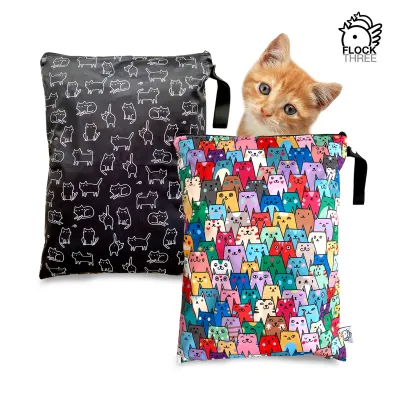
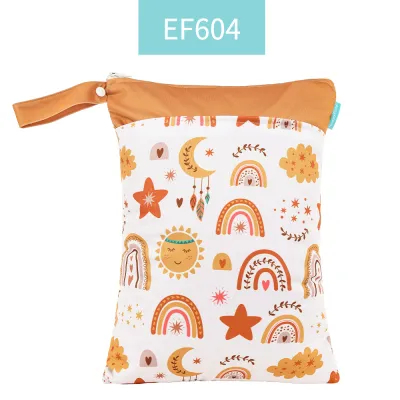
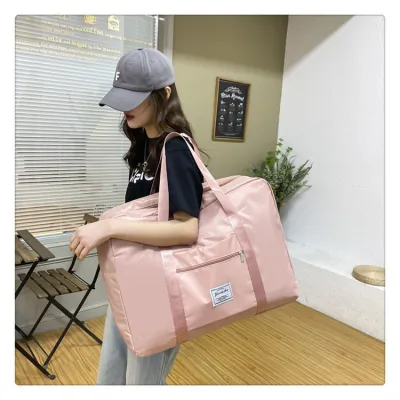
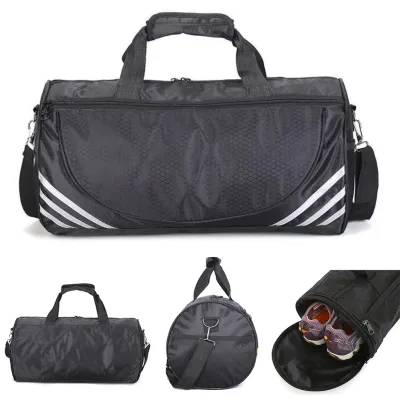
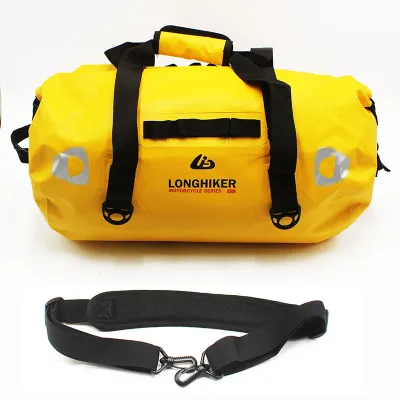
Prices are valid at publication and may change. Please refer to the product page for the latest price.
Before purchasing, measure the main compartment of your child’s school backpack. The chosen wet bag should fit comfortably inside alongside daily textbooks, pencil cases, and lunchboxes. It should not require forcing the backpack zipper or crushing other school essentials. If the school bag is already packed to capacity, a wet bag that is too large will cause frustration and may lead to torn zippers or damaged schoolwork. A medium-sized bag that can be folded or rolled down when not fully loaded offers the greatest flexibility.
Inside the Backpack vs. Clipped Outside: Choosing the Right Attachment Style
Deciding whether to store the bag for wet clothes inside the backpack or clip it to the outside depends on school regulations, backpack design, and your child’s daily routine. Storing the wet bag inside the main compartment is the most secure way to transport swimming gear. This method keeps all belongings contained in one place, reducing the risk of your child leaving the wet bag behind on the school bus or in the changing room. However, internal storage requires a highly reliable, leak-proof wet bag with a secure zipper to ensure that no moisture seeps onto school books, homework, or dry uniforms.

External clipping offers an alternative that keeps damp items completely separate from the main backpack contents. Many wet bags feature built-in straps with snap buttons, while others can be attached using carabiners or snap hooks. This style is highly convenient for quick access and prevents the interior of the school bag from smelling damp. It also frees up valuable internal space for textbooks and lunchboxes. If you choose this method, ensure the attachment points on both the wet bag and the school backpack are sturdy enough to handle the weight of wet swimming gear, which is significantly heavier than dry gear.
Before opting for external attachment, check the specific guidelines of your child’s school in Singapore. Some schools discourage or explicitly prohibit hanging items from the exterior of school bags. External attachments can create safety hazards, such as snagging on bus doors, escalator handrails, or playground equipment. They can also cause the backpack to swing unevenly, affecting your child’s balance and posture during their walk to school or commute on public transport. If external clipping is permitted, position the wet bag centrally or use a balanced attachment method to prevent uneven weight distribution.
Essential Features to Look for in a Bag for Wet Clothes
When shopping for a bag for wet clothes, the quality of the materials and construction is paramount to preventing leaks. Look for bags made with a high-quality waterproof inner lining, such as Thermoplastic Polyurethane (TPU) or Polyurethane Laminate (PUL). These materials provide an effective barrier against moisture while remaining flexible and lightweight. Additionally, inspect the seams of the bag. Standard stitched seams can allow water to slowly drip through the needle holes; instead, look for bags with heat-sealed or taped seams that lock moisture inside.
The zipper is another critical component that determines the reliability of a wet bag. A high-quality, smooth-gliding zipper prevents damp air and water droplets from escaping. Some premium wet bags feature water-resistant zippers with a protective fabric overlay to block leaks. Avoid bags with simple drawstring closures for wet gear, as drawstrings do not provide an airtight seal and can allow dampness to seep out under pressure inside a tightly packed school bag.
Durability and ease of maintenance are equally important for busy parents. The attachment straps, snap buttons, and stitching must be robust enough to withstand daily pulling and opening by young children. Because wet swim gear can quickly develop musty odors, choose a wet bag that is machine washable or exceptionally easy to wipe clean. Verify the manufacturer’s care instructions to ensure the bag can handle regular washing without degrading the waterproof lining or causing the sealed seams to peel over time.
Daily Packing and Maintenance Routines
Establishing a consistent daily routine is the most effective way to maintain hygiene and prolong the lifespan of your child’s bag for wet clothes. Instruct your child to empty the wet bag as soon as they return home from school. Leaving damp swimsuits and towels crumpled inside a sealed bag for extended periods creates a warm, humid environment that encourages the growth of mold, mildew, and bacteria. This not only ruins the swimming gear but also leaves a persistent, unpleasant odor in the wet bag that can be difficult to remove.
After emptying the bag, wash it according to the manufacturer’s care label. Many TPU and PUL bags can be machine washed on a gentle, cold cycle with mild detergent, but they should never be placed in a high-heat clothes dryer or ironed, as extreme heat can melt or delaminate the waterproof lining. Instead, turn the wet bag completely inside out and hang it in a well-ventilated area to air-dry. Ensuring the bag is thoroughly dry before its next use is crucial for preventing mold development.
Regularly inspect the wet bag for signs of wear and tear. Check the inner lining for any peeling, cracking, or thinning of the waterproof layer, and test the zipper to ensure it still closes tightly. If you notice any leaks, frayed stitching around the attachment straps, or damaged snaps, it is time to replace the bag. Keeping a spare wet bag on hand ensures your child is always prepared for their school swimming lessons without any disruption.
Frequently Asked Questions (FAQ)
Can I use a regular plastic bag instead of a dedicated wet bag?
While a disposable plastic bag might seem like an easy, low-cost solution, it lacks the durability and reliability required for regular school use. Plastic bags tear easily, especially when packed alongside sharp objects like binders or pencil cases, which can lead to major leaks that ruin schoolbooks. Furthermore, single-use plastic bags trap moisture and odors completely, accelerating mold growth on damp swimsuits. Investing in a reusable, fabric-based bag for wet clothes is a more sustainable choice that offers reliable leak protection and lasts throughout the school year.
What should I do if the wet bag starts to smell?
If your wet bag develops a musty odor, avoid using harsh chemical bleaches or fabric softeners, as these can permanently damage the waterproof TPU or PUL lining. Instead, wash the bag inside out with a mild, scent-free detergent. For persistent odors, you can hand-wash the bag in cool water mixed with a small amount of baking soda or white vinegar, which naturally neutralizes smells. Always allow the bag to dry completely in a well-ventilated space, preferably in indirect sunlight, before packing it back into your child’s school bag.
Community discussion
Share your experience or ask a question. Comments are reviewed before publication.