
Transitioning your baby from a teat or breast to a straw bottle is a significant milestone in their feeding journey. Choosing the right baby straw bottle requires matching the cup’s design with your child’s current age, physical strength, and oral motor development. By selecting a bottle with an appropriate flow rate, an ergonomic grip, and a suitable straw mechanism, you can support your baby’s independence while minimizing frustration and spills.
Understanding Your Baby's Drinking Milestones
Around six months of age, many infants begin showing signs of readiness for a straw cup. This timing often coincides with the introduction of solid foods, but every child develops at their own pace. Key physical indicators that your baby is ready to try a straw bottle include the ability to sit upright with minimal support, strong head and neck control, and a curious interest in what family members are drinking during meals.
At this early stage, babies are transitioning from a primitive sucking reflex to a mature swallowing pattern. Introducing a straw cup early helps promote tongue retraction and lip closure, which are essential skills for speech development and solid food consumption. However, younger infants (six to nine months) have different oral coordination compared to toddlers (twelve months and older).
Products mentioned in this guide
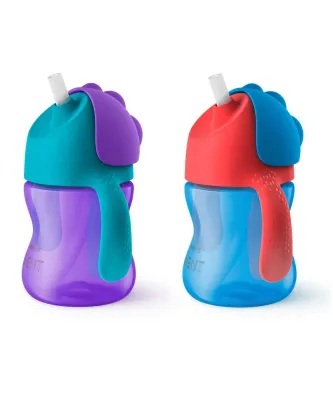
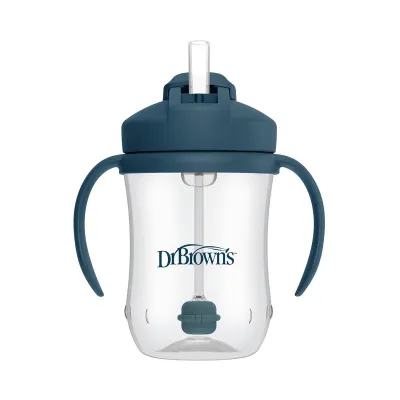
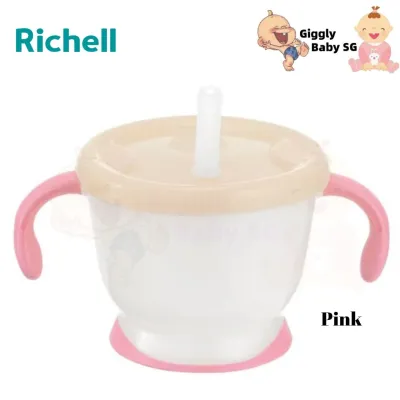
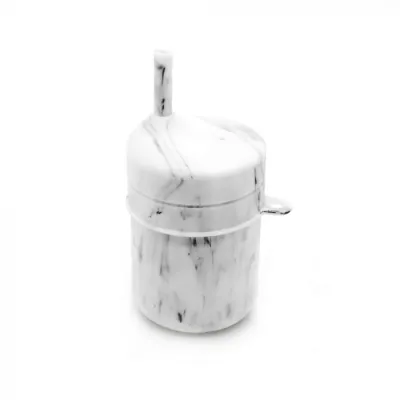

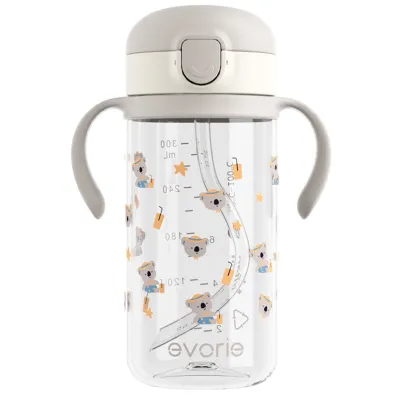
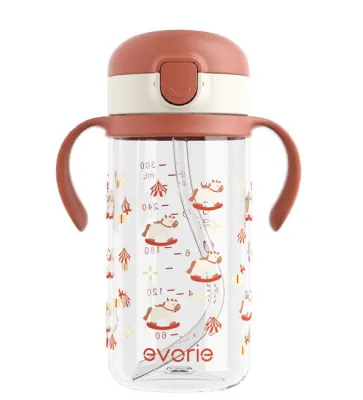
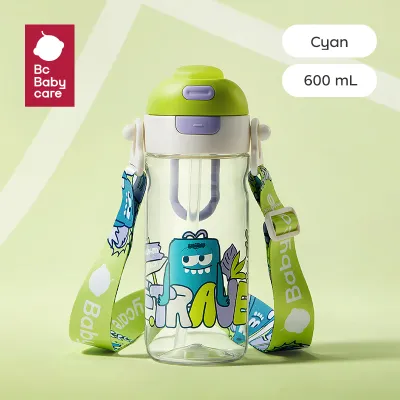
Prices are valid at publication and may change. Please refer to the product page for the latest price.
A younger baby is still learning how to coordinate sucking, swallowing, and breathing simultaneously. If a straw allows too much liquid to flow at once, it can lead to coughing or sputtering. Conversely, older toddlers have developed the jaw stability and lip strength needed to manage faster flow rates and heavier bottles. Caregivers must closely observe these developmental shifts and adjust the bottle type accordingly, always ensuring active supervision during every drinking session.
Key Features to Match with Developmental Abilities
Selecting the right straw bottle involves evaluating how its physical features align with your baby’s growing motor skills. The weight, shape, and straw mechanism of the bottle directly impact how easily your child can lift, hold, and drink from it independently.

Straw Design and Flow Rate
The design of the straw itself is one of the most critical factors in preventing spills and supporting proper oral development. Weighted straws are highly recommended for beginners. These straws feature a small, food-grade weight at the bottom that moves with the liquid, allowing the baby to drink successfully even when the bottle is tilted or held upside down. This is particularly helpful for infants who are accustomed to tilting bottles back to drink.
As your child grows and learns to keep the bottle upright, you can transition them to straight or angled silicone straws. Flow rate is another essential safety consideration. Many manufacturers print age recommendations on their packaging, which serve as a guide for flow speed. Beginners need a slower, controlled flow to prevent choking.
Some bottles feature cross-cut or bite-activated valves within the straw. These valves require the baby to actively bite down or squeeze the straw with their lips to release liquid. While this mechanism makes the bottle highly leak-proof, it can sometimes frustrate younger babies who have not yet developed the coordination to bite and suck simultaneously.
Open, free-flowing straws require less physical effort but demand better swallowing coordination and are more prone to leaking if tipped over. If you have concerns about your child’s oral development or swallowing mechanics, consult a pediatric dentist or feeding specialist for personalized guidance.
Bottle Size, Shape, and Grip
The physical dimensions and ergonomics of the bottle must match your baby’s hand size and grip strength. For infants aged six to nine months, a smaller bottle capacity of 120ml to 150ml is ideal. At this stage, water intake is minimal and primarily for practice, so a smaller bottle keeps the overall weight manageable.
A full 300ml bottle can be too heavy for a young baby to lift, leading to fatigue and a reluctance to use the cup. Look for bottles equipped with dual, easy-grip handles. Removable handles are highly versatile, as they can be attached while your baby is learning to hold the cup and removed later as their fine motor skills improve.
For older toddlers, contoured bottles without handles help them practice a mature, two-handed or one-handed grip. The material of the bottle also affects its weight and balance. Lightweight plastics, such as polypropylene (PP) or polyphenylsulfone (PPSU), are easy for small hands to maneuver.
While glass and stainless steel are highly durable and hygienic, they are significantly heavier when filled. They may require closer supervision to prevent accidental drops on hard surfaces, especially during the early stages of independent drinking.
Material Safety and Cleaning Requirements
Ensuring the safety and hygiene of your baby’s straw bottle requires careful inspection of materials and a commitment to regular maintenance. When shopping, always verify that the product packaging explicitly states the bottle is free from Bisphenol A (BPA) and Bisphenol S (BPS). Look for food-grade silicone for the straw components and high-quality, impact-resistant plastics or metals for the body.
Because safety standards and certifications can vary by region, parents should carefully read the manufacturer’s documentation to verify compliance with local safety regulations. Cleaning a straw bottle thoroughly is vital to prevent the buildup of bacteria and mold. In warm, humid climates like Singapore, moisture trapped in small crevices can quickly lead to mold growth.
Check the manufacturer’s instructions regarding dishwasher safety. While some plastics and silicone parts are top-rack dishwasher safe, hand-washing with warm, soapy water is often recommended to prolong the lifespan of the seals and valves. Pay close attention to the straw assembly.
Complex, leak-proof valves have tiny crevices that are difficult to clean with a standard sponge. Ensure the bottle you choose is compatible with thin straw cleaning brushes, which are often included with the bottle or sold separately. Disassemble all parts—including the straw, weight, collar, and silicone seals—after every use, wash them thoroughly, and allow them to air-dry completely in a well-ventilated area before reassembling.
Building Your Shortlist: What to Check Before Buying
To make an informed purchase, caregivers should build a practical evaluation framework to compare different straw bottles. Create a simple comparison matrix that evaluates each candidate based on age suitability, leak-proof capabilities, ease of cleaning, and the availability of replacement parts.
While many brands claim their bottles are completely leak-proof, it is wise to verify these claims by reading verified customer reviews on local parenting forums and online marketplaces. Pay attention to how the bottle performs when dropped or shaken, as toddlers frequently toss their cups. Additionally, check the retailer’s return and exchange policies in case the bottle arrives with a manufacturing defect.
Another crucial factor to consider is the long-term cost and availability of replacement parts. Silicone straws and seals are prone to wear, discoloration, and damage from teething babies who bite down on the straw. Instead of replacing the entire bottle, look for brands that sell replacement straw and valve kits separately.
In Singapore, these replacement packs typically cost between S$5 and S$15. Ensuring that replacement parts are readily available online or at local baby boutiques will save you money and extend the usable life of the bottle.
Transitioning to a Straw Bottle and Troubleshooting
Transitioning your baby to a straw bottle requires patience and a gradual approach. If your baby struggles to understand how to draw liquid up the straw, you can use the “pipette method.” Dip a clean, open straw into water, place your finger over the top opening to trap a small amount of liquid, and hold the bottom of the straw near your baby’s lips.
When they open their mouth, release your finger to let them taste the water. This helps them associate the straw with receiving liquid. You can also gently squeeze a flexible silicone bottle to push a small amount of water up the straw, showing them that liquid comes out of the top.
If your baby tends to bite or blow into the straw instead of sucking, remain patient; this is a normal part of exploring a new texture. Adjusting the temperature of the liquid can also encourage acceptance. Some babies prefer slightly warm breast milk or formula in their straw cup, while others are more interested in cool water.
Avoid putting thick liquids, like purees or smoothies, into a standard baby straw bottle, as these require significant suction force and can clog the valve. If your baby consistently chokes, coughs, or shows extreme distress during attempts, pause the transition for a few weeks. If difficulties persist, consult your pediatrician or a pediatric feeding therapist to ensure there are no underlying swallowing or motor coordination challenges.
Frequently Asked Questions (FAQ)
At what age should I stop using a straw bottle?
Most pediatricians and pediatric dentists recommend transitioning children from straw bottles to open cups between twelve and eighteen months of age. While straw cups are excellent for out-of-home hydration and preventing spills, relying on them exclusively for too long can limit the development of mature jaw and tongue movements. Signs that your child is ready to transition to an open cup include the ability to control their hand movements precisely, a desire to mimic adult drinking habits, and the physical coordination to tilt a cup without spilling the entire contents.
Can I put hot liquids in a baby straw bottle?
It is generally not recommended to put hot liquids in a baby straw bottle. High temperatures can cause air pressure to build up inside the sealed container. When the lid is opened or the baby begins to drink, this pressure can force the hot liquid to spray out of the straw, posing a risk of burns to your baby’s face and hands. Additionally, extreme heat can degrade silicone straws and warp plastic components. Always check the manufacturer’s temperature guidelines and stick to cool or room-temperature liquids.
How often should I replace the straw and seals?
Silicone straws and seals should be inspected regularly for signs of wear and tear. Look closely for bite marks, tears, discoloration, or persistent mold that cannot be cleaned. Teething babies can easily puncture silicone straws, which compromises the suction and creates a potential choking hazard if a piece breaks off. As a general guideline, most manufacturers recommend replacing the silicone straw and valve components every two to three months. However, if you observe any physical damage or stretching during your daily cleaning routine, replace the parts immediately.
Community discussion
Share your experience or ask a question. Comments are reviewed before publication.