
Selecting the right shower visor requires matching your baby’s exact head circumference and developmental stage to the visor’s adjustment range and material stiffness. A proper fit ensures a watertight seal without causing painful pressure points. For many parents, bath time can quickly transition from a soothing ritual into a stressful ordeal when water and soap cascade over a child’s face. This sensory overload often triggers a fear of water, making hair washing a challenging task for caregivers. A well-designed shower visor acts as a protective shield, keeping water and shampoo away from sensitive eyes and ears, thereby transforming bath time into a calm, positive experience.
In Singapore’s warm and humid climate, bathroom accessories are particularly susceptible to mold and mildew. This environmental factor makes the choice of material and design of your child’s bath accessories highly critical. When shopping for a shower visor, local parents must consider not only how well the product fits their child’s head but also how quickly it dries and how easy it is to sanitize. By understanding the specific features that contribute to a secure, comfortable, and hygienic fit, you can select a product that grows with your child and stands up to daily use.
Why a Properly Fitted Shower Visor Matters
The anatomy of an infant’s head is delicate and rapidly changing. During the first two years of life, a baby’s skull bones are still fusing, and the skin on their forehead is exceptionally thin and sensitive to localized pressure. Standard adult visors or poorly designed one-size-fits-all children’s visors fail because they do not account for these unique physiological characteristics. A visor that is too tight can restrict blood flow and leave painful, lasting red marks, while one that is too loose will inevitably collapse under the weight of cascading water, rendering it completely useless.
Products mentioned in this guide
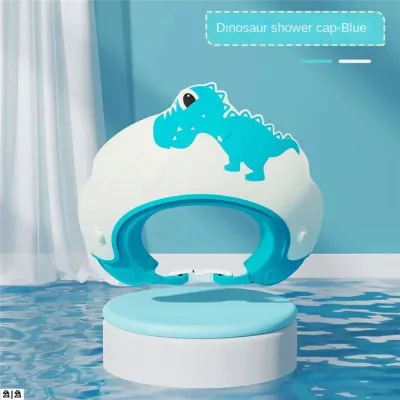
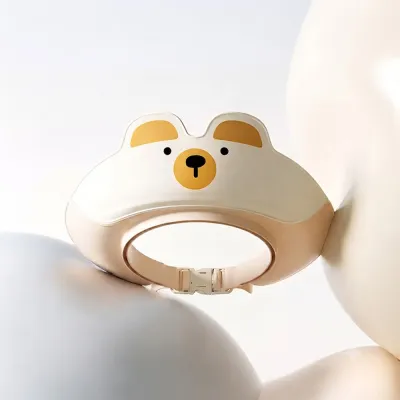
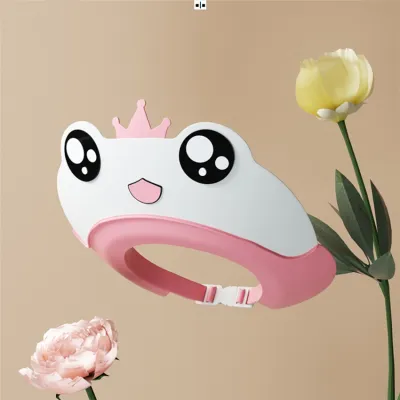
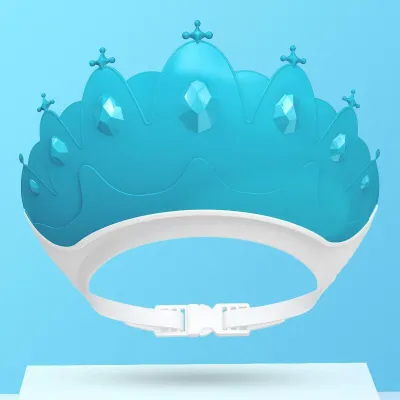
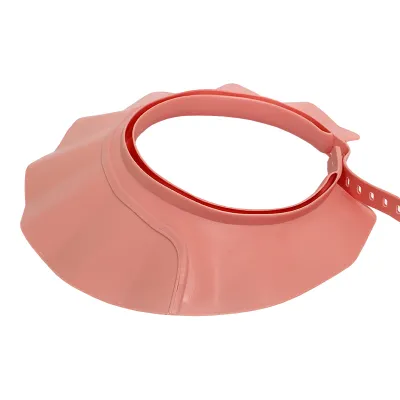
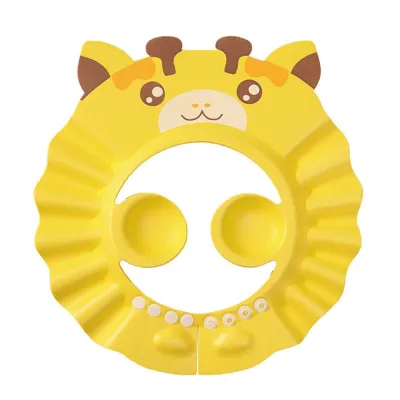
Prices are valid at publication and may change. Please refer to the product page for the latest price.
An ill-fitting shower visor carries several distinct risks that can compromise both safety and comfort. If the visor is too loose, water and soap can easily leak through the seal, dripping directly into your baby’s eyes and ears. This leakage not only causes immediate stinging from shampoo but can also lead to water entering the ear canal. For infants prone to middle ear infections or those who have had tympanostomy tubes (grommets) inserted, keeping the ears dry is a critical health requirement. Furthermore, a loose visor can slip down over your baby’s eyes and nose, blocking their vision and airway, which can cause sudden panic and dangerous slipping hazards on wet bathroom surfaces.
Conversely, a properly fitted visor helps build positive associations with water play and grooming. When a baby feels secure and remains dry from the brow down, they can focus on the sensory joys of bathing, such as splashing, playing with toys, and exploring water textures. This comfort is essential for building long-term water confidence, which eventually transitions into easier hair washing sessions and a smoother introduction to swimming lessons. A positive bath-time routine also promotes relaxation, helping to wind down your baby’s energy levels before bedtime.
Key Features to Evaluate Before Buying
To find a shower visor that delivers both safety and performance, parents should evaluate several key design dimensions before making a purchase.

Adjustability
A baby’s head circumference grows rapidly during the first few years of life. To ensure your investment lasts longer than a few weeks, prioritize visors with robust adjustment mechanisms. Common options include snap buttons, Velcro straps, and stretchable silicone bands. Snap buttons offer highly secure, fixed increments that toddlers cannot easily pull apart, though they may occasionally fall between your baby’s exact measurements. Velcro straps provide infinite adjustability for a truly customized fit, but the hooks can easily snag fine baby hair if not aligned carefully during application. Stretchable silicone relies on the natural elasticity of the material to create a friction-based seal, which is highly convenient but must be sized accurately to prevent excessive tightness.
Material Safety
Because the visor comes into direct contact with your baby’s delicate skin and is exposed to warm water and steam, material safety is paramount. Look for products made from food-grade silicone, BPA-free plastics, or high-density, non-toxic EVA (ethylene-vinyl acetate) foam. These materials do not leach harmful chemicals when exposed to warm bath water. It is essential to check the manufacturer’s product packaging and documentation for certifications indicating compliance with international safety standards. In Singapore’s humid climate, choosing non-porous materials that resist mold and bacterial growth is particularly important for maintaining basic hygiene.
Brim Design
The primary function of the brim is to redirect water away from your baby’s face. A brim that is too narrow or lacks structural rigidity will bend downward under the weight of water from a showerhead or rinse cup, dumping the water directly onto the child’s face. Look for a wide, sloped brim that acts like an umbrella, channeling water backward and outward to the sides of the head. Some advanced designs feature integrated drainage channels or raised outer edges that guide water flow efficiently away from both the eyes and the delicate ear canals.
Comfort and Seal
A watertight seal should never come at the expense of your baby’s comfort. The inner rim of the visor—the portion that contacts the forehead and temples—must be made of a highly pliable, soft-touch material. This gasket-like edge needs to conform gently to the irregular, rounded contours of your baby’s skull. A high-quality visor achieves a perfect seal through material compliance rather than raw compression force. If you must pull a strap tightly to stop leaks, the visor is either the wrong size or constructed from material that is too rigid for your baby’s head shape.
Shower Visor Types and Recommendations by Age
Shower visors generally fall into three distinct categories based on their materials, structural design, and closure mechanisms. Selecting the right category depends heavily on your child’s age, physical development, and behavior in the bath.
Adjustable Silicone Crown Visors
Best for: Toddlers and older babies (typically 6 months and up) who have achieved stable head and neck control and require a highly durable, long-term grooming solution.
Pros: Silicone crown visors are exceptionally durable, highly resistant to tearing, and do not degrade when exposed to warm water and baby soaps. They are non-porous, making them incredibly easy to wipe clean and highly resistant to mold and mildew—a major benefit for Singapore’s humid bathroom environments. Most models feature a series of secure snap buttons along the back strap, allowing the visor to expand as your child’s head grows.
Limitations: Silicone is inherently heavier and more rigid than foam. If the sizing is not adjusted correctly, or if your baby has an exceptionally prominent forehead, the firm inner edge can cause discomfort or leave temporary red marks. Additionally, some younger infants may find the weight of a silicone visor distracting or uncomfortable.
Buying Tip: Always verify the minimum and maximum head circumference specifications listed on the manufacturer’s packaging. Do not rely solely on age recommendations, as head sizes vary significantly among infants of the same age.
Soft Foam Visors with Adjustable Straps
Best for: Younger infants, babies transitioning from a baby tub to a standard bath, or children with sensory sensitivities who are easily startled by rigid materials or added weight on their heads.
Pros: Constructed from high-density EVA foam, these visors are extremely lightweight, soft, and flexible. They conform effortlessly to the natural shape of your baby’s head, creating a gentle, highly compliant seal with minimal tension. The cushioned texture is highly forgiving on delicate skin, making it virtually impossible to cause painful pressure points when fitted correctly. These budget-friendly options typically range from S$5 to S$12 in local retail stores.
Limitations: EVA foam is a porous material. If the outer waterproof coating becomes scratched or worn, the foam can absorb water and trap soap residue. In humid climates, this trapped moisture takes a long time to dry completely, significantly increasing the risk of black mold colonization. Foam visors generally have a shorter lifespan and are easier for determined toddlers to tear or pull off.
Buying Tip: Carefully inspect the strap attachment points to ensure they are securely molded into the foam. Avoid models that use small, detachable plastic toggles or clips, as these can easily become detached and present a serious choking hazard for young children.
Wide-Brim Waterproof Shower Hats
Best for: Highly active toddlers who stand, splash, turn around, or actively play during bath time, making a simple front-facing visor prone to slipping.
Pros: These full-coverage shower hats resemble lightweight sun hats but are constructed from waterproof, quick-dry synthetic fabrics with a reinforced silicone or plastic brim. They provide comprehensive 360-degree protection, ensuring that water is directed away from the face, ears, and the back of the neck, regardless of how much your child moves or tilts their head. They often feature an adjustable drawstring or toggle at the back for a highly secure, customized fit.
Limitations: Because they cover the entire crown of the head, these hats can trap heat, making your child feel uncomfortably warm in a steamy bathroom. Additionally, some toddlers dislike the sensation of a full hat during bath time and may actively resist wearing it, repeatedly pulling it off their heads.
Buying Tip: Look for shower hats made from highly breathable, quick-drying fabrics that feature a quick-release safety toggle. This safety feature ensures that the hat can be slipped off instantly if your child becomes anxious or if the strap gets snagged on a bath toy.
How to Measure Your Baby's Head Circumference
To avoid the hassle of returns and ensure immediate comfort, you should measure your baby’s head circumference before purchasing a shower visor. Taking an accurate measurement takes only a minute and ensures a perfect match with manufacturer sizing charts.
Tools Needed
For the most accurate results, use a flexible, non-stretch sewing tape measure. If you do not have one on hand, you can use a piece of non-stretchy cotton string or ribbon, along with a standard plastic or metal ruler.
Measuring Technique
- Position your baby in a comfortable, calm state. It is often easiest to take this measurement while they are sitting in a highchair, playing with a favorite toy, or sitting on another caregiver's lap to minimize squirming.
- Place the starting end of the tape measure (the zero mark) flat against the center of your baby's forehead, just above the eyebrows.
- Gently wrap the tape measure horizontally around the side of the head, passing just above the ears.
- Continue wrapping around the widest part of the back of the skull (the occipital bump) and back to the front to meet the starting point.
- Ensure the tape measure lies flat against the head and is snug, but do not pull it tight enough to compress the baby's skin or hair.
- Note the measurement in centimeters, as most international baby product manufacturers use metric sizing. If using a string, mark the intersection point clearly, lay the string flat against your ruler, and record the length.
Using the Measurement
Compare your baby’s recorded head circumference directly against the size range specified on the product packaging or the manufacturer’s online sizing chart. If your baby’s measurement falls exactly on the boundary between two sizes, or within 0.5 centimeters of a size’s maximum limit, always choose the larger size or opt for a model with a wider, more flexible adjustment range. This ensures the visor will fit comfortably without pinching and provides room for your baby’s rapid growth over the coming months.
Essential Bathroom Safety Practices for Babies
While a shower visor is an excellent tool for reducing bath-time stress and protecting your baby’s eyes and ears, it is crucial to remember that it is not a safety device. Incorporating comprehensive bathroom safety practices is essential to protect your child from common household hazards.
First and foremost, a shower visor must never be used as a substitute for active adult supervision. Babies and young toddlers can drown in as little as two centimeters of water in a matter of seconds. Never leave your baby unattended in the bath, even for a brief moment to answer the phone, grab a towel, or fetch a toy. If you must leave the bathroom for any reason, wrap your baby in a towel and take them with you.
To prevent slips and falls, which are common in wet bathroom environments, always install a high-quality, suction-backed non-slip mat inside your bathtub or shower area. If your baby is still transitioning to sitting independently, utilize a supportive, slip-resistant bath seat designed specifically for their developmental stage and weight range. Ensure the floor area immediately outside the tub is kept dry and covered with a secure, rubber-backed bath rug to prevent slips when lifting your child out of the bath.
Always verify the water temperature before placing your baby in the tub. A baby’s skin is much thinner and more sensitive than an adult’s, making them highly susceptible to scalds. Use a dedicated digital bath thermometer to ensure the water is between 37°C and 38°C. If you do not have a thermometer, test the water by immersing your elbow or the sensitive skin on the inside of your wrist; the water should feel comfortably warm, never hot.
Finally, keep all bath products, including concentrated liquid shampoos, body washes, bubble baths, and adult toiletries, completely out of your baby’s reach. Store these items on high shelves or in secure cabinets to prevent accidental ingestion or eye irritation. Additionally, ensure the shower visor itself is rinsed, dried, and stored safely away from the tub when not in use to prevent it from becoming a tripping hazard or a toy for unsupervised play.
Frequently Asked Questions (FAQ)
At what age can a baby start using a shower visor?
Most babies can begin using a shower visor around 6 months of age, which typically coincides with the developmental milestone of sitting up independently and achieving stable head and neck control. However, developmental rates vary, so you must always verify the manufacturer’s specific age, weight, and head circumference guidelines on the product documentation before introducing a visor to your bath routine.
How do I clean and maintain a baby shower visor?
To prolong the lifespan of the visor and maintain hygiene, rinse it thoroughly with clean, warm water after every use to remove all soap and shampoo residue. Wipe it dry with a clean cloth and hang or store it in a well-ventilated area away from direct sunlight. In humid environments like Singapore, ensuring the visor dries completely between uses is critical to prevent the growth of black mold and mildew. Avoid using harsh chemical cleaners or abrasive scrubbing pads, which can degrade the material and cause skin irritation.
What should I do if the visor leaves red marks on my baby's forehead?
If you notice red marks or indentations on your baby’s forehead, stop using the visor immediately. Red marks are a clear indication that the visor is adjusted too tightly, is too small, or is made from a material that is too rigid for your baby’s head shape. Attempt to loosen the strap or adjust the snaps to a larger setting. If the marks persist, you should size up to a larger model or switch to a highly compliant, soft foam alternative to prevent skin irritation and ensure a comfortable, pain-free fit.
Community discussion
Share your experience or ask a question. Comments are reviewed before publication.