
For parents in Singapore, setting up a safe nursery involves many decisions, but none is more critical to your infant’s safety than selecting the right mattress firmness. A baby’s mattress must be extra-firm for the first 12 months of life to prevent sleep-related hazards and support physical development. As your child grows into a toddler, you can safely transition them to a medium-firm surface. While a soft, plush bed might seem comfortable to an adult, it poses severe safety risks to an infant who lacks the motor skills to turn over if their airway becomes obstructed. Understanding how to evaluate and choose the right firmness level—whether you are looking at a specialized baby kingdom mattress or another reputable nursery brand—is essential for your peace of mind and your child’s well-being.
Why Mattress Firmness Is Critical for Infant Safety and Sleep
An infant’s sleep environment is directly linked to their physical safety. Medical and safety organizations worldwide emphasize that soft sleep surfaces significantly increase the risk of accidental suffocation, entrapment, and Sudden Infant Death Syndrome (SIDS). When a baby sleeps on a surface that conforms to their face or body, pockets of exhaled air can trap carbon dioxide, leading to rebreathing and oxygen deprivation. An extra-firm mattress ensures that even if a baby rolls onto their stomach, the flat surface keeps their airway clear and unobstructed.
Beyond immediate safety, structural firmness is vital for your baby’s physical development. During their first year, infants undergo rapid bone growth and spinal development. A firm mattress provides the necessary resistance and stable counter-pressure required to support their developing spine. This resistance is also crucial when babies begin reaching developmental milestones, such as rolling over, pushing up on their hands, and crawling. A soft surface would sink under their weight, making these essential movements much more difficult and exhausting for a young child.
Products mentioned in this guide
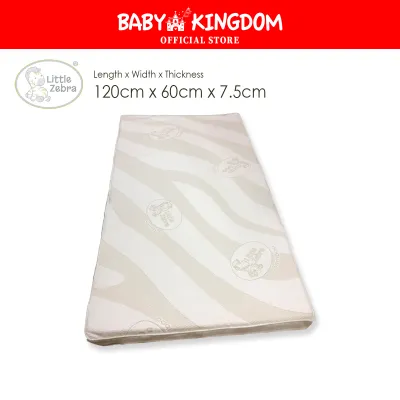
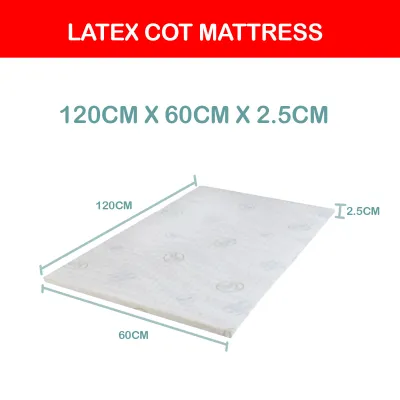
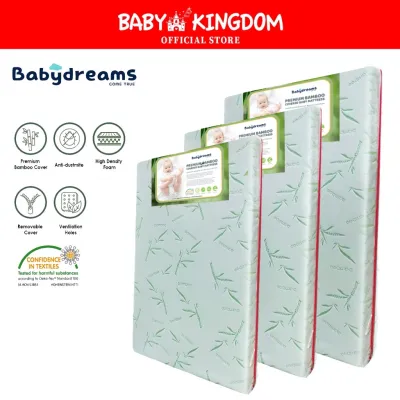
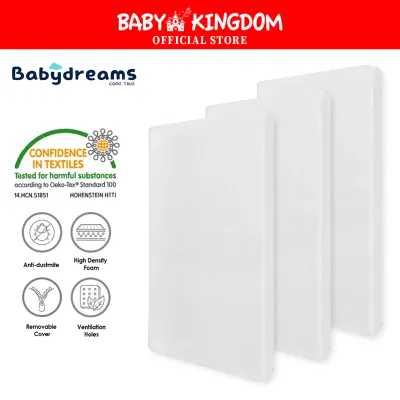
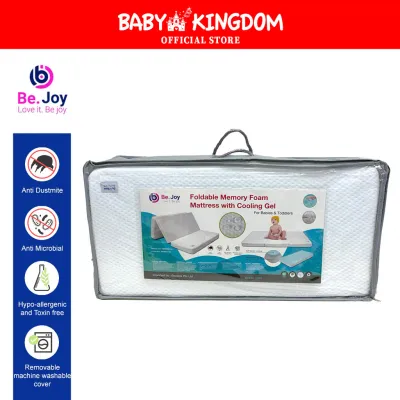
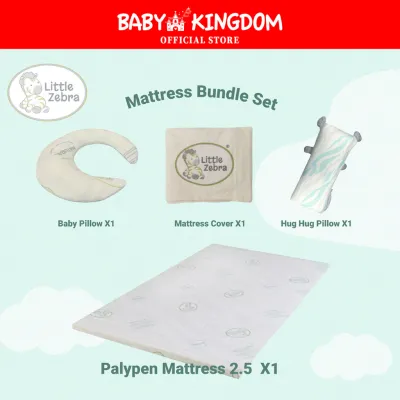
Prices are valid at publication and may change. Please refer to the product page for the latest price.
In Singapore’s warm and humid climate, mattress structural integrity faces unique challenges. High humidity levels can soften certain materials over time, potentially compromising the mattress’s original firmness. While breathability is a key comfort factor to prevent heat retention and sweating, it must never come at the expense of structural support. Parents must ensure that the materials chosen maintain their density and firm profile even when subjected to local ambient moisture and temperature.
Diagnosing the Right Firmness Level by Age and Milestones
A child’s mattress needs are not static; they evolve alongside their physical capabilities. To ensure both safety and comfort, you must diagnose the appropriate firmness category based on your child’s current age and developmental milestones.

Newborns and Infants (0-12 Months): Extra-Firm Support
For the first year of life, an extra-firm sleeping surface is an absolute necessity. During this stage, infants have limited head control and lack the neck muscle strength to lift or turn their heads if they roll into a soft depression. If a mattress is too soft, it can create a dangerous indentation around the infant’s nose and mouth, blocking their breathing. An extra-firm surface remains flat and unyielding under the baby’s weight, ensuring their nose and mouth remain completely clear of the sleep surface.
Firmness also plays a critical role in the structural fit of the mattress within the crib frame. An infant mattress must maintain its shape and edge integrity without bowing or warping under pressure. If a mattress is too soft or lacks proper edge support, dangerous gaps can form between the mattress sides and the crib rails. A young infant can easily slide into these gaps and become trapped, presenting a severe safety hazard. The mattress must fit snugly against all four sides of the crib, with no more than a two-finger gap anywhere along the perimeter.
Toddlers (1-3 Years): Transitioning to Medium-Firm
As your child reaches their first birthday, their physical capabilities change. Toddlers have developed strong neck muscles, excellent head control, and the ability to roll, sit, and stand independently. At this stage, the strict requirement for an extra-firm surface eases slightly, and a transition to a medium-firm mattress can provide a more comfortable balance of support and pressure relief. This transition often coincides with milestones such as walking, climbing, or moving from a baby cot to a toddler bed.
To accommodate this transition without requiring parents to buy an entirely new bed, many manufacturers design dual-sided, or flippable, mattresses. These products feature an extra-firm side engineered specifically for infants and a slightly softer, medium-firm side tailored for toddlers. When your child reaches 12 months of age and demonstrates full mobility, you can flip the mattress to the toddler side. Before doing so, always verify the manufacturer’s specific age and weight guidelines to ensure the transition is safe for your child’s current development.
The "Hand Test" and Visual Checks: How to Evaluate Your Current Mattress
If you are currently using a mattress or considering a hand-me-down, you must perform physical and visual diagnostics to verify its safety. You can easily evaluate the firmness and structural health of any baby mattress using a few low-risk, practical steps.
The most immediate way to assess firmness is the “hand-press test.” To perform this, place the mattress on a flat surface and press down firmly with your open palm in the center, near the corners, and along the edges. Apply significant downward pressure, then release your hand. A safe, extra-firm infant mattress should resist your push and spring back immediately to its original flat shape. If your hand leaves a temporary impression, or if the material feels soft and slow to recover, the mattress is too soft for an infant and should not be used.
Next, conduct a thorough visual and tactile inspection for signs of wear and tear. Run your hands across the entire surface to feel for localized sagging, lumps, or permanent body indentations. Over time, internal springs can weaken or foam cores can degrade, leading to uneven support. Check the edges of the mattress to ensure they remain rigid and do not collapse when pressed. Any visible dip or loss of edge support indicates that the mattress has lost its structural integrity and can no longer provide a safe sleep environment.
Finally, locate and read the manufacturer’s label attached to the mattress. This label often contains critical information regarding the intended age range, weight limits, and specific care instructions. Verify that the mattress complies with relevant safety standards and check if the manufacturer specifies a recommended lifespan. If the label is missing, illegible, or indicates that the mattress is designed only for older children, do not use it for an infant.
What to Look for When Shopping for a Baby Kingdom Mattress or Other Brands
When shopping for a new mattress, such as a baby kingdom mattress or other reputable options in Singapore, you must look past marketing claims and focus on objective specifications. Manufacturers use various terms to describe their products, but safety depends on measurable material properties and verified standards.
Start by examining the technical specifications for density and construction. For foam mattresses, look for high-density polyurethane or natural latex cores, which offer consistent, long-term firmness without sagging. For innerspring options, check the coil count and wire gauge; a lower gauge number indicates thicker, stronger wire, which translates to a firmer and more durable mattress. Avoid relying solely on terms like “orthopedic” or “pediatric-approved” unless they are backed by specific material density metrics or standardized firmness ratings.
It is critical to verify independent safety and material certifications on the product label or official documentation rather than assuming safety based on brand recognition alone. Look for recognized certifications such as CertiPUR-US (for foam safety and emissions), OEKO-TEX Standard 100 (for harmful substances), or local Singapore safety standards. These certifications ensure that the materials used are free from hazardous chemicals, flame retardants, and heavy metals that could off-gas into your baby’s sleep environment.
Consider the long-term utility of dual-firmness mattresses. Investing in a high-quality, dual-sided mattress allows you to use the same product from infancy through the toddler years, providing excellent value. When evaluating these options, ensure that both sides are clearly labeled so you do not accidentally place your newborn on the softer toddler side. Always consult the specific user manual and official guidelines for your chosen model, such as a baby kingdom mattress, to confirm that you are adhering to the exact age, weight, and installation parameters specified by the manufacturer.
When to Keep, Flip, or Replace Your Baby's Mattress
Based on your physical tests and your child’s development, you must make a clear decision on whether to keep using, adjust, or replace your current mattress. Use the following conditional guidelines to determine the safest path forward.
Continue Using
- The mattress passes the hand-press test with immediate recovery and no lingering indentations.
- There is no visible sagging, bowing, or loss of edge support.
- The mattress fits snugly inside the crib frame with less than a two-finger gap on all sides.
- The firmness level matches your child's current age and mobility stage.
Adjust or Flip If you own a dual-sided mattress and your child has reached 12 months of age, you may transition to the toddler side. Ensure that your child has achieved key developmental milestones, such as sitting up and rolling independently, and verify that their weight falls within the manufacturer’s approved range for the medium-firm side. Always double-check the mattress labels to confirm you are flipping to the correct side.
Replace
- The mattress fails the hand-press test or shows permanent body impressions.
- There is visible sagging, tearing, or structural breakdown of the core or edges.
- The mattress has suffered deep fluid damage or mold growth, which can easily occur in Singapore's humid climate.
- The mattress does not fit your crib frame securely, leaving dangerous gaps.
If your child has specific orthopedic, developmental, or medical conditions, do not rely solely on standard retail guidelines. Consult your pediatrician or a qualified pediatric specialist to determine if a specialized sleep surface or custom firmness level is required for your child’s health.
Frequently Asked Questions (FAQ)
Is it safe to use a second-hand baby mattress?
Using a second-hand baby mattress is generally not recommended due to hidden safety and hygiene risks. Over time, mattresses lose their original firmness and structural integrity, even if they look acceptable on the surface. Invisible wear in the core can lead to localized soft spots that pose a suffocation risk to infants. Additionally, used mattresses can harbor accumulated dust mites, allergens, moisture, and mold, which thrive in Singapore’s humid environment and can trigger respiratory issues in infants. To guarantee a safe, hygienic, and structurally sound sleep environment, purchasing a new mattress is always the safest choice. If you must use a hand-me-down, ensure it is in pristine condition, passes the hand-press test perfectly, has been stored in a dry environment, and its complete usage history is known.
Community discussion
Share your experience or ask a question. Comments are reviewed before publication.