
When searching for a baby helmet in Singapore, the first and most critical step is distinguishing between two entirely different product categories: medical corrective cranial orthoses and soft protective bump helmets. If your baby has an asymmetrical or flattened head shape, they may require a custom-molded medical cranial helmet prescribed by a doctor and fitted by a certified orthotist. On the other hand, if your baby is starting to crawl, pull up, or cruise around your home and you want to cushion them from minor bumps, a soft, over-the-counter protective helmet is the appropriate choice. Finding the right option requires understanding your baby’s developmental stage, verifying material safety for our humid climate, and working closely with local healthcare professionals.
Recognizing When a Baby Helmet is Medically Necessary
Many newborns develop slight head shape variations during their first few weeks of life due to birth positioning or sleeping consistently on one side. In most cases, mild flattening resolves naturally as babies gain neck strength, spend more time upright, and engage in supervised tummy time. However, when flattening is moderate to severe, or does not improve by around four months of age, it may indicate a condition like positional plagiocephaly (asymmetrical flattening on one side) or brachycephaly (symmetrical flattening across the back of the head).
Parents should never self-diagnose these conditions or purchase a corrective device without a formal medical evaluation. A pediatrician or a pediatric specialist must assess the baby’s skull to rule out craniosynostosis, a rare condition where the skull sutures fuse prematurely, which cannot be treated with a helmet and requires surgical evaluation. A professional assessment ensures that any intervention is both safe and necessary.
Products mentioned in this guide
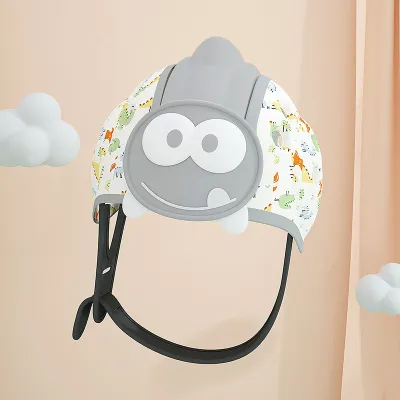
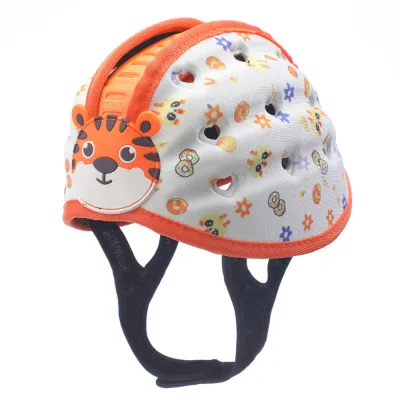
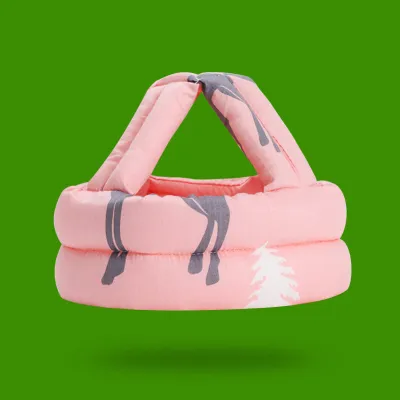
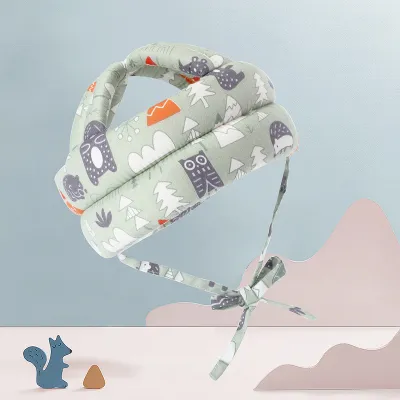
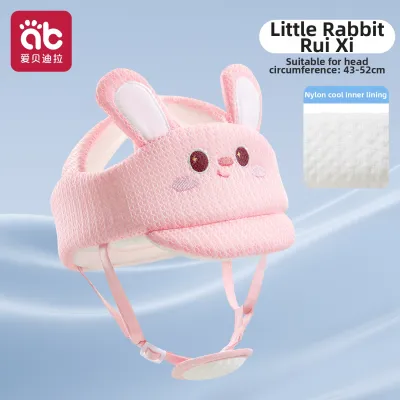
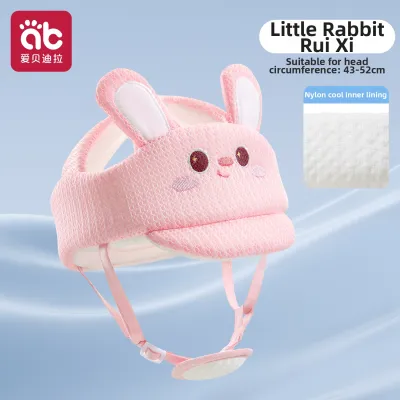
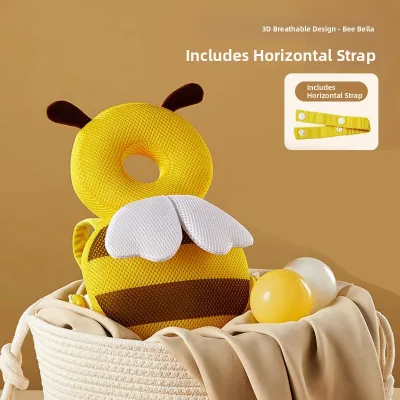
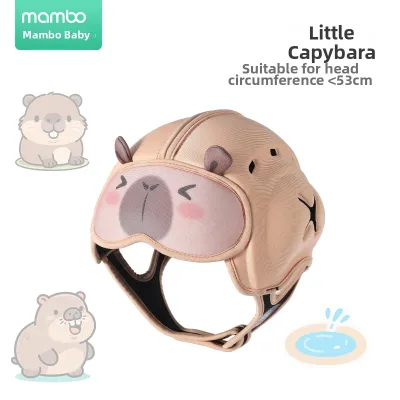
Prices are valid at publication and may change. Please refer to the product page for the latest price.
The developmental window for effective cranial helmet therapy is relatively narrow, typically between 4 and 12 months of age. During this period, the baby’s skull bones are growing rapidly and remain highly malleable, allowing a custom orthosis to gently guide growth into the flattened areas. Once a child reaches 12 to 18 months, the skull bones begin to harden and fuse, making helmet therapy significantly less effective or entirely obsolete. For younger infants under four months, pediatricians almost always recommend conservative repositioning techniques and physical therapy before considering a helmet.
Essential Features to Verify When Comparing Helmet Brands
When comparing different baby helmet options, weight and balance are paramount to protect your baby’s physical development. A baby’s neck muscles are still developing, and adding unnecessary weight can cause neck strain, poor posture, or developmental delays in head control. For both medical cranial orthoses and soft protective helmets, look for lightweight materials that distribute weight evenly across the skull without placing pressure on the delicate cervical spine.

Singapore’s hot and humid climate presents a unique challenge for baby helmets, as trapped heat and sweat can quickly lead to severe skin irritation, heat rash, or fungal infections. High-quality brands prioritize breathability by incorporating multiple ventilation holes and using advanced, moisture-wicking inner linings. When evaluating medical helmets, ask the orthotist about the hypoallergenic properties of the foam lining and how easily the materials can be sanitized to prevent odor and bacteria buildup.
Adjustability mechanisms must be carefully evaluated based on the helmet’s primary purpose. For soft protective bump helmets, look for secure, adjustable chin straps and flexible hook-and-loop fasteners that allow the helmet to expand as your baby grows. For medical cranial orthoses, adjustability is not something parents handle themselves; instead, the brand’s design must allow certified orthotists to make precise, incremental modifications—such as shaving away inner foam layers—to accommodate your baby’s rapid head growth while maintaining the corrective shape.
Before committing to any brand, parents must verify official safety and material certifications rather than relying on vague marketing claims. For medical-grade cranial helmets, verify that the device is registered with the Health Sciences Authority (HSA) in Singapore or holds equivalent international medical device clearances. For protective play helmets, look for non-toxic material certifications, such as OEKO-TEX standards for fabrics, ensuring that no harmful chemicals or flame retardants will come into contact with your baby’s sensitive skin.
Matching Helmet Structures to Specific Head Shapes
Corrective cranial orthoses are engineered to address specific types of skull asymmetry, and their structural design must match the exact diagnosis. For positional plagiocephaly, where one side of the back of the head is flat and the forehead may bulge forward, the helmet is designed to apply gentle contact on the prominent areas while leaving open space or “growth zones” over the flat areas. This structure encourages the skull to grow naturally into the empty spaces, restoring symmetry.
For brachycephaly, where the entire back of the head is flat and the head appears unusually wide, the helmet structure focuses on restricting lateral growth while encouraging growth at the back. Because these structural requirements are highly complex and unique to each infant, a precise fitting process is non-negotiable. Certified clinics use advanced, non-invasive 3D cranial scanning technology to capture a highly accurate digital model of your baby’s head shape, which is then used to manufacture a fully customized helmet.
It is vital to understand that off-the-shelf sizing and generic protective bump helmets are completely unsuitable for correcting cranial deformities. Soft protective helmets are designed solely to absorb impact during play and do not possess the rigid structural integrity or the targeted pressure zones required to guide bone growth. Attempting to use a generic, non-prescription helmet to treat plagiocephaly or brachycephaly can apply harmful pressure to the wrong areas of the skull, potentially worsening the deformity or restricting healthy brain development.
Evaluating Brand Reliability and Local Fitting Services in Singapore
Because cranial helmet therapy requires constant monitoring and adjustments, the reliability of a brand is deeply tied to its local clinical support network in Singapore. Parents should choose brands that partner directly with established local pediatric clinics, specialized therapy centers, or certified orthotists. A reputable brand will have a dedicated local facility equipped with the necessary diagnostic and modification tools, ensuring you do not have to ship the device overseas for routine adjustments.
The frequency of aftercare services is a critical factor in the success of the treatment. As your baby grows, the helmet will require regular resizing and adjustment appointments—often every one to three weeks—to ensure it continues to fit correctly without causing painful pressure sores. When evaluating different brands and clinics, ask for a clear outline of their follow-up schedule, the availability of appointments, and whether these regular adjustment sessions are included in the initial package price.
The total cost structure for custom-made medical cranial orthoses in Singapore can be substantial, often ranging from several thousand S$ to over S$5,000, depending on the complexity of the device and the clinic’s consultation fees. Parents should request a detailed breakdown of costs upfront, including the initial 3D scan, the manufacturing of the custom helmet, all subsequent clinical adjustment visits, and any potential replacement parts. Additionally, clarify the warranty terms and repair policies in case the helmet’s straps, buckles, or lining experience wear and tear during the months of daily use.
Navigating where to purchase these products requires caution. While soft protective bump helmets for crawling babies can be safely purchased from reputable local baby stores or online marketplaces, medical corrective helmets must never be bought online or second-hand. A pre-owned or non-customized medical helmet cannot be safely adapted to another baby’s unique head shape and poses severe health risks. Always obtain prescription cranial orthoses through licensed medical professionals and specialized local clinics.
Daily Safety Checks, Hygiene, and Stop Conditions
Using a baby helmet safely at home requires diligent daily monitoring and strict adherence to hygiene protocols. Parents must perform visual and tactile checks every time the helmet is removed, looking closely for any signs of skin irritation, persistent redness, pressure marks, or excessive sweating. Pay close attention to the areas behind the ears, the forehead, and the base of the skull, where friction and pressure are most common.
Maintaining a rigorous cleaning routine is essential to protect your baby’s skin from bacterial infections. The helmet’s interior should be cleaned daily using a mild, fragrance-free soap or a manufacturer-approved sanitizing solution, then allowed to air dry completely before being placed back on the baby’s head. Additionally, wash your baby’s scalp daily with a gentle baby shampoo, ensuring their hair and skin are completely dry before re-applying the helmet, as trapped moisture is the primary cause of skin breakdown.
Parents must be aware of clear stop-conditions that require pausing helmet use and consulting their orthotist or pediatrician immediately. If you notice persistent redness that does not fade within 30 to 45 minutes after removing the helmet, or if your baby develops skin breakdown, open sores, blisters, or an unexplained fever, keep the helmet off. Continuing to wear a poorly fitting or irritating helmet under these conditions can lead to severe skin damage and infection, so professional reassessment is mandatory before resuming therapy.
Frequently Asked Questions (FAQ)
Is it safe to buy a corrective baby helmet online without professional fitting?
No, it is highly unsafe to purchase a corrective baby helmet online without professional clinical assessment and fitting. Corrective cranial orthoses are regulated medical devices that must be custom-molded based on precise 3D scans to ensure safe, targeted pressure distribution. Bypassing professional fitting can lead to restricted skull growth, painful pressure sores, and delayed treatment during the critical developmental window. Over-the-counter protective bump helmets sold online are meant solely for cushioning minor falls during play and have no medical corrective capabilities.
How do professionals determine the daily wear schedule for a baby helmet?
Certified orthotists and pediatricians determine the daily wear schedule based on your baby’s exact age, skull flexibility, and the severity of the head shape flattening. For corrective cranial orthoses, the standard prescribed schedule typically requires the baby to wear the helmet for 23 hours a day, removing it only for bathing, cleaning, and skin checks. This rigorous schedule is necessary because the skull grows continuously, and consistent guidance is required to achieve symmetry. Parents must strictly follow the prescribed wear schedule and the gradual weaning protocol provided by their treating specialist.
Community discussion
Share your experience or ask a question. Comments are reviewed before publication.