
Preparing fresh meals for weaning often means dealing with purees and porridges that are too hot to serve immediately. A dedicated baby food cooling fan speeds up this process, helping you transition meals to a comfortable temperature during feeding routines. This guide breaks down the main types of cooling fans available and the key features to evaluate, helping you select a practical option for your kitchen space and daily habits.
Passive cooling, such as leaving a hot bowl on the counter, takes time. During this waiting period, hungry babies can become fussy, which increases caregiver stress. Active air circulation from a fan accelerates heat transfer by continuously replacing the warm, humid air layer directly above the food with cooler ambient air. This rapid reduction in temperature helps you serve meals at a comfortable temperature much faster than waiting for natural cooling.
It is important to set realistic expectations for what a cooling fan can and cannot do. These devices are designed solely to lower the temperature of warm food to a palatable level. They do not cook, reheat, or sterilize food. They serve as a convenience tool to streamline the transition from stove or steamer to highchair, and caregivers must still verify the food’s temperature manually before feeding.
Products mentioned in this guide
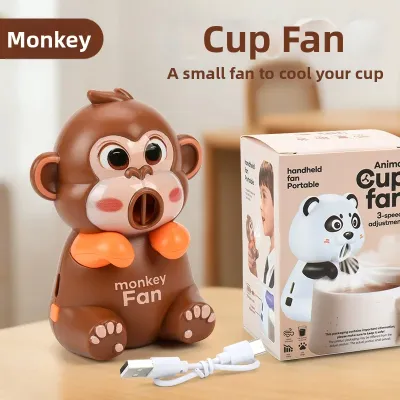

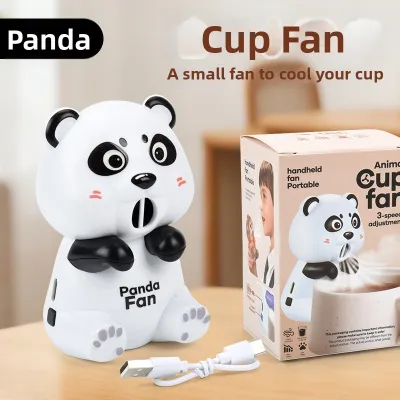
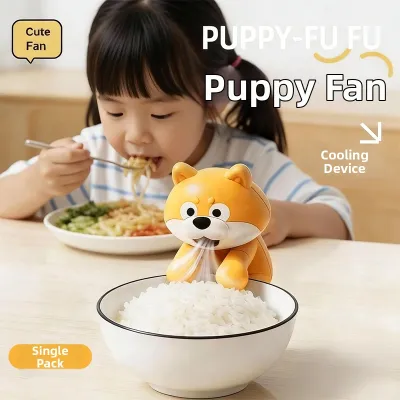
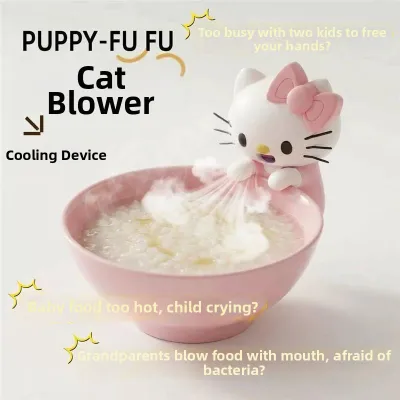
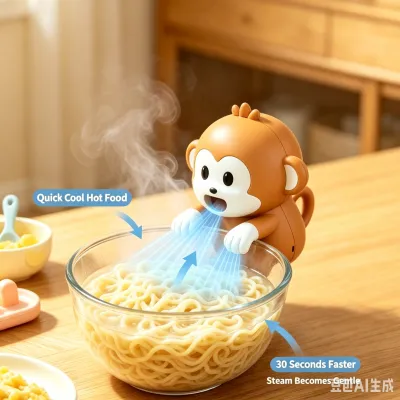
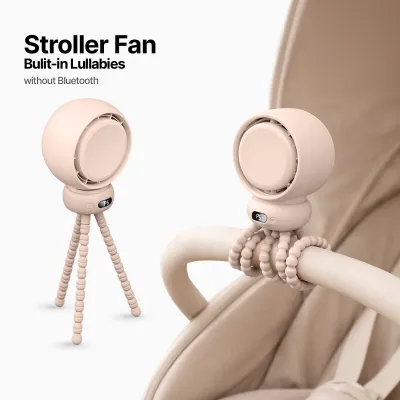
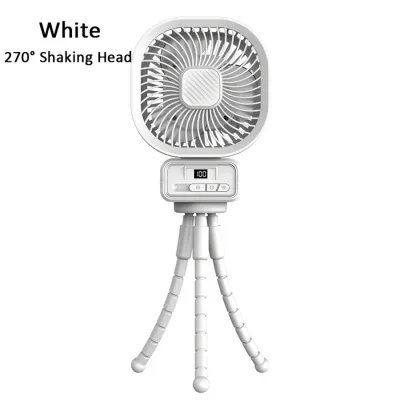
Prices are valid at publication and may change. Please refer to the product page for the latest price.
Comparing the Main Types of Baby Food Cooling Fans
Choosing the right baby food cooling fan involves balancing your kitchen footprint, power requirements, and whether you plan to feed your baby primarily at home or on the go. The market generally offers three primary form factors: countertop models, portable or handheld options, and attachment-style or integrated designs.
Each category presents distinct trade-offs regarding stability, power output, and ease of transport. Understanding these differences allows you to narrow down your options based on your physical space and daily routine.
Countertop Models
Countertop models are stationary units designed to sit firmly on your kitchen counter or dining table. They typically feature wider, weighted bases to prevent tipping and larger fan blades that generate a broader, more consistent stream of air.
This design makes them highly effective at cooling larger bowls or multiple portions of food at once. If you prepare meals in batches or feed your baby at a consistent highchair station, a countertop model provides stable, hands-free operation.
However, these models occupy permanent counter space and are generally too bulky to pack in a diaper bag. They also require a nearby power outlet or a dedicated spot on the table, making them less flexible for travel or feeding in different rooms.
Portable and Handheld Options
Portable and handheld fans are compact, lightweight devices designed for maximum flexibility. They are often powered by rechargeable batteries or standard USB connections, allowing you to use them anywhere without being tethered to a wall outlet.
These options are ideal for families who travel frequently, dine out, or move between different rooms during feeding times. You can easily slip a handheld fan into a diaper bag and use it at a restaurant, a park, or a relative’s house.
The trade-offs for this portability include smaller fan blades and lower air displacement, which means cooling may take slightly longer compared to larger models. Many handheld options also require you to hold them manually over the food or find a way to prop them up safely, and you must monitor battery levels to ensure they do not run out of power mid-meal.
Attachment-Style and Integrated Designs
Attachment-style fans are designed to clip directly onto the rim of a baby bowl, while integrated designs are built into specialized weaning tableware sets. They feature specialized mounting clips or brackets that position the fan directly over the food surface.
This design delivers highly targeted airflow right where it is needed, cooling the top layer of food rapidly without taking up any extra space on your table or counter. It is an excellent space-saving solution for small dining areas or compact highchair trays.
Compatibility is the primary challenge with these models. An attachment-style fan may only fit specific bowl shapes, rim thicknesses, or proprietary tableware brands. Before purchasing, you must carefully verify the physical dimensions and attachment mechanisms to ensure the fan will secure tightly to your existing bowls, as a loose attachment poses a risk of the fan falling directly into the hot food.
Essential Features to Check Before Buying
When selecting a baby food cooling fan, evaluating specific design elements and technical specifications will ensure the device fits seamlessly into your daily routine. The first feature to consider is the availability of adjustable speed settings. Thin purees might only require a gentle breeze to cool down without splattering, whereas thick, dense porridges or mashed root vegetables benefit from a stronger airflow to penetrate the dense texture. Having multiple speed options allows you to customize the cooling process based on the meal’s consistency.

Noise levels and motor quality are also critical factors. Babies can be sensitive to sudden or loud noises, which might startle them or distract them from eating. Caregivers should look for models that operate with a low, gentle hum rather than a loud buzz. Checking product specifications for quiet motor designs helps maintain a peaceful dining environment.
Power sources and cable management directly impact both convenience and safety. Mains-powered units offer consistent performance but limit where you can place the fan and introduce cord safety hazards in the kitchen. USB-rechargeable models offer excellent portability but require regular charging. If choosing a corded model, ensure the cable is long enough to reach your outlet safely without being stretched tight, creating a tripping hazard, or dangling within a child’s reach.
Ease of cleaning is a non-negotiable feature for any food preparation tool. Look for fans with removable front guards or grilles that allow you to wipe down the blades easily. Dust and kitchen grease can accumulate on fan blades over time, and you do not want these particles blown onto your baby’s fresh food. Ensure the housing is made of smooth, non-porous, wipeable plastic that can be sanitized quickly with a damp cloth, and verify if any components are rated as dishwasher-safe by the manufacturer.
How to Match a Fan to Your Specific Weaning Routine
To find the right fit, start by assessing your physical kitchen environment. Measure your available counter space and identify where your power outlets are located relative to your baby’s highchair. If your kitchen is compact or lacks convenient outlets, a cordless portable model or a space-saving attachment fan is often more practical than a bulky countertop unit.
Next, evaluate your typical meal preparation habits. If you prefer batch-cooking and cooling large portions of puree before freezing them, a stable countertop fan with a wide airflow pattern will serve you well. Conversely, if you prepare single, fresh portions of warm porridge right before serving, a small handheld or clip-on fan that targets a single bowl is highly efficient.
Consider your feeding locations. Do you always feed your baby at the dining table, or do you sometimes feed them in the living room, in the garden, or while visiting family? A portable, battery-operated fan offers the versatility needed for an on-the-go lifestyle, whereas a corded countertop model is best suited for a highly structured, single-location routine.
Create a conditional shortlist based on these lifestyle factors. For example, if you have limited space and use a variety of bowl shapes, a portable handheld fan with a small fold-out stand might offer the best balance of space-saving design and universal compatibility. If you use a single, matching weaning set, an integrated attachment fan is a seamless choice.
Safety Boundaries and Maintenance Requirements
Caregiver supervision and safety precautions are essential when using any electrical device near food and infants. Always verify that the fan features a fine mesh safety guard. Caregivers should verify that the gaps in the grille are narrow enough to prevent small fingers from reaching the moving blades, even if the fan is placed within their reach.
Follow the manufacturer’s guidelines regarding safe operating distances and heat tolerances. Avoid placing the fan within the baby’s reach on the highchair tray. Keep the device at a safe distance on a stable surface, directing the airflow toward the food bowl while keeping the unit itself out of the baby’s reach to prevent accidental tipping or pulling of cords.
Establish a routine cleaning protocol to prevent mold, dust, or bacterial buildup on the fan guards and housing. Wipe the exterior housing and clean the grille regularly to prevent these contaminants from being blown directly onto the baby’s meal. Always unplug the device or turn it off before cleaning, and never submerge electrical components in water unless explicitly permitted by the manufacturer.
Inspect the device regularly for wear and tear. Stop using the fan immediately if you notice frayed power cords, cracked plastic housing, unusual motor noises, or if the unit becomes excessively warm during operation. If the fan falls into food or water, disconnect it from the power source immediately and consult the manufacturer’s instructions regarding safety and replacement.
Frequently Asked Questions (FAQ)
Can I use a regular desk fan to cool baby food?
While a standard household desk fan can technically move air to cool food, it is generally not recommended for weaning setups. Regular desk fans are typically much larger, making them difficult to position safely on a highchair tray or small dining table. They often lack the fine mesh safety guards found on dedicated baby products, posing a risk to curious little fingers. Furthermore, standard household fans are not designed with food hygiene in mind; they can accumulate significant amounts of dust inside their large housings, which is then blown directly onto your baby’s fresh meal. Dedicated baby food fans are compact, easier to clean, and designed specifically for close-range, hygienic food preparation.
Does a cooling fan affect the nutritional value of the food?
No, using a cooling fan does not negatively affect the nutritional value of baby food. The fan simply uses convective cooling—circulating ambient air over the surface of the food to accelerate the natural evaporation and heat loss process. This physical process does not alter the chemical structure of the food or degrade nutrients. In fact, cooling hot food quickly can be beneficial, as prolonged exposure to high temperatures is what actually leads to the degradation of heat-sensitive vitamins, such as vitamin C. By reducing the temperature rapidly to a comfortable eating level, you help preserve the quality of the meal while ensuring it is safe for your baby to consume.
Community discussion
Share your experience or ask a question. Comments are reviewed before publication.