
Choosing the right baby bowl depends entirely on your child’s physical milestones and feeding setup rather than their age in months. In the early days of weaning, a small, shallow bowl designed for caregiver-led feeding keeps portions manageable and scooping easy. As your baby transitions to self-feeding and hands-on exploration, features like strong suction bases, high walls, and durable, drop-proof materials become essential to minimize spills and support developing motor skills. Matching the bowl’s design to these shifting developmental stages ensures a smoother, safer transition to independent eating.
Identifying Your Baby's Current Weaning Stage
To select the most functional bowl, you must first observe how your baby interacts with food and their physical environment. The weaning journey is not a strict timeline, but rather a series of motor skill milestones that change how food is served.
In the initial phase, usually around six months, babies show readiness for solids by sitting upright with minimal support, holding their head steady, and showing active interest when others eat. At this stage, feeding is primarily caregiver-led. The baby is learning to swallow smooth purees from a spoon, meaning they do not need to handle the bowl themselves. The primary requirement here is a container that is easy for you to hold and scoop from.
Products mentioned in this guide
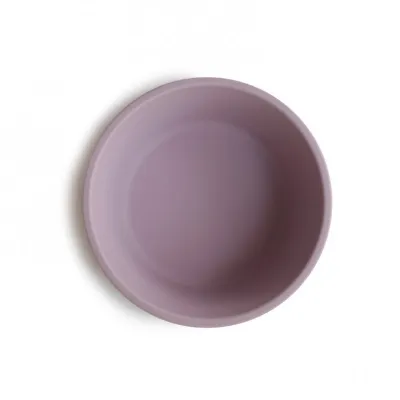
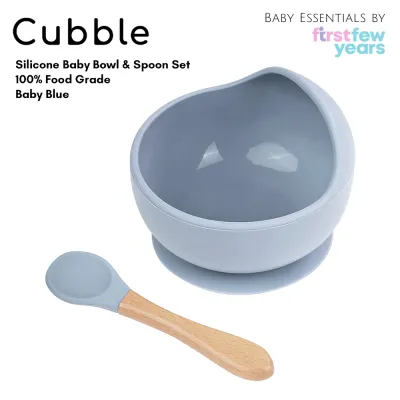
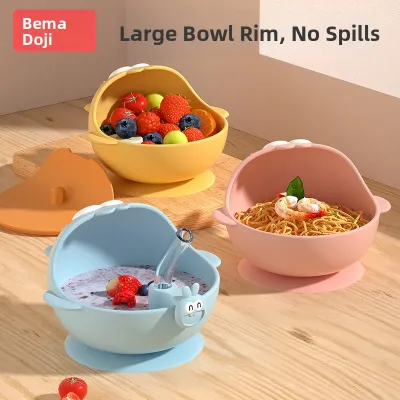

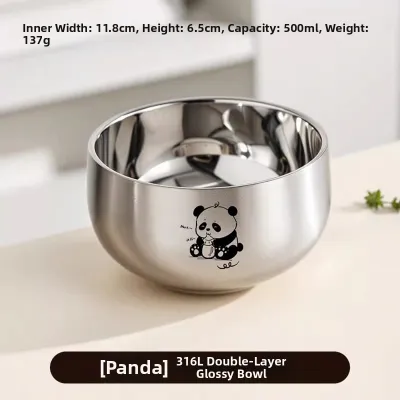
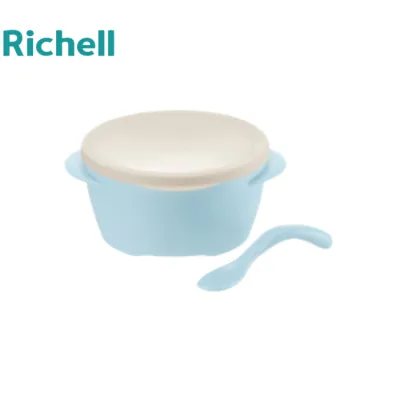
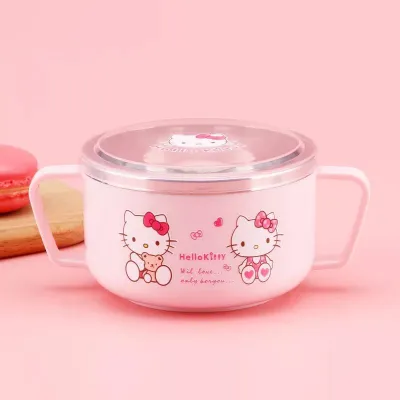
Prices are valid at publication and may change. Please refer to the product page for the latest price.
As babies grow, they enter a transitional phase where they begin grasping objects, banging toys, and exploring textures. They will reach for the spoon, grab food with their hands, and attempt to lift or throw anything within reach on their highchair tray. This stage demands a bowl that can withstand physical exploration, stay firmly anchored to the highchair tray, and separate different food textures to accommodate sensory development.
Eventually, toddlers begin mastering utensils and working toward independent eating. They refine their hand-to-mouth coordination and practice scooping food with a spoon or piercing it with a fork. During this final weaning stage, the bowl must act as a supportive tool, featuring curved walls that guide food onto utensils and a stable base that resists tipping even without a suction mechanism.
Bowl Features for Starting Solids and Purees
When your baby is just starting solids, the focus is on small portions of smooth purees or mashed foods. Because you will be doing all the holding and scooping, the ideal bowl is designed for caregiver convenience and comfort.

A small capacity is highly beneficial during these early weeks. Babies begin with just a few teaspoons of food per meal, so a large bowl can make portions look deceptively small and make it difficult to gather the food. Shallow bowls allow you to easily scoop up every last bit of puree without scraping the spoon against deep, steep walls, which can be noisy and frustrating.
Base stability remains important even when you are holding the bowl. Many parents prefer bowls with a non-slip silicone base or a light suction feature so they can set the bowl down on a table or highchair tray without worrying about it sliding away if they need to wipe a messy chin. A stable base allows you to feed your baby with one hand while keeping your other hand free to assist or comfort them.
Ergonomic edges and rims are another helpful feature for caregivers. Bowls with wide, easy-to-grip rims or integrated handles give you a secure hold, reducing the risk of dropping the bowl during a lively feeding session. Some designs feature an inward-curving rim that acts as a built-in guide, helping you sweep the spoon upward to gather food cleanly without spilling over the edge.
Bowls for Developing Grasping Skills and Texture Exploration
As your baby begins to explore food with their hands, mealtimes become significantly more active and messy. This transitional stage requires a bowl designed to withstand curiosity while keeping food within reach.
A strong suction base is the most critical feature during this phase to prevent the common “bowl flip.” Babies at this stage love to test gravity by lifting, sliding, and throwing objects. A high-quality suction bowl adheres firmly to flat, smooth surfaces like highchair trays or dining tables, keeping the food in place while your baby practices picking up finger foods. It is helpful to look for designs with a hidden or recessed suction pad, which makes it harder for curious little fingers to pry the bowl loose.
Divided sections are highly useful as you introduce a wider variety of textures and flavors. Many babies prefer to explore foods individually rather than mixed together, and divided bowls allow you to serve a protein, a vegetable, and a grain in distinct compartments. This separation helps your baby identify different tastes and textures, which can support sensory development and reduce resistance to new foods.
High, vertical, or slightly undercut walls are essential for containing the mess as babies practice hand-to-mouth coordination. When a baby is learning to scoop food with their fingers or a spoon, they often push the food against the side of the bowl. High walls provide a supportive barrier that keeps the food from sliding out onto the tray, giving your baby a better chance of successfully picking it up.
Bowls for Mastering Utensils and Independent Eating
As your toddler refines their motor skills and begins using spoons and forks independently, their feeding equipment should transition toward designs that mimic adult tableware while retaining child-friendly durability.
Utensil-friendly shapes are crucial for building confidence during self-feeding. Look for bowls with a wide, stable base and a curved interior profile. A curved wall helps toddlers scoop food onto their spoons by providing a natural contour to slide the utensil against. Avoid bowls with sharp interior corners, as food easily gets trapped in these crevices, leading to frustration for a toddler learning to navigate a spoon.
Material durability and weight play a significant role in this stage. While toddlers are more controlled than infants, drops and spills still happen. The bowl should be made from sturdy, shatterproof materials that can survive a fall from table height onto hard kitchen floors. At the same time, the bowl should have enough weight to feel substantial and stay in place, yet remain light enough for your child to carry to the sink if they are learning to help clear the table.
Portability and storage features become increasingly important as your child eats more meals on the go or at childcare. Bowls that come with secure, leak-resistant lids allow you to pack snacks or pre-prepared meals safely in a diaper bag. In the kitchen, choosing bowls that stack neatly inside one another helps save valuable cabinet space and keeps your feeding supplies organized.
Essential Safety and Material Checks Before You Buy
Before purchasing any baby bowl, it is essential to verify its safety, material composition, and care requirements by carefully reading the manufacturer’s packaging and product manuals.
First, perform a thorough material verification. Look for clear labels indicating that the product is made from food-grade materials, such as food-grade silicone, BPA-free plastics, or high-quality stainless steel. Because safety standards and chemical formulations can vary, always check the brand’s official documentation to confirm the absence of unwanted substances like phthalates, lead, or PVC.
Next, review the temperature limits and care instructions provided in the product manual. Not all baby bowls are safe for the microwave, dishwasher, or steam sterilizer. For example, some suction bases can warp or lose their adhesive properties when exposed to high heat, while certain plastics may degrade over time. Verifying these limits beforehand ensures you do not accidentally damage the bowl or compromise its structural integrity during cleaning.
Finally, establish a routine for wear and tear inspection. Regularly examine your baby’s bowls for signs of aging, such as deep scratches, cracks, discoloration, or a sticky texture. Scratches and cracks can harbor bacteria that are difficult to clean out, while weakened suction bases can fail unexpectedly during a meal. If you notice any of these signs, or if a suction cup no longer holds firmly, it is time to discard the bowl and replace it to maintain a hygienic and safe feeding environment.
Frequently Asked Questions (FAQ)
When should I stop using a suction bowl?
You can transition away from a suction bowl when your child demonstrates improved motor control and a reduced tendency to intentionally throw or flip their tableware. Observable signs include carrying the bowl carefully, using utensils without pushing the bowl across the table, and showing an understanding that food should stay on the tray. This transition typically occurs as toddlers approach preschool age, at which point moving to weighted, non-suction bowls helps encourage mindful eating habits.
How do I safely remove a strong suction bowl without breaking it?
To remove a suction bowl safely, locate the manufacturer’s designated release tab, which is usually a small, raised flap on the edge of the suction base. Gently peeling or lifting this tab breaks the vacuum seal instantly, allowing you to lift the bowl effortlessly. Avoid pulling the bowl straight up with force, as this can damage the suction mechanism, warp the bowl’s shape, or even scratch and damage your highchair tray or table surface.
Community discussion
Share your experience or ask a question. Comments are reviewed before publication.