
Introducing your baby to solid foods is a significant developmental milestone that involves far more than just shifting from milk to purees. As your little one transitions through different textures and learns to feed themselves, their motor skills, hand-eye coordination, and grip strength undergo rapid changes. Choosing the right baby bowl and fork spoon sets is not merely about finding attractive tableware; it is about providing the precise structural support your baby needs at each stage of their physical development.
While age brackets serve as helpful reference points, every child develops at their own unique pace. It is essential to observe your baby’s individual readiness—such as their ability to sit upright with minimal support, their interest in food, and the disappearance of the tongue-thrust reflex—before introducing new feeding tools. Additionally, always verify the manufacturer’s specific age, weight, and developmental recommendations on product packaging to ensure that any baby bowl or utensil set you introduce is safe and appropriate for your child’s current stage.
Stage 1: First Tastes and Purees (Around 6 Months)
During the initial phase of weaning, which typically begins around six months, feeding is entirely parent-led. Your baby is learning how to swallow smooth, runny, or lightly thickened purees rather than suckle. At this stage, the primary goal of using a baby bowl and spoon is to introduce new flavors and textures safely while protecting your baby’s highly sensitive oral cavity.
Products mentioned in this guide
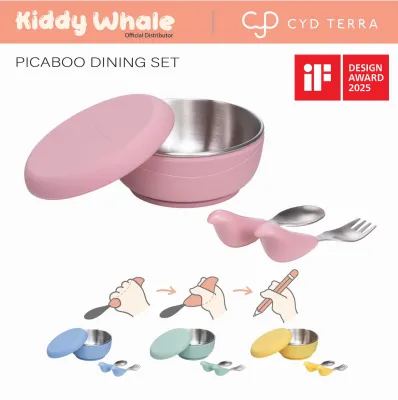
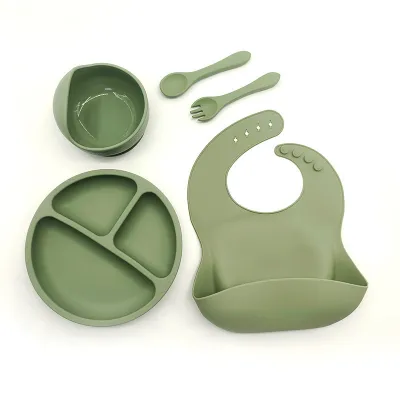
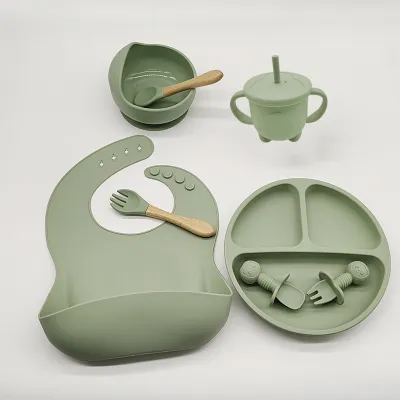
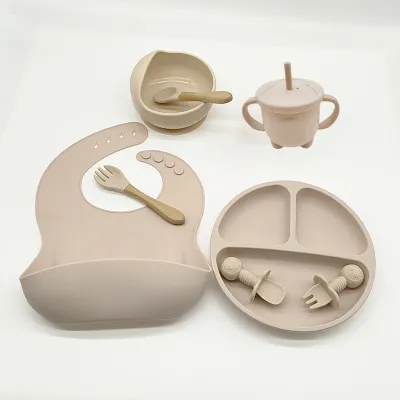
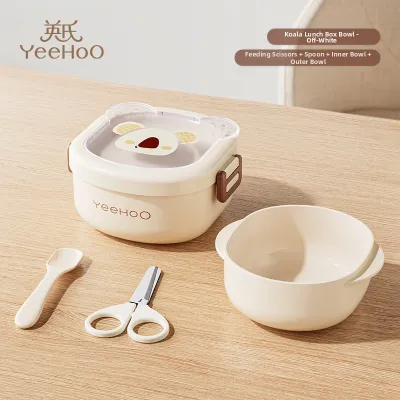
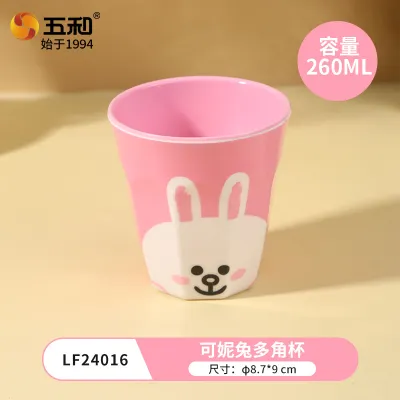
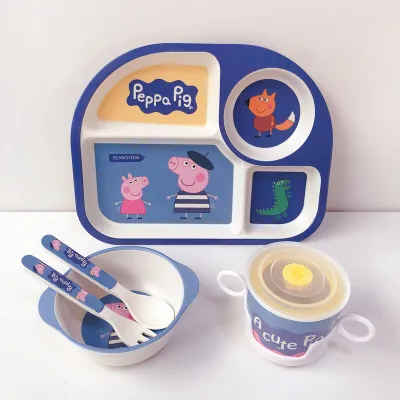
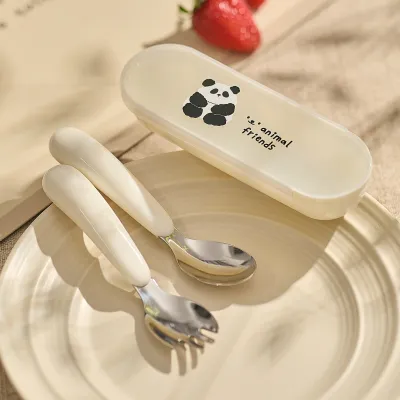
Prices are valid at publication and may change. Please refer to the product page for the latest price.
Designing the Ideal First Baby Bowl
For parent-led feeding, a small-capacity baby bowl with a shallow base is highly practical. Because you will be holding the bowl in one hand while managing the spoon and supporting your baby with the other, look for a lightweight, ergonomic design that fits comfortably in your palm. A shallow bowl allows you to scoop out small portions of purees efficiently without having to scrape deep against the sides, which can cause food to spill or accumulate unevenly. Many parents in Singapore find that a bowl with a extended rim or a built-in thumb grip provides extra stability during active, squirmy mealtimes.
Selecting Safe and Gentle Spoons
Your baby’s gums are incredibly tender at six months, with primary teeth often preparing to erupt. Therefore, early-stage spoons must feature soft, flexible silicone tips that bend easily under gentle pressure. A hard plastic or metal spoon can cause discomfort or even minor bruising if your baby suddenly moves their head forward during a spoonful. The spoon handle should be long and straight, allowing you to reach into deep puree jars or the bottom of food preparation containers without getting food on your fingers. Forks are entirely unnecessary at this stage, as your baby is not yet ready to pierce or grasp solid food pieces.
Actionable Tips for Early Feeding Success
Before purchasing any starter spoon, perform a simple squeeze test on the silicone tip to ensure it is pliable and lacks sharp structural seams. Seamless, single-piece silicone spoons are highly recommended because they eliminate crevices where old food particles and bacteria can hide. Always supervise your baby closely during every feeding session, and never leave them unattended with a spoon. To prevent accidental burns, always stir purees thoroughly to eliminate hot spots and test the food temperature on the inside of your wrist before offering it to your child.
Stage 2: Learning to Scoop and Chew (7 to 9 Months)
As babies reach seven to nine months, they begin to develop a palmar grasp, using their entire fist to hold objects. They also start showing a keen interest in grabbing the spoon and touching the food in their bowl. This stage is characterized by a transition to mashed, minced, or soft lumpy textures, and it marks the very beginning of active self-feeding practice.

The Importance of a Secure Suction Baby Bowl
With your baby’s emerging desire to participate comes a natural tendency to swat, grab, and throw tableware. To prevent entire meals from ending up on your floor, look for a baby bowl equipped with a strong, integrated suction base. The suction pad should cover a wide surface area and adhere firmly to your highchair tray or dining table. A wider, stable base prevents the bowl from tipping sideways when your baby attempts to press their spoon against the inner walls to scoop up food.
Ergonomic Fork Spoon Sets for Emerging Palmar Grasp
Traditional long-handled spoons are difficult for a seven-month-old to navigate, often resulting in them poking themselves in the eye or the back of the throat. Instead, transition to short, chunky fork spoon sets specifically designed for tiny hands. These utensils typically feature rounded, bulbous handles that fit naturally into a baby’s full-hand palmar grasp. The spoon bowl should be relatively shallow, making it easier for the baby to scrape food off the utensil using their upper lip. The accompanying fork should feature blunt, wide tines that can hold thick mashes or soft avocado chunks without posing a puncture risk to their face or gums.
Actionable Tips for Transitioning to Self-Feeding
When evaluating short-handled utensils, look for designs that incorporate textured rubberized grips or ergonomic curves to prevent slipping when your baby’s hands are wet or greasy. To manage the inevitable mess of this stage, consider using a double-spoon strategy: let your baby hold and play with one short spoon while you use another to deliver the actual nourishment. This keeps their hands occupied and fosters independence while ensuring they receive an adequate amount of food during the meal.
Stage 3: Independent Self-Feeding (10 to 12+ Months)
By ten to twelve months and beyond, toddlers are developing a refined pincer grasp, using their thumb and index finger to pick up smaller objects. They are now capable of consuming a wider variety of textures, including soft finger foods, small pasta shapes, and chopped fruits. At this stage, your child requires tools that mimic adult tableware while retaining essential toddler safety features.
Transitioning to Divided Bowls and Deeper Plates
As your toddler explores different food groups, they often prefer to keep their foods separate rather than mixed together. A divided baby bowl or sectioned plate is highly beneficial here, as it allows you to present proteins, carbohydrates, and vegetables in distinct compartments. Look for bowls with deep, vertical inner walls. These straight sides act as a barrier, giving your toddler a flat surface to push their food against when attempting to load their spoon independently. While suction bases remain highly useful, look for weighted, non-slip silicone bottoms that provide stability even if the suction is deactivated.
Advanced Fork Spoon Sets for Refined Motor Skills
Older toddlers possess the coordination required to use slightly more functional utensils. Look for fork spoon sets that feature slightly deeper spoon bowls to hold liquids like soups or yogurt without excessive spilling. The fork tines can be slightly more defined than early-stage models, allowing your toddler to successfully pierce foods like steamed carrot rounds or soft pasta. Many high-quality sets for this stage feature stainless steel tips paired with thick silicone or BPA-free plastic handles, providing a realistic adult-like dining experience while remaining safe for toddler use.
Actionable Tips for Fostering Mealtime Independence
Toddlers are remarkably clever and will eventually figure out how to peel back the release tabs on suction bowls. When this occurs, transition to heavily weighted, non-slip bowls that rely on friction rather than suction to stay in place. Establish clear mealtime boundaries by teaching your toddler that the bowl must remain on the table. If they attempt to throw the tableware, calmly remove it for a brief moment to reinforce that bowls and utensils are tools for eating, not toys.
Essential Safety and Material Checks Before Buying
Before purchasing any baby bowl or utensil set, it is crucial to conduct a thorough safety and material evaluation. Because these items come into direct contact with your baby’s food daily, prioritizing high-quality, non-toxic materials is paramount for their long-term health.
Verifying Food-Grade Materials and Heat Tolerances
Always check product packaging and labels for explicit material declarations. Look for products certified as 100% food-grade silicone, food-safe stainless steel, or BPA-free, phthalate-free plastics. It is important to note that not all silicone or plastic blends tolerate high heat equally. Strictly follow the manufacturer’s instructions regarding dishwasher, microwave, and sterilizer limits. For instance, some silicone bowls feature embedded plastic rings or suction bases that can warp or release chemicals if subjected to the high temperatures of a steam sterilizer or microwave.
Routine Wear and Tear Inspections
Baby utensils undergo significant stress from constant washing, dropping, and biting. Make it a habit to regularly inspect all silicone spoons and fork tines for signs of degradation. Pull firmly on the tips of silicone spoons to check for micro-tears, deep bite marks, or structural weakness caused by emerging teeth. If you notice any peeling, cracking, or tearing, discard the item immediately, as loose pieces can quickly become a serious choking hazard.
Preventing Mold and Bacteria in Humid Climates
In warm, humid environments like Singapore, moisture retention is a primary catalyst for mold growth. Pay close attention to how you wash and dry your baby’s feeding gear. Avoid utensils with hollow handles or multi-part designs where water can seep in and become trapped. Wash all items thoroughly with a mild, baby-safe dish soap, paying special attention to the crevices around suction bases and handle joints. After washing, ensure all pieces are placed in a well-ventilated drying rack or dried completely with a clean cloth before storing them in a closed cabinet.
Frequently Asked Questions (FAQ)
When should I introduce a fork to my baby?
You can typically introduce a starter fork around eight to ten months, coinciding with the development of their palmar grasp and their interest in picking up soft finger foods. Start with blunt, wide-tined silicone or plastic forks that allow them to practice the motion of piercing soft foods safely. Always monitor their progress and refer to the manufacturer’s age guidelines on the packaging to ensure the fork is developmentally appropriate.
Are silicone or stainless steel utensils better for weaning?
Both materials serve distinct purposes depending on your baby’s weaning stage. Soft, flexible silicone is ideal for the early stages (6 to 9 months) because it is incredibly gentle on tender gums and newly erupting teeth. Stainless steel is highly durable and hygienic, making it excellent for older toddlers (10 to 12+ months) who have developed the control needed to pierce firmer foods. Always check the manufacturer’s age recommendations to guide your choice.
How do I safely remove a strong suction bowl from the table?
To remove a suction bowl without causing a spill, locate the small, designated release tab typically found along the edge of the silicone suction base. Gently lift or pull this tab to break the vacuum seal, allowing the bowl to lift away easily. Avoid pulling upward on the bowl itself with force, as this can cause the bowl to suddenly snap free, sending food flying across the room.
Community discussion
Share your experience or ask a question. Comments are reviewed before publication.