
To identify the teething rusks with the highest nutritional value in Singapore, parents must look beyond front-of-package marketing claims and focus on the ingredient list and nutrition information panel. The ideal teething rusk contains zero added sugars, minimal sodium, and is fortified with essential nutrients like iron, while utilizing a wholesome grain base such as oats or whole wheat rather than highly refined starches.
Many products marketed for teething babies are formulated with fruit juice concentrates, sweet syrups, or added salt to improve taste. While these ingredients make the rusks appealing to infants, they offer little nutritional benefit and can establish early preferences for overly sweet or salty foods. By understanding how to read infant nutrition labels and comparing grain bases, caregivers can select options that support physical development while safely soothing sore gums.
Why Nutritional Value Matters in Teething Rusks
During the weaning period, which typically begins around six months of age, a baby’s nutritional requirements increase dramatically. This stage coincides with the rapid depletion of natural iron stores accumulated during gestation. Consequently, every solid food introduced must serve a nutritional purpose, helping to bridge the gap between milk feeds and the growing demand for micronutrients.
Products mentioned in this guide
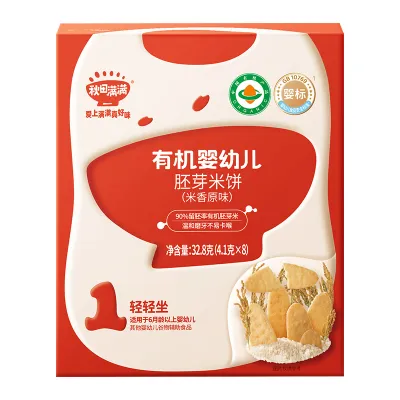
![[6-12M+] Yummybara Rice Rusks 40.8g | Light & Crispy Baby Snack | 3 Flavours Available | Value Pack](https://img.lazcdn.com/g/p/e5601d9ce6b431bb65777f2e72c1c8e2.png_400x400q80.png_.webp)
Prices are valid at publication and may change. Please refer to the product page for the latest price.
An infant’s stomach capacity is extremely small, roughly the size of their fist. If a baby fills up on low-nutrient, starchy snacks, their appetite for breastmilk, formula, or nutrient-dense solid meals will be displaced. This displacement can lead to subtle nutritional deficiencies over time, particularly in iron, zinc, and essential fatty acids. Therefore, snacks like teething rusks should not be viewed merely as pacifiers or distractions, but as active contributors to the daily nutrient intake.
Teething rusks serve a dual purpose: they provide mechanical pressure to soothe inflamed gums and help babies develop oral motor skills, such as grasping, biting, and chewing. However, if the rusk dissolves into simple sugars in the mouth, it can promote early tooth decay, even before the first teeth fully emerge. Selecting a nutritionally superior rusk ensures that as the product slowly dissolves and is swallowed, it delivers beneficial dietary fiber, vitamins, and minerals rather than empty carbohydrates.
The Nutrition Label Checklist for Baby Rusks
Evaluating the nutritional quality of a teething rusk requires a systematic approach to reading the food label. Manufacturers often use appealing buzzwords on the front packaging, but the legally mandated nutrition information panel and ingredient list on the back reveal the true composition of the product.

Sugar Content
When reviewing the ingredient list, it is vital to differentiate between naturally occurring sugars and added sugars. Intrinsic sugars, such as those naturally present within whole grains, are digested slowly and do not cause rapid spikes in blood glucose. Added sugars, however, are highly detrimental to infant health.
Parents should scan the ingredient list for hidden names of added sugars, which include:
- Maltose and Maltodextrin: Often added to improve texture and sweetness, these simple carbohydrates are rapidly absorbed by the body.
- Fruit Juice Concentrates: Frequently marketed as a natural sweetener, concentrated fruit juice behaves identically to free sugars in the body and can contribute to tooth decay.
- Syrups and Cane Sugar: Ingredients such as brown rice syrup, glucose syrup, or organic cane sugar should be entirely avoided in foods meant for infants under twelve months.
Ideally, the sugar content listed on the nutrition panel should be as close to zero grams as possible, with no added sweeteners of any kind in the ingredient list.
Sodium Levels
An infant’s kidneys are immature and cannot efficiently filter high amounts of sodium. Feeding babies salty foods can strain their renal system and establish a high threshold for salty tastes later in life. The daily recommended sodium intake for infants under twelve months is exceptionally low, and adding salt to infant foods is unnecessary.
When evaluating a rusk, compare the sodium content across brands using the “per 100g” column to ensure a fair comparison. Look for products that contain less than 120mg of sodium per 100g. Any product with added salt or sodium-based preservatives should be avoided, especially in savory-flavored rusks where salt is often used to enhance taste.
Fortification
Because babies require high amounts of specific nutrients for rapid brain and skeletal growth, fortified rusks can be highly beneficial. Fortification helps ensure that even small quantities of food provide meaningful nutritional support.
Key nutrients to look for on the ingredient list include:
- Iron: Essential for cognitive development and preventing iron-deficiency anemia.
- Calcium: Supports the development of strong bones and emerging teeth.
- Vitamin D: Aids in the absorption of calcium and supports immune function.
- B Vitamins (such as Thiamin, Riboflavin, and Niacin): Crucial for energy metabolism and neurological development.
Fiber and Whole Grains
Dietary fiber is essential for maintaining healthy digestion and preventing constipation, a common issue when babies transition to solid foods. Whole grains retain their outer bran and germ layers, which house the majority of the grain’s fiber, vitamins, and minerals.
To verify if a rusk is truly made from whole grains, check that the first ingredient listed is explicitly named as a whole grain, such as “whole grain oats,” “whole wheat flour,” or “brown rice.” Avoid products where the primary ingredient is refined “rice flour” or “wheat flour,” as these have had their fiber and natural nutrients stripped away during processing.
Comparing Rusk Ingredients: Wheat, Rice, and Oats
The base grain of a teething rusk determines its nutritional density, allergen profile, and physical texture. Understanding these differences allows parents to match the rusk to their baby’s specific developmental stage and dietary requirements.
Wheat-Based Rusks
Wheat is the traditional base for classic teething rusks. These rusks are typically double-baked to create an extremely hard, dense texture that does not easily break or splinter. This structural integrity makes them excellent for intense chewing, as they dissolve very slowly under the influence of saliva.
From a nutritional perspective, wheat-based rusks often have a higher natural protein content than rice-based options and are frequently fortified with iron and B vitamins. However, wheat contains gluten, a common allergen. Pediatric guidelines generally recommend introducing gluten intentionally alongside other solid foods from around six months of age while monitoring for any adverse reactions.
Rice-Based Rusks
Rice-based rusks, often referred to as teething wafers or melts, are highly popular due to their light, airy texture. They dissolve rapidly in the mouth, which minimizes the immediate risk of choking, making them a common choice for babies who are just starting to feed themselves.
Nutrationally, rice is naturally gluten-free and highly digestible, making it gentle on sensitive stomachs. However, refined white rice has a high glycemic index and contains very little natural fiber, protein, or micronutrients. Furthermore, parents should verify that any rice-based products they purchase comply with strict safety standards regarding heavy metals, as rice crops can naturally absorb arsenic from the soil. Choosing brands that explicitly state they test for heavy metals is a prudent step.
Oat and Multigrain Rusks
Oats and multigrain blends (which may include barley, spelt, or quinoa) offer the most robust natural nutritional profile. Oats are naturally rich in soluble fiber, particularly beta-glucans, which support gut health and provide sustained energy release rather than rapid blood sugar spikes.
These rusks typically have a slightly rougher, more textured consistency, which provides excellent sensory feedback for babies. Because they may crumble more easily than hard-baked wheat rusks, they are generally better suited for older babies who have developed more advanced chewing and swallowing coordination.
| Base Ingredient | Typical Nutritional Pros | Points to Verify on the Label | Best Suited For |
|---|---|---|---|
| Wheat | High protein content, excellent structural integrity, dissolves slowly | Check for added sugars, salt, and gluten introduction timing | Babies aged 6+ months with no gluten sensitivity who need long-lasting gum soothing |
| Rice | Hypoallergenic, exceptionally easy to digest, dissolves very quickly | Check for added sugar/salt, low fiber content, and heavy metal testing | Younger babies (6+ months) practicing self-feeding and those with sensitive tummies |
| Oats / Multigrain | High dietary fiber, rich in natural B vitamins, provides sustained energy | Check texture hardness to prevent crumbling, monitor allergen cross-contamination | Older babies (8+ months) with emerging chewing skills and active grasp |
How to Evaluate Teething Rusk Brands in Singapore
When shopping in Singapore’s supermarkets, pharmacies, and specialized baby stores, parents are faced with a wide array of local and imported brands. Navigating these options requires a practical framework tailored to the local retail environment.
First, cross-reference products with local health standards. While infant foods are subject to strict import regulations in Singapore, parents can look for products that align with the Health Promotion Board’s guidelines for low-sodium and low-sugar dietary profiles. Some infant snacks may carry local or international healthier choice logos, indicating they meet specific nutritional thresholds.
Second, pay close attention to allergen declarations. Singapore regulations require clear labeling of common food allergens. Carefully read the allergen warning section, especially if your family has a history of allergies. Look for statements indicating whether the product was manufactured on shared lines that process milk, soy, eggs, tree nuts, or peanuts, as cross-contamination can pose risks for highly sensitive infants.
Third, verify organic claims. If a brand markets itself as organic, look for recognized international certification seals on the packaging, such as the USDA Organic, EU Organic, or Australian Certified Organic (ACO) logos. Remember that an “organic” label guarantees agricultural standards—such as the absence of synthetic pesticides—but does not automatically mean the product is nutritionally balanced. An organic rusk can still contain high levels of organic sugar or sodium, so the nutrition panel must still be verified.
Finally, consider packaging functionality in relation to Singapore’s climate. The high relative humidity in Singapore can quickly cause opened, starchy snacks to absorb moisture, losing their crispness and potentially harboring mold if stored incorrectly. Look for brands that offer individually wrapped portions or high-quality, resealable zip pouches. If a product is bulk-packed without individual wrapping, ensure you have airtight glass or BPA-free plastic containers ready at home to store the rusks immediately after opening.
Safe Feeding and Choking Prevention Guidelines
While teething rusks can be highly beneficial, they must be introduced with strict adherence to safety protocols to prevent choking and support oral health. Caregivers must understand that physical developmental milestones are far more reliable indicators of readiness than chronological age alone.
Developmental Readiness
Before offering a teething rusk, verify that your baby displays the necessary developmental milestones. These include:
- Unassisted Sitting: The baby must be able to sit upright in a highchair with little to no support, maintaining stable head and neck control.
- Loss of Tongue-Thrust Reflex: The baby should no longer automatically push solid objects out of their mouth with their tongue.
- Grasping Skills: The baby should be able to pick up objects and direct them accurately to their mouth.
If these milestones are not yet met, delay the introduction of rusks and consult your pediatrician.
Supervision Rules
Active adult supervision is mandatory whenever a baby is eating. Never leave a baby alone with a teething rusk, and do not allow them to eat while lying down, crawling, or walking. Ensure the baby remains seated in an upright position.
Monitor the physical state of the rusk as the baby chews. Saliva will soften the rusk, but if a large, unsoftened piece snaps off, it can present an immediate choking hazard. If you notice a broken chunk in your baby’s mouth, calmly intervene and remove it. Discard any rusk that has become excessively soft, thin, or misshapen to prevent it from breaking off entirely.
Oral Care
Teething rusks are inherently starchy, and as they dissolve, they leave a sticky residue on a baby’s gums and emerging teeth. If left uncleaned, this residue provides a breeding ground for bacteria, leading to early childhood caries (tooth decay).
After your baby finishes a rusk, gently wipe their gums with a clean, damp washcloth or a soft silicone finger brush. Once the first teeth erupt, introduce a soft-bristled infant toothbrush with a smear of age-appropriate fluoride toothpaste, as recommended by pediatric dentists, to maintain optimal oral hygiene.
When to Stop
Discontinue the use of teething rusks immediately and seek professional medical advice if your baby exhibits any of the following signs:
- Persistent Gagging or Choking: While gagging is a normal part of learning to eat, frequent or severe gagging indicates the texture may be too challenging for their current developmental stage.
- Allergic Reactions: Watch for hives, swelling of the face or lips, vomiting, diarrhea, or difficulty breathing after consumption.
- Refusal to Swallow: If the baby consistently refuses to swallow the softened rusk or shows signs of distress during feeding, stop use and consult a healthcare professional.
Frequently Asked Questions (FAQ)
At what age can babies safely start eating teething rusks?
Most manufacturers recommend teething rusks for babies from six months of age and older. However, developmental readiness is far more important than chronological age. A baby must be able to sit upright unassisted, have excellent head control, and show active interest in self-feeding. Always consult your pediatrician before introducing new textures, and follow the specific manufacturer’s age guidelines printed on the product packaging.
Are organic teething rusks always more nutritious than conventional ones?
No, organic certification refers to the farming and manufacturing processes, ensuring that ingredients are grown without synthetic pesticides or genetically modified organisms. It does not dictate the nutritional profile. An organic teething rusk can still contain high levels of added sugar, sodium, or refined starches. Parents must still read the nutrition information panel to verify that the product meets low-sugar and low-sodium standards.
How many teething rusks should a baby eat in a day?
Teething rusks should be treated as a supplementary snack and a soothing tool, not a meal replacement. Generally, offering one rusk a day is sufficient to help soothe gums during active teething phases. Feeding too many rusks can displace essential nutrients from milk feeds and main solid meals. Always check the specific brand’s serving suggestions, monitor your baby’s overall daily food intake, and ensure that snacks do not interfere with their appetite for balanced meals.
Community discussion
Share your experience or ask a question. Comments are reviewed before publication.