
Quick Guide to Choosing a Maternity Abdominal Belt
As your pregnancy progresses, the physical strain on your lower back, pelvis, and abdominal muscles naturally increases. A maternity abdominal belt, often referred to as a pregnancy support band, is designed to alleviate this discomfort by redistributing the weight of your growing bump. Unlike postpartum shapewear or waist trainers, which aim to compress and shape the waistline, a prenatal support belt focuses entirely on providing gentle upward lift and stabilizing the pelvic region.
When shopping in Singapore, whether you are browsing physical maternity boutiques or online marketplaces, finding a trusted brand requires looking beyond marketing claims. You need to focus on brands that offer clear sizing guidelines, ergonomic structures, and transparent material sourcing. The three primary comfort indicators to verify before making a purchase are fabric breathability, adjustability, and pressure distribution.
Essential Features for All-Day Comfort
Fabric and Breathability in Humid Climates
Singapore’s tropical climate, characterized by high temperatures and humidity, makes fabric selection a critical comfort factor. When wearing an extra layer around your midsection, heat and sweat can easily become trapped, leading to skin irritation, heat rash, or chafing. Look for lightweight, moisture-wicking materials that promote airflow.
Products mentioned in this guide
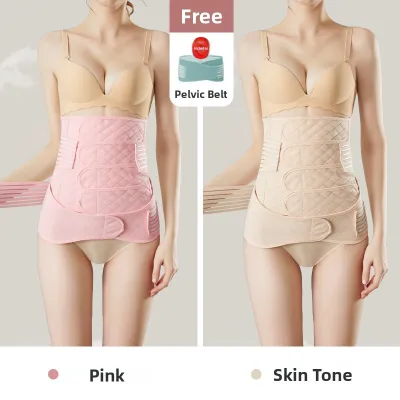
![[SG Stock] Postpartum Belly Wrap Belly Shrink Abdominal Belt Waist Girdle Shaping After C-section and Natural Birth](https://img.lazcdn.com/g/p/3644ab55af001075d9ec5bb10bc45a9d.jpg_400x400q80.jpg_.webp)
Prices are valid at publication and may change. Please refer to the product page for the latest price.

Blends that incorporate bamboo viscose, high-quality cotton, or specialized breathable mesh panels allow for optimal ventilation. Avoid heavy, solid synthetic bands that do not feature ventilation holes or moisture-management properties. Choosing a breathable fabric ensures you can wear the support garment comfortably throughout the day without overheating.
Adjustability and Fit for a Growing Bump
Your body changes rapidly during the second and third trimesters, meaning a fixed-size band will quickly become obsolete or uncomfortable. Opt for abdominal belts that feature dual-adjustment mechanisms. These typically consist of a main supportive band and secondary tension straps on the sides.
This design allows you to customize the level of compression and support as your day progresses, accommodating your growing bump without causing the belt to roll up, slide down, or bunch at the waist. It also ensures the belt can adapt to your changing shape over several months, providing consistent value.
Support Distribution and Ergonomic Design
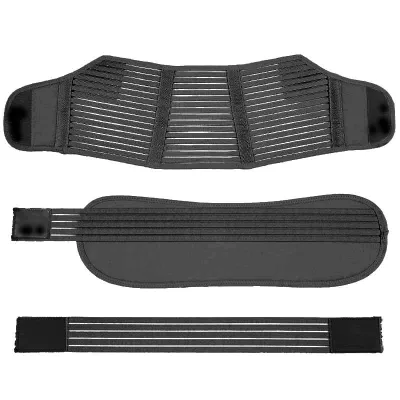
A simple elastic band often concentrates pressure on a narrow strip of your back or lower abdomen, which can worsen localized pain. High-quality ergonomic belts utilize wide back panels and targeted compression zones. By spreading the support across a larger surface area of your lower back and hips, the belt mimics the natural support of your abdominal muscles.
This distributed pressure helps reduce strain on the sacroiliac joints and the lumbar spine. When evaluating a belt, look for designs that feature reinforced back bracing or curved front panels that contour naturally to the lower curve of your abdomen.
Seamless Construction and Edge Design
The edges of a support belt are common friction points that can cause discomfort during daily movement. If the seams are thick or the edges are bound with stiff, scratchy thread, they can dig into your skin, especially when you sit down. Look for seamless construction, flat-locked seams, and soft, bonded edges.
These features ensure the belt remains comfortable against your skin or thin undergarments, preventing painful red marks and allowing you to move freely. A smooth exterior also prevents the belt from catching on your outer clothing, maintaining a discreet profile.
How to Verify Brand Trust and Product Safety
Professional Endorsements and Clinical Input
Reputable maternity wear brands often collaborate with healthcare professionals, such as obstetricians, women’s health physiotherapists, or ergonomic specialists, during the product development phase. When evaluating a brand, check their official website or product documentation for mentions of professional design input or endorsements from recognized maternal health organizations.
This indicates that the belt’s structure is anatomically sound and designed with maternal safety in mind. Brands that invest in professional consultations are more likely to produce garments that offer genuine therapeutic benefits rather than simple cosmetic support.
Material Safety and Non-Toxic Certifications
Because the belt sits close to your skin—and potentially directly against it—ensuring the materials are free from harmful chemicals is essential. Look for recognized independent textile certifications, such as the OEKO-TEX Standard 100 label, on the product packaging or online listings.
This certification verifies that every component of the product, from the fabric to the thread and fasteners, has been tested for harmful substances and is safe for prolonged skin contact. Verifying these safety labels provides peace of mind, especially for mothers with sensitive skin or allergies.
Analyzing User Reviews and Feedback
Online marketplaces are filled with options, but not all reviews are genuine. To find a truly comfortable belt, look for detailed, verified-purchase reviews that discuss long-term durability, fabric performance after washing, and comfort during specific activities like walking or sitting at an office desk.
Be cautious of listings with thousands of generic, overly enthusiastic reviews that lack specific details about the product’s fit or material quality. Real user feedback often highlights practical pros and cons, helping you make a more informed decision.
Return Policies and Customer Support
Finding the perfect fit can be challenging, as sizing charts vary between brands. A trusted maternity brand will typically offer a clear, flexible return or exchange policy, especially for sizing issues. Before purchasing, verify the terms of exchange.
Brands that stand behind their products will make it easy for you to swap an ill-fitting belt for the correct size, ensuring you do not end up with a supportive garment that is either too tight or too loose to be effective. Reliable customer support is a strong indicator of a brand’s commitment to maternal comfort.
Proper Fitting and Daily Usage Guidelines
Correct Positioning Under the Bump
To get the most benefit from your abdominal belt, correct positioning is vital. The main band should sit low on your hips, cradling the underside of your bump. It should run horizontally across your lower pelvis and wrap around to your lower back.
Avoid placing the belt directly across the middle of your abdomen, as this can apply downward pressure on your uterus and bladder rather than providing the intended upward lift. Proper positioning ensures the weight of the baby is distributed evenly across your pelvis and lower back.
The Tension and Comfort Check
Once the belt is positioned, perform a quick tension check. The belt should feel snug and supportive, similar to a firm hug, but it must never feel restrictive. You should be able to slide two fingers easily between the belt and your skin.
If you feel any restriction in your breathing, deep discomfort, or a sensation of pressure pushing downward into your pelvis, loosen the straps immediately. The goal is gentle support, not intense compression.
Managing Wear Time and Muscle Engagement
While an abdominal belt provides excellent relief, it is not intended for continuous, 24-hour wear. Relying on the belt constantly can cause your core and lower back muscles to become underactive, potentially leading to muscle weakness over time.
Limit your wear time to a few hours at a time, particularly during periods of high physical activity, standing, or walking. Take regular breaks to allow your muscles to engage naturally and your skin to breathe, maintaining a healthy balance between external support and muscle strength.
Styling and Layering Under Clothing
Depending on your outfit and personal preference, you can wear the belt either under or over your clothing. If you prefer wearing it directly against your skin, ensure the fabric is hypoallergenic and seamless to prevent irritation.
If you wear it over a thin maternity camisole or undergarment, it can help minimize friction and make it easier to adjust the belt throughout the day without needing to fully undress. This layering technique is particularly useful when transitioning between air-conditioned indoor spaces and the humid outdoor environment in Singapore.
Safety Boundaries: When to Stop or Consult a Professional
While maternity abdominal belts are highly beneficial for managing pregnancy-related discomfort, they are not suitable for everyone or every situation. You should immediately remove the belt if you experience any signs of restricted circulation, such as numbness, tingling, or coldness in your legs or pelvic region. Similarly, if you notice skin irritation, persistent red marks, or an increase in pelvic or abdominal pain, stop using the belt.
Certain medical conditions and high-risk pregnancy factors may make wearing a support garment contraindicated. For instance, individuals with circulatory disorders, severe skin conditions, or specific placental complications should exercise extreme caution. Always consult your obstetrician, gynecologist, or a qualified women’s health physiotherapist before introducing a compression garment into your daily routine. They can provide personalized guidance based on your physical health and pregnancy progression to ensure the belt is used safely and effectively.
Frequently Asked Questions (FAQ)
Can I wear a maternity abdominal belt while sleeping?
It is generally discouraged to wear a supportive abdominal belt while sleeping or lying down for extended periods. When you are horizontal, the gravitational pull on your bump changes, reducing the need for upward support. Furthermore, wearing a compression garment while sleeping can restrict blood circulation and limit your natural movement during rest. Always refer to the manufacturer’s specific usage instructions, and prioritize comfortable body pillows for support during sleep instead.
Will an abdominal belt weaken my core muscles?
Using an abdominal belt continuously without breaks can lead to muscle dependency, as your core and back muscles rely on the external support rather than engaging naturally. To prevent this, use the belt as a temporary tool for pain relief during active hours rather than a permanent brace. Combine its use with safe, pregnancy-approved core and pelvic floor exercises, ideally guided by a qualified physiotherapist, to maintain your natural strength throughout your pregnancy journey.
Community discussion
Share your experience or ask a question. Comments are reviewed before publication.