
When babies transition from crawling to pulling themselves up, cruising, and eventually walking, their environments suddenly present new physical hazards. In Singapore homes, where space-saving layouts often feature sharp wall corners, structural columns, and hard concrete surfaces, installing reliable wall bumper guards is a crucial step in creating a secure play area. However, finding the best wall bumper guard brands is not merely a matter of picking the most popular name on a shelf. A truly effective safety solution requires parents to evaluate material non-toxicity, adhesive performance under local environmental conditions, and compatibility with specific wall finishes. By focusing on verifiable product specifications and practical testing, caregivers can select bumper guards that offer robust impact protection without compromising indoor air quality or damaging home surfaces.
Key Criteria for Evaluating Wall Bumper Guard Brands
Selecting a high-quality wall bumper guard brand requires a systematic evaluation of the materials used, the physical design of the product, and the reliability of the adhesive. Because infants and toddlers naturally explore their surroundings by touching and sometimes chewing on accessible surfaces, material safety must be your primary consideration. When evaluating different brands, look for clear, manufacturer-provided labels indicating that the products are free from harmful chemicals such as bisphenol A (BPA), phthalates, heavy metals, formamide, and flame retardants. Since these safety claims are voluntary and often used loosely in marketing, responsible caregivers should look for brands that make their independent laboratory testing reports accessible to the public rather than relying solely on front-of-pack slogans.
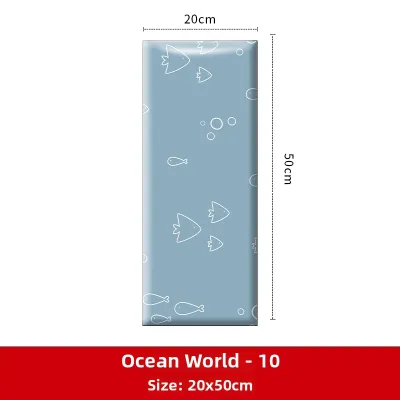
Beyond chemical safety, the physical construction of the bumper guard determines its ability to disperse impact energy and protect a falling child. High-density foam, typically made from nitrile butadiene rubber (NBR), is highly effective for broad wall edges, pillars, and low-lying ledges because its dense cellular structure compresses under force, absorbing the brunt of a collision. For tighter spaces, narrow wall corners, or glass panels, thick silicone guards offer a more compact, low-profile alternative. Silicone is highly resilient, retains its shape over long periods, and is significantly more resistant to tearing or biting than soft foam, making it an excellent choice for toddlers who are actively teething.
Products mentioned in this guide
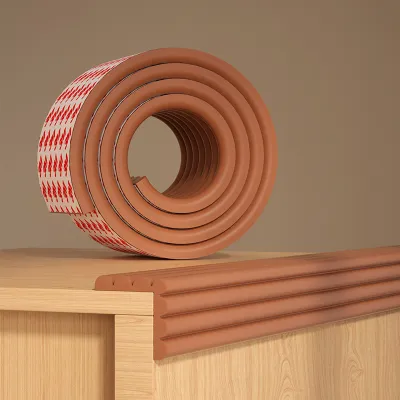
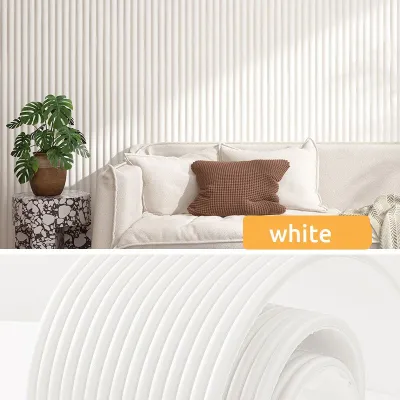
![[SG SELLER] Anti-Collision Wall Bumper/Cushion 3D Anti-collision Wall Stickers Childrens Room/Nursery PU Waterproof](https://img.lazcdn.com/g/p/636bcf71c76ac7ed0e251cc2af2da5ea.jpg_400x400q80.jpg_.webp)
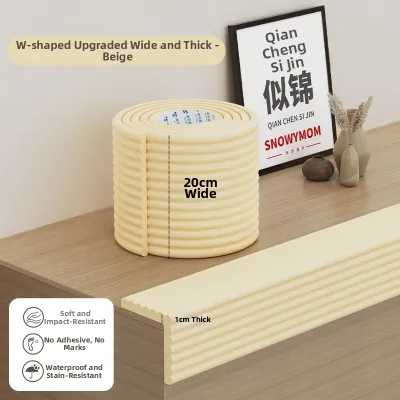
Prices are valid at publication and may change. Please refer to the product page for the latest price.
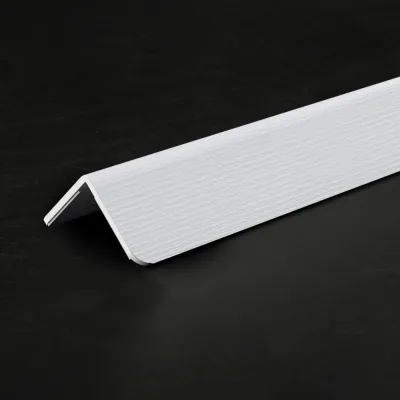
In addition to material composition, the physical profile of the guard must match the geometry of the surface you need to protect. Brands typically offer L-shaped profiles for standard 90-degree wall corners, U-shaped profiles for thin glass shelves or metal frames, and flat, wide rolls for broad columns or flat wall surfaces. Choosing the wrong profile can lead to improper fitment, which creates gaps where dust can accumulate and where small fingers can pry the guard away from the wall. Carefully measure the width and angle of your walls before purchasing to ensure the brand you choose offers the correct shape and dimensions for your specific layout.
The adhesive backing is another critical component that directly impacts both safety and convenience. A bumper guard that easily peels away not only fails to protect your child but also becomes a serious choking hazard if a toddler manages to pull off a loose strip. Acrylic-based adhesives generally offer superior resistance to temperature fluctuations and humidity, providing a highly stable, long-term bond on most smooth surfaces. In contrast, rubber-based adhesives often provide a very strong initial tack but can degrade faster when exposed to warmth and moisture, potentially sliding or lifting over time. When comparing brands, check whether they use reputable, branded adhesive tapes and whether they provide extra adhesive strips in the package for future adjustments.
Finally, look for brands that reference recognized international safety standards to validate their quality claims. Standards such as the European Standard EN 71 (specifically Part 3, which regulates the migration of certain chemical elements in children’s products) or ASTM International standards indicate that the product has undergone rigorous testing for physical hazards and chemical safety. Because certifications can be easily claimed without proof on online marketplaces, always verify these assertions by checking the manufacturer’s official website or requesting the specific test report from the seller before making a purchase.
Adapting to Singapore Homes: Climate and Wall Surfaces
The performance of any wall bumper guard brand is heavily influenced by the environment in which it is installed. Singapore’s tropical climate, characterized by consistently high relative humidity and warm ambient temperatures, presents a unique challenge for pressure-sensitive adhesives. High moisture levels in the air can interfere with the initial curing process of the adhesive, preventing it from forming a complete molecular bond with the wall surface. To ensure long-term stability, look for brands that specify moisture-resistant adhesive backings or those that recommend extended curing times specifically for humid environments.

Furthermore, many households in Singapore run air conditioning intermittently, leading to rapid fluctuations in indoor temperature and humidity throughout the day. This constant cycle of cooling and warming causes subtle expansion and contraction of both the wall materials and the bumper guards themselves. This physical stress can cause lower-quality adhesives to dry out, become brittle, or lose their grip entirely. Selecting a brand that utilizes high-performance, temperature-stable acrylic adhesives is essential to ensure the guards remain firmly attached despite these daily environmental shifts.
The type of wall surface in your home also plays a decisive role in determining which bumper guard brand will perform best. Residential construction in Singapore commonly features painted concrete walls, drywall partitions, or textured plaster finishes. Smooth, non-porous surfaces like drywall painted with low-VOC satin or semi-gloss paint generally accept adhesives very well. However, highly textured plaster, brick, or walls painted with matte, chalky, or easy-clean “teflon-like” paints can severely inhibit adhesive bonding, causing the bumper guard to fall off prematurely. Conversely, some heavy-duty adhesives bond so intensely to painted concrete that they can peel away the paint layer or even damage the underlying plaster during removal.
To prevent unexpected damage to your home’s interior, always plan a small-scale pre-purchase or pre-installation test. If possible, purchase a small sample pack or use a small, inconspicuous section of the adhesive tape provided by the brand to perform a localized patch test. Apply the test strip to a hidden area of the wall, such as behind a large piece of furniture or near the baseboard, and leave it in place for forty-eight hours. Afterward, check for any signs of lifting, sliding, or paint damage upon removal. This simple step allows you to verify the compatibility of the brand’s adhesive with your specific wall paint before committing to a full-scale installation across your living spaces.
Where to Source and Verify Reliable Brands
With the abundance of baby-proofing products available online, navigating the market requires a cautious and methodical approach to avoid counterfeit or substandard goods. To ensure product authenticity and access to valid manufacturer warranties, always purchase wall bumper guards directly from official brand storefronts on reputable e-commerce platforms or from established local specialty baby boutiques in Singapore. Authorized distributors are much more likely to supply genuine products that comply with local safety regulations, and they can provide reliable customer support if you encounter issues with the adhesive or material quality.
When browsing product listings on online marketplaces, look past the overall star rating and focus on detailed, verified buyer reviews. Pay close attention to feedback from local buyers, as their experiences will give you a realistic picture of how the product’s adhesive holds up under Singapore’s humid conditions. Look for recurring complaints regarding strong chemical odors upon opening the packaging, rapid material tearing, or guards that fall off within a few days of installation. A pattern of such complaints is a clear indicator of poor manufacturing quality or degraded adhesive stock, suggesting you should look at alternative brands.
If a brand claims to be non-toxic, eco-friendly, or certified to international safety standards but does not display the relevant documentation on their product page, do not hesitate to contact the seller directly. Reputable manufacturers who invest in independent laboratory testing will readily provide copies of their safety test reports or certificates of analysis to reassure safety-conscious parents. If a seller refuses to provide this documentation, ignores your request, or provides vague answers, it is safer to assume the claims are unverified and choose a brand that prioritizes transparency.
Installation and Maintenance for Maximum Safety
Proper installation is critical to ensuring that your chosen wall bumper guards perform as intended and remain securely in place. Begin by thoroughly cleaning the target wall surface to remove all dust, grease, fingerprints, and wall chalk. Use a microfiber cloth dampened with mild soap and water, or a diluted isopropyl alcohol solution if your paint manufacturer permits it, and allow the surface to dry completely. Even a tiny amount of residual moisture or dust can trap air pockets beneath the adhesive tape, severely weakening the bond and causing the guard to peel away over time.
When wrapping bumper guards around 90-degree corners, cutting precise 45-degree miter joints is highly recommended. Simply bending a thick foam or silicone guard around a sharp corner creates internal physical tension that constantly pulls the material away from the wall, putting unnecessary strain on the adhesive. By cutting clean miter joints at the corners, you eliminate this tension, allowing the guard to sit flat against both wall faces and ensuring the adhesive bond remains secure over the long term.
Once the wall is completely dry and the pieces are cut, apply the adhesive tape to the guard, peel off the backing, and press the guard firmly against the wall, applying even pressure along the entire length for at least thirty seconds to activate the pressure-sensitive adhesive. It is vital to allow the adhesive to cure fully—typically for a minimum of twenty-four hours—before allowing your baby or toddler near the protected area. Touching, pulling, or bumping the guard during this initial curing phase can permanently compromise the bond, leading to early detachment.
Baby-proofing is an ongoing responsibility that requires regular monitoring and maintenance. Caregivers should establish a weekly routine to inspect all installed wall bumper guards for early signs of wear, such as peeling edges, cracking foam, or loose corners. If a guard becomes partially detached, it must be repaired or replaced immediately, as loose pieces can easily become choking hazards or be swallowed by curious children. If you notice your child biting or picking at the foam guards, stop using them immediately and switch to a more durable, bite-resistant silicone alternative. Remember that safety products are designed to assist caregivers, not to replace active adult supervision, which remains the most critical element of baby safety.
Frequently Asked Questions (FAQ)
Can wall bumper guards damage paint when removed?
Yes, strong adhesives can pull away paint, primer, or plaster during removal, especially on older walls or concrete surfaces. To minimize the risk of damage, use a hairdryer on a low-heat setting to gently warm and soften the adhesive before slowly peeling the guard away at a shallow angle. Avoid pulling the guard straight outward, and use a plastic scraper or a mild adhesive remover to clean up any remaining residue according to the manufacturer’s instructions.
Are foam or silicone bumper guards better for sharp corners?
Foam guards are generally better for broad edges, columns, and high-impact zones because their thick, cushioned profile provides superior shock absorption for active toddlers. Silicone guards are ideal for tight, sharp corners, glass tables, or low-profile areas where a highly durable, bite-resistant, and less conspicuous material is preferred.

Community discussion
Share your experience or ask a question. Comments are reviewed before publication.