
Selecting the right toddler safety helmet requires matching your child’s developmental stage to the physical demands of their daily activities. As toddlers transition from taking their first tentative steps indoors to riding balance bikes along outdoor paths, their safety needs shift dramatically. A helmet designed for a wheeled toy can place excessive strain on an early walker’s neck, while a soft walking cap offers virtually no protection against a hard outdoor fall. Understanding these distinct requirements is the first step in keeping your child safe and comfortable.
In Singapore’s warm and humid climate, selecting a helmet also involves balancing physical protection with thermal comfort. A toddler who gets too hot will quickly become fussy and attempt to pull the helmet off, rendering it useless. By evaluating materials, ventilation, and structural designs, you can select a protective gear setup that your child will actually wear willingly during their daily adventures.
Quick Guide: Matching Helmets to Toddler Activities
No single helmet design is universally optimal for every stage of a child’s early development. During the first stages of mobility, such as crawling, cruising, and early walking, falls are typically frequent, low-velocity, and occur from the child’s own height onto indoor surfaces. For this stage, a toddler safety helmet must be ultra-lightweight, highly breathable, and constructed with soft, flexible cushioning. These soft protective caps are designed to absorb light bumps against furniture corners or tiled floors without adding unnecessary weight to a developing neck.
Products mentioned in this guide
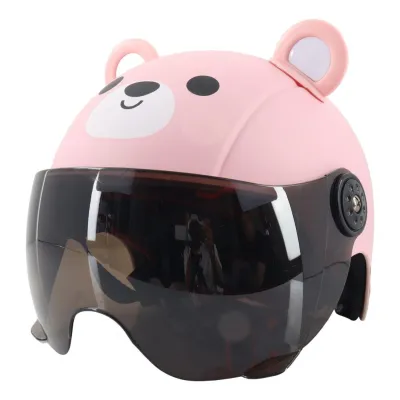
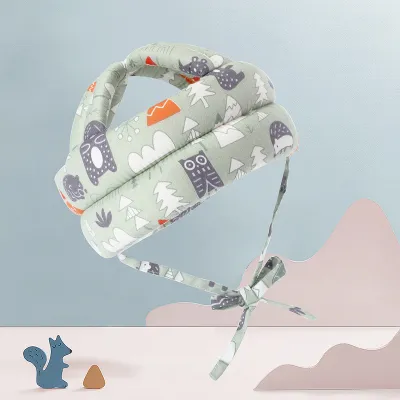
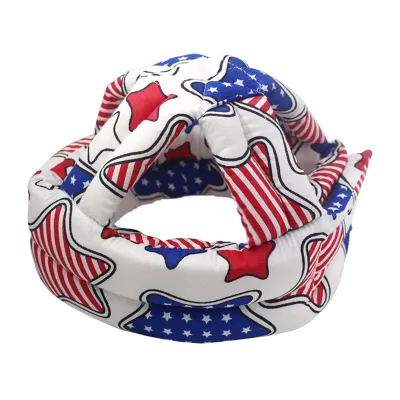
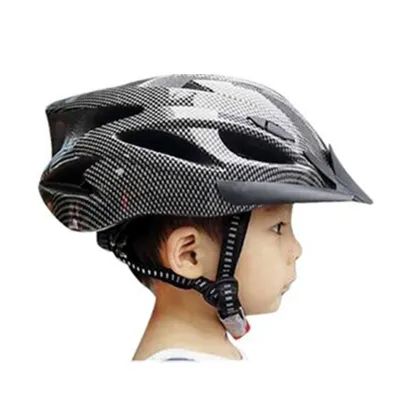
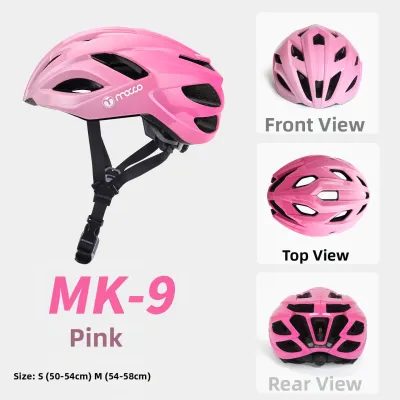
![[SG SELLER] KIDS ADJUSTABLE GEAR HELMETS FOR SCOOTER BICYCLE ROLLER BLADE SKATEBOARD ETC. [394][465]](https://img.lazcdn.com/g/p/eacfff7e222995b2698a1145f6f17530.jpg_400x400q80.jpg_.webp)
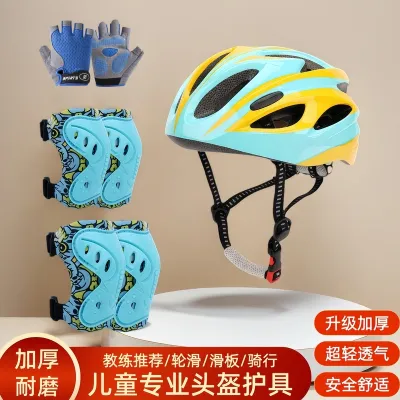
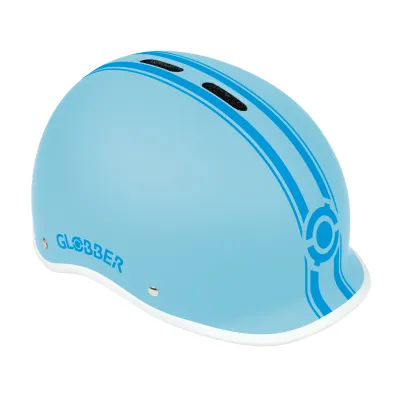
Prices are valid at publication and may change. Please refer to the product page for the latest price.
Conversely, once a toddler graduates to active riding toys, balance bikes, or tricycles, the dynamics of a potential fall change completely. The child moves at higher speeds, outdoors, and on hard surfaces like concrete or asphalt. This scenario requires a hard-shell helmet featuring a rigid outer layer and an impact-absorbing expanded polystyrene (EPS) foam liner. These helmets also require secure, multi-point retention strap systems to ensure the helmet remains locked in place during a sudden tumble.
When choosing any protective headwear, proper fit and strict adherence to the manufacturer’s stated age, weight, and head circumference limits are the most critical factors. A helmet that is too loose will slide out of position during a fall, while one that is too tight will cause discomfort and head pressure. Always measure your child’s head and consult the manufacturer’s specific sizing guidelines rather than relying on age estimates alone.
Helmet Requirements by Activity and Developmental Stage
To make an informed decision, parents must understand how a toddler’s physical development dictates the structural features needed in a helmet. Head protection is not a one-size-fits-all product category, and using the wrong type of helmet for an activity can introduce new safety risks.

Learning to Walk and Early Mobility
During the early walking phase, a toddler’s neck muscles and cervical spine are still developing. Standard bicycle helmets are far too heavy for this stage, as the added weight can alter the child’s center of gravity, make them top-heavy, and actually increase the frequency of falls. Soft, ultra-lightweight walking helmets—often weighing less than 100 grams—are specifically engineered to prevent neck strain while providing basic coverage for the forehead and the back of the head.
These early-mobility helmets rely on thick, soft inner foam or fabric-covered bumpers. This cushioning is optimized for frequent, low-impact bumps against common household obstacles like coffee tables, door frames, and tiled floors. Because these falls occur at low speeds, the primary goal of the helmet is to prevent minor bruises, cuts, and the immediate distress of minor bumps, rather than absorbing high-velocity kinetic energy.
In Singapore’s tropical climate, high breathability is an absolute necessity for indoor and outdoor play. Look for soft helmets featuring deep ventilation channels, open-top designs, and moisture-wicking fabric liners. Adequate airflow prevents sweat buildup, which can cause heat rash, itching, and general discomfort. Ensure that any fabric elements in contact with the skin are hypoallergenic and highly breathable to maintain a healthy skin barrier.
It is important to clarify that soft protective caps are strictly intended for low-speed, low-height indoor play and early walking practice. They do not possess the structural rigidity or impact-absorbing liners required to protect against high-speed impacts, falls from heights, or outdoor wheeled activities. Once your child begins using wheeled toys, you must transition them to a certified hard-shell helmet.
Riding Toys, Balance Bikes, and Tricycles
As toddlers transition to riding toys, balance bikes, and tricycles, their speed increases, and the environment shifts to outdoor pavements, playgrounds, and parks. Falls from these toys involve greater kinetic energy and unpredictable impact angles. To protect against these forces, a riding helmet must feature either a hard-shell ABS plastic outer layer or a reinforced, in-mold polycarbonate construction fused directly to an EPS foam liner.
Secure retention is critical when a child is moving dynamically. Riding helmets must feature a multi-point strap system—typically a three-point or five-point harness—that secures the helmet firmly to the head. The buckles must be sturdy, easy for an adult to operate, but secure enough that a toddler cannot easily undo them while riding. This ensures the helmet remains in the correct protective position even during a multi-directional fall.
Backward falls are particularly common when toddlers lose their balance on tricycles or ride-on toys, making extended rear coverage essential. Look for helmets designed with a dropped rear profile that extends downward to protect the occipital region at the base of the skull. This design feature provides a crucial barrier between the hard pavement and the most vulnerable area of the back of the head.
Before purchasing any riding helmet, you must verify the manufacturer’s specified weight, age, and head circumference limits. Never buy a larger helmet with the intention of letting your child “grow into it.” An oversized helmet will tilt, slide, or fall off entirely during an impact, leaving your child unprotected when they need it most.
Essential Safety Standards and Fit Checks
Evaluating safety claims requires looking past marketing language and verifying international safety certifications. A high-quality toddler safety helmet should carry clear, traceable safety standards marked on the product shell or the inner lining.
When shopping for a riding helmet, look for recognized international safety standards such as US CPSC 1203 (Consumer Product Safety Commission), European EN 1078, or Australian/New Zealand AS/NZS 2063. These certifications indicate that the helmet model has undergone rigorous impact testing, strap strength retention tests, and peripheral vision evaluations. For soft walking caps, check for certifications indicating that the fabrics and foams used are non-toxic, lead-free, and safe for close skin contact.
To ensure the helmet performs as designed, you must achieve a perfect fit. Use the practical “two-finger rule” to verify the positioning of a riding helmet:
- Forehead Position: The front edge of the helmet must sit level on the head, approximately two finger-widths above the child's eyebrows. If it sits higher, the forehead is exposed; if lower, it may obstruct vision.
- Side Straps: The side straps must form a clean "Y" shape that meets just below and slightly in front of each earlobe. The straps should lie flat against the face without twisting.
- Chin Strap: Buckle the chin strap and ensure it is snug. You should be able to fit exactly two fingers flat between the strap and your child's chin when their mouth is closed. When the child opens their mouth wide, the helmet should pull down slightly on the head.
To find the correct helmet size, you must accurately measure your toddler’s head circumference. Use a flexible, non-stretch measuring tape and wrap it horizontally around the widest part of the child’s head—approximately one inch (2.5 cm) above the eyebrows and across the most prominent part at the back of the skull. Keep the tape level and snug, but not tight. Take this measurement two or three times to ensure consistency before comparing it to brand-specific sizing charts.
Even a certified helmet will fail to protect your child if it is poorly fitted. Regularly inspect how the helmet sits during play and watch for clear warning signs of an improper fit:
- Red Marks: Deep red marks or indentations on the forehead, temples, or under the chin indicate the helmet is too tight or the internal shape does not match your child's head structure.
- Excessive Shifting: If the helmet moves more than an inch (2.5 cm) forward, backward, or side-to-side when your child shakes their head, the fit is too loose.
- Backward Tilting: If the helmet naturally slides backward, exposing the forehead, the straps are improperly adjusted or the helmet is too large.
Evaluating Toddler Helmet Brands and Models
When navigating the retail market in Singapore, parents should prioritize brands that demonstrate transparency, quality construction, and long-term usability. A reputable brand will provide clear documentation and features that simplify daily use.
Look for brands that publish detailed, transparent sizing charts with exact centimeter measurements rather than generic “small” or “medium” labels. The manufacturer’s documentation should clearly state the weight of the helmet, the materials used, and the specific safety standards the product complies with. If a brand hides this information or uses vague marketing terms without specifying certified standards, it is best to look elsewhere.
Adjustable dial-fit systems located at the rear of the helmet are highly valuable for growing toddlers. These systems allow you to make micro-adjustments to the internal tension band of the helmet with a simple turn of a wheel. This feature accommodates rapid growth spurts, changes in hairstyle, and slight variations in head shape, ensuring a snug, customized fit over several months of use.
Consider the availability of replacement parts and maintenance accessories when choosing a brand. High-quality helmets often feature removable inner padding secured by hook-and-loop fasteners. Brands that sell replacement padding kits or washable liner replacements extend the usable life of the helmet, allowing you to refresh sweaty, worn-out interior components without needing to purchase an entirely new helmet.
Avoid purchasing second-hand helmets or unbranded products from discount online marketplaces. Second-hand helmets may have suffered internal structural damage—such as micro-cracks in the EPS foam from a drop or impact—that is completely invisible to the naked eye but severely compromises safety. Unbranded products often lack traceable manufacturer details, certified safety labels, and quality control, presenting an unacceptable risk to your child’s safety.
Daily Use, Care, and When to Replace
Proper maintenance preserves the structural integrity of a toddler safety helmet and ensures it remains hygienic over time. Sweat, dirt, and hair oils can degrade materials if left uncleaned, especially in Singapore’s humid climate.
To clean the helmet safely, follow these low-risk steps:
- Outer Shell: Wipe the plastic or fabric exterior with a soft microfiber cloth dampened with lukewarm water and a tiny drop of mild, pH-neutral soap. Avoid abrasive sponges that can scratch the surface.
- Inner Padding: If the inner pads are removable, detach them gently and hand-wash them in cool water using a mild baby detergent. Squeeze out excess water gently without twisting, and allow them to air-dry completely in a well-ventilated indoor space.
- Straps: Clean the chin straps by wiping them with a damp cloth. Ensure no soap residue remains on the straps, as this can irritate your toddler's sensitive skin.
Never use harsh chemicals, solvents, bleach, or aerosol sprays on any part of the helmet. These substances can chemically react with the protective EPS foam or the outer polycarbonate shell, causing the materials to become brittle and lose their impact-absorbing capabilities. Additionally, never place any part of the helmet in a washing machine or an electric clothes dryer, as high heat and mechanical agitation will warp the structural components.
There are several non-negotiable triggers that require the immediate replacement of a toddler helmet. First, replace the helmet immediately after any significant impact, crash, or hard drop onto a solid surface, even if there is no visible damage. The internal EPS foam is designed to crush and absorb impact energy once; after an impact, that section of foam remains compressed and cannot protect the head a second time.
Second, inspect the helmet regularly and replace it if you notice any signs of physical wear, such as frayed straps, cracked plastic buckles, malfunctioning adjustment dials, or visible cracks in the inner foam liner. Finally, always replace the helmet once your child’s head circumference or weight exceeds the manufacturer’s specified maximum limits. Always refer to the specific care and replacement instructions provided in your product’s official manual.
Frequently Asked Questions (FAQ)
Can my toddler use a standard bicycle helmet for learning to walk?
No, standard bicycle helmets are not suitable for toddlers who are learning to walk. Bicycle helmets are designed for high-velocity outdoor impacts and are significantly heavier, which can strain a toddler’s developing neck muscles and alter their balance. Additionally, they lack the soft, lightweight, all-around fabric or foam cushioning required to protect against the frequent, low-height, multi-directional bumps typical of indoor walking practice.
How often should I measure my toddler's head to check helmet fit?
You should measure your toddler’s head circumference and check the helmet’s fit every two to three months during phases of rapid physical growth. However, you should perform an immediate fit check if you observe the helmet leaving red marks on your child’s skin, slipping forward over their eyes, tilting backward, or if your child frequently pulls at the helmet or shows signs of physical discomfort while wearing it.
Community discussion
Share your experience or ask a question. Comments are reviewed before publication.