
Creating a safe environment for a growing baby is a top priority for parents in Singapore. As infants transition from crawling to taking their first tentative steps, their balance is unsteady, and their head height aligns perfectly with the sharp corners of coffee tables, dining sets, and TV consoles. In many local apartments, where compact layouts and hard flooring materials like ceramic tiles, polished marble, or vinyl are common, a minor slip can lead to a painful bump. Installing table corner protectors is a practical, low-cost way to cushion these impact points and provide peace of mind during this active developmental stage.
While corner guards are simple devices, finding the right option for your home requires balancing several practical factors. The ideal protector must stay securely attached despite curious fingers, absorb impact effectively, and avoid damaging your furniture when it is eventually removed. Because no single material or design fits every household, understanding the trade-offs between different options will help you make an informed choice that suits your living space and your child’s developmental needs.
Key Criteria for Evaluating Table Corner Protectors
Before purchasing any corner protectors, it is helpful to establish a baseline of safety, durability, and furniture compatibility. The primary function of a corner guard is shock absorption. When a toddler falls, the protector must decelerate the impact force to prevent serious bruising or cuts. The effectiveness of this cushioning depends heavily on the material’s density and thickness. Thinner protectors may bottom out under a heavy impact, while overly hard materials might not deform enough to cushion a fall. Consider the height of your tables relative to your child’s current height to determine where the highest risk zones are located.
Products mentioned in this guide
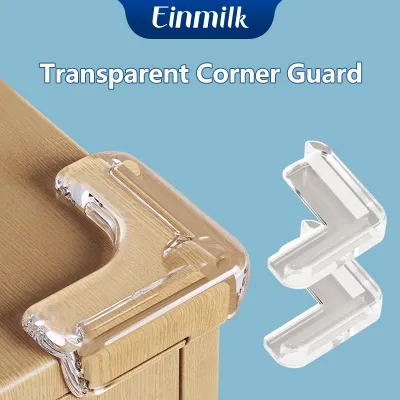
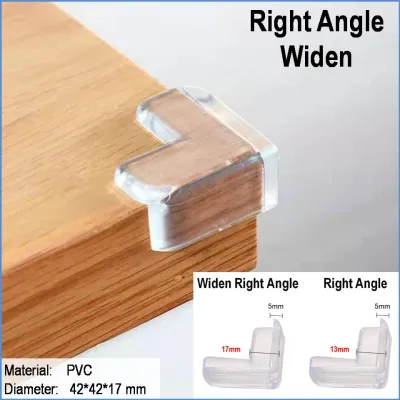
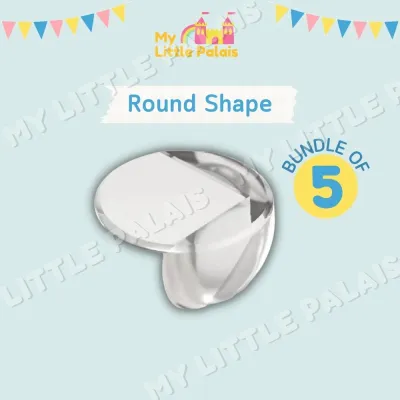
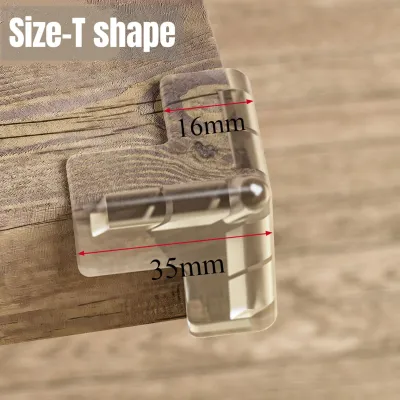
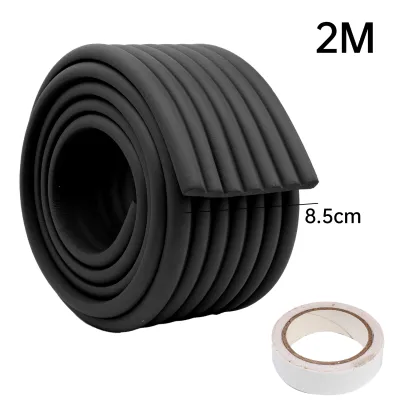
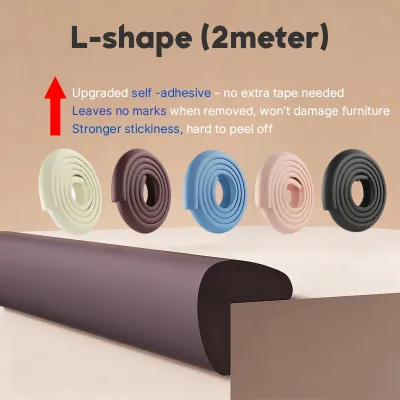
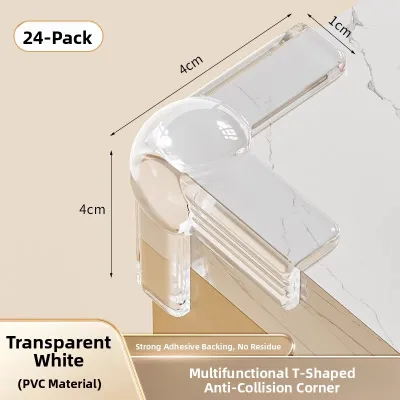
Prices are valid at publication and may change. Please refer to the product page for the latest price.
Adhesive quality is another critical factor, especially in Singapore’s warm and humid climate. High humidity can cause low-quality adhesives to soften, slip, or lose their grip entirely, allowing the protector to fall off or be easily pulled away by a baby. Look for products that utilize high-quality, double-sided acrylic or silicone-based tapes. These adhesives are designed to form a strong bond with various surfaces while remaining stable under ambient moisture. Additionally, verify whether the manufacturer provides instructions for residue-free removal, as some industrial-strength glues can permanently mar wood finishes or leave stubborn, sticky patches.
Finally, the profile design and edge coverage of the protector must match your furniture’s shape. Corner guards generally come in three main profiles: L-shape, ball-shape, and U-shape. L-shaped protectors cover the top and side edges of a standard 90-degree corner. Ball-shaped or spherical guards provide a rounded cushion over the exact corner point, making them highly effective for three-way corners. U-shaped protectors wrap around the top, edge, and bottom of a surface, which is particularly useful for thin glass tables or metal shelving. Measuring the thickness of your table edges beforehand ensures you select a profile that fits snugly without leaving gaps.
Comparing Common Protector Materials and Designs
Selecting the right material involves balancing safety performance with your home’s aesthetic preferences. The three most common materials used for baby-proofing corner guards are silicone/rubber, foam/EVA, and clear PVC/acrylic. Each material offers distinct advantages in terms of impact resistance, durability, and visual integration, as well as specific limitations that parents should consider before making a decision.

Silicone and Rubber Options
Silicone and rubber corner protectors are highly favored for their durability and flexible nature. These materials can be molded into various shapes, including discreet, semi-transparent designs that blend easily with modern or minimalist furniture. Because silicone is highly resilient, it maintains its shape and cushioning properties even after repeated impacts, making it an excellent choice for high-traffic areas like dining tables or kitchen countertops.
However, parents must consider potential chewing hazards. Teething babies are often drawn to the soft, rubbery texture of silicone and may attempt to bite or chew on the protectors. While high-quality silicone is generally tough, it is essential to inspect these guards regularly for any signs of tearing or puncture marks. If a baby manages to bite off a piece of a damaged silicone protector, it can quickly become a choking hazard. Ensure you choose food-grade or non-toxic silicone options and monitor their structural integrity closely.
Foam and EVA Options
Foam and Ethylene-Vinyl Acetate (EVA) protectors offer the highest level of soft cushioning among the common materials. Their pillowy, compressible structure is exceptionally good at absorbing high-impact forces, making them ideal for low-lying coffee tables, TV consoles, and low shelves where toddlers are most likely to stumble. Foam guards are often sold in long rolls with matching corner pieces, allowing parents to create continuous padded borders along entire table edges.
The primary trade-off with foam is its visual bulkiness. These protectors are typically opaque and come in solid colors like brown, black, grey, or cream, which can clash with formal living room decor or elegant dining sets. Furthermore, foam is highly susceptible to being picked apart, scratched, or bitten by curious toddlers. Teething babies can easily tear off small chunks of soft foam with their teeth, posing a significant choking risk. If you choose foam protectors, they are best utilized in supervised play areas or on furniture that is out of the baby’s immediate reach for chewing.
Clear PVC and Acrylic Options
For parents who wish to preserve the original look of their furniture, clear Polyvinyl Chloride (PVC) and acrylic protectors are a popular choice. These guards are highly transparent, allowing the natural wood grain, marble pattern, or glass edge of your table to remain visible. Their discreet appearance makes them less noticeable to both guests and curious babies, which can actually prevent toddlers from trying to pull them off in the first place.
Despite their aesthetic appeal, clear PVC and acrylic are inherently firmer than foam or silicone. They rely on their structural shape and thickness to disperse impact energy rather than deep compression. Consequently, they may feel relatively hard to the touch, though they still eliminate the sharp, cutting edge of a bare furniture corner. Additionally, the double-sided adhesive tape used to secure them is often visible through the clear material, and some lower-grade PVC options may yellow over time when exposed to direct sunlight near windows.
Matching Protectors to Specific Furniture Surfaces
To ensure both safety and furniture preservation, it is crucial to match the adhesive and protector type to the specific material of your table. Different furniture surfaces react differently to adhesives, and using the wrong combination can result in poor adhesion or permanent damage to your home decor.
Glass and highly glossy surfaces require careful consideration. Because glass is completely non-porous, adhesives can form an incredibly tight bond, but any air bubbles or uneven tape application will be highly visible. Clear PVC or U-shaped silicone protectors are ideal for glass dining or coffee tables, as they wrap around the thin edge and provide a clean, symmetrical look. When preparing glass surfaces, ensure they are completely free of fingerprints, dust, and oils to allow the adhesive to cure properly.
Unfinished, painted, or veneered wood surfaces present a different set of challenges. Strong adhesives can easily strip away paint, varnish, or delicate wood veneers when the corner protector is eventually removed. For painted or varnished wood, it is wise to test a small piece of the adhesive tape on an inconspicuous area, such as the underside of the table, to check if it damages the finish. Unfinished or highly textured wood may not provide a smooth enough surface for standard adhesives to grip, requiring a more flexible, high-tack tape to fill the microscopic gaps in the wood grain.
Marble, granite, and other natural stone tables are heavy, premium pieces of furniture that require gentle care. Stone surfaces can be slightly porous, meaning certain adhesives or cleaning agents can penetrate the surface and cause permanent staining or discoloration. Avoid using harsh chemical solvents or acidic cleaners to prepare a stone surface. Instead, use a mild, pH-neutral soap and water solution, and ensure the stone is completely dry before applying the protector. Opt for gentle, residue-free adhesives designed for delicate surfaces to prevent leaving dark oil spots on your marble.
Installation Best Practices and Safe Removal
Proper installation is key to ensuring your corner protectors remain securely in place. The first step is thorough surface preparation. Dust, grease, and household polish residues are the primary causes of premature adhesive failure. Clean the furniture corner thoroughly using a suitable cleaning agent—rubbing alcohol is highly effective for glass and metal, while a mild soap solution is safer for wood and stone. Allow the surface to dry completely; even a tiny amount of trapped moisture can compromise the adhesive bond, especially in humid environments.
When applying the protector, peel the backing from the adhesive tape and position the guard carefully. It is best to apply the tape to the inside of the protector first, ensuring there are no wrinkles or air pockets. Press the protector firmly onto the furniture corner, applying even pressure across all contact points for at least 30 seconds. Once applied, avoid touching, testing, or pulling on the protector for at least 24 hours. This curing period is essential for the adhesive to form a permanent, stable bond with the surface.
When your child outgrows the need for baby-proofing, removing the protectors safely requires patience to avoid damaging your furniture. Do not attempt to rip the protectors off forcefully. Instead, use a hairdryer on a low or medium heat setting to gently warm the corner guard for a few minutes. The heat will soften the adhesive, making it pliable and much easier to peel away slowly. For any remaining sticky residue, apply a small amount of vegetable oil, mild dish soap, or a dedicated adhesive remover to a soft cloth and gently rub the area, checking your furniture manufacturer’s care instructions first to ensure compatibility.
Building Your Baby-Proofing Shopping Shortlist
When you are ready to browse local baby specialty stores or online marketplaces, having a structured checklist will help you filter through the numerous options available. Rather than relying solely on product names or marketing claims, focus on verifiable product details and practical user feedback to build your shopping shortlist.
First, verify the safety claims on the product packaging. Look for labels indicating that the materials are non-toxic, BPA-free, phthalate-free, and lead-free. Since babies often explore their environment with their mouths, ensuring the materials meet basic safety standards is a critical step. If a product does not clearly state its material composition, it is best to look for an alternative that does.
Next, spend time reading user reviews on local ecommerce platforms, paying close attention to feedback from parents living in similar climates. Look for comments regarding real-world adhesive durability, how easily curious toddlers were able to pull the guards off, and whether the material held up to teething. Reviews that mention specific furniture types, such as “held up well on my marble dining table” or “peeled the paint off my wooden desk,” can provide invaluable context for your own home.
Finally, conduct a thorough audit of your home to calculate the exact quantities you need. Walk through each room at your child’s eye level and count the sharp corners on dining tables, coffee tables, sideboards, TV consoles, bedside tables, and low shelves. It is often practical to purchase a mix of materials—such as soft foam for low-traffic bedroom furniture and clear silicone for the main living room dining table—to balance safety, durability, and aesthetics across your entire home. Budgeting around S$10 to S$30 for a comprehensive set of high-quality protectors is a small investment that significantly enhances your home’s safety.
Frequently Asked Questions (FAQ)
Are table corner protectors a choking hazard?
Yes, table corner protectors can become a choking hazard if they are not installed correctly, if the adhesive fails, or if the material degrades. Curious toddlers and teething babies may attempt to pull, peel, or bite the protectors. If a guard comes loose or if a soft material like foam is bitten into small pieces, these fragments can easily be swallowed or inhaled. To minimize this risk, parents should inspect all corner protectors weekly for signs of wear, loose edges, or bite marks, and replace any damaged or peeling units immediately. Active adult supervision remains the most important factor in baby safety.
How long should corner protectors stay on furniture?
Generally, corner protectors should remain on furniture until your child has developed steady walking balance, spatial awareness, and a basic understanding of physical hazards. This developmental milestone typically occurs between the ages of 2 and 3 years. However, every child develops at their own pace. You can begin a gradual removal strategy by first removing protectors from higher, less critical surfaces while keeping them on low-lying, high-risk areas like coffee tables. Observe how your child navigates the home environment before removing the remaining guards entirely.
Can I use DIY alternatives instead of commercial protectors?
While DIY solutions like tennis balls, pool noodles, or folded towels secured with packing tape can serve as temporary, short-term fixes, they are generally not recommended for long-term baby-proofing. Homemade alternatives often lack reliable, non-toxic adhesives, meaning they can easily slide off or be pulled away by a baby. Furthermore, materials like tennis balls or standard packing tape can damage furniture finishes and may themselves present choking hazards if chewed on. Tested commercial corner protectors are designed specifically for child safety and furniture compatibility, making them a much safer and more reliable choice.

Community discussion
Share your experience or ask a question. Comments are reviewed before publication.