
Selecting the ideal portable play mat for outdoor outings in Singapore requires a careful balance between protective cushioning, material durability, and effortless transport. Whether you are planning a family picnic at the Singapore Botanic Gardens, a beach day at Sentosa, or a casual afternoon at a neighborhood park, a dedicated outdoor play mat serves as a vital clean boundary between your baby and the ground. To make an informed purchase, parents must look beyond brand names and evaluate specific outdoor-rated features: water-resistant surfaces, moisture-proof underlays, UV stability, and compact folding designs.
Essential Features for Outdoor Play Mats in Singapore
When evaluating play mats for outdoor use in Singapore, the primary consideration must be how well the mat shields your baby from the natural elements. Tropical grass, while beautiful, frequently harbors morning dew, damp soil, and residual moisture from sudden afternoon downpours. A high-quality outdoor play mat must feature a robust water-resistant or entirely waterproof top layer. This protective barrier ensures that spilled drinks, purees, or damp grass do not seep into the core padding, allowing you to maintain a dry, comfortable, and hygienic play space throughout your outing.
Sand and fine soil present another challenge, particularly during visits to Sentosa’s beaches or local sandy playgrounds. A sand-resistant surface with a smooth, non-porous texture is essential. Mats with deep, intricate textures or fabric weaves tend to trap tiny grains of sand and dirt, which can be highly abrasive to a baby’s sensitive skin during tummy time or crawling. A surface that allows you to easily shake off or wipe away debris ensures that cleanup is quick and that no irritating particles remain embedded in the material.
Products mentioned in this guide
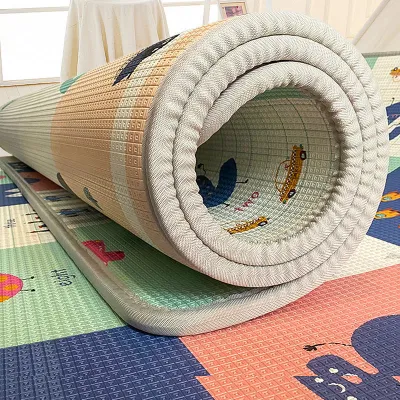
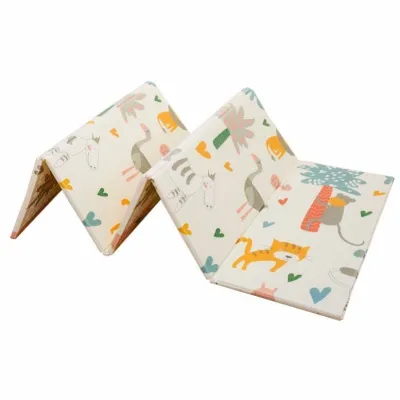
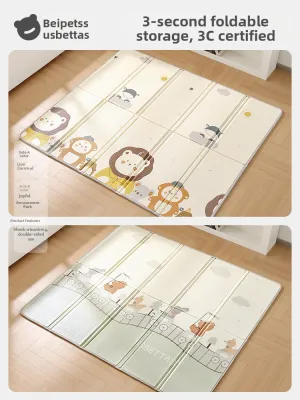
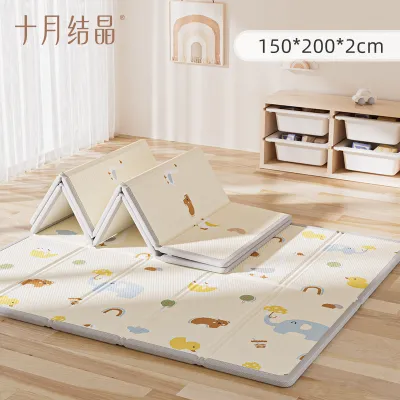
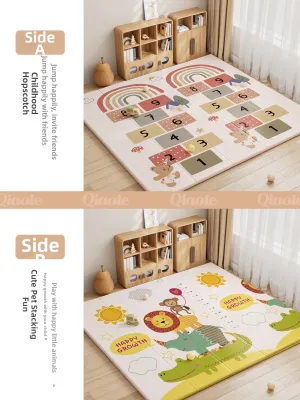
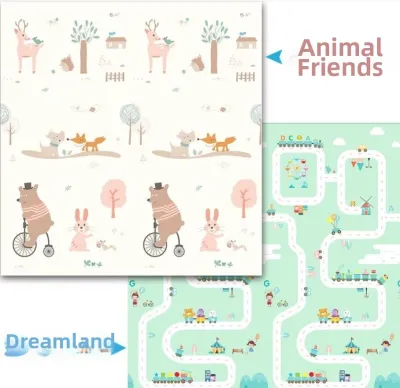
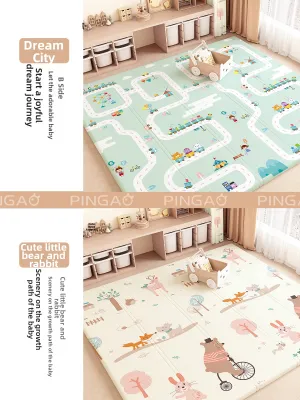
![[Buy 10 Free 2] 2.5cm Thick Interlocking Foam Floor Tiles 30x30cm EVA Foam Play Mats for Babies and Toddles Puzzle PlayMat](https://img.lazcdn.com/g/p/e22147171aa6ad99cf8021ba34aafde1.jpg_400x400q80.jpg_.webp)
Prices are valid at publication and may change. Please refer to the product page for the latest price.
Equally important is a dedicated moisture-proof bottom layer. The ground in tropical climates often retains significant moisture and warmth, which can create a humid, uncomfortable microclimate directly beneath the mat. A heavy-duty bottom layer, typically constructed from reinforced polyethylene, specialized polyurethane, or water-resistant backing, blocks ground dampness from transferring upward. This layer also acts as a physical shield against rough surfaces, twigs, dry leaves, and small pebbles, protecting both the mat’s structural integrity and your baby’s comfort.
Finding the right balance between thickness and portability is a critical trade-off for parents. Thick foam mats provide excellent impact protection for babies who are learning to sit, roll, or crawl, but they are often bulky and difficult to transport. For outdoor excursions, look for high-density materials like cross-linked polyethylene (XPE) foam. High-density foam delivers superior shock absorption at a reduced thickness, typically between 1 centimeter and 1.5 centimeters. This allows the mat to protect your baby from hard ground or uneven park lawns while remaining compact enough to fold and carry easily. When selecting a mat, parents must also verify the recommended age group, development stage, and caregiver supervision requirements specified in the product documentation, as suitability should never be inferred solely from a product’s name.
Material and Safety Checks for Tropical Climates
Singapore’s intense tropical climate, characterized by high temperatures and a high UV index, demands careful attention to material safety and stability. When shopping for an outdoor play mat, always check the manufacturer’s specifications for UV resistance and heat stability. Standard indoor foam mats, particularly those made of low-density materials, can rapidly degrade, warp, or release chemical odors when exposed to direct sunlight. Furthermore, surfaces exposed to the sun can heat up quickly, posing a direct burn risk to a baby’s delicate skin. Always test the surface temperature with your hand before placing your child on the mat, and consult the manufacturer’s official documentation for specific age limits and developmental guidelines to ensure the mat matches your baby’s physical stage.

The constant high humidity in Singapore creates a highly favorable environment for the growth of mold, mildew, and bacteria. Outdoor mats must be constructed from quick-drying, non-porous materials that do not absorb atmospheric moisture or sweat. If a mat retains moisture and is folded away while damp, mold can develop within a matter of days. This not only ruins the product but also poses respiratory health risks for your baby. Choosing materials that dry rapidly in a shaded breeze is key to long-term hygiene.
Safety certifications are dynamic and must be verified directly on product packaging or official brand documentation rather than relying on generic marketing claims. Terms like “non-toxic” or “eco-friendly” are often used loosely. Instead, look for reputable international standards such as EN71 (European Toy Safety Standard), ASTM F963 (Standard Consumer Safety Specification for Toy Safety), or REACH compliance. Ensure the manufacturer explicitly states that the mat is free from harmful substances, including bisphenol A (BPA), phthalates, lead, formaldehyde, and heavy metals.
An often-overlooked safety feature is the slip resistance of the bottom layer. Whether you are setting up your play space on smooth park pavements, tiled outdoor plazas, wooden boardwalks, or slightly damp grass, the mat must remain firmly anchored to the ground. A textured, high-traction bottom pattern prevents the mat from sliding when your baby shifts weight, rolls, or attempts to crawl. This stability is crucial for preventing accidental slips and falls, especially when caregivers are stepping on and off the mat to tend to the baby.
Portability Designs: Matching the Mat to Your Travel Gear
The folding mechanism of a portable play mat directly dictates how convenient it is to transport and store during family outings. Tri-fold and multi-folding designs fold along pre-pressed seams, collapsing into a flat, rectangular shape that packs neatly into car boots or stroller baskets. However, these seams can sometimes trap dirt or create minor creases. Roll-up styles eliminate creases entirely but can be bulky and awkward to secure without dedicated straps. Puzzle-piece mats, while highly customizable for indoor playrooms, are highly impractical for outdoor use due to the time required for assembly and the high risk of losing individual tiles or trapping dirt in the numerous interlocking seams.
Carrying options are vital for maintaining hands-free mobility while managing a baby and other travel gear. Look for portable mats that feature integrated carry handles, adjustable shoulder straps, or dedicated travel bags. A well-designed shoulder strap allows you to sling the mat over your shoulder, leaving your hands free to push a stroller, hold your baby, or navigate public transport. Some compact mats also feature external loops or straps that allow them to be clipped directly onto the outside of a diaper bag or stroller frame.
Before finalizing your purchase, it is highly recommended to measure your stroller’s under-seat storage basket or your primary diaper bag. Many parents purchase a portable mat only to find that its folded dimensions are too wide or bulky to fit into their stroller’s storage compartment. This forces them to carry the mat separately, adding unnecessary hassle to their journey. A compact, lightweight mat that slides easily into a standard stroller basket alongside diapers, wipes, and feeding essentials is ideal for stress-free travel.
Weight is a major factor when commuting via the MRT, buses, or walking long distances under the Singapore sun. A heavy, cumbersome mat quickly becomes exhausting to carry. Lightweight materials, such as thin high-density XPE foam or specialized fabric-backed travel mats, offer an excellent compromise. Aim for a total product weight of under 1.5 kilograms. This ensures that the mat remains a convenient addition to your travel gear rather than a physical burden during your family outings.
Evaluating Brands: What to Check Before You Buy
When researching different portable play mat brands, start by carefully reviewing the manufacturer’s care instructions and warranty terms. This information provides valuable insight into the product’s expected lifespan and any specific outdoor limitations. For instance, some brands explicitly state that their warranties do not cover damage caused by rough outdoor surfaces, concrete, or prolonged exposure to direct sunlight. Understanding these limitations beforehand helps you manage expectations and choose a product built for your intended use.
User reviews are an invaluable resource for assessing real-world durability. When browsing online marketplaces or brand websites, filter reviews to look for feedback from parents who specifically use the mat outdoors. Pay close attention to comments regarding seam tearing, edge peeling, or the material flaking after repeated folding and unfolding. A high-quality brand will feature reinforced stitched edges or heat-sealed seams that resist fraying, ensuring the mat can withstand the friction of outdoor ground contact.
It is critical to avoid assuming that a brand’s popular indoor play mat is automatically suitable for outdoor environments. Indoor mats are often engineered with softer, more delicate outer membranes designed for smooth living room floors. These materials can easily puncture, tear, or scratch when placed on twigs, gravel, or rough park grass. Always verify if the specific model or product line you are considering is explicitly rated and constructed for outdoor conditions before taking it outside.
To find the best compromise between mobility and comfort, compare the weight-to-thickness ratio across different product listings. This comparison helps you identify which brands offer superior material engineering. A high-quality outdoor mat will provide a relatively high density (for cushioning and safety) while maintaining a low weight and compact folded volume. If a mat is exceptionally thick but very light, it may consist of low-density foam that compresses easily and offers minimal impact protection on hard outdoor surfaces.
Cleaning and Storing Your Mat After Park Visits
To prolong the life of your portable play mat and maintain a hygienic environment for your baby, establishing a consistent post-outing cleaning routine is essential. Immediately after your outdoor session, shake the mat vigorously to remove sand, grass, and loose debris. Wipe down both the top and bottom surfaces with a damp microfiber cloth and a mild, baby-safe dish soap or specialized baby wipe. This removes sweat, sunscreen, and outdoor grime before they can bond with the material.
Air-drying is the most critical step in preventing mold and mildew growth. Before folding and storing the mat, lay it out flat or hang it in a shaded, well-ventilated indoor area—such as a service yard or balcony—until it is completely dry. Never fold or pack away a damp mat, as trapped moisture in a dark, enclosed space will quickly lead to mold development and stubborn musty odors. These odors and mold spores can be highly difficult to remove and may trigger allergies in sensitive infants.
Avoid using harsh household chemicals, bleach, alcohol-based sanitizers, or abrasive scrubbing brushes on your play mat. These harsh substances can degrade the protective waterproof coating, fade the printed patterns, or break down the foam structure over time. Machine washing should be avoided entirely unless the manufacturer’s care label explicitly states it is safe and provides specific temperature and cycle instructions. For most foam-based mats, gentle hand-wiping is the safest and most effective cleaning method.
Store the clean, dry mat in a cool, dry location away from direct sunlight, such as a closet, under a bed, or in a dedicated storage cabinet. Prolonged exposure to heat and UV rays during storage can cause plasticizers to migrate, making the foam brittle, sticky, or prone to cracking. By taking these simple, preventative care steps, you can ensure your portable play mat remains clean, safe, and durable for many family outings to come.
Frequently Asked Questions (FAQ)
Can I use a regular indoor play mat for outdoor picnics?
Indoor play mats are generally not designed to withstand outdoor elements. They often lack a waterproof bottom layer, meaning they can absorb moisture from damp grass, which can lead to mold growth, structural deterioration, and a damp play surface for your baby. Additionally, using an indoor mat outdoors may void the manufacturer’s warranty if the material gets punctured or damaged by rough ground.
How do I stop the play mat from blowing away in the wind?
To secure your play mat on breezy days at the park or beach, place heavy, baby-safe items on the corners, such as diaper bags, coolers, insulated water bottles, or specialized mat anchors if provided by the brand. Avoid using sharp objects, heavy rocks with rough or jagged edges, or makeshift ground stakes, as these can puncture the mat’s material, damage the waterproof barrier, or pose a tripping and injury hazard to your baby.
Community discussion
Share your experience or ask a question. Comments are reviewed before publication.