
Quick Guide: Evaluating Outdoor Baby Playmats
Choosing the ideal portable baby playmat for outdoor use in Singapore requires balancing lightweight portability with robust protection against damp ground and tropical heat. While many brands claim outdoor suitability, parents must evaluate specific material properties, folding mechanisms, and ease of cleaning to find a mat that fits their lifestyle. A reliable outdoor mat serves as a clean, cushioned sanctuary where your baby can practice tummy time, roll over, or sit up safely during family outings.
Singapore’s outdoor environments present unique challenges, from the damp grass of East Coast Park and the Singapore Botanic Gardens to the hard, uneven surfaces of concrete pavilions and wooden decking. A standard indoor mat is rarely equipped to handle these conditions. When evaluating options, parents should focus on three baseline traits: minimal weight for easy carrying, a compact folding design that fits into stroller baskets, and a highly water-resistant surface that wipes clean in seconds.
Before purchasing or using any playmat, always check the manufacturer’s documentation for age, weight, and developmental stage limits. Some mats are designed specifically for older infants who can sit independently, while others offer the dense cushioning required to protect younger babies during tummy time. Ensuring the mat aligns with your baby’s current developmental stage is crucial for maintaining a safe play environment outdoors.
Products mentioned in this guide
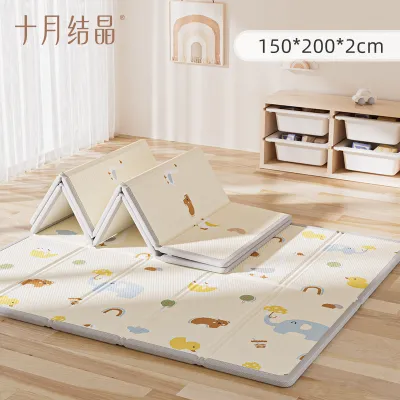
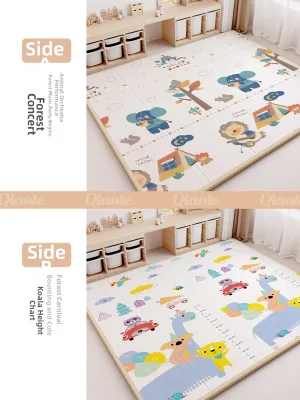
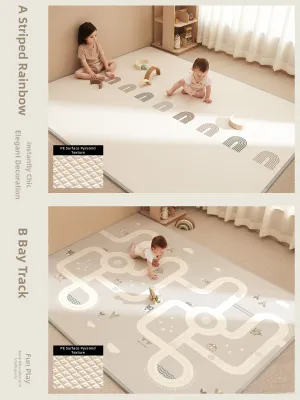
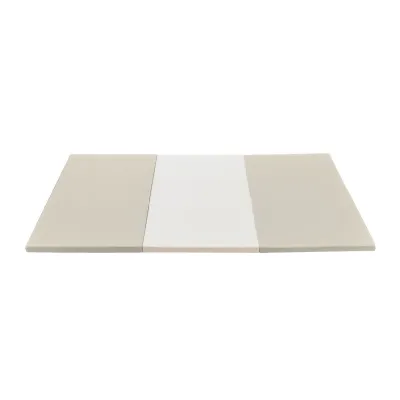
Prices are valid at publication and may change. Please refer to the product page for the latest price.
Essential Features for Outdoor and Travel Scenarios
Foldability versus Rollability
When traveling or heading out for a picnic, the way a playmat packs down is just as important as how it performs on the ground. Rollable mats are excellent for permanent indoor setups, but they are highly impractical for travel because they remain bulky and difficult to secure. Foldable playmats, particularly those with pre-creased accordion-style lines, are far superior for outdoor use. This design allows the mat to fold flat into a compact rectangle, ensuring that the dirty bottom surface only touches itself when folded, keeping the clean, baby-facing side protected from dirt and moisture.

Packing Dimensions and Stroller Compatibility
Before committing to a brand, measure your stroller’s under-seat storage basket or the trunk space of your vehicle. A truly portable playmat should fold down to dimensions that allow it to slide easily into these spaces without forcing other essentials out. Some premium travel mats fold down to the size of a small briefcase, making them highly compatible with compact travel strollers and diaper bags, which is a significant advantage when navigating public transport or crowded park pathways.
Weight and Carrying Options
Every extra gram matters when you are carrying a baby, diaper bag, and stroller. Look for portable playmats that weigh under 1.8 kilograms. To make transport even easier, prioritize mats that feature built-in carrying handles, integrated buckle straps, or their own dedicated travel bags. A lightweight mat with a comfortable shoulder strap allows you to keep your hands free to manage your baby safely during transit.
Thickness and Cushioning Trade-offs
Outdoor surfaces are rarely perfectly flat or soft. Tree roots, small pebbles, and hard soil require adequate cushioning to protect your baby from bumps and falls. A thickness of 1 centimeter to 1.5 centimeters generally strikes the ideal balance, offering sufficient shock absorption without making the mat too bulky to fold. While ultra-thin mats (under 0.5 centimeters) are exceptionally lightweight and easy to pack, they offer minimal protection on hard concrete or gravel surfaces, making them better suited only for soft, manicured lawns.
Water Resistance and Wipeability
Singapore’s tropical climate means that grass is frequently damp, even on sunny afternoons. A playmat must feature a fully waterproof or highly water-resistant bottom layer to prevent ground moisture from seeping through to your baby’s clothing. Additionally, the top surface must be non-porous so that sweat, sunscreen, spilled milk, and outdoor dirt can be wiped away instantly with a damp cloth or baby wipe, preventing stains and odors from setting into the material.
Material Safety and Comfort in Variable Conditions
Verifying Non-Toxic Materials
Do not rely solely on brand names or vague marketing buzzwords like “eco-friendly” or “baby-safe.” Instead, inspect the product labels, packaging, and user manuals for specific material compositions. Common safe materials for portable mats include Expanded Polyethylene (XPE) and Thermoplastic Polyurethane (TPU). These materials are naturally free from harmful chemicals. If you are considering a Polyvinyl Chloride (PVC) mat, verify that the manufacturer explicitly certifies it as free from phthalates, heavy metals, and formamide.
Heat Retention and Sun Exposure Risks
Singapore’s intense tropical sun can quickly heat up synthetic materials, making them uncomfortable or even unsafe for a baby’s sensitive skin. Dark-colored mats and certain dense foam types absorb and retain heat rapidly when exposed to direct sunlight. To mitigate this risk, opt for mats with lighter, heat-reflective colors or pastel designs. Always set up your play area in well-shaded spots, such as under mature trees or park pavilions, and touch the mat surface with the back of your hand to check the temperature before placing your baby down.
Breathability and Moisture Management
High humidity levels can cause babies to sweat quickly during outdoor play, which can lead to heat rash or skin irritation. While waterproof synthetic surfaces are excellent for easy cleaning, they do not offer much breathability. If your baby is prone to sweating, look for mats that feature textured surfaces or micro-embossing, which allow for slight air circulation between the baby’s skin and the mat. Alternatively, you can place a thin, breathable cotton muslin sheet over the mat, ensuring it is secured so it does not pose a slipping or suffocation hazard.
Manufacturer Warnings and UV Degradation
Prolonged exposure to direct sunlight and high temperatures can degrade foam materials over time, causing them to become brittle, discolor, or lose their cushioning properties. Check the manufacturer’s instructions for specific warnings regarding UV exposure and outdoor temperature limits. Many high-quality brands advise against leaving the mat outdoors in direct sunlight for extended periods when not in use, as UV degradation can compromise the structural integrity of the foam and shorten the product’s lifespan.
Building Your Brand Shortlist and Verifying Claims
Where to Research and Compare Brands
When compiling a shortlist of portable playmat brands available in Singapore, start by visiting official brand websites, local authorized distributors, and physical baby specialty stores. Visiting a physical showroom allows you to feel the weight of the mat, test the folding mechanism yourself, and inspect the material quality firsthand. Avoid relying entirely on third-party listings on online marketplaces, as these may lack complete product specifications or clear warranty information.
Cross-Referencing Safety Standards
Reliable playmat brands will clearly state compliance with recognized international safety standards. Look for certifications such as EN71 (European Toy Safety Standard), ASTM F963 (US Standard Consumer Safety Specification for Toy Safety), or REACH compliance (European regulation on chemical substances). These certifications indicate that the product has undergone rigorous testing for chemical safety, physical hazards, and flammability, giving you peace of mind that the mat is safe for your baby to touch and mouth.
Evaluating Warranty and After-Sales Support
Travel gear is subjected to rougher handling than indoor items, making warranty terms and after-sales support important considerations. Check whether the brand or local distributor offers a warranty against manufacturing defects, such as peeling outer layers, splitting seams, or rapid foam degradation. A brand that stands behind its product will provide clear channels for customer support and straightforward return policies, which is especially valuable if you discover any defects upon unboxing the mat.
Identifying Red Flags in Product Descriptions
Be cautious of products that feature vague material descriptions, such as simply listing “foam” or “plastic” without specifying the exact type of polymer used. Other red flags include missing safety certifications, an absence of clear care and cleaning instructions, or a lack of manufacturer contact details. If a brand cannot provide transparent information about where and how their mats are manufactured, it is best to remove them from your shortlist and opt for a more transparent brand.
On-the-Go Maintenance and Storage Best Practices
Safe Wiping Techniques and Approved Cleaners
After a day at the park, clean your playmat according to the manufacturer’s care label to maintain hygiene and preserve the material. For most water-resistant mats, a gentle wipe-down with water and a mild, baby-safe soap is sufficient to remove dirt, grass stains, and sweat. Avoid using harsh chemical disinfectants, bleach, alcohol-based sanitizers, or abrasive scrubbing pads. These harsh agents can strip away the mat’s protective waterproof coating, fade the designs, and leave behind chemical residues that your baby might inhale or ingest.
The Critical Importance of Air-Drying
Never fold and store a damp playmat, even if you are in a hurry to head home. Singapore’s high humidity levels create the perfect breeding ground for mold, mildew, and unpleasant odors. If you must pack up a damp mat at the park, unfold it as soon as you arrive home. Wipe away any residual moisture and lay the mat flat or hang it in a well-ventilated, shaded indoor area. Ensure both sides are completely dry to the touch before folding the mat back into its storage bag.
Proper Storage Conditions
To protect the foam and fabric integrity of your portable playmat, store it in a cool, dry place away from direct sunlight, dampness, and extreme heat. Avoid storing the mat in outdoor risers, balconies, or car trunks for extended periods, as the accumulated heat can warp the foam and weaken the adhesive bonds between the mat’s layers. Additionally, do not place heavy objects on top of the folded mat during storage, as this can cause permanent creases and compress the cushioning foam.
Indicators of When to Stop Using a Mat
Regularly inspect your portable playmat for signs of wear and tear, especially after frequent outdoor use. If you notice peeling outer films, flaking foam, deep tears that expose the inner cushioning, or a persistent musty odor that does not go away after cleaning, it is time to replace the mat. Damaged mats can pose a choking hazard if a baby bites or pulls off loose pieces of foam, and exposed inner layers can harbor bacteria and mold that are difficult to clean.
Frequently Asked Questions (FAQ)
Can I use an indoor baby playmat outdoors occasionally?
While it is tempting to bring your everyday indoor playmat to the park, standard indoor mats are generally not designed to withstand outdoor elements. They often lack a robust waterproof base, making them susceptible to absorbing ground moisture, and their outer layers can easily puncture on twigs, gravel, or rough grass. If you must use an indoor mat outside, ensure the ground is completely dry and free of debris, place a protective tarp underneath, and supervise your baby closely to prevent damage to the mat.
How do I clean a portable playmat after a park visit?
Start by shaking off any loose dirt, grass, or sand before folding the mat. Once home, wipe the surface with a damp cloth and a mild, baby-safe detergent to remove sweat, sunscreen, and outdoor grime. Avoid soaking the mat in water unless the manufacturer’s instructions explicitly state it is machine washable. Always allow the mat to air-dry completely in a shaded, well-ventilated area before folding it for storage to prevent mold growth.
Community discussion
Share your experience or ask a question. Comments are reviewed before publication.