
Introducing solid foods is an exciting milestone for parents in Singapore, and organic rice crackers often become one of the first finger foods to enter the pantry. These light, dissolvable snacks are popular for their convenience and their ability to keep little hands busy during stroller rides or outings. However, walking down the baby food aisle can feel overwhelming with dozens of colorful boxes claiming to be the healthiest option.
Finding the right organic rice cracker requires looking past attractive packaging and focusing on ingredient purity, safety standards, and developmental appropriateness. By learning how to evaluate certifications, decode ingredient lists, and understand your baby’s physical readiness, you can confidently select snacks that support their growth without introducing unnecessary additives.
Quick Checklist for Choosing Baby Rice Crackers
To help you make swift and safe decisions while shopping, here is a practical checklist to keep in mind when evaluating any baby rice cracker on the shelf:
Products mentioned in this guide
![[Bundle of 2]Apple Monkey Organic Rice Cracker Multi Flavor for 8months+ (Corn/Spinach/Pumpkin/Sweet Potato/Blueberry/Strawberry) 2 x 30g HALAL](https://img.lazcdn.com/g/p/0b7be04da40841f1f9e2fdb09b992844.png_400x400q80.png_.webp)
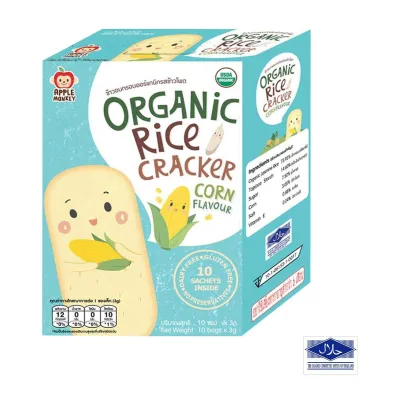
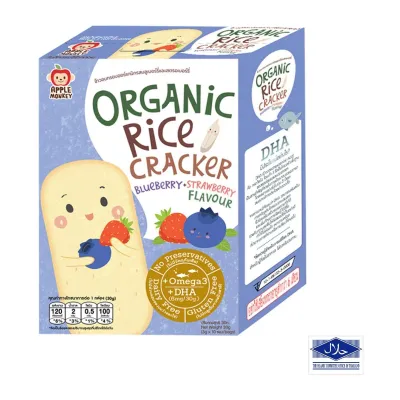
Prices are valid at publication and may change. Please refer to the product page for the latest price.
- Look for Certified Organic Seals: Verify the presence of trusted international organic logos, such as the USDA Organic or EU Organic seals, which ensure the rice was grown without synthetic pesticides.
- Check for Zero Added Sugar or Salt: Ensure the ingredient list does not contain added cane sugar, fruit juice concentrates, syrups, or sodium.
- Assess the Ingredient Length: Prioritize products with short, simple ingredient lists, ideally containing only organic rice and natural vegetable or fruit powders.
- Evaluate Texture and Meltability: Choose crackers that dissolve rapidly in contact with saliva to minimize choking risks.
- Verify Age Recommendations: Match the cracker's shape and hardness to your baby's specific developmental stage.
- Inspect Packaging and Batch Codes: Always check that the packaging is fully sealed and that batch numbers are clearly printed.
Understanding the Appeal of Organic Rice Crackers
Organic rice crackers have earned a permanent spot in many Singaporean households due to their unique combination of convenience and developmental benefits. For many infants, these crackers serve as an excellent tool for practicing the “pincer grasp”—the coordination of the index finger and thumb to pick up small objects. Holding and manipulating a cracker helps refine hand-eye coordination and oral motor skills, preparing your baby for more complex textures later on.

Choosing organic options is often driven by a desire to minimize a baby’s exposure to synthetic pesticides and chemical fertilizers. Because an infant’s developing body is more sensitive to environmental toxins, prioritizing organic agricultural ingredients offers peace of mind to many parents. The organic label indicates that the farming practices used to grow the rice adhere to strict environmental and sustainability standards.
However, it is crucial to understand what the “organic” label does and does not mean. While it guarantees that the rice was cultivated using organic farming methods, it does not automatically mean the product is free from naturally occurring elements like heavy metals, nor does it guarantee a perfect nutritional profile. A cracker can be certified organic and still contain high levels of added sugar or sodium, which is why reading the full nutrition panel remains essential.
Key Criteria for Evaluating Baby Rice Crackers
When comparing organic rice crackers in Singapore, a clear evaluation framework helps cut through marketing noise. Prioritize ingredient simplicity: the ideal cracker should have a short list, with organic white or brown rice as the primary component. Avoid artificial flavors, synthetic colors, or chemical preservatives, which offer no nutritional value.
Next, examine the nutritional profile on the back of the pack. Pay close attention to the sodium and sugar content; infant snacks should ideally contain zero added sugars and negligible sodium. Some high-quality crackers are fortified with essential nutrients like iron or calcium, which can be a beneficial addition to your baby’s diet, especially if they are transitioning away from iron-rich breast milk or formula. Check the calorie density to ensure the snack remains a light treat rather than something that will prematurely fill your baby’s stomach before their main meals.
Texture and meltability are paramount for safety. A safe baby rice cracker should soften and dissolve almost instantly when it comes into contact with moisture. You can test this yourself by placing a piece of the cracker in your own mouth without chewing; it should break down quickly with saliva alone. Alternatively, press a piece of the cracker between your wet fingertips to observe how rapidly it turns into a soft puree. If the cracker remains hard or sticky, it may pose a choking hazard for an early eater.
Finally, consider the physical shape and size of the cracker. For babies who are just starting to feed themselves (around six to eight months old), long, flat rusks are ideal because they are easy to grasp with a full palm. As your baby develops their pincer grasp (usually around nine to twelve months), smaller, bite-sized rice puffs or loops can help them practice picking up tiny objects. Choosing the right shape ensures your baby can enjoy the snack independently without frustration.
Safety, Allergens, and Age Appropriateness
While organic rice crackers are designed to be safe, they still require careful handling to prevent choking. Choking hazards can arise if a baby breaks off a piece that is too large to swallow or if they attempt to eat while distracted, lying down, or moving around. To minimize this risk, always ensure your baby is sitting completely upright in a high chair during snack times. Active, undistracted adult supervision is non-negotiable; never leave your baby alone with any food, even for a brief moment.
Allergen cross-contamination is another critical safety factor to verify on product labels. Many facilities that process rice crackers also handle common allergens such as wheat, soy, milk, sesame, or nuts. If your baby has a known food allergy or a family history of allergies, carefully read the precautionary allergen labeling (often starting with “manufactured in a facility that also processes…”). Choosing brands that use dedicated allergen-free facilities can provide an extra layer of safety.
Parents should also be aware of the relationship between rice products and heavy metals, particularly arsenic. Rice plants naturally absorb arsenic from the soil and water more efficiently than other cereal crops. Because of this, relying solely on rice-based snacks is not recommended. To manage exposure, practice moderation and rotate rice crackers with snacks made from alternative grains, such as organic oats, quinoa, barley, or spelt. A diverse diet is the best way to ensure nutritional balance and safety.
If your baby gags frequently, coughs, or shows distress, pause feeding and consult a pediatrician. Watch for immediate or delayed allergic reactions, such as hives, swelling, or vomiting, and seek medical attention immediately if these occur.
How to Read Labels and Verify Organic Claims
Decode packaging to verify organic claims and nutritional quality. Look for legitimate, third-party organic certification logos like USDA Organic, EU Organic, or Australia’s NASAA Certified Organic. These symbols guarantee compliance with rigorous, legally binding standards, unlike unregulated marketing terms like “all-natural” or “pure.”
Next, scan the ingredient list specifically for hidden sugars. Manufacturers often use alternative names for sugar to make the product appear healthier than it is. Be on the lookout for ingredients like apple juice concentrate, pear juice concentrate, brown rice syrup, cane sugar, dextrose, or maltodextrin. While fruit juice concentrates sound natural, they still contribute concentrated simple sugars that can encourage a preference for sweet tastes and contribute to early tooth decay.
Sodium levels require strict scrutiny. The daily recommended sodium intake for infants under twelve months is extremely low (less than 120mg per day), and their kidneys are not yet mature enough to process excess salt. Check the nutrition information panel for the sodium content per serving and per 100 grams. Ideally, the sodium content should be 0mg, or represent only the tiny amount naturally present in the raw ingredients, with no added salt listed in the ingredients.
Lastly, verify the manufacturer’s contact details and batch traceability information. Reputable brands will clearly print their distributor or importer details, batch numbers, and production dates on the box. This information is vital in the rare event of a product recall or quality issue. If a package lacks clear manufacturing details, importer contact information, or batch codes, it is best to avoid purchasing it, as tracing its origin and safety standards becomes nearly impossible.
Where to Buy and How to Store Baby Crackers
In Singapore, parents have access to a wide variety of retail channels for purchasing baby food, but choosing where to buy can impact product safety and authenticity. Physical specialty baby stores and major supermarket chains (such as FairPrice Finest, Cold Storage, or Giant) are highly reliable because they maintain strict quality control and proper storage conditions. When shopping on online marketplaces or ecommerce platforms, always prioritize official brand flagship stores or authorized local distributors to ensure you are receiving genuine, properly imported products. When comparing prices in S$ across different retailers, remember that the cheapest option may not always be the safest if the seller is unauthorized.
Before purchasing any box of rice crackers, perform a quick physical inspection of the packaging. Ensure the outer box is not crushed and, more importantly, that the inner foil bags are completely sealed and airtight. In Singapore’s warm and highly humid climate, even a microscopic puncture in the packaging can allow moisture to enter, leading to soggy crackers, rapid spoilage, and the potential growth of mold or harmful bacteria. If a bag feels deflated or bloated, do not feed the contents to your baby.
Proper storage at home is essential for maintaining the crispness and safety of the crackers. Once opened, crackers quickly absorb moisture from the air, losing their melt-in-the-mouth quality and turning rubbery. Store leftovers in an airtight glass or BPA-free plastic container in a cool, dry pantry away from direct sunlight.
Always monitor expiration dates closely. Take note of whether the packaging specifies a “best before” date or a “use by” date. A “best before” date generally refers to the quality and crispness of the product, while a “use by” date is a strict safety limit. Given the humid local climate, it is safest to consume the crackers well before the printed date and to discard any snacks that have been open for more than a few days, even if they are stored in an airtight container.
Frequently Asked Questions (FAQ)
At what age can babies safely start eating rice crackers?
Most babies can safely start exploring rice crackers around six months of age, but developmental readiness is far more important than a specific number on a calendar. Your baby is likely ready if they can sit upright with minimal support, hold their head steady, show interest in your food, and have lost the tongue-thrust reflex (which automatically pushes solid objects out of their mouth). They should also be starting to develop a pincer grasp and making chewing motions with their jaws. Always consult your pediatrician before introducing finger foods, and ensure an adult is supervising closely.
Can rice crackers replace regular meals for babies?
No, rice crackers should never be used as a replacement for regular, nutrient-dense meals. These crackers are designed to be supplemental snacks, teething aids, or transition foods that help babies practice self-feeding and motor skills. They are generally low in calories, protein, healthy fats, and essential vitamins that your baby needs for rapid growth. To support healthy development, ensure your baby’s primary nutrition comes from breast milk or formula, alongside a diverse diet of whole foods like pureed or mashed vegetables, fruits, proteins, and iron-rich grains.
Are organic rice crackers completely free from heavy metals?
No, organic certification does not guarantee that rice crackers are completely free from heavy metals like arsenic. Arsenic is a naturally occurring element in soil and water, and rice plants absorb it more readily than other grains, regardless of whether they are grown organically or conventionally. To minimize your baby’s exposure, offer rice crackers in moderation and avoid making them a daily staple. Rotate them with snacks made from other grains like oats, spelt, or quinoa, and focus on providing a wide variety of whole foods.
Community discussion
Share your experience or ask a question. Comments are reviewed before publication.