
Selecting the right everyday clothing for an active toddler requires balancing comfort, durability, and practicality. Toddlers are constantly on the move, exploring their environments through crawling, climbing, running, and sensory play. Their clothing must act as a supportive second skin rather than a restriction, allowing them to move freely without chafing or binding. Nomad Plus toddler clothing has emerged as a popular option for parents seeking reliable daily wear, but choosing the right pieces requires a careful look at how these garments perform under the rigors of daily toddler life.
To find the best pieces within the Nomad Plus range, caregivers must evaluate how well each garment supports unrestricted active play. A toddler’s physical development relies on their ability to stretch, squat, and bend without fabric pulling or restricting their joints. Stiff materials or poorly designed cuts can limit their range of motion, leading to frustration during play. Therefore, prioritizing flexible construction and ergonomic cuts is essential when building a daily wardrobe.
Durability is another critical pillar of everyday toddler wear. Toddler clothes undergo a relentless cycle of wearing, staining, washing, and drying. Grass stains, food spills, and outdoor dirt require frequent laundering, which can quickly degrade low-quality fabrics. High-quality daily wear must withstand regular machine washing without losing its shape, thinning out at the knees, or unraveling at the seams. Caregivers should look for robust stitching and resilient fibers that maintain their integrity over dozens of wash cycles.
Products mentioned in this guide
![[NEW] Maxi Cosi Nomad Plus Foldable Toddler Car Seat - 15M -4Y / 9kg - 18kg / 76 - 105 cm](https://img.lazcdn.com/g/p/f2a7fd1067ff7e20755010697c42ba39.jpg_400x400q80.jpg_.webp)
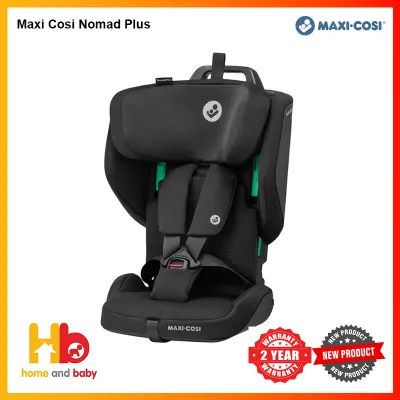
Prices are valid at publication and may change. Please refer to the product page for the latest price.
Finally, the ease of dressing and undressing is a major factor in daily usability. Toddlers are notoriously impatient during clothing changes, and diaper changes require quick, efficient access. Garments that feature wide necklines, stretchy openings, and strategically placed fasteners make the routine significantly smoother for both parents and children. By focusing on these core criteria—comfort, durability, and dressing efficiency—you can confidently select Nomad Plus pieces that will simplify your daily routine while keeping your child comfortable.
Essential Nomad Plus Clothing Categories for Daily Activities
Navigating a toddler clothing brand requires a systematic approach to ensure you build a functional wardrobe rather than accumulating single-use novelty items. By focusing on core categories designed for movement and frequent wear, you can create a versatile mix-and-match system. Let us examine the primary garment types within the Nomad Plus range and how to evaluate their daily utility.
Everyday Tops and T-Shirts
Tops and t-shirts form the foundation of a toddler’s daily outfit, making their construction details incredibly important for all-day comfort. When evaluating Nomad Plus tops, the first area to inspect is the neckline. Toddlers have proportionally larger heads than older children, meaning tight neck openings can cause distress during dressing. Look for tops featuring envelope necklines, shoulder snaps, or highly elastic rib-knit collars that stretch easily over the head and snap back into shape without sagging.
Internal irritation is a common source of fussiness in active toddlers, so tag placement and seam finishing require close attention. Check whether the garments utilize tagless labels printed directly onto the fabric or soft, satin-like tags that can be cleanly removed. Run your fingers along the inner neck seam to ensure it is covered with a soft binding strip, which prevents the rough edge of the collar seam from rubbing against the sensitive skin of your child’s neck.
Sleeve construction and shoulder seams also dictate how comfortably a toddler can move their arms. Raglan sleeves, which extend in one continuous piece from the collar to the underarm, are highly recommended for active play because they eliminate the traditional shoulder seam entirely. If selecting standard set-in sleeves, verify that the shoulder seam sits naturally at the edge of the shoulder and features flatlock or overlock stitching to prevent friction when your child reaches, climbs, or throws.
Active Bottoms and Shorts
The lower half of a toddler’s outfit bears the brunt of physical activity, making the design of pants, leggings, and shorts crucial for both comfort and longevity. The waistband is the most critical element to assess in this category. A high-quality waistband must be elastic enough to hold the pants up securely during vigorous play, yet gentle enough not to leave red marks on the child’s abdomen. Look for wide, encased elastic bands that distribute pressure evenly, and check for adjustable internal drawcords that allow you to customize the fit as your child grows.
Diaper bulk is another essential consideration for toddler bottoms. Pants and shorts must have a generous rise—the distance from the crotch to the waistband—to fully cover diaper styles without pulling down when the child sits or squats. Look for bottoms with a gusseted crotch, which is an extra diamond-shaped piece of fabric sewn into the crotch area. This design element reduces stress on the seams and provides the necessary volume to accommodate both cloth and disposable diapers comfortably.
Durability in the lower body garments is heavily dependent on fabric reinforcement, particularly around the knees. Toddlers spend a significant amount of time on the floor, whether crawling, playing with blocks, or tumbling outdoors. Inspect Nomad Plus pants for reinforced knee patches or double-layered fabric in high-wear zones. If the pants do not have physical patches, ensure the fabric weight is substantial enough to resist friction tears while remaining flexible enough for natural joint movement.
One-Pieces and Rompers
One-piece garments and rompers offer a convenient, coordinated look, but their practical utility depends entirely on their design details. The primary feature to verify is the placement and quality of the fasteners. For quick diaper changes, look for rompers that feature a full snap line along the inner legs or a two-way zipper that runs from the neck down to the ankle. Avoid designs that require you to completely undress the toddler from the top down, as this can cause rapid cooling and unnecessary fussiness during changes.
The overall fit of a one-piece garment must accommodate the rapid physical transitions of a growing toddler. Ensure there is adequate vertical stretch throughout the torso to prevent the garment from pulling tightly at the shoulders or crotch when the child stands up straight. A restrictive torso length can force a toddler into a slightly hunched posture or cause discomfort during active movement.
Leg and arm openings in rompers should feature soft, stretchy cuffs that hold the garment in place without binding. Ribbed cuffs are excellent because they allow you to roll up slightly long sleeves or pant legs securely, extending the wearable life of the garment as your child grows. Ensure these cuffs do not contain tight elastic bands that could restrict circulation or leave deep impressions on your toddler’s wrists or ankles.
Fabric and Feature Checks for Comfort and Durability
To ensure your Nomad Plus selections are truly suitable for everyday wear, you must look beyond aesthetic appeal and conduct a thorough check of the materials and construction. Start by reading the care and fiber content labels carefully. For Singapore’s warm and humid tropical climate, lightweight, breathable, and moisture-wicking fabrics are essential to keep your toddler cool and prevent heat rashes. Natural fibers like organic cotton, bamboo-derived rayon, or high-quality cotton blends are excellent choices because they allow air to circulate freely and absorb sweat efficiently.

The structural integrity of the garment is determined by its seam construction and stitch density. Turn the clothing inside out to inspect the stitching quality before making a purchase. High-quality toddler wear should feature flat, smooth seams—such as flatlock or flat-felled seams—that lie completely flat against the skin to eliminate chafing. Count the stitches along a small section of the seam; a higher stitch density generally indicates a stronger, more durable seam that is less likely to split under tension or unravel in the washing machine.
Hardware quality is another critical safety and durability factor to evaluate. If the garment features snaps, zippers, or buttons, test them to ensure they are securely attached and operate smoothly. Metal snaps should be made of rust-resistant materials, such as brass or coated stainless steel, to withstand frequent washing in humid conditions. Zippers should have protective fabric guards at the top to prevent the zipper pull from pinching the toddler’s chin or neck skin. Avoid garments with loose buttons or delicate embellishments that could detach and pose a choking hazard.
Finally, verify the safety of the dyes, prints, and finishes used on the fabric. Toddlers have delicate, highly permeable skin that can easily react to harsh chemical residues. Look for manufacturer specifications indicating that the garments are free from harmful substances, such as formaldehyde, heavy metals, and phthalates. Water-based prints are generally softer and more breathable than thick plastisol prints, which can feel stiff, crack over time, and trap heat against the child’s body.
Sizing, Care, and Purchasing Guidelines
Securing the right fit and maintaining the quality of your toddler’s wardrobe requires a methodical approach to sizing, laundering, and sourcing. Toddler sizing can vary significantly between brands, and relying solely on age labels (such as 2T or 3T) often leads to ill-fitting garments. Instead, consult the official Nomad Plus size chart and measure your child’s current height, weight, and inseam. If your toddler falls between sizes, it is generally wise to size up to accommodate rapid growth spurts and allow room for diaper bulk.
Proper garment care is essential to protect your investment and ensure the clothing remains soft and durable. Always follow the manufacturer’s care instructions printed on the internal label. To prevent shrinkage, color fading, and fabric degradation, wash toddler clothes in cold water on a gentle cycle using a mild, fragrance-free detergent. Avoid using fabric softeners, which can deposit a chemical film on the fibers, reducing their natural breathability and absorbency. Whenever possible, line dry the garments in a shaded outdoor area to preserve the elasticity of waistbands and cuffs.
When purchasing Nomad Plus toddler clothing in Singapore, always source your items through the official brand website or authorized local retailers. This ensures you receive authentic products that meet strict safety standards, rather than counterfeit items made with substandard materials. Buying from authorized channels also allows you to verify current stock levels, access accurate sizing tools, and compare prices directly in S$. Be cautious of third-party sellers on unauthorized online marketplaces, as they may not offer reliable return policies or genuine product guarantees.
Frequently Asked Questions (FAQ)
How should I wash Nomad Plus toddler clothes to maintain their quality?
To maintain the quality, softness, and color of Nomad Plus toddler clothing, always check the internal care label for specific temperature and cycle recommendations. As a general rule, wash these garments inside out in cold water on a gentle cycle to minimize friction on the fabric surface. Use a mild, baby-safe detergent that is free from harsh chemicals, optical brighteners, and artificial fragrances. Avoid using chlorine bleach, which can weaken the fabric fibers and cause colors to fade prematurely. To dry, air drying on a drying rack in a well-ventilated, shaded area is highly recommended, as high heat from tumble dryers can shrink natural fibers and degrade elastic waistbands over time.
Does Nomad Plus clothing run true to standard toddler sizes?
Sizing can vary depending on the specific cut and fabric composition of each garment, so it is best not to assume a universal fit. To ensure an accurate fit, always consult the detailed size chart provided by the manufacturer on the official product page, comparing your child’s current height and weight measurements rather than relying on age-based labels. Additionally, check recent buyer reviews on authorized retail platforms, as other parents often share valuable feedback regarding whether a specific item runs large, small, or shrinks slightly after the first wash. If your child is at the upper limit of a size range, choosing the next size up is recommended to ensure long-term comfort and wearability.
Community discussion
Share your experience or ask a question. Comments are reviewed before publication.