
Introducing solid foods is an exciting milestone for parents in Singapore, and banana yogurt is often one of the first options considered. Combining the natural sweetness of bananas with the creamy texture of yogurt makes it highly appealing to infants. However, navigating the baby food aisles of local supermarkets or online marketplaces requires careful attention. Not all yogurts are formulated with an infant’s delicate digestive system and nutritional needs in mind. To ensure you are offering a safe, nutritious, and developmentally appropriate option, you must know how to evaluate ingredients, verify local safety standards, and handle dairy products correctly in our tropical climate. This guide provides a comprehensive framework to help you make informed decisions when selecting banana yogurt for your baby.
Core Criteria for Choosing Baby Banana Yogurt
Most pediatric guidelines suggest introducing solid foods around six months of age, when a baby shows signs of developmental readiness, such as sitting with support and showing interest in food. While whole cow’s milk as a main drink is typically discouraged before twelve months, pasteurized yogurt can often be introduced as a complementary food starting around six to eight months. At this stage, a baby’s digestive system is mature enough to process the proteins and cultures in yogurt, provided it is specifically prepared for infants.
Infants require a high proportion of dietary fat to support rapid brain development, nervous system growth, and overall energy needs. When choosing a banana yogurt, always opt for full-fat or whole-milk varieties. Low-fat or skimmed dairy products are designed for adult dietary needs and do not provide the concentrated energy density that growing babies require. The fat content in whole-milk yogurt also aids in the absorption of fat-soluble vitamins, such as vitamins A and D, which are crucial for early development.
Products mentioned in this guide
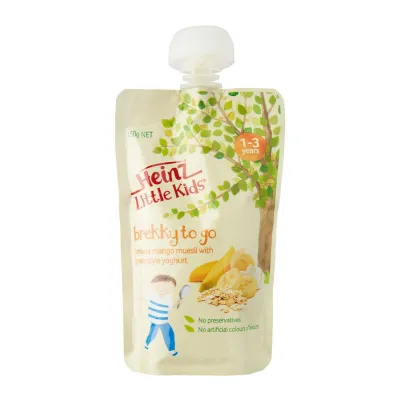
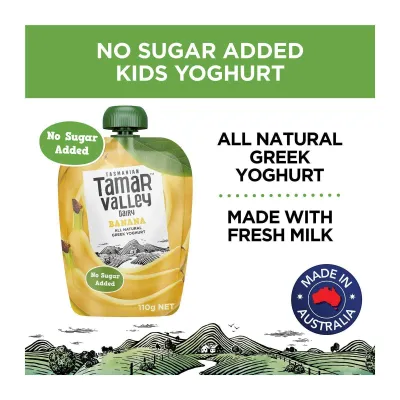
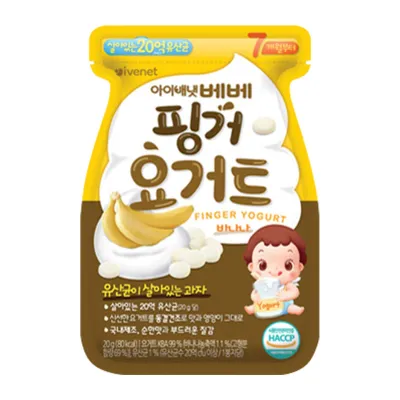
Prices are valid at publication and may change. Please refer to the product page for the latest price.
Pasteurization is non-negotiable for any dairy product offered to infants. This heat-treatment process destroys harmful bacteria, such as Listeria and Salmonella, which can cause severe foodborne illnesses in young children with developing immune systems. Always check the packaging to confirm that the milk used is pasteurized. If the label does not explicitly state that the product is pasteurized, it is safest to avoid it for infant consumption.
A baby’s diet should be as close to whole foods as possible. Avoid products containing artificial sweeteners, synthetic flavorings, or unnecessary thickeners like gelatin, modified food starch, or carrageenan. While these additives are common in adult yogurts to improve texture and shelf life, they can irritate a baby’s sensitive stomach and offer no nutritional benefit. The ideal baby banana yogurt should have a simple, clean ingredient list consisting primarily of pasteurized whole milk, active cultures, and real banana puree.
How to Read and Evaluate Nutrition Labels
One of the most critical steps in evaluating baby banana yogurt is identifying added sugars. Manufacturers often use terms that sound natural but still contribute to excess sugar intake. Look out for ingredients like fruit juice concentrate, cane sugar, brown rice syrup, agave nectar, or dextrose. While bananas naturally contain fructose, the addition of concentrated juices or syrups artificially inflates the sugar content. High sugar intake in infancy can lead to a preference for overly sweet foods and increase the risk of early tooth decay. Compare the ingredient list with the nutrition information panel; the sugar content should stem solely from the natural lactose in milk and the fructose in the banana puree.

Dairy is one of the top common allergens for infants. When introducing banana yogurt, carefully inspect the packaging for allergen warnings. In Singapore, food labeling regulations require clear declarations of common allergens, including milk and soy, which may be present in some dairy alternatives or processed in the same facility. If your baby has a diagnosed cow’s milk protein allergy, standard yogurt is not suitable, and you should consult a pediatrician about appropriate alternatives. Additionally, check for cross-contamination warnings if the product is manufactured in a facility that processes nuts or gluten, especially if your family has a history of severe allergies.
Yogurt should serve as a nutrient-dense snack rather than empty calories. Examine the nutrition information panel to compare the protein and calcium levels across different brands. Calcium is essential for building strong bones and teeth, while protein supports muscle growth and cellular repair. A high-quality baby yogurt will naturally provide these nutrients without the need for synthetic fortification. Avoid products where the protein content is negligible, as this often indicates a high ratio of water, thickeners, and starches rather than actual dairy.
Finding and Verifying Trusted Brands in Singapore
When sourcing baby food in Singapore, it is vital to verify that the products comply with local food safety standards. The Singapore Food Agency regulates all imported and locally produced food items to ensure they meet strict safety criteria. Parents can check official government channels for any recent food recalls or safety alerts concerning baby food brands. Opt for established brands that specialize in infant nutrition, as these companies typically adhere to more stringent quality control measures and testing protocols than general dairy manufacturers.
Where you buy baby yogurt matters just as much as what brand you choose. Purchasing from reputable physical supermarkets, specialty baby stores, or official brand storefronts on major e-commerce platforms minimizes the risk of buying counterfeit or improperly stored products. Avoid third-party parallel importers or unauthorized online sellers, as they may not adhere to the strict temperature controls required for dairy transport.
Singapore’s tropical climate poses a significant challenge for dairy preservation. Yogurt must be kept continuously refrigerated between 2°C and 4°C from the factory to your home. When shopping in physical stores, ensure the refrigeration units are functioning correctly and feel cold to the touch. For online deliveries, verify that the retailer uses specialized cold-chain logistics, such as refrigerated trucks or insulated cooler bags with ice packs. Upon delivery, inspect the packaging immediately. If a yogurt pouch or tub feels warm, has a bloated lid, or shows signs of condensation and leakage, do not feed it to your baby, as these are clear indicators of a broken cold chain and potential bacterial growth.
Safe Serving, Storage, and Allergy Monitoring
Once purchased, baby yogurt must be stored in the coldest part of your refrigerator, typically on the middle or lower shelves rather than the door, where temperatures fluctuate. Due to Singapore’s high ambient temperature and humidity, leaving dairy products at room temperature for even short periods can cause rapid bacterial multiplication. Never leave a yogurt pouch or tub out of the fridge for more than 30 minutes before serving. If your baby does not finish their portion within this window, discard the leftovers rather than putting them back in the fridge.
When introducing banana yogurt for the first time, it is best to use the observation method. Introduce the yogurt as a single new food without offering any other new ingredients for at least three consecutive days. This allows you to isolate and identify the source of any adverse reactions. Monitor your baby closely for signs of an allergic reaction or digestive distress, which may include hives, swelling around the mouth, vomiting, diarrhea, or unusual fussiness. If you observe any of these symptoms, stop feeding the yogurt immediately and consult a healthcare professional. For severe symptoms, such as difficulty breathing, seek emergency medical care.
Start with small portions, such as one to two teaspoons, to let your baby get used to the new texture and taste. If your baby initially rejects the standalone flavor of banana yogurt, do not force it. You can try mixing a small amount of the yogurt with a familiar food they already enjoy, such as oatmeal, rice cereal, or a familiar vegetable puree. This gradual introduction helps ease the transition and reduces food refusal. Always use a clean, baby-friendly spoon and avoid feeding your baby directly from a large tub if you plan to save the rest, as saliva can introduce bacteria that spoil the remaining yogurt.
Frequently Asked Questions (FAQ)
Is it safe to give my baby regular adult banana yogurt?
Regular adult banana yogurts are generally not recommended for infants. These products often contain high levels of added sugars, artificial sweeteners, preservatives, and thickeners that are unsuitable for a baby’s developing digestive system and kidneys. Adult yogurts may also use low-fat or fat-free milk bases, which lack the essential fats required for infant brain development. A safer and healthier alternative is to purchase plain, unsweetened full-fat baby yogurt and mix it with fresh, thoroughly mashed banana at home. This ensures your baby receives the beneficial live cultures and healthy fats without any unwanted additives or excess sugars.
How long can an opened pouch or tub of baby yogurt be kept in the fridge?
Once a pouch or tub of baby yogurt is opened, it should generally be consumed within 24 to 48 hours, provided it has been kept continuously refrigerated. Always refer to the manufacturer’s specific storage instructions printed on the packaging, as some formulations may have shorter shelf lives. To prevent contamination, never feed your baby directly from the container if you intend to store the leftovers. Instead, spoon the desired portion into a clean bowl and immediately seal and return the main container to the refrigerator. If the yogurt has been contaminated with saliva or left at room temperature, discard it immediately to prevent foodborne illness.
Community discussion
Share your experience or ask a question. Comments are reviewed before publication.