
Introducing solid foods is an exciting milestone in your baby’s development, and noodles often become a favorite option due to their soft texture and versatility. In Singapore, parents are presented with a vast array of baby noodle brands on supermarket shelves and online marketplaces. However, choosing the right product requires careful evaluation of ingredients, nutritional profiles, and safety standards. To find the most suitable baby noodles for your little one, you must prioritize low-sodium formulations, verify allergen labels, and select shapes that match your baby’s current chewing and swallowing capabilities. This comprehensive guide will equip you with the practical knowledge needed to navigate the baby food aisle with confidence.
Quick Guide to Choosing Baby Noodles
When shopping for baby noodles in Singapore, a few critical checkpoints can help you quickly filter out unsuitable options. First and foremost, look for products with zero added sodium and no added sugar, as an infant’s developing kidneys cannot process excess salt. Second, carefully inspect the packaging for common allergens such as wheat, egg, and soy, ensuring the product aligns with your baby’s dietary needs and allergen introduction schedule. Finally, consider the physical structure of the noodles; they must be easily mashable and appropriate for your baby’s current weaning stage to minimize any choking risks. By focusing on these core elements, you can ensure a safe and nutritious start to your baby’s culinary journey.
What to Look for in Baby Noodle Brands
Evaluating the nutritional profile of baby noodles is essential for supporting your infant’s rapid growth. Begin by analyzing the ingredient list on the back of the packaging. High-quality baby noodles typically feature simple, wholesome ingredients such as organic wheat flour, brown rice, millet, or quinoa. Many reputable brands also fortify their noodles with essential nutrients like iron, calcium, and B vitamins, which are crucial during the weaning phase when iron stores begin to deplete. Avoid products that list unnecessary additives, artificial flavorings, or thickeners, as these offer no nutritional value and may upset your baby’s delicate digestive system.
Products mentioned in this guide
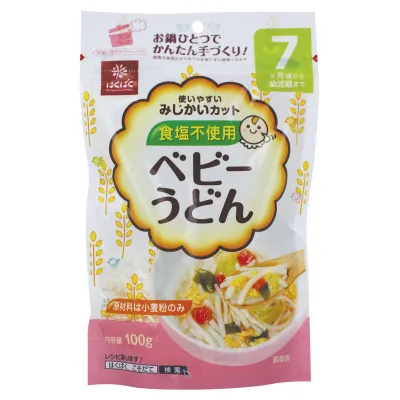
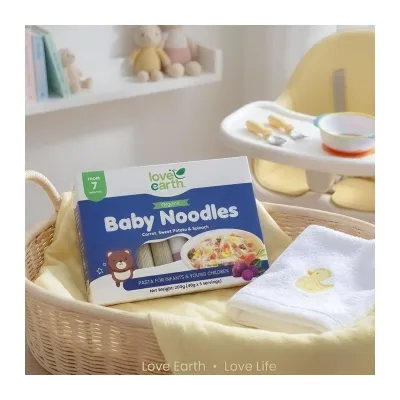
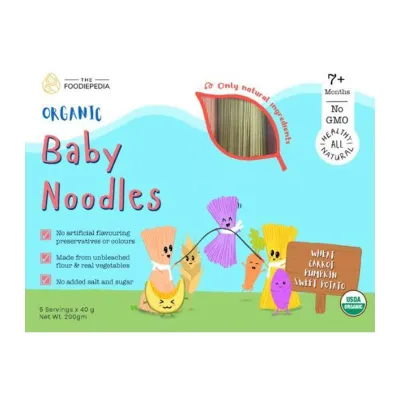
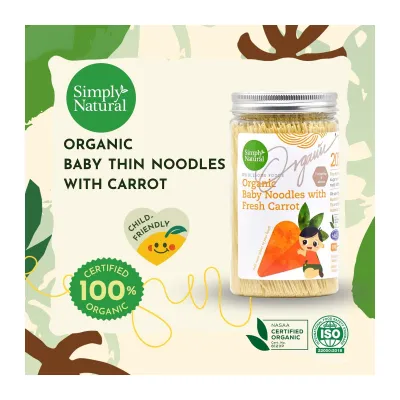
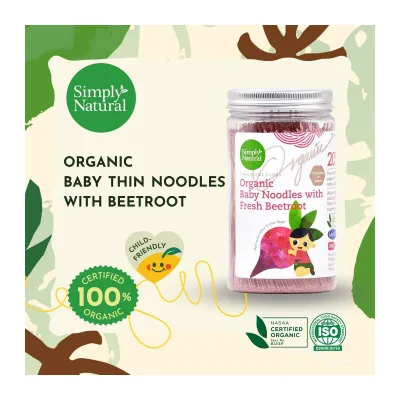
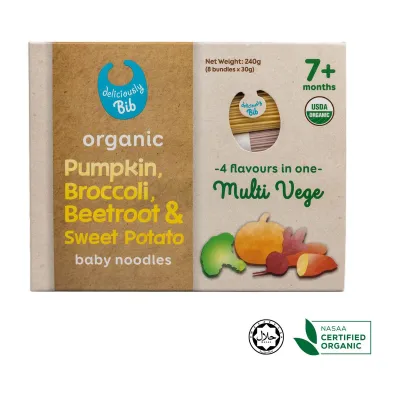
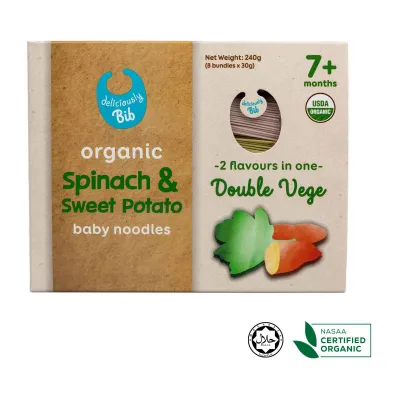
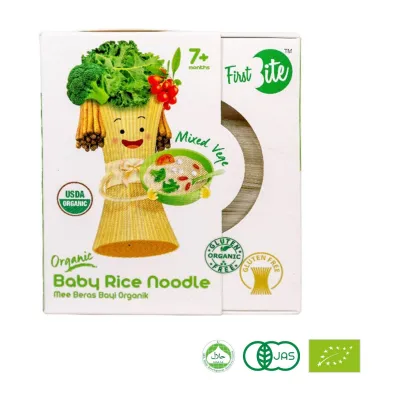
Prices are valid at publication and may change. Please refer to the product page for the latest price.

Sodium content is perhaps the most critical metric to verify on the nutrition information panel. Pediatric guidelines generally recommend keeping sodium intake for infants under twelve months to a minimum, ideally less than 370 milligrams per day. When comparing baby noodle brands, calculate the sodium content per serving rather than relying solely on front-of-pack marketing claims. Many standard adult noodles contain high levels of sodium used for preservation and texture, whereas dedicated baby noodles should ideally contain zero or negligible amounts of sodium (less than 15 milligrams per serving). While specialized baby noodles may cost slightly more than adult varieties—typically ranging from S$3 to S$8 per pack—the nutritional safety and peace of mind they offer are well worth the investment.
In addition to sodium, parents must remain vigilant against hidden sugars and artificial additives. Ingredients such as maltodextrin, corn syrup solids, and sucrose are sometimes added to processed foods to enhance flavor or texture, but they should be entirely absent from your baby’s noodles. Artificial colors and chemical preservatives should also be avoided. Look for brands that rely on natural preservation methods, such as thorough drying, and those that use natural vegetable powders (like spinach, pumpkin, or beetroot) to add color and subtle flavor without relying on synthetic dyes.
When deciding between organic certifications and standard commercial brands, weigh the trade-offs carefully. Organic certifications, such as the USDA Organic or EU Organic logos, indicate that the ingredients were grown without synthetic pesticides or genetically modified organisms. While these certifications offer peace of mind, standard commercial brands can still be safe if they are specifically manufactured under strict infant food regulations. Always verify that any brand you choose complies with local food safety standards and clearly states its suitability for infants on the label.
Matching Noodle Types to Your Baby's Development
As your baby progresses through different stages of weaning, their oral motor skills and ability to handle textures will evolve significantly. During the early stages of weaning, typically around six months of age, your baby’s digestive system and swallowing coordination are just beginning to adapt to solids. For this stage, select exceptionally thin, delicate noodles, such as baby somen or fine rice vermicelli. These noodles cook quickly and can be easily mashed into a smooth, pureed consistency. To test if the texture is safe, press a cooked noodle between your thumb and forefinger; it should squash completely with minimal pressure.
As your baby reaches eight to ten months, they will likely begin developing their pincer grasp—the ability to pick up small objects using their thumb and index finger. This is an excellent time to transition to slightly thicker or shorter noodle shapes, such as tiny macaroni, fusilli, or pre-cut noodle strands measuring about one to two centimeters. These shapes encourage self-feeding and help develop hand-eye coordination. The noodles should still be cooked until they are very soft, but they can retain enough structure for your baby to practice chewing with their gums.
The way noodles absorb water during cooking plays a vital role in their final texture and safety. Infant-specific noodles are formulated to absorb water rapidly and soften thoroughly without becoming excessively sticky or gummy. When preparing noodles, always cook them longer than you would for an adult—often double the standard cooking time—to ensure maximum water absorption. This extra cooking time breaks down the starches, making the noodles highly digestible and significantly reducing the risk of them forming a sticky bolus in the baby’s throat.
Reading Labels and Verifying Safety Standards
Navigating the retail landscape in Singapore requires a critical eye when reading product labels. Start by locating the allergen warning statements, which are legally required to be clearly visible on food packaging. If your baby has a known sensitivity or if you are introducing allergens for the first time, check for warnings regarding wheat, gluten, soy, egg, or sesame. Even if an ingredient is not directly listed in the main recipe, cross-contamination warnings such as “processed in a facility that also handles shellfish” are vital for highly sensitive infants.
In Singapore’s warm and humid climate, proper food storage and quality control are paramount. Before purchasing any baby noodle brand, inspect the packaging for manufacturing dates, expiry dates, and batch numbers. These details are crucial in the rare event of a product recall. Additionally, check the storage instructions on the label; most dry baby noodles should be kept in a cool, dry place, and once opened, they often need to be transferred to an airtight container to prevent moisture absorption and insect infestation.
It is essential to verify whether a product is specifically formulated for infants rather than being a standard adult noodle packaged in a smaller portion. Infant-specific noodles are subject to much stricter regulatory limits regarding heavy metals, pesticide residues, and chemical additives than regular adult foods. Look for explicit labeling such as “suitable for infants from 6 months” or “baby food.” If a product’s packaging is damaged, torn, or has unclear labeling, do not purchase or feed it to your baby; instead, contact the retailer or the manufacturer’s customer service for clarification.
Safe Preparation and Serving Tips for Baby Noodles
Preparing baby noodles safely involves more than just boiling them; it requires a systematic approach to ensure they are easy to swallow and digest. Begin by boiling the noodles in unsalted water until they are exceptionally soft. Do not rely on standard “al dente” cooking times preferred by adults. Once cooked, perform the finger-squash test to confirm that the noodle offers no resistance. If the noodle feels rubbery or firm, continue boiling and add more water if necessary to facilitate complete softening.
After cooking, drain the noodles and cool them to a safe, lukewarm temperature. Depending on your baby’s age and developmental stage, use clean kitchen shears or a fork to cut or mash the noodles into safe, bite-sized pieces. For younger babies, mashing them into a paste or fine puree is recommended, while older babies can handle small pieces of one to two centimeters. Never serve long, uncut noodle strands to an infant, as these can easily wrap around the tongue or trigger a strong gag reflex.
To maximize the nutritional value of a noodle meal, pair the cooked noodles with nutrient-dense ingredients. You can stir in smooth vegetable purees, such as pumpkin, sweet potato, or spinach, which naturally cling to the noodles. Alternatively, cook the noodles in a low-sodium homemade vegetable or bone broth, and add finely minced, well-cooked proteins like chicken, tofu, or white fish. Adding a teaspoon of healthy fat, such as extra virgin olive oil or avocado oil, can also boost calorie density and aid in the absorption of fat-soluble vitamins.
Caregiver supervision is the single most important safety measure during mealtime. Always sit with your baby while they eat, observing their chewing and swallowing patterns closely. Be prepared for some gagging, which is a normal part of learning to manage textures, but know the difference between gagging and choking. Finally, resist the temptation to add salt, soy sauce, or other strong condiments to the noodles. Your baby’s palate is highly sensitive, and keeping the flavors natural will help them appreciate the true taste of wholesome foods.
Frequently Asked Questions (FAQ)
Can I give my baby regular adult noodles instead of specific baby brands?
It is generally not recommended to feed regular adult noodles to infants due to significant nutritional and physical differences. Adult noodles often contain high levels of sodium and alkaline salts (such as kansui) to improve shelf life and elasticity, which can strain a baby’s developing kidneys. Furthermore, adult noodles are designed to retain a firm, chewy texture that poses a serious choking hazard for babies who are still learning to chew. If you must use regular noodles, ensure they are plain, organic wheat or rice noodles with absolutely zero added salt, and cook them thoroughly until they are completely mushy and easily mashed.
When is the right age to introduce noodles to my baby?
Most babies are ready to try noodles around six months of age, which coincides with the general recommendation for introducing solid foods. Before offering noodles, ensure your baby displays physical signs of readiness, such as sitting upright with minimal support, maintaining good head control, and showing active interest in your food. Since noodles typically contain wheat, which is a common allergen, it is best to introduce them after your baby has successfully tolerated simpler single-ingredient purees. If there is a family history of food allergies or eczema, consult your pediatrician before introducing wheat-based noodles.
How should I store leftover cooked baby noodles?
Cooked baby noodles must be handled with strict food safety practices to prevent bacterial growth. In Singapore’s warm climate, never leave cooked noodles at room temperature for more than one hour. If you have leftovers, transfer them immediately to a clean, airtight container and store them in the refrigerator, where they should be consumed within 24 hours. While you can freeze cooked noodles, be aware that freezing often alters their cellular structure, making them excessively mushy, watery, or rubbery upon reheating, which can compromise both their texture and safety for your baby.
Community discussion
Share your experience or ask a question. Comments are reviewed before publication.