
Selecting the right foods during your child’s first year is a foundational step in their long-term health and development. The best baby food pouch brands available in Singapore are those that align precisely with your child’s shifting nutritional requirements, offering clean ingredient profiles, zero added sugars, and textures tailored to their developmental milestones. While homemade meals remain the gold standard for sensory variety, high-quality commercial pouches provide a safe, convenient, and nutrient-dense option for busy Singaporean parents.
As your baby transitions from an all-milk diet to solid foods, their physiological needs change rapidly. Understanding how to evaluate these products ensures you can confidently navigate the crowded shelves of local supermarkets and specialty boutiques, selecting options that actively support your baby’s physical and cognitive growth.
Understanding Nutritional Needs Across Developmental Stages
During the first six months of life, breast milk or infant formula provides all the hydration, energy, and micronutrients your baby requires for healthy development. However, around the six-month mark, a baby’s natural internal stores of critical minerals—particularly iron and zinc—begin to deplete. This physiological shift marks the necessity of complementary feeding. Introducing solids is not merely about introducing new flavors; it is a vital process of filling these nutritional gaps with nutrient-dense foods while continuing milk feeds as the primary source of nutrition.
Products mentioned in this guide
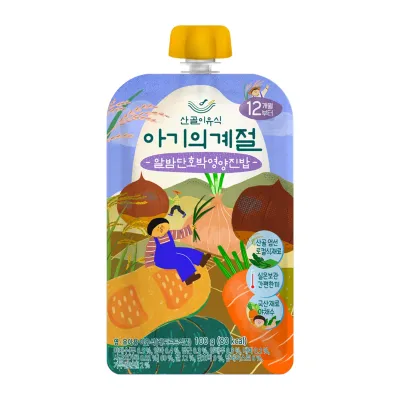
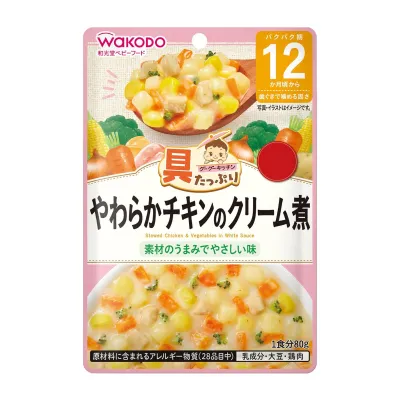
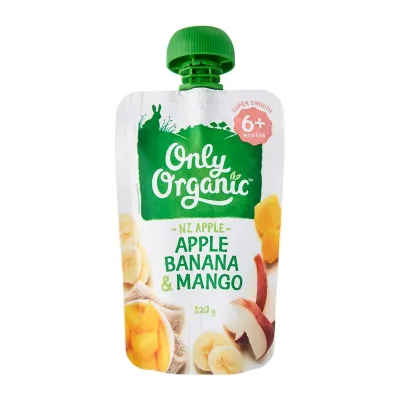
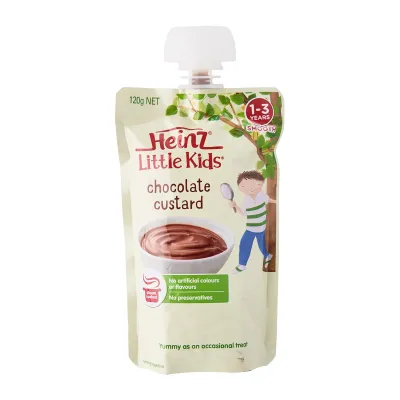
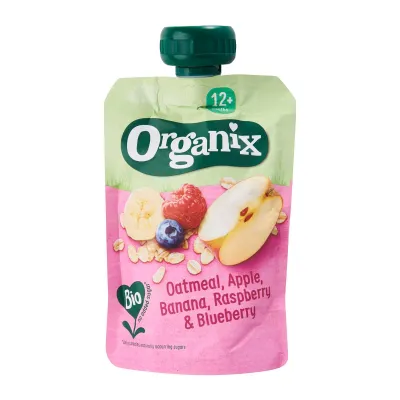
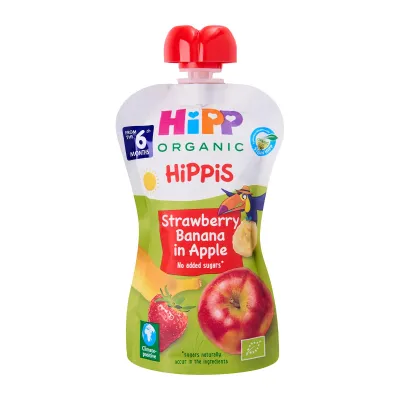
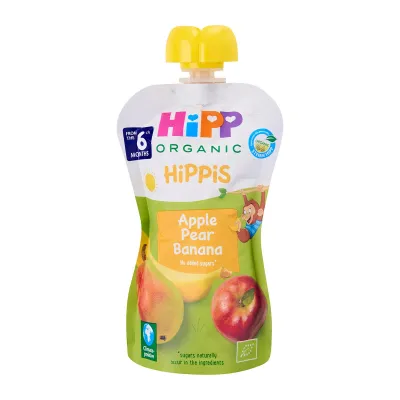
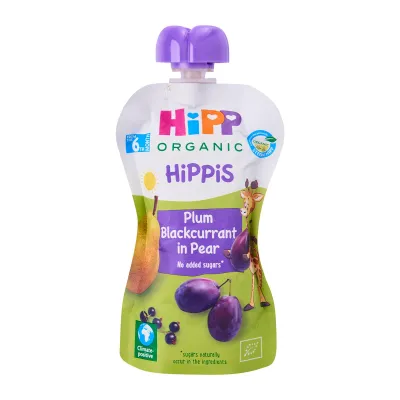
Prices are valid at publication and may change. Please refer to the product page for the latest price.
Iron is of paramount importance during this rapid growth phase, as it supports cognitive development and healthy red blood cell production. Zinc is equally vital for immune function and cellular growth. Alongside these minerals, healthy dietary fats are essential for myelin sheath development in the brain and for facilitating the absorption of fat-soluble vitamins. Consequently, the complementary foods you introduce must prioritize these specific nutrients to ensure your baby’s physiological demands are met.
Beyond pure nutrition, the transition to solids is a critical window for oral motor development. Babies must progress from the simple sucking reflex used during milk feeds to complex oral movements, including tongue lateralization, jaw stability, and chewing. Introducing a progressive sequence of food textures—moving from perfectly smooth purées to thicker mashes, and eventually to soft, chunky blends—stimulates the muscles of the mouth and jaw. This physical progression not only prepares your child for family meals but also supports the muscular coordination necessary for early speech development.
While general pediatric guidelines offer a structured timeline for introducing solids, every child develops at their own pace. It is essential to monitor your baby for physical signs of readiness, such as sitting with minimal support, holding their head steady, and showing active interest in food, rather than relying solely on age markers. Always consult your pediatrician or a qualified healthcare professional before starting complementary foods, especially if your baby was born prematurely or has underlying health conditions.
Key Criteria for Evaluating Baby Food Pouch Brands
When standing in the baby food aisle of a Singapore supermarket, the sheer volume of choices can be overwhelming. To select the highest quality products, you must look past front-of-pack marketing claims and focus on the ingredient list and nutritional information panel. Ingredients are always listed in descending order by weight. The first three ingredients should consist of whole, recognizable foods—such as specific vegetables, fruits, grains, or meats—rather than water, fillers, or thickeners.

An essential rule when evaluating any baby food pouch is the strict avoidance of added sugars and sodium. Young kidneys are still maturing and cannot process excess salt, while added sugars can contribute to early tooth decay and establish a lifelong preference for overly sweet foods. Inspect the label carefully for hidden sugars disguised under names like organic cane sugar, brown rice syrup, or fruit juice concentrates. While fruit juice concentrate sounds natural, it is often used as a highly concentrated sweetener that strips away the beneficial fiber of the whole fruit, leaving behind free sugars that cause rapid blood sugar spikes.
To maximize the nutritional value of commercial pouches, look for smart ingredient combinations that enhance nutrient absorption. For example, plant-based iron (non-heme iron) found in ingredients like spinach, lentils, and oats is more easily absorbed by your baby’s body when paired with vitamin C-rich ingredients, such as blueberries, strawberries, or sweet potatoes. Selecting brands that naturally balance these food groups within a single pouch can significantly boost the nutritional efficiency of each spoonful.
Finally, the physical packaging of the pouch demands close inspection. Ensure the packaging explicitly states it is BPA-free (Bisphenol A), as this chemical can disrupt endocrine function and is highly undesirable in food contact materials. Look for robust, tamper-evident caps and clear, legible manufacturing and expiration dates. High-quality brands often feature transparent windows on the back or bottom of the pouch, allowing you to visually inspect the contents for color consistency and quality before making a purchase.
What to Look for in Pouch Brands by Age Group
As your baby grows, their nutritional requirements and oral motor capabilities evolve. Commercial baby food brands typically categorize their products into distinct stages, but you must verify that the ingredients and textures within these stages match your child’s specific developmental readiness.
Stage 1: First Tastes (Around 6 Months)
At the start of the complementary feeding journey, the primary goal is to introduce your baby to the concept of swallowing non-liquid foods and to monitor for any adverse food reactions. For this initial stage, select pouches that feature single-ingredient vegetable or fruit purées. Feeding single ingredients one at a time makes it straightforward to isolate and identify the culprit if your baby experiences an allergic reaction, such as a skin rash, digestive upset, or swelling. If you observe any of these symptoms, stop feeding the product immediately and seek medical advice.
The texture of Stage 1 pouches must be completely smooth, silky, and free of any lumps, mimicking a consistency that easily slides off a spoon. This minimizes the risk of gagging or choking as your baby learns to coordinate their swallowing reflex. When choosing starter pouches, actively seek out brands that offer single-ingredient savory vegetables—such as pumpkin, butternut squash, green peas, or broccoli—rather than sweet fruits. Introducing savory and slightly bitter vegetable profiles first helps cultivate a palate that accepts a wider variety of foods, reducing the likelihood of picky eating behaviors as they grow older.
Stage 2: Texture and Nutrient Density (8 to 10 Months)
By eight to ten months, most babies are ready to transition to more complex flavor combinations and thicker consistencies. During this stage, look for pouch brands that offer finely mashed, textured, or slightly grainy purées rather than completely smooth liquids. This texture encourages your baby to practice chewing motions, using their gums to break down soft food particles, which is a vital milestone in oral motor development.
Nutrient density becomes increasingly critical during Stage 2 as your baby’s physical activity levels rise. Evaluate brands that combine multiple food groups in a single pouch, pairing vegetables and fruits with plant- or animal-based proteins and healthy fats. Look for ingredients such as lentils, chickpeas, chicken, or wild-caught fish, alongside fat sources like avocado oil, coconut milk, or olive oil. These healthy fats are essential for sustained energy and cognitive health, while the diverse ingredients introduce your baby to complex, savory flavor profiles that expand their culinary horizons.
Stage 3: Toddler Meals and Complex Flavors (12+ Months)
After their first birthday, toddlers are transitioning toward eating modified versions of family meals. Pouches designed for this stage should reflect this shift by offering chunky, hearty textures that require active chewing. Look for brands that provide complete meal-like combinations, incorporating whole grains like quinoa, brown rice, millet, or spelt, alongside substantial protein sources and mixed vegetables.
At this stage, portion sizes are naturally larger to accommodate your toddler’s increased energy needs. However, you must remain vigilant about checking labels for hidden sodium or sweeteners, as some toddler-targeted snacks contain added flavor enhancers to appeal to older children. It is important to remember that Stage 3 pouches should serve as convenient, on-the-go snacks or nutritional supplements rather than complete replacements for family meals. Sitting at the family table and observing adults eat whole foods is irreplaceable for teaching social eating behaviors and encouraging self-feeding skills.
Navigating Baby Food Pouches in Singapore: Shopping and Label Verification
In Singapore, parents have access to a wide variety of local and imported baby food brands. These products can be sourced through major brick-and-mortar supermarkets, specialized mother-and-baby physical boutiques, and reputable online retailers or official brand storefronts. When shopping in physical stores, take the opportunity to physically inspect the packaging. In Singapore’s warm, humid tropical climate, proper storage is crucial. Avoid purchasing pouches that are displayed in direct sunlight or stored in hot, non-air-conditioned sections of a store, as prolonged heat exposure can compromise the vacuum seal and accelerate food spoilage.
Before purchasing, always verify the integrity of the pouch. Gently squeeze the packaging to ensure there are no micro-leaks or weak spots along the heat-sealed edges. The cap should be firmly sealed with its tamper-evident plastic ring completely intact. If a pouch appears bloated, swollen, or yields to pressure with a hissing sound, discard it immediately or return it to the retailer, as these are definitive signs of bacterial contamination and fermentation.
Additionally, pay close attention to the nutritional information panels and distributor labels. Imported baby foods sold in Singapore must comply with the food safety standards set by the Singapore Food Agency (SFA). Reputable importers will affix a clear English-language label detailing the ingredient list, nutritional breakdown, country of origin, and local distributor contact details if the original packaging is in a foreign language. Verifying these details ensures you are purchasing genuine, regulated stock rather than unauthorized parallel imports that may not have been transported under temperature-controlled conditions.
Safety, Storage, and Feeding Best Practices
While the convenience of a squeeze pouch is undeniable, how you feed your baby is just as important as what you feed them. It is strongly advised to avoid letting your baby suck the purée directly from the pouch nozzle. Sucking directly bypasses the developmental need for chewing and spoon-feeding, which can delay oral motor progression. Furthermore, direct sucking pools the puréed food—which naturally contains fruit sugars and acids—around your baby’s front teeth for extended periods, significantly increasing the risk of early childhood dental caries.
To practice safe feeding, always squeeze the desired portion of purée onto a clean spoon or into a small, sterile bowl before offering it to your child. Ensure your baby is seated in an upright position in a secure high chair, under direct caregiver supervision at all times, to prevent choking hazards. Feeding from a bowl also allows your baby to see the food, interact with its color and aroma, and learn to open their mouth in anticipation of the spoon, which fosters healthy eating habits and supports proper lip-closure reflexes.
Proper storage of opened pouches is vital to prevent foodborne illness. Once a pouch is opened, any contact with air introduces bacteria. If your baby has not fed directly from the nozzle, you can re-cap the remaining portion and store it in the refrigerator immediately. Most manufacturers recommend consuming refrigerated leftovers within 24 to 48 hours; always check the specific storage instructions on the product packaging. If you have fed your baby directly from the pouch or if the spoon used for feeding has touched the nozzle, discard any leftovers immediately, as salivary enzymes and oral bacteria will contaminate the remaining food.
When warming baby food, never place the pouch directly into a microwave. The plastic and aluminum lining of the pouch can spark, and microwave heating creates uneven “hot spots” that can severely burn your baby’s sensitive mouth. Instead, place the sealed pouch into a bowl of warm—not boiling—water for a few minutes. Once warmed, gently massage the pouch to distribute the heat evenly, squeeze a small drop onto the inside of your wrist to verify it is at a safe, lukewarm temperature, and then serve.
Frequently Asked Questions (FAQ)
Can baby food pouches replace homemade meals entirely?
No, commercial baby food pouches should not entirely replace fresh, homemade meals. While pouches offer excellent convenience during travel, busy days, or outings across Singapore, they lack the sensory diversity of freshly prepared whole foods. Homemade meals allow your baby to experience distinct textures, vibrant colors, and individual aromas that are often lost during the high-heat pasteurization process required for shelf-stable pouches. Over-reliance on smooth purées can delay jaw development and make transitioning to family table foods more challenging. For optimal development, use pouches as a supportive tool alongside a varied diet of fresh, whole foods.
How do I know if a pouch has gone bad?
You can identify a spoiled baby food pouch through several clear, physical indicators. First, inspect the packaging; if the pouch is bloated, swollen, or leaking, gas-producing bacteria have contaminated the contents, and it must be discarded immediately. Upon opening, check for an off-odor, a sour or fermented smell, or any unusual discoloration. Look closely at the nozzle and inside the cap for any signs of dark spots or visible mold. Finally, if the tamper-evident seal was broken at the time of purchase, or if an opened pouch has been left unrefrigerated for more than two hours, do not risk your baby’s health—discard the product immediately.
Community discussion
Share your experience or ask a question. Comments are reviewed before publication.