
Finding the right kids storage cabinet for a compact nursery in Singapore requires balancing a minimal floor footprint with maximum vertical utility. In typical HDB flats and condominiums where floor space is at a premium, the most effective storage solutions are tall, narrow vertical cabinets, multi-functional furniture pieces, and modular systems that adapt as your child grows. By prioritizing vertical height over floor width, you can keep essential baby items organized without overcrowding the room or restricting movement.
Setting up a nursery in a limited layout means every square centimeter must serve a clear purpose. A well-chosen cabinet not only keeps diapers, clothing, and toys organized but also ensures the room remains safe and easy to navigate during late-night feeds. To make the best decision, caregivers must evaluate their specific spatial constraints, understand the structural safety requirements of children’s furniture, and plan for proper installation clearances.
Assessing Your Nursery Space and Storage Needs
Before browsing online marketplaces or visiting local furniture showrooms, you must accurately measure the designated floor area of your nursery. Use a reliable measuring tape to map out the exact dimensions of the room, taking careful note of the placement of existing essential furniture such as the crib, changing table, or nursing chair. Marking the footprint of potential cabinets on the floor with masking tape can help you visualize how much physical space remains for walking and caregiving tasks.
Products mentioned in this guide
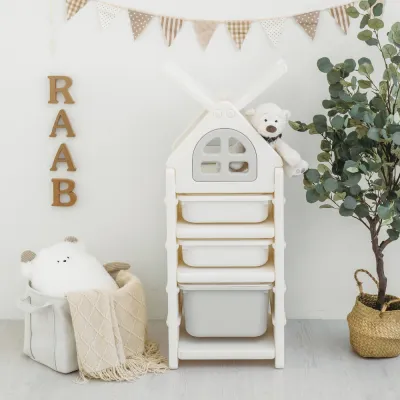
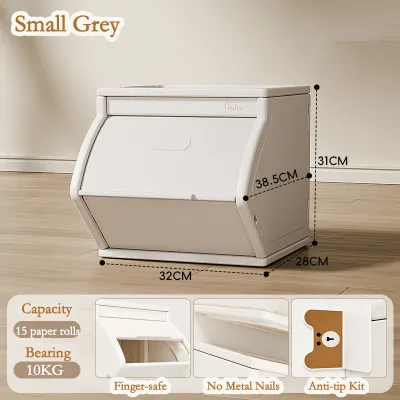
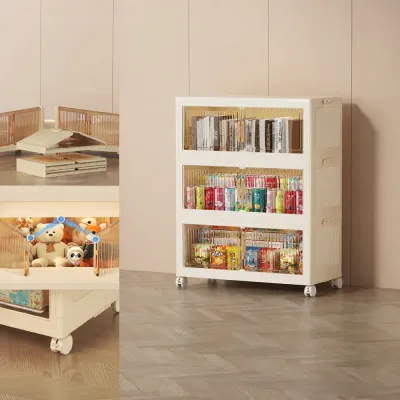
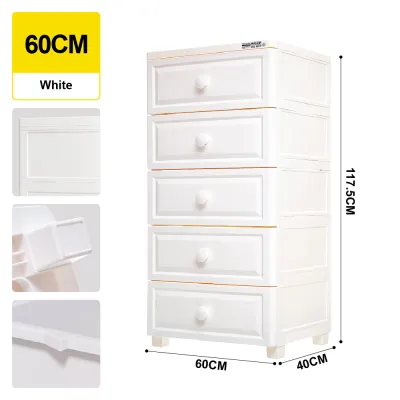
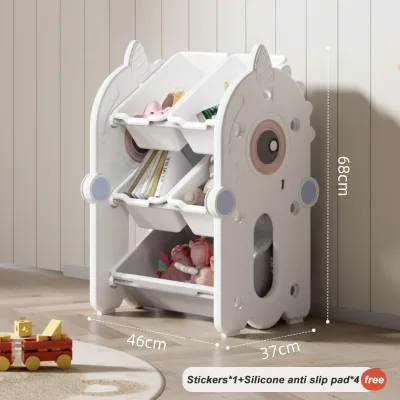
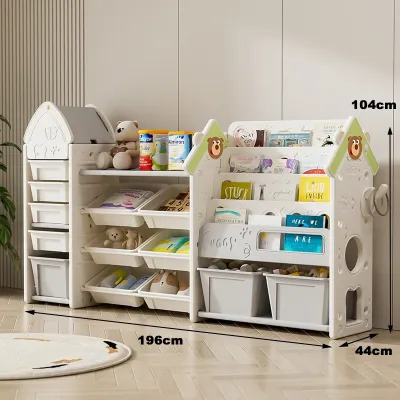
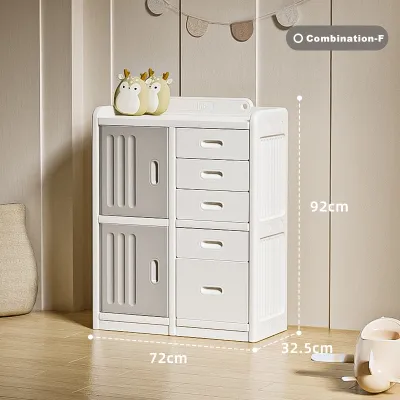
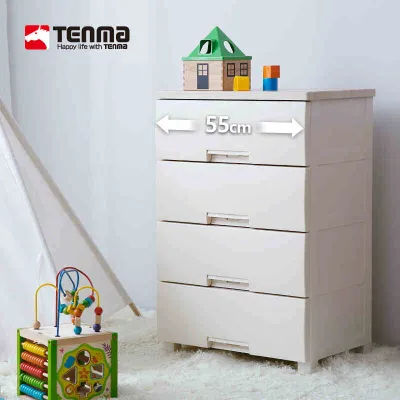
Prices are valid at publication and may change. Please refer to the product page for the latest price.
Once you have established the physical boundaries of the room, categorize your nursery items by their size, weight, and frequency of use. Grouping items systematically allows you to determine the necessary internal capacity and shelf strength of your future cabinet. For instance, heavy items like bulk packages of wet wipes or wooden toys require sturdy lower shelves, while lightweight items like extra swaddles or seasonal clothing can be placed higher up.
Differentiating between daily essentials and long-term storage needs is crucial for maintaining an efficient nursery workflow. Daily necessities—such as diapers, creams, burp cloths, and current-size onesies—should be stored in highly accessible, open shelves or smooth-gliding drawers at waist height. Conversely, out-of-season clothing, next-size-up baby gear, and sentimental items can be placed in upper compartments or closed cabinets, keeping the most frequently used items within arm’s reach.
Space-Efficient Cabinet Designs for Compact Rooms
When floor space is limited, tall and narrow vertical cabinets are excellent options for utilizing upward space that would otherwise go unused. By extending the storage unit upward toward the ceiling, you gain multiple tiers of shelving while occupying the same floor footprint as a small bedside table. This vertical approach keeps the center of the room open, creating a more spacious feel and leaving ample room for your baby to crawl and play safely as they grow.

Multi-functional storage units offer another highly effective way to reduce furniture clutter in a small nursery. Look for hybrid designs that combine a chest of drawers with a secure, removable changing topper on top, or units that integrate open toy cubbies with a low-profile bench seat. Combining these essential functions into a single piece of furniture eliminates the need for separate individual items, freeing up valuable floor space for easier movement around the room.
Utilizing under-crib space or low-profile under-bed drawers is an excellent strategy for reclaiming dead space in a compact room. Many modern crib designs feature built-in drawers underneath, or leave enough clearance for shallow, wheeled storage bins. These low-profile containers are perfect for storing spare bed sheets, mattress protectors, or items that you do not need to access multiple times a day, keeping them dust-free and completely out of sight.
Modular or adjustable shelving systems provide long-term value because they can be reconfigured as your child’s developmental needs change. In the infant stage, you can adjust the shelves to accommodate small storage baskets filled with tiny socks, mittens, and diapers. As your child transitions into toddlerhood and preschool years, you can reposition the shelves to fit larger toy bins, picture books, and hanging school uniforms, ensuring the cabinet remains useful for years to come.
Key Safety and Durability Checks for Kids' Furniture
Safety must always be the primary consideration when selecting any furniture for a child’s room, especially tall storage units. You must verify whether the manufacturer includes a dedicated anti-tip kit with the cabinet and carefully read their mandatory wall-anchoring instructions. Heavy drawers pulled out simultaneously can shift the center of gravity, making unsecured cabinets a severe tipping hazard for curious toddlers who may attempt to climb them.
Inspect the physical specifications of the cabinet to ensure it features smooth, rounded edges and recessed or child-safe hardware. Sharp corners pose a risk of injury to active toddlers, while protruding drawer pulls can snag clothing or cause painful bumps during play. Opting for integrated cut-out handles or flush-mounted hardware minimizes these risks and contributes to a sleeker, more streamlined appearance that suits compact modern interiors.
Carefully review the manufacturer’s product documentation, labels, and material certifications to verify the safety of the finishes used. Look for cabinets finished with non-toxic, lead-free paints or water-based lacquers, and check for compliance with recognized low-formaldehyde emission standards. Because infants and toddlers frequently explore their environment with their mouths and hands, ensuring the furniture does not off-gas harmful chemicals is essential for maintaining healthy indoor air quality.
Evaluate the mechanical components of the cabinet, specifically looking for robust drawer stop mechanisms and soft-close hinges. Drawer stops prevent drawers from being pulled completely out of the frame and falling onto a child, while soft-close mechanisms prevent heavy doors and drawers from slamming shut on delicate fingers. Testing these features or verifying their inclusion in the product specifications helps prevent common household pinch injuries.
Measuring Clearances and Installation Requirements
A common oversight when purchasing nursery furniture is failing to measure the access routes leading to the nursery room. Before finalizing your purchase, measure the width and height of all entryways, hallways, elevator doors, and staircases in your building to ensure the delivery team can safely transport the cabinet. If you live in a high-rise apartment, verifying these dimensions beforehand prevents the frustration of a delivery that cannot fit through your front door.
Within the nursery itself, you must maintain adequate walking clearance around high-activity zones like the crib and the changing area. Caregivers need sufficient space to stand, bend, and lift the baby comfortably without bumping into the corners of a nearby cabinet. Ensuring a clear path of at least 60 to 90 centimeters around these key areas promotes a safer, more ergonomic environment for daily caregiving routines.
Additionally, you must account for the physical clearance required to operate the cabinet doors and drawers fully. Measure the depth of the drawers when they are completely extended, as well as the swing radius of any cabinet doors, to ensure they do not collide with the crib, walls, or other furniture. Leaving a small ventilation gap of one to two centimeters between the back of the cabinet and the wall is also recommended to prevent moisture buildup, which is particularly important in Singapore’s humid tropical climate.
Common Sizing and Placement Mistakes to Avoid
One of the most critical mistakes to avoid is placing tall, heavy cabinets near windows, curtains, or other climbable structures. Children can use lower drawers or nearby toys as steps to climb higher, creating a dangerous fall hazard near open windows or curtain cords. Always position tall storage units against solid interior walls, far away from window frames and any cords that could present a strangulation risk.
Another frequent error is overestimating the usable space in the room by only measuring the cabinet’s closed dimensions. Forgetting to factor in the extra space needed for open drawers or doors can result in a cramped layout where you cannot access your storage fully without moving other furniture. Always map out the room’s layout using the maximum extended dimensions of the furniture to ensure complete functionality.
Finally, ensure that the placement of the storage cabinet does not block essential household pathways, air conditioning vents, or electrical outlets. Blocking ventilation vents can disrupt the airflow and temperature regulation in the nursery, while covering outlets can make it difficult to plug in baby monitors or nightlights safely. Keeping these pathways clear ensures the nursery remains comfortable, functional, and safe under all conditions.
Frequently Asked Questions (FAQ)
How do I securely anchor a tall storage cabinet in a rented flat?
To securely anchor a tall cabinet in a rented apartment, you must first identify the specific wall material, as concrete, drywall, and hollow brick walls require different types of wall plugs, screws, and drilling bits. In Singapore, many HDB flats feature solid concrete or precast internal walls, which require a hammer drill and masonry wall plugs to achieve a secure hold. Drywall partitions, more common in newer condos, require specialized toggle bolts or heavy-duty drywall anchors instead.
Before drilling any holes, carefully review your tenancy agreement to understand the rules regarding wall modifications, hole size limits, and move-out restoration requirements. Most landlords permit standard furniture anchoring for safety reasons, provided you patch and paint the holes properly when your lease ends. If you are uncertain about the wall material, the location of hidden electrical wiring, or how to perform the installation safely, it is highly recommended to hire a qualified local handyman or professional installer to complete the task.
Community discussion
Share your experience or ask a question. Comments are reviewed before publication.