
When you are out and about with a baby, a reliable pack of wet wipes is an absolute necessity. From quick diaper changes in public restrooms to wiping sticky fingers at the park, these portable tools keep hygiene manageable when away from home. However, finding suitable portable wet wipes in a small pack requires balancing convenience with strict ingredient safety. The ideal travel wipe must be compact enough to fit into a crowded diaper bag, feature a secure seal that prevents drying out, and contain a gentle, skin-safe formulation that does not cause irritation on delicate infant skin.
Selecting the right product involves looking beyond eye-catching packaging and front-of-pack marketing slogans. Parents must understand how to evaluate physical pack designs, decode ingredient lists, and match different wipe formats to their specific daily routines. In a warm and humid climate like Singapore’s, where sweat and friction can make a baby’s skin even more prone to diaper rash, choosing a wipe with safe, non-irritating ingredients is paramount. This guide provides the practical criteria, safety checks, and verification steps needed to build a reliable shortlist of small-pack baby wipes for all your on-the-go needs.
Key Criteria for Evaluating Small Pack Baby Wipes
To be truly useful for on-the-go parenting, a pack of baby wipes must meet specific physical and functional standards. The first consideration is the physical footprint of the pack. A standard home-use tub or refill pack containing 80 or more wipes is far too heavy and bulky to carry comfortably during daily outings. For portability, look for small packs containing between 10 and 30 wipes. These compact packs typically weigh under 200 grams and feature slim profiles that slide easily into diaper bag organizers, stroller handlebars, or even a pocket. Keeping the pack small ensures that you only carry what you need for the day, reducing physical strain and leaving more room for other essentials.
Products mentioned in this guide
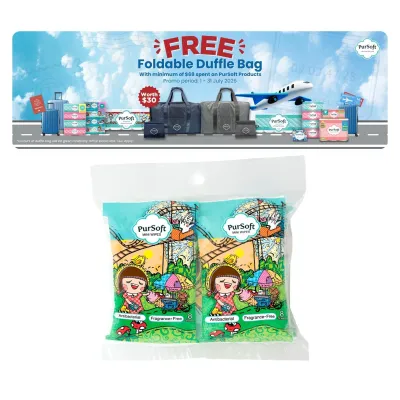
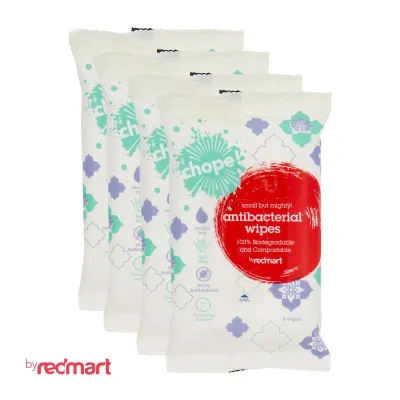
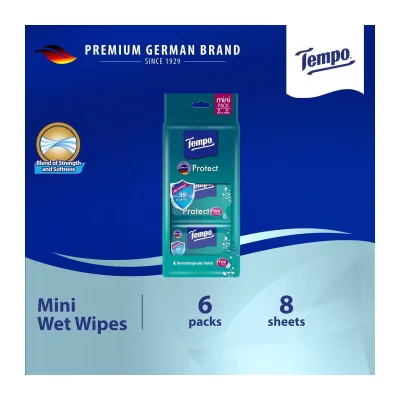
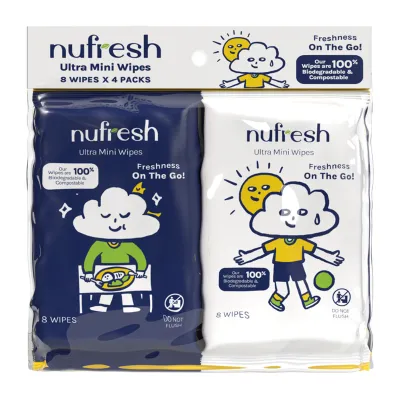
Prices are valid at publication and may change. Please refer to the product page for the latest price.
The sealing mechanism of a travel pack is another critical factor that determines its longevity and usability. Because portable wipes are frequently jostled inside bags and exposed to varying temperatures, the seal must be robust enough to prevent moisture loss. There are two primary seal designs: adhesive sticker seals and rigid plastic flip-top lids. Adhesive stickers are lightweight and allow the pack to remain as flat as possible, but they are highly susceptible to losing their stickiness. Dust, lint from diaper bags, and oily residues from diaper creams can quickly coat the adhesive, causing the flap to curl up and leave the wipes exposed to the air, which leads to rapid drying. In contrast, rigid plastic flip-top lids provide a much more secure, airtight seal that snaps shut reliably. While they add a small amount of bulk, they are generally preferred for packs that will be carried over several days, as they guarantee the wipes remain fully saturated until the very last sheet.
Finally, the physical characteristics of the wipe itself—specifically its thickness, material, and texture—play a major role in how effectively it performs. Flimsy, thin wipes often tear during use, forcing parents to use multiple sheets for a single diaper change. This not only wastes product but also increases the risk of getting messes on your hands. High-quality portable wipes are made from thick, durable materials such as spunlace non-woven fabric or plant-based fibers like viscose and cotton. Textured or embossed surfaces are particularly effective, as they provide a gentle grip that lifts messes away from the skin with minimal friction. When evaluating wipes, look for those that offer a balance of softness and tensile strength, ensuring you can clean up diaper messes or sticky hands efficiently with just one or two sheets.
Ingredient Safety Checks for Sensitive Skin
A baby’s skin barrier is significantly thinner and more permeable than an adult’s, making it highly vulnerable to chemical irritants. When choosing wet wipes, especially for frequent use on the sensitive diaper area, reading and understanding the ingredient list is the most important step a parent can take. Many commercial wipes contain preservatives and additives that can trigger contact dermatitis, redness, and itching. Among the primary ingredients to avoid are simple alcohols, such as ethanol or isopropyl alcohol, which strip natural oils from the skin and cause severe dryness. Parabens, which are commonly used as preservatives to prevent mold and bacterial growth, should also be avoided due to concerns over skin sensitivity. Phenoxyethanol is another preservative frequently found in personal care products; while regulated, it can still cause allergic reactions in infants with highly sensitive skin or eczema.

Synthetic fragrances are another major source of skin irritation. While a scented wipe might seem appealing for masking diaper odors, the chemical compounds used to create these fragrances are common allergens. On the ingredient list, these are often masked under broad terms like “fragrance” or “parfum.” It is always safest to opt for completely fragrance-free wipes to minimize the risk of skin sensitization. Parents should also look for recognized dermatological testing and allergy certifications on the packaging. Labels indicating that a product is “dermatologically tested,” “hypoallergenic,” or approved by independent pediatric or allergy organizations provide an extra layer of reassurance. These certifications indicate that the formulation has undergone clinical safety assessments to verify its compatibility with sensitive skin.
It is crucial for parents to distinguish between front-of-pack marketing claims and the actual INCI (International Nomenclature of Cosmetic Ingredients) list printed on the back. A package may boldly claim to be “natural,” “organic,” or “pure,” but these terms are often used loosely for marketing purposes. The true formulation is revealed only by the INCI list, where ingredients are listed in descending order of concentration. In a safe, high-quality baby wipe, water (often listed as aqua) should always be the primary ingredient, typically comprising 97% to 99% of the total formulation. The remaining percentage should consist of mild, food-grade preservatives (such as sodium benzoate or citric acid) and gentle skin-conditioning agents (like aloe vera or chamomile extract). By cross-referencing the front-of-pack claims with the actual ingredient list, you can ensure you are purchasing a product that is truly safe for your baby’s skin.
Matching Wipe Formats to On-the-Go Scenarios
Different outings require different levels of preparation, and matching your wipe format to your specific scenario can make daily routines much smoother. For quick daily errands, such as a brief trip to the local supermarket, a doctor’s appointment, or a short play session at the neighborhood park, carrying a fully loaded diaper bag is often unnecessary. In these situations, ultra-compact pocket packs containing 10 to 15 wipes are the ideal choice. These packs are incredibly lightweight and slim, fitting easily into a small crossbody bag, a stroller handlebar organizer, or even a pocket. Because these packs are small and used quickly, the adhesive sticker seal is usually sufficient, as the pack will likely be emptied before the adhesive has a chance to lose its grip or dry out.
For longer outings, such as full-day family excursions, weekend road trips, or flights, a more substantial travel pack is required. In these scenarios, look for packs containing 20 to 30 wipes equipped with a rigid plastic flip-top lid. The hard lid is essential for travel, as it prevents the pack from being compressed and accidentally opened inside a tightly packed bag, which could lead to leaks or dried-out wipes. Multi-pack bundles are highly practical for travel, allowing you to keep one pack in your primary diaper bag, one in a carry-on, and another in a backup pouch. Having a slightly larger count ensures you have an ample supply of wipes to handle multiple diaper changes, messy meals, and dirty surfaces throughout the day without worrying about running out.
Another important consideration is establishing emergency stashes in key locations. It is a common parenting experience to find yourself away from your main diaper bag when a sudden spill or diaper emergency occurs. Keeping a dedicated pack of wipes in the glove compartment of your car, tucked into the storage basket under your stroller, or stored in a desk drawer at your workplace ensures you are always prepared. For these long-term stashes, select packs with highly durable packaging materials that resist punctures and feature robust seals. Since these wipes may sit unused for weeks or even months, a high-quality seal is critical to maintaining moisture retention over time. It is also wise to check these emergency packs periodically to ensure they remain sealed and moist.
Building Your Shortlist: What to Verify Before Buying
Before finalizing a purchase of small pack baby wipes, especially when shopping on online marketplaces or buying in bulk, there are several practical checks you should perform to ensure you get good value and quality. First, always verify the manufacturing dates, batch numbers, and expiration dates. While unopened baby wipes generally have a shelf life of two to three years from the manufacture date, buying excessively large quantities of travel packs can be counterproductive if they sit in storage past their expiration. Once a pack is opened, the shelf life drops significantly, and the wipes should ideally be used within three to six months to prevent drying and maintain preservative efficacy. If you are purchasing a multi-pack bundle, ensure that your family’s usage rate aligns with the expiration dates so that no packs go to waste.
Another important step is calculating the true cost of the wipes by determining the price per wipe. A multi-pack may appear to be a bargain based on its upfront price, but if the individual packs contain very few sheets or if the wipes themselves are so thin that you must use three times as many to clean a mess, the actual value is low. To calculate the price per wipe, divide the total price of the package by the total number of wipes included across all packs. This simple calculation allows you to make direct, objective comparisons between different brands and pack sizes, helping you identify which option offers the most suitable balance of quality and cost-effectiveness.
Finally, take the time to read recent user reviews on e-commerce platforms, paying close attention to feedback regarding seal durability, moisture retention, and dispensing issues. One of the most common complaints about baby wipes is poor dispensing, where pulling one wipe causes multiple sheets to cling together and feed out in a continuous chain. This is not only wasteful but also highly inconvenient when you are trying to manage a diaper change with one hand. Look for reviews that mention “one-at-a-time” dispensing or praise the folding design of the wipes. Additionally, check for any recurring complaints about the adhesive stickers losing their grip quickly or the plastic lids snapping off during transit, as these physical defects can render an entire pack of wipes useless before you have a chance to use them.
Frequently Asked Questions (FAQ)
Can I transfer wipes from a large pack into a smaller reusable container?
While transferring wipes from a large, economical home pack into a smaller reusable travel container seems like a practical way to save money, it carries significant hygiene and moisture-retention risks. Baby wipes are manufactured in sterile environments and formulated with precise preservative systems designed to prevent the growth of bacteria, mold, and yeast. When you open a large pack and manually handle the wipes to transfer them, you introduce bacteria from your hands and the surrounding air into the container. Furthermore, most third-party reusable travel cases are not completely airtight, which leads to rapid evaporation of the moisture and can compromise the effectiveness of the preservatives.
If you must transfer wipes for short-term use, it is vital to follow strict hygiene protocols. Thoroughly sanitize the reusable container using boiling water or isopropyl alcohol and allow it to dry completely before use. Wash your hands meticulously with soap and water before handling the wipes. Only transfer a small number of wipes—ideally no more than what you expect to use within 24 to 48 hours—to minimize the time they spend in the non-sterile container. Any wipes left unused after this period should be discarded to avoid exposing your baby to potential bacterial contamination.
How long do unopened small wipe packs last in a hot car?
Leaving a pack of baby wipes in a car is a convenient way to ensure you always have an emergency stash, but high temperatures can severely impact the safety and quality of the product. When a vehicle is parked in the sun, internal temperatures can rise far above ambient levels, creating an environment that accelerates the degradation of the wipes. High heat can cause the chemical preservatives in the formulation to break down more rapidly, reducing their ability to inhibit bacterial and mold growth. Additionally, extreme heat causes the liquid inside the pack to evaporate and condense against the top or sides of the plastic packaging, resulting in some wipes becoming completely dry while others remain oversaturated.
To ensure safety, always check the manufacturer’s storage guidelines printed on the packaging, which typically recommend storing wipes in a cool, dry place below 30 degrees Celsius. If a pack of wipes has been left in a hot car for an extended period, you should inspect it carefully before use. Look for physical signs of degradation, such as bloating of the plastic packaging, a sour or unusual odor when opened, or visible dryness of the sheets. If any of these signs are present, the pack should be discarded immediately. To prevent these issues, consider storing your emergency wipe pack in a shaded area of the vehicle, such as under a seat or inside an insulated glove compartment, and replace the pack regularly to ensure freshness.

Community discussion
Share your experience or ask a question. Comments are reviewed before publication.