
Selecting the right cotton ball for a newborn involves prioritizing skin safety, structural integrity, and material purity. A newborn’s skin barrier is up to 30% thinner than adult skin, making it highly susceptible to chemical irritants, friction, and bacterial infections. To protect your baby, the ideal cotton ball must be made of 100% pure cotton, free from synthetic blends, optical brighteners, fragrances, or chemical binders. Additionally, for sensitive tasks like cleaning the umbilical cord stump or healing skin, you should select commercially sterile or medical-grade options, while ensuring the fibers are tightly spun to prevent loose lint from adhering to delicate areas.
Quick Answer: Key Criteria for Newborn Cotton Balls
When shopping for baby grooming supplies in Singapore, parents are often faced with a wide array of options on pharmacy shelves and online marketplaces. To simplify your decision, look for these four non-negotiable safety and quality indicators on the product packaging:
- 100% Pure Cotton Composition: Ensure the label explicitly states "100% cotton" or "pure cotton" to avoid synthetic fibers that can scratch or irritate delicate skin.
- Sterile or Medical-Grade Packaging: For cleaning the umbilical cord stump or minor skin abrasions, choose cotton balls that are certified sterile and sealed in protective packaging.
- Lint-Free Structural Integrity: Opt for dense, tightly woven cotton balls that do not shed loose fibers, which can get trapped in skin folds or irritate your baby's eyes.
- Zero Chemical Additives: Avoid any products containing added fragrances, lotions, alcohol, or optical brighteners (fluorescent whitening agents).
Before purchasing, always inspect the manufacturer’s packaging for a clear list of ingredients and certifications, and follow the detailed label-checking guide below to ensure the highest safety standard for your baby.
Products mentioned in this guide
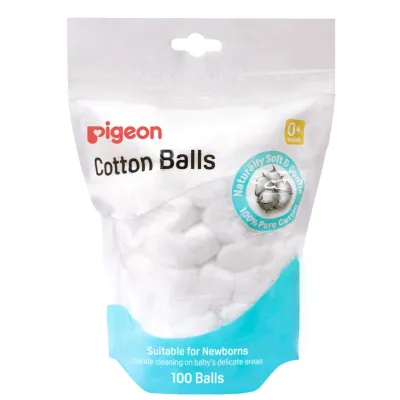
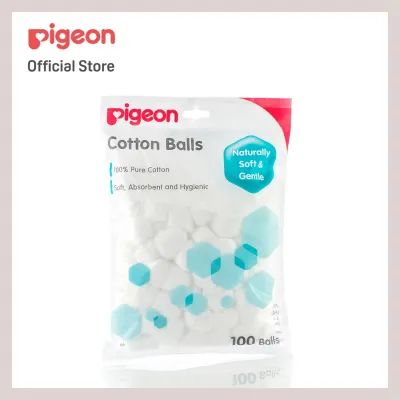
![[Ready Stock] Baebear Cotton Balls (100pcs/Bag) | Pigeon | Cubble | Disposable degreasing and cleaning baby cotton ball](https://img.lazcdn.com/g/p/f4bb2a72a4ca1032f0fa83e727ae3209.jpg_400x400q80.jpg_.webp)
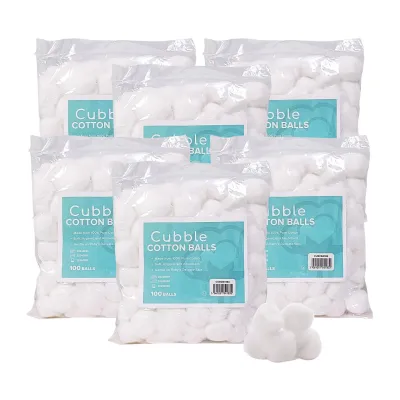
Prices are valid at publication and may change. Please refer to the product page for the latest price.
Essential Safety and Quality Features to Check on the Label
Navigating the baby care aisle requires a discerning eye, as marketing terms can sometimes obscure the actual material properties of the product. Understanding how to read the labels of cotton products ensures that you select items that support your newborn’s skin health and hygiene.

Material Purity and Sourcing
The first detail to verify on any package of cotton balls is the material composition. You should always look for labels that explicitly state “100% cotton” or “pure cotton.” Synthetic blends, which frequently incorporate polyester, rayon, or other manufactured fibers, are common in adult cosmetic sections but are unsuitable for newborns. These synthetic materials generally have lower absorbency rates, meaning they require more friction and rubbing to clean the skin, which can easily compromise a baby’s delicate skin barrier. Furthermore, synthetic fibers can have microscopic rough edges that cause micro-abrasions on sensitive newborn skin, particularly when wet.
While browsing, you will likely encounter “organic cotton” options. Organic cotton is sourced from crops grown without synthetic pesticides or fertilizers, making it an excellent, environmentally friendly choice. However, from a skin safety perspective, the primary requirement is the absolute purity of the final product and the complete absence of chemical processing residues, regardless of whether the cotton carries an organic certification. Both high-quality conventional pure cotton and certified organic cotton are safe, provided they are free from chemical finishes and bleach residues.
Sterilization and Packaging
It is critical to distinguish between sterile (medical-grade) and non-sterile (cosmetic-grade) cotton balls, as each serves a distinct purpose in newborn care. Sterile cotton balls undergo specialized manufacturing processes to eliminate all microorganisms and are typically sealed in individual pouches or sterile multi-packs. These are highly recommended for high-risk hygiene tasks, such as cleaning the umbilical cord stump during its first few weeks or wiping skin that has minor scratches or diaper rash.
Non-sterile cotton balls, which are more common and widely available in bulk packaging, are perfectly acceptable for low-risk, daily wiping tasks on intact skin, such as cleaning the outer diaper area during routine changes. Regardless of which type you use, always inspect the packaging before purchase and before each use. Any tear, puncture, or compromise in the seal of a sterile package immediately renders the product non-sterile, meaning it should no longer be used for sensitive medical or cord-care tasks. In Singapore’s humid climate, storing opened packages of cotton balls in airtight containers is also highly recommended to prevent the absorption of environmental moisture and the growth of mold or bacteria.
Lint-Free Construction and Density
The physical structure of a cotton ball plays a significant role in its safety and usability. Tightly woven, dense cotton balls are described as “lint-free” because their fibers are spun tightly enough to resist shedding during use. Loose cotton fibers can easily detach when wet, leaving tiny strands behind on your baby’s skin, inside the delicate folds of the neck or thighs, or worse, in the corners of their eyes or around the healing umbilical cord. These trapped fibers can harbor moisture and bacteria, leading to localized skin irritation or infection.
To assess the quality of the cotton balls before committing to a large purchase or before using them on your baby, you can perform a simple physical test. Gently pull at the edges of a dry cotton ball; a high-quality, lint-free cotton ball will stretch slightly and maintain its shape, whereas a lower-quality option will immediately shed loose, wispy fibers. If the cotton ball crumbles or sheds easily under minimal pressure, it is best reserved for household cleaning rather than newborn care.
Cotton Balls vs. Pads vs. Swabs: Choosing the Right Shape
As you assemble your baby’s grooming kit, you will find that cotton products come in several distinct shapes, each designed to optimize specific cleaning tasks while minimizing risk. Understanding the structural advantages and limitations of each form allows you to care for your baby more efficiently.
- Cotton Balls: These classic, rounded spheres are highly absorbent and excellent for holding liquids like warm water or liquid cleansers. They are ideal for general wiping, absorbing minor spills, and cleaning broad areas of intact skin. However, their spherical shape can make precise wiping difficult, and they may roll or shift during delicate procedures.
- Cotton Pads: Featuring a flat, uniform surface and embossed edges, cotton pads are often the superior choice for facial hygiene and eye care. They glide smoothly across the skin with minimal friction, reducing the risk of accidental pokes. The flat design also allows you to apply even pressure, making them highly efficient for wiping away dried milk or sleep crusts around the eyes. Additionally, cotton pads cover a wider surface area per wipe, which often makes them more economical than cotton balls.
- Cotton Swabs (Buds): Cotton swabs consist of small cotton buds attached to the ends of a rigid stick. These should be strictly limited to cleaning the outer crevices of the ear or applying pediatrician-recommended ointments to the outer base of the umbilical cord. Never insert cotton swabs into your baby's ear canal or nostrils. Doing so poses an immediate risk of puncturing the eardrum, damaging delicate nasal membranes, or pushing wax and debris deeper into the canal, which can lead to impaction or infection.
By maintaining a selection of both cotton pads for facial care and high-density cotton balls for general body wiping, you can address all of your newborn’s daily hygiene needs safely and comfortably.
Safe Usage Scenarios in Newborn Daily Care
Proper technique is just as important as selecting the right product. Implementing safe, hygienic practices when using cotton products helps protect your newborn from irritation and infection.
Umbilical Cord Stump Care
Caring for the umbilical cord stump requires a gentle touch and strict hygiene standards to prevent infection. To clean the area, use a sterile cotton ball or swab moistened with boiled water that has been allowed to cool completely, or use a specific solution recommended by your pediatrician. Gently dab around the base of the stump where it meets the skin, removing any dried secretions without pulling or tugging on the cord itself.
Safety boundaries are paramount during this healing phase. You must monitor the area closely and consult a healthcare professional immediately if you notice any signs of infection, such as redness or swelling around the base, a foul-smelling discharge, pus, or active bleeding. The typical timeline for the stump to fall off is one to three weeks, but you should always consult a professional if it remains attached longer or if you observe any oozing. To support natural healing, always keep the area clean and dry, and fold the top of your baby’s diaper downward to prevent friction and allow air to circulate around the stump.
Eye and Face Cleaning
Newborns frequently wake up with dried tears, sleep crusts, or milk residue on their faces. To clean these sensitive areas safely, select a flat cotton pad or a highly dense cotton ball moistened with sterile saline or cooled boiled water. Because the eyes are highly susceptible to infection, always follow the “one wipe, one pad” rule. Wipe gently from the inner corner of the eye outward, and immediately discard the cotton pad. Use a fresh, clean pad for the other eye to prevent transferring any bacteria or discharge between them.
Wiping from the inner corner outward also helps prevent blocking the tear ducts, which are still developing in newborns. In Singapore, while municipal tap water is highly treated and safe for general domestic use, a newborn’s ocular membranes are exceptionally delicate. For the first few weeks of life, it is a safer practice to use cooled boiled water or sterile saline solution for eye cleaning to eliminate any potential risk of introducing environmental impurities to the eyes.
Skin Folds and Diaper Area
A newborn’s body is full of skin folds, particularly around the neck, thighs, and underarms. In Singapore’s warm, humid climate, where humidity levels often exceed 80%, these folds easily trap sweat, drool, and milk residue. This trapped moisture can quickly lead to heat rash or fungal infections like intertrigo (infant skin fold dermatitis) if left unaddressed. Use a soft cotton ball dipped in warm water to gently clean inside these creases during daily sponge baths or diaper changes, taking care not to scrub.
Once the area is clean, it is vital to pat the skin completely dry with a soft, clean towel or a dry cotton pad. Leaving moisture trapped in these warm, dark folds creates an ideal environment for yeast and bacteria to thrive. While cotton balls are excellent for gentle cleaning, keep in mind that for heavy diaper messes, specialized baby wipes or a direct rinse under a running tap may be more practical and efficient than using multiple cotton balls.
Red Flags: What to Avoid in Baby Cotton Products
When selecting grooming products, parents must look past appealing packaging designs and identify potential hazards that could compromise their baby’s health. Avoiding these common product pitfalls will help protect your newborn’s sensitive skin.
- Added Ingredients: Avoid cotton balls that are pre-moistened or infused with lotions, artificial fragrances, aloe vera, or essential oils. While these additives are marketed as soothing, they frequently cause contact dermatitis, allergic reactions, or chemical irritation on a newborn's delicate skin barrier.
- Optical Brighteners: Be cautious of cotton products that appear intensely, artificially white. These products may have been treated with fluorescent whitening agents (optical brighteners) to enhance their appearance. Optical brighteners are known skin sensitizers that can trigger eczema flare-ups on sensitive skin. Natural, high-quality cotton is often a slightly off-white or cream color, which is a safer indicator of minimal chemical processing.
- Adult Cosmetic Repurposing: Do not repurpose cheap, loosely packed cotton balls designed for adult makeup removal. These products are often made from lower-grade cotton or synthetic blends, lack strict purity guarantees, and tend to shed heavily, leaving fibers behind on your baby's skin.
- Reusability: Cotton balls and pads are strictly single-use hygiene items. Never attempt to wash, dry, and reuse a cotton ball, as the porous fibers will harbor bacteria, mold, and cleaning detergent residues, posing a severe infection risk to your baby.
Frequently Asked Questions (FAQ)
Can I use regular adult cotton balls for my newborn?
While you can technically use standard adult cotton balls for low-risk tasks like wiping clean, intact skin during diaper changes, it is generally safer to choose baby-specific or medical-grade options. Standard adult cosmetic cotton balls are often non-sterile, loosely packed, and prone to heavy shedding. They may also contain synthetic blends or chemical residues from manufacturing. If you must use adult cotton balls, carefully check the label to ensure they are made of 100% pure cotton and contain no added fragrances, lotions, or cosmetic treatments.
Do I need to sterilize non-medical cotton balls before use?
You should not attempt to sterilize non-sterile cotton balls at home. Common home sterilization methods, such as boiling, steaming, or microwaving, will degrade the delicate cotton fibers, causing them to clump, lose absorbency, and shed heavily during use. If a task requires a sterile product—such as cleaning a healing umbilical cord stump or caring for broken skin—always purchase commercially sterile, individually sealed medical-grade cotton balls rather than attempting a DIY sterilization process.
Are organic cotton balls necessary for newborn skin?
Organic cotton balls are a highly beneficial choice for environmental sustainability and ensuring the crop was grown without synthetic pesticides, but they are not strictly mandatory for newborn safety. The most critical factors for your baby’s skin are that the cotton is 100% pure, free from synthetic blends, completely devoid of chemical additives or optical brighteners, and structurally lint-free. A high-quality, conventional 100% pure cotton ball that meets these criteria is perfectly safe and effective for daily newborn care.
Community discussion
Share your experience or ask a question. Comments are reviewed before publication.