
Finding the right wet tissue big size option in Singapore requires balancing physical dimensions with strict ingredient safety. In Singapore’s warm, humid climate, diaper rash and skin irritation can escalate quickly, making the choice of baby wipes highly consequential. Parents often seek larger wipes to make clean-ups more efficient, but physical size must always be paired with a gentle, non-irritating formulation. By understanding what makes a wipe both physically effective and chemically safe, caregivers can protect their baby’s delicate skin barrier while simplifying daily diapering routines.
Why Size and Ingredient Safety Matter for Baby Wipes
When managing diaper changes, the physical dimensions of a wet tissue play a critical role in overall efficiency. A larger surface area allows caregivers to cover more ground with a single swipe, which is particularly beneficial during messy or unexpected diaper blowouts. Instead of scrambling for multiple small sheets, a single, generously sized wipe can often complete the bulk of the cleanup, keeping hands clean and reducing the overall time the baby spends on the changing table.
Beyond convenience, using fewer wipes directly translates to reduced friction on a baby’s delicate skin. Repeatedly wiping the same area with multiple small, thin sheets can strip away the skin’s natural lipid barrier, leading to micro-tears, redness, and localized irritation. By utilizing a single, thick, large-format wipe, caregivers can minimize the number of passes required to clean the skin, thereby preserving the integrity of the epidermal layer and preventing the onset of painful diaper rash.
Products mentioned in this guide

![[Bundle of 2] Johnsons Baby Skincare Wipes 80sheets - Messy Time](https://img.lazcdn.com/g/p/e4056cc7d9a111390a794768b52efdf8.jpg_400x400q80.jpg_.webp)
Prices are valid at publication and may change. Please refer to the product page for the latest price.
The vulnerability of infant skin cannot be overstated, especially during the first year of life when the skin barrier is still developing. A baby’s skin is significantly thinner and more permeable than adult skin, making it highly susceptible to absorbing topical chemicals, synthetic fragrances, and harsh preservatives. Exposure to common allergens or synthetic additives can trigger immediate contact dermatitis or exacerbate underlying conditions like eczema, which is why selecting wipes with clean, transparent ingredient profiles is just as important as choosing the right physical size.
Key Criteria for Evaluating Big-Sized Wet Tissues
When evaluating a wet tissue big size option, dimensions and thickness are the primary physical attributes to consider. A standard baby wipe is typically around 15 by 20 centimeters, whereas larger options can extend to 20 by 20 centimeters or more. However, surface area alone is insufficient if the material is thin and prone to tearing; caregivers should look for wipes with a high fabric weight, often indicated by a thick, plush feel that prevents moisture and waste from seeping through to the hands.

The material texture of the wipe also determines its cleaning efficacy and gentleness. Embossed patterns, such as raised honeycomb or dotted textures, are highly effective at lifting and trapping solid waste with minimal pressure, making them ideal for diaper changes. Conversely, smooth textures are exceptionally soft and gentle, making them better suited for wiping sensitive facial skin or cleaning up liquid spills without causing abrasive friction.
Moisture level is another critical factor that dictates how smoothly a wipe glides across the skin. A high-quality wipe must be adequately saturated to dissolve dried-on residue easily, yet it should not be so dripping wet that it leaves a pool of liquid behind. In Singapore’s humid climate, excess moisture left in the skin folds can trap heat and sweat, creating an ideal breeding ground for fungal infections like Candida diaper dermatitis, so a balanced moisture profile is essential.
Checklist for Identifying Safe and Gentle Ingredients
To ensure a wet tissue is safe for sensitive skin, caregivers must become proficient at reading and interpreting the ingredient list on the back of the packaging. A primary rule of thumb is to avoid products containing drying alcohols, such as isopropyl alcohol or ethanol, which can severely dehydrate infant skin. Additionally, parabens and phenoxyethanol, which are commonly used as preservatives to prevent bacterial growth, should be scrutinized, as some infants may exhibit sensitivity or allergic reactions to these compounds.
Artificial fragrances and essential oils should also be avoided, as they are among the most common triggers for allergic contact dermatitis in young children. Instead, the ingredient list should prioritize high-purity water—often listed as aqua, purified water, or deionized water—which should ideally make up the vast majority of the formulation. Any accompanying ingredients should be limited to mild, plant-derived surfactants, such as decyl glucoside, and gentle skin-soothing agents like glycerin or aloe vera extract.
When reviewing packaging claims like “hypoallergenic” or “dermatologically tested,” it is important to understand that these terms are not always legally standardized or universally regulated. Caregivers should look for products that provide transparent details about their testing methodologies or carry certifications from recognized independent dermatological bodies. Verifying these claims ensures that the product has undergone rigorous clinical evaluation under professional supervision, offering greater peace of mind for parents of babies with highly reactive skin.
Pre-Purchase Label and Packaging Checks
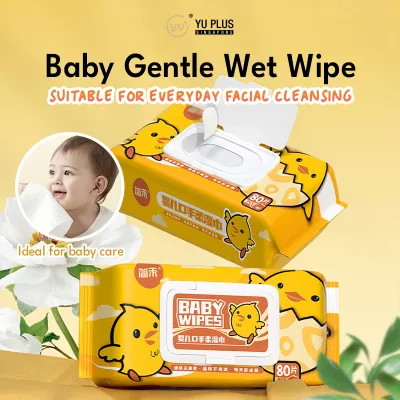
Before purchasing a large pack of wet tissues, evaluating the packaging design is essential for maintaining product freshness and hygiene. Wipes with a rigid plastic flip-top lid are generally superior to those with simple adhesive sticker seals, as the lid provides a reliable, airtight barrier that prevents the wipes from drying out over time. This is particularly important for larger packs, which take longer to finish and are more susceptible to moisture loss if the seal fails to adhere properly after repeated openings.
Caregivers should also establish a habit of checking the manufacturing date, expiry date, and batch code printed on the packaging. Because safe baby wipes often use milder, food-grade, or plant-derived preservatives rather than harsh synthetic chemicals, they may have a shorter shelf life once opened. Using expired wipes carries a risk of bacterial or fungal contamination, as the preservative system may no longer be active enough to keep the moist environment inside the pack sterile.
Finally, always verify that the packaging displays clear manufacturer contact information, safety warnings, and proper disposal instructions. Reliable brands will explicitly state that wet tissues should never be flushed down the toilet, even if they are labeled as biodegradable, as they do not break down quickly enough and can cause severe blockages in domestic plumbing systems. Checking for these details ensures that you are purchasing a legitimate, responsibly manufactured product that aligns with safe usage and environmental guidelines.
Frequently Asked Questions (FAQ)
Can I use big-sized baby wet tissues on my newborn's face and hands?
While many large baby wipes are formulated to be gentle, caregivers should always check the product label to confirm if they are explicitly approved for multi-purpose or full-body use. The skin on a newborn’s face is significantly thinner and more sensitive than the skin on their diaper area, and it is also closer to mucous membranes like the eyes and mouth. If a wipe contains even mild surfactants or preservatives, using it repeatedly on the face can cause localized dryness or irritation. For facial clean-ups, it is often safer to use dedicated facial wipes, a clean washcloth dampened with plain water, or wipes specifically labeled as safe for hands and mouth.
How should I store large wet tissues to prevent them from drying out?
To maintain the moisture levels and structural integrity of large wet tissues, they should be stored in a cool, dry place away from direct sunlight and heat sources. In Singapore’s warm climate, leaving a pack of wipes in a hot car or near a sunny window can cause the liquid formulation to evaporate and collect at the top of the pack, leaving the bottom wipes dry or degrading the preservative system. Always ensure the flip-top lid or adhesive seal is pressed down firmly after every single use to prevent air from entering, and consider storing unopened packs upside down to keep the moisture evenly distributed throughout the stack. If you notice a change in smell, discoloration, or dry patches, it is best to discard the pack to avoid exposing your baby’s skin to potential contaminants.

Community discussion
Share your experience or ask a question. Comments are reviewed before publication.