
Infants are obligate nasal breathers, meaning they primarily breathe through their noses during their first few months of life. Any blockage in their tiny nasal passages, even a small piece of dried mucus, can significantly disrupt their sleeping, feeding, and overall comfort. In Singapore, where families frequently transition between the humid tropical outdoors and dry, air-conditioned indoor spaces, babies are particularly prone to developing stubborn, crusty nasal obstructions. When standard suction bulbs or cotton swabs fail to clear these dry blockages, specialized baby nose tweezers offer a practical and precise solution. Selecting the right tool requires a clear understanding of safety features, material standards, and ergonomic designs to ensure your little one’s nasal passages are cleared without discomfort or injury.
Navigating the vast array of infant grooming products on the market can feel overwhelming for parents. Because your baby’s safety is paramount, it is essential to look past marketing claims and focus on verifiable design specifications. This guide will help you evaluate the safety, materials, and usability of baby nose tweezers, enabling you to make an informed decision that protects your child’s delicate health.
Why Standard Tweezers Are Unsafe for Infants
Using household tweezers designed for adult grooming or medical first-aid is highly dangerous when caring for an infant. The nasal cavity of a baby is incredibly narrow and lined with a highly sensitive, vascularized mucous membrane known as the nasal mucosa. This tissue contains a dense network of tiny blood vessels close to the surface, which can bleed easily if subjected to even minor mechanical friction or pressure. Adult tweezers typically feature sharp, pointed, or angular metal tips that can easily scrape, puncture, or tear this delicate lining, leading to immediate pain, bleeding, and a heightened risk of localized bacterial infections.
Products mentioned in this guide
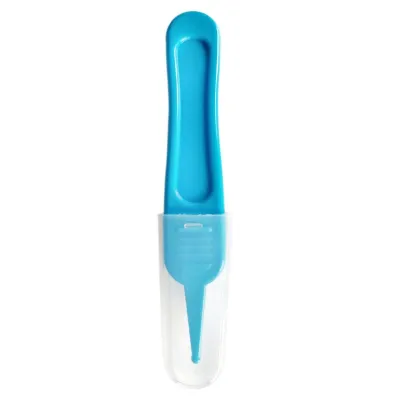
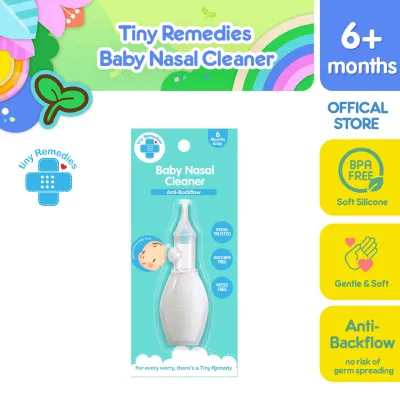
Prices are valid at publication and may change. Please refer to the product page for the latest price.
Furthermore, infants are naturally squirmy and cannot remain perfectly still on demand. A sudden turn of the head, a reflexive sneeze, or a startled flinch while a sharp, adult-sized tool is inside the nostril can cause severe, deep-tissue trauma. Standard tweezers also lack any depth-limiting features, making it incredibly easy for a caregiver to accidentally insert the tool too deeply into the nasal cavity during a sudden movement.
Purpose-built infant grooming tools are engineered specifically to mitigate these behavioral and anatomical risks. They feature physical barriers, rounded geometries, and specialized materials designed to protect the baby’s nasal passage even if they move unexpectedly. Investing in a dedicated, age-appropriate tool is a fundamental step in ensuring your baby’s grooming routine remains entirely safe and stress-free.
Essential Safety Features to Verify on Product Labels
When browsing local baby specialty stores or online marketplaces in Singapore, you should carefully inspect product packaging and labels for specific safety features. The most critical design element to verify is the shape of the tweezer tips. Safe baby nose tweezers must feature highly rounded, blunt, or spoon-shaped ends rather than sharp points. These rounded geometries distribute pressure evenly across a wider surface area, preventing the tips from digging into or puncturing the soft mucosal walls as you gently scoop out dry debris.

Another invaluable safety feature is a built-in safety guard or depth stopper. This is typically a widened collar or a physical barrier integrated into the shaft of the tweezers that prevents the tool from being inserted past a safe, shallow threshold. This mechanical limit provides peace of mind for parents, ensuring that even a sudden forward jerk by the baby will not result in the tool penetrating too deeply into the nasal passage.
Visibility is equally crucial when performing delicate grooming tasks inside tiny nostrils. Many modern baby tweezers feature integrated LED lights that cast a bright, focused beam directly down the shaft to illuminate the nasal cavity. This built-in illumination eliminates the need to balance an external flashlight or rely on poor ambient room lighting, allowing you to see the exact position of the blockage. Some premium grooming kits also include small magnifying mirrors to help you assess the nasal passage clearly before attempting any removal.
Finally, always verify the manufacturer’s explicit age recommendations and safety warnings on the product label. Some tools are rated strictly for infants over three or six months of age, while others may have specific weight or developmental guidelines. Never assume a tool is suitable for a newborn unless the manufacturer explicitly states so, and always ensure the product documentation confirms that the tool is intended for use under direct, active caregiver supervision.
Evaluating Materials and Ergonomic Grips
The materials used in baby nose tweezers directly impact both the safety of the tool and how easily it can be kept hygienic. High-quality tweezers are generally constructed from either medical-grade, rust-resistant stainless steel or high-density, BPA-free plastics. Stainless steel options offer exceptional durability, do not degrade over time, and provide a highly precise grip. However, metal can feel cold and intimidating to a baby. High-quality plastic models, such as those made from food-grade polypropylene or ABS plastic, are warmer to the touch and can be molded into softer, highly rounded shapes, though they must be checked regularly for any signs of wear or cracking.
An ergonomic, non-slip grip is vital for maintaining precise control during use. Look for tweezers that feature wide, textured finger rests, contoured handles, or integrated silicone pads. These design elements prevent the tool from slipping out of your fingers mid-procedure, which is especially important if your hands are slightly damp after bath time or if you are dealing with a particularly active baby. A secure, comfortable grip allows you to make micro-adjustments with confidence and steady hands.
Hygiene and sterilization compatibility are critical factors to consider before purchasing. Because these tools come into direct contact with bodily fluids, they must be easy to clean thoroughly to prevent the growth of harmful bacteria. Verify whether the materials are compatible with standard baby bottle sterilizers, UV sterilizers, or boiling water. While stainless steel and simple plastic tweezers can typically withstand high-temperature sterilization, models with integrated electronic components, such as LED lights, usually cannot be submerged or subjected to high heat. For these electronic models, check if the tips are detachable or if they can be safely sanitized using isopropyl alcohol wipes.
Additionally, inspect the hinge mechanism of the tweezers before use. The spring tension should be smooth, consistent, and relatively gentle. If the hinge is too stiff, you will need to apply excessive force to squeeze the tweezers, which reduces your tactile sensitivity and makes it harder to feel what you are doing inside the baby’s nose. Conversely, a hinge that is too loose or sticky can cause jerky, unpredictable movements that might startle or injure your child.
Comparing Common Types of Baby Nose Tweezers
To choose the best tool for your family, it helps to understand the different types of baby nose tweezers available on the market. Each design offers distinct advantages depending on your comfort level and your baby’s specific needs.
- Rounded-Tip Stainless Steel Tweezers: These traditional tools offer a sturdy, premium feel and excellent durability. The tips are modified into smooth, spherical shapes to prevent punctures. They are highly effective for grabbing visible, dry crusts near the entrance of the nostril, but they require a steady hand and excellent external lighting, as they do not feature built-in lights.
- LED-Illuminated Plastic Tweezers: Typically made from durable, transparent plastic, these tweezers channel light directly to the tips. This design is incredibly helpful for identifying deep-seated blockages or for grooming in dimly lit rooms, such as during a nap. Because they require small batteries, you must verify that the battery compartment is securely screwed shut and kept entirely out of reach of children.
- Angled or Slanted Safety Tweezers: These models feature a slight bend in the shaft, which improves the caregiver's line of sight. Instead of your hand blocking your view of the baby's nostril, the angled design allows you to approach from a natural wrist position, giving you a clearer, unobstructed view of the target area.
- Suction-Based Alternatives: It is important to recognize the limits of mechanical tweezers. Tweezers are strictly designed for solid, dry, and clearly visible crusts near the nostril opening. For wet, runny, or deep-seated mucus, mechanical tweezers are ineffective and potentially hazardous. In these scenarios, a silicone-tipped manual nasal aspirator or an electric nasal vacuum is a much safer and more effective alternative to clear the airway.
Safe Usage, Cleaning, and Storage Guidelines
Using baby nose tweezers safely requires careful preparation, proper positioning, and strict hygiene practices. Never rush the process, and always prioritize your baby’s comfort and emotional well-being.
To prepare your baby, timing is everything. The ideal time to clear your baby’s nose is immediately after a warm bath, as the steam naturally loosens and moistens dry mucus. If a bath is not convenient, you can apply one or two drops of preservative-free saline solution into each nostril a few minutes before grooming. This softens stubborn, crusty blockages, allowing them to slide out easily without sticking to the sensitive nasal lining.
Proper positioning is essential to minimize sudden head movements. Swaddle your baby snugly in a soft towel or blanket to keep their arms secured at their sides. Lay them on a flat, comfortable, and well-lit surface, or have them recline gently in your lap. If possible, have a second caregiver gently stabilize the baby’s head. Always speak to your baby in a calm, soothing voice throughout the process to keep them relaxed and cooperative.
When performing the extraction, gently insert only the very tip of the rounded tweezers into the nostril. Grasp the visible, softened crust and pull it straight out in a smooth, gentle motion. Never probe deeply into the nasal cavity, and never force the tool against resistance. If the blockage does not come out easily, stop immediately, apply more saline drops, and try again later.
After each use, wash the tweezers thoroughly with warm, soapy water to remove any organic residue. If the manufacturer’s instructions allow, sanitize the tool using your standard baby bottle sterilizer or by dipping the tips in boiling water for a designated period. For models with integrated electronics, wipe the tips carefully with an alcohol swab, ensuring no liquid enters the battery compartment. Allow the tool to air dry completely on a clean surface before replacing the protective cap. Store the tweezers in a dry, clean place, such as a dedicated baby grooming kit, entirely out of reach of children.
Frequently Asked Questions (FAQ)
At what age is it safe to start using baby nose tweezers?
Most manufacturers recommend waiting until a baby is at least a few months old before introducing mechanical tweezers, with many specifying a minimum age of three to six months. For newborns and very young infants, the nasal passages are incredibly narrow, and the mucosal lining is exceptionally delicate. During these early months, it is generally safer to rely on gentle saline drops and a soft silicone nasal aspirator to clear blockages. Always consult your pediatrician before using any mechanical grooming tools on a newborn, and carefully verify the age guidelines on your specific product’s packaging.
How often should I clean my baby's nose with tweezers?
Nose cleaning with tweezers should only be performed on an as-needed basis, rather than as a daily routine. Healthy nasal passages naturally clear themselves of minor mucus through sneezing and normal breathing. Over-cleaning or unnecessary probing can irritate the delicate nasal lining, leading to swelling, increased mucus production, or minor bleeding. Only use tweezers when you can clearly see a dry, solid obstruction that is visibly interfering with your baby’s breathing, feeding, or sleeping.
What should I do if the tweezers accidentally scratch the nasal lining?
If an accidental scratch occurs, remain calm and immediately stop the grooming session. Use a clean, soft tissue to apply very gentle pressure to the outside of the nostril to help stop any minor bleeding. Keep a close eye on the area over the next few days for signs of localized infection, such as persistent redness, swelling, warmth, or unusual discharge. If the bleeding does not stop quickly, or if you notice any signs of infection, stop home care immediately and consult a healthcare professional or visit a pediatric clinic in Singapore for proper medical evaluation.
Community discussion
Share your experience or ask a question. Comments are reviewed before publication.