
Finding the ideal snack for your little one is a major milestone in their weaning journey. Yogurt melts have become incredibly popular among parents in Singapore due to their convenient, bite-sized portions and freeze-dried texture that dissolves easily in a baby’s mouth. However, walking down the baby food aisle of a local supermarket or browsing online marketplaces can quickly become overwhelming. With dozens of colorful packages claiming to be organic, natural, and healthy, how do you determine which options are truly safe and nutritious for your infant?
The key to selecting the best yogurt melts lies in looking past the marketing claims on the front of the package and focusing on the concrete facts listed on the back. Because every baby develops at their own pace and has unique nutritional needs, there is no single “perfect” brand that suits every child. Instead, the most reliable approach is to establish a systematic evaluation process based on ingredient quality, nutritional density, physical safety, and proper storage. By learning how to decode labels and assess your baby’s developmental readiness, you can confidently choose snacks that support their growth without exposing them to unnecessary additives or choking hazards.
Decoding the Ingredient Label for Baby-Friendly Snacks
When evaluating any packaged baby food, the ingredient list is your most powerful tool. In Singapore, food labeling regulations require ingredients to be listed in descending order of weight. This means the very first ingredient on the list represents the largest component of the product. For a high-quality yogurt melt, you should expect to see real yogurt, cultured milk, or a nutrient-dense plant-based alternative at the very top of this list. If the first ingredient is a sweetener, starch, or water, the product may offer very little actual nutritional value.
Products mentioned in this guide
![[Carton of 7] Gerber Strawberry Yogurt Melts Baby Snack 28g - From 8 Months](https://img.lazcdn.com/g/p/e636c7e28b7cdf20104fd64a6066b360.jpg_400x400q80.jpg_.webp)
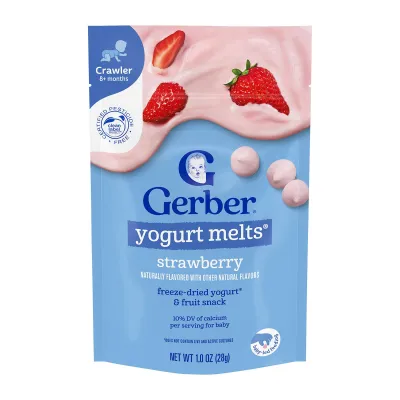
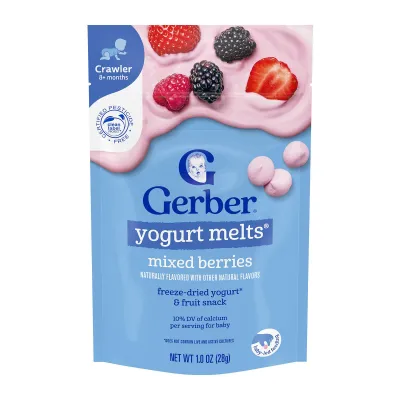
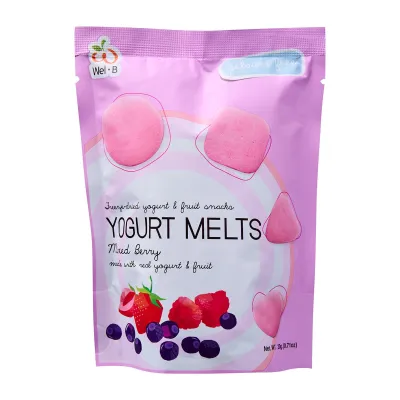
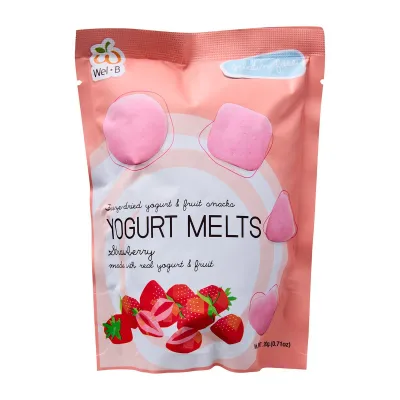
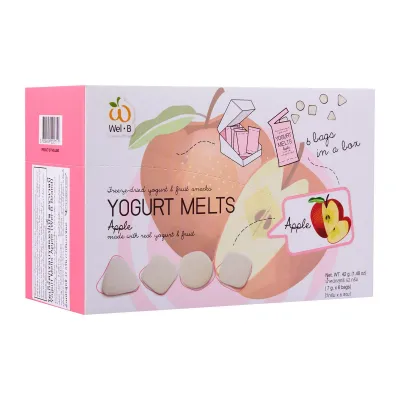
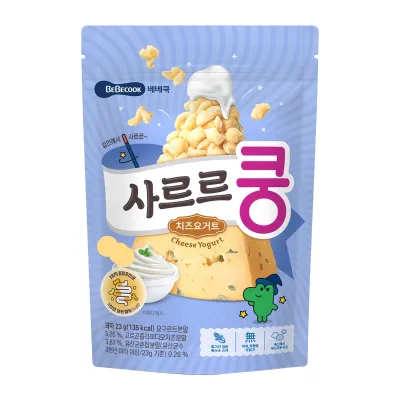
Prices are valid at publication and may change. Please refer to the product page for the latest price.
Hidden sugars are a primary concern when choosing snacks for infants and toddlers. While fruit-flavored melts are common, many manufacturers add extra sweeteners to make them more appealing to young palates. Parents should carefully scan the ingredient list for added sugars disguised under various names, such as cane sugar, organic cane syrup, brown rice syrup, tapioca syrup, dextrose, or fruit juice concentrate. While fruit juice concentrate might sound natural, it is often used as a highly concentrated source of sugar that lacks the beneficial fiber of whole fruit. Introducing highly sweetened snacks early in life can shape a baby’s taste preferences, potentially leading to a preference for sweet foods and an increased risk of tooth decay.
In addition to sugars, it is essential to watch out for artificial additives that have no place in an infant’s diet. Synthetic food colorings, artificial flavorings, and chemical preservatives are sometimes added to extend shelf life or make the melts look more vibrant. A baby’s developing digestive and metabolic systems are highly sensitive, making it best to avoid these unnecessary synthetic compounds entirely. Look for products that rely on natural freeze-drying technology to preserve the food, rather than chemical preservatives. The simpler the ingredient list, the safer and more wholesome the snack is likely to be for your child.
Evaluating Nutritional Value and Portion Sizes
Beyond the ingredient list, the nutrition information panel provides critical data regarding the actual nutrients your baby will absorb. When comparing different options, always look at the nutrient values relative to the serving size. A package might claim to contain high levels of calcium or protein, but if the serving size is unrealistically large, your baby may only receive a fraction of those nutrients in a typical sitting. Compare the protein and calcium content per serving across different brands to identify which options offer genuine nutritional benefits rather than empty calories.

Sodium is another crucial metric to monitor on the nutrition label. An infant’s kidneys are still maturing and cannot efficiently process large amounts of salt. While yogurt naturally contains a small amount of sodium, some processed snacks contain added sodium for flavor or preservation. Check the nutrition facts panel carefully and select products with negligible or zero added sodium. As a general guideline, snacks designed for infants should have extremely low sodium levels per serving, helping to keep your baby’s daily intake well within safe, age-appropriate limits.
It is also important to remember that yogurt melts are supplementary snacks, not a replacement for primary nutrition. During the first year of life, breast milk or infant formula remains the primary source of nutrition, supplemented by nutrient-dense whole foods like purees, mashed vegetables, and soft meats. Yogurt melts should be used sparingly—perhaps as a reward during motor skill practice or as an occasional treat on the go. Over-relying on these melts can fill up your baby’s small stomach, reducing their appetite for more substantial, nutrient-rich meals. Use the nutritional label to help you balance snack consumption with your baby’s overall daily dietary plan.
Assessing Texture, Safety, and Age Readiness
Physical safety is paramount when introducing any finger food to an infant. Yogurt melts are designed to be freeze-dried, creating a porous structure that dissolves when it comes into contact with saliva. However, the speed at which a melt dissolves can vary significantly depending on the formulation and how long the package has been open. Before offering a new brand to your baby, perform a simple manual test: place a single melt on your own tongue without chewing to see how quickly and completely it dissolves. If it remains hard, gummy, or sticky, it could pose a serious choking hazard for a young baby.
Manufacturer age recommendations on the packaging—such as “8 months+” or “for crawling babies”—provide a helpful starting point, but they should never be taken as absolute safety guarantees. Every baby develops motor skills and oral coordination at a different rate. Before introducing yogurt melts, verify that your baby has reached key developmental milestones. These include the ability to sit upright in a high chair completely unsupported, good head and neck control, the ability to bring objects to their mouth accurately, and the development of the “pincer grasp” (using the thumb and index finger to pick up small items). If your baby is still struggling to sit upright or tends to swallow food whole without attempting to masticate it with their gums, delay introducing these snacks.
Regardless of the baby’s age or the product’s dissolving speed, active and seated adult supervision is an absolute necessity during every single feeding session. Choking is often silent, and a baby can get into difficulty in a matter of seconds. Ensure your baby is seated completely upright in a secure high chair—never feed them while they are lying down, crawling, walking, or riding in a stroller or car seat, as sudden movements can cause them to inhale the food. Keep your eyes on your baby throughout the snack time, and be prepared to intervene immediately if you notice any signs of distress or gagging.
Sourcing and Checking Freshness in Singapore
Sourcing authentic, high-quality baby food is highly accessible in Singapore, but it requires a discerning eye. Parents can find yogurt melts at major local supermarkets, specialized mother-and-baby boutiques, and authorized online marketplaces. When shopping online, it is highly recommended to purchase directly from official brand stores or authorized local distributors rather than unverified third-party sellers. Unauthorized parallel imports may not have been transported or stored under temperature-controlled conditions, which can compromise the safety and quality of the product before it even reaches your home.
Whenever you purchase a pack of yogurt melts—whether in-store or upon delivery from an online order—make it a habit to inspect the physical packaging thoroughly. Check the expiration date to ensure the product is well within its shelf life. Examine the bag for any punctures, tears, or signs of bloating. A bloated bag can indicate that the airtight seal has been compromised, allowing moisture and bacteria to enter, which can lead to spoilage or mold growth. If the seal is broken or the packaging looks damaged, do not feed the product to your baby; instead, contact the retailer for a replacement or refund.
Singapore’s tropical climate, characterized by high ambient temperatures and intense humidity, presents unique challenges for storing freeze-dried baby snacks. Freeze-dried foods are highly hygroscopic, meaning they rapidly absorb moisture from the surrounding air. Once a package of yogurt melts is opened, exposure to Singapore’s humid air can cause the melts to lose their crisp texture, becoming soft, sticky, or rubbery within minutes. Always review the specific storage instructions printed on the label. To maintain freshness, store unopened packages in a cool, dry pantry away from direct sunlight and heat sources like ovens or windows.
Building Your Shortlist: A Step-by-Step Evaluation Guide
To simplify your decision-making process, you can construct a personalized evaluation framework to compare different yogurt melt options available in Singapore. Start by creating a simple comparison matrix based on the criteria discussed. On one axis, list the candidate products you are considering; on the other, list your non-negotiable criteria, such as “no added sugar,” “no artificial preservatives,” “calcium content per serving,” and “verified allergen warnings.” This structured approach helps you look past attractive packaging and make an objective, health-first decision.
The first step in your evaluation is elimination. Immediately cross off any products that fail your basic safety checks. This includes melts that list sugar or syrup as one of the first three ingredients, those containing artificial colors or flavors, and any products that do not clearly state a recommended age range or developmental stage. If your family has a history of allergies, or if your baby has shown sensitivity to certain foods, pay close attention to allergen warnings on the label, such as “manufactured in a facility that processes wheat, soy, or nuts.” While spending S$6 to S$10 on a premium pack of snacks might seem reasonable, it is only worth the investment if the product meets these strict safety baselines.
Once you have narrowed down your list to two or three high-quality candidates, plan a small-batch trial rather than purchasing in bulk. Buy a single package of your top choice and prepare for a careful introduction at home. Choose a time of day when your baby is alert, healthy, and not overly hungry or tired. Offer a single, small piece of the yogurt melt and observe their reaction closely. Watch for any immediate signs of difficulty swallowing or texture aversion, such as spitting the snack out. Over the next 24 to 48 hours, monitor your baby for any delayed allergic reactions, skin rashes, hives, or digestive changes like unusual gas or loose stools. If your baby tolerates the snack well and enjoys the experience, you can safely integrate it into their occasional snack routine. If you observe any adverse reactions, discontinue use immediately and consult a qualified pediatrician.
Frequently Asked Questions (FAQ)
Can babies with dairy allergies or lactose intolerance eat yogurt melts?
Traditional yogurt melts are made from cow’s milk yogurt and are strictly unsuitable for babies diagnosed with a milk protein allergy or severe lactose intolerance. Milk protein allergy is an immune system response that can cause serious symptoms, meaning even a tiny amount of dairy can trigger a reaction. If your baby has dairy sensitivities, you must carefully inspect product labels for certified dairy-free, plant-based alternatives, such as those made from coconut milk or oat milk. Always consult your pediatrician or a qualified pediatric dietitian before introducing any new potential allergens or alternative snack categories to your baby’s diet to ensure they are safe and nutritionally appropriate.
How should I store yogurt melts in Singapore's humid climate?
To prevent yogurt melts from absorbing moisture and turning into a sticky, chewy choking hazard, proper storage in Singapore’s humid environment is essential. Always store unopened packages in a cool, dry cupboard away from direct sunlight, heat-generating appliances, and humid areas like the kitchen sink. Once you open a package, squeeze out as much excess air as possible before sealing the built-in zip-lock tightly. For maximum protection against humidity, you can place the sealed bag inside an airtight glass or plastic container, or add a food-safe silica gel desiccant pack to absorb any stray moisture. Always check the manufacturer’s label for specific instructions, as many brands recommend consuming the product within seven days of opening to guarantee optimal texture and safety.
Community discussion
Share your experience or ask a question. Comments are reviewed before publication.