
To baby-proof a Singapore home effectively, choosing the right wall edge guard involves balancing material safety, impact absorption, and adhesive performance under local climate conditions. Because Singapore apartments—whether HDB flats or condominiums—frequently feature structural pillars, sharp concrete wall corners, and custom built-in cabinetry, a one-size-fits-all approach rarely suffices. Finding a reliable brand requires looking beyond generic online listings and focusing on verified material certifications, humidity-resistant adhesives, and profiles that match your specific home layout.
While many brands are widely available on online marketplaces, the most reliable options are those that openly document their safety testing, use non-toxic materials, and provide clear installation instructions. By understanding the physical properties of different materials and how they interact with local wall finishes, you can create a secure environment for your child without damaging your home’s interior.
Understanding Edge Guard Materials and Adhesive Types
Evaluating the physical properties and sticking mechanisms of different edge guards is essential to ensure both impact protection and wall safety. The three most common materials used in wall edge guards are Nitrile Butadiene Rubber (NBR) foam, silicone, and Polyvinyl Chloride (PVC). Each material offers distinct advantages and trade-offs regarding shock absorption, durability, and safety.
Products mentioned in this guide


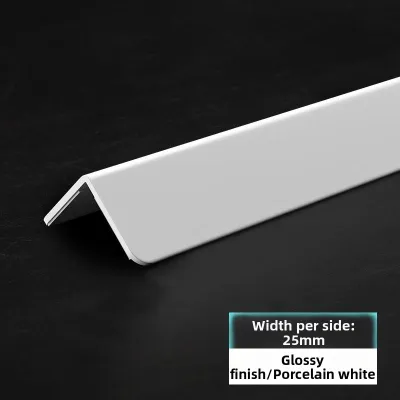
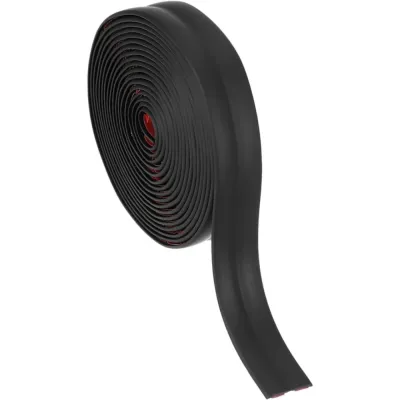
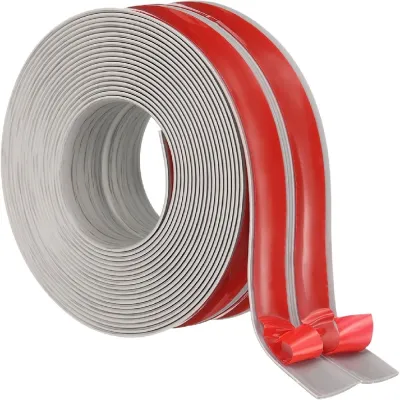
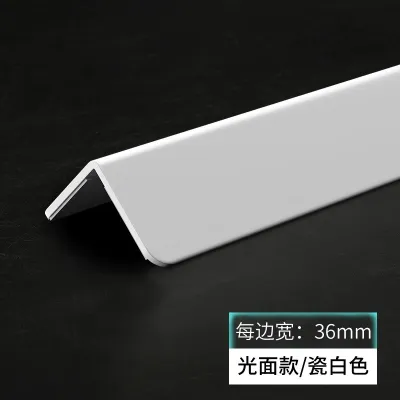
Prices are valid at publication and may change. Please refer to the product page for the latest price.
NBR foam is highly favored for its exceptional shock absorption. Its thick, spongy texture cushions high-impact bumps, making it ideal for low-lying coffee tables and sharp concrete wall corners. However, NBR foam is susceptible to tearing if a curious toddler decides to bite or pull at it. Torn pieces of foam can quickly become a choking hazard, meaning parents must regularly inspect foam guards for signs of wear and replace them immediately if damaged.
Silicone edge guards offer a sleeker, more durable alternative. They are highly resistant to biting and tearing, making them a safer choice for teething toddlers. While silicone is slightly firmer than NBR foam, it still provides excellent localized impact protection. Its smooth surface is also incredibly easy to clean and does not degrade easily over time, making it a long-lasting solution for busy households.
PVC edge guards are typically rigid or semi-flexible and are often used for clear corner protectors. They are highly durable and blend seamlessly with modern decor, but parents must exercise caution when selecting them. It is crucial to verify that any PVC product is certified free from harmful phthalates, BPA, and heavy metals, as low-grade PVC can contain chemical plasticizers that are unsafe for children who might put their mouths on the guards.
Beyond the guard material itself, the adhesive type determines how well the protector stays in place. Acrylic-based adhesives are highly recommended for Singapore’s warm, humid climate. They form a strong, clear bond that cures over 24 hours, resisting the peeling that often occurs with standard double-sided foam tapes. High-quality adhesives should hold firmly against toddler tugs while remaining clean enough to remove without leaving a stubborn, gummy residue on your walls.
Selection Criteria for HDB and Condo Interiors
Matching edge guard dimensions, flexibility, and visual profiles to your specific furniture and home aesthetics ensures both safety and visual harmony. Singapore apartments often feature unique architectural elements, such as structural concrete pillars that cannot be hacked during renovations, heavy steel household shelter (bomb shelter) door frames, and extensive custom built-in carpentry.

For sharp concrete pillars and prominent wall corners, choose thicker, high-density foam guards (typically 8mm to 12mm thick) to disperse high-velocity impacts. For low-profile furniture, glass coffee tables, or laminated cabinet doors, thinner silicone guards (2mm to 5mm thick) provide sufficient protection without obstructing the functionality of drawers or doors. Selecting the right thickness prevents the guards from becoming bulky obstacles in tight walkways.
Visual integration is another key consideration for local homeowners. Brightly colored foam guards can disrupt a carefully planned interior design, such as a minimalist, Scandinavian, or industrial aesthetic. To maintain your home’s visual appeal, compare transparent silicone guards—which allow the natural wood grain or paint color to show through—with neutral-colored foam guards (such as off-white, grey, or brown) that closely match your skirting boards or cabinetry laminates.
Additionally, consider the length and flexibility required for your specific layout. Structural pillars with rounded edges or curved partition walls require flexible, roll-form edge guards rather than rigid, pre-molded 90-degree corner pieces. Roll guards can be cut to custom lengths and wrapped smoothly around continuous edges, ensuring seamless protection along extended surfaces without unsightly gaps.
Evaluating Brand Reliability and Safety Certifications
To identify trustworthy manufacturers without relying on unverified online rankings, parents should use a structured framework to verify brand claims. Because baby safety products are subject to rigorous international standards, reliable brands will openly share their compliance certifications rather than making vague marketing promises.
When evaluating a brand, check the product packaging or the manufacturer’s official website for recognized safety testing standards. Look for certifications such as EN 71 (the European standard for toy safety, specifically Part 3 which regulates chemical migration) or REACH and RoHS compliance. These certifications indicate that the material has been independently tested and found free from harmful levels of lead, cadmium, phthalates, and flame retardants.
Be alert to red flags in product listings on online marketplaces. Common warning signs include missing manufacturer details, a complete lack of contact information, and vague safety promises like “100% safe” without any supporting certification data. Reliable brands provide clear material composition disclosures and offer responsive customer support to answer specific questions about their manufacturing processes.
Analyzing verified customer reviews is another effective way to assess real-world performance. Look past the initial five-star ratings and focus on detailed reviews that discuss long-term adhesion and material durability. Pay close attention to feedback from local buyers who describe how the adhesive holds up in non-air-conditioned rooms or whether the foam material begins to crumble or discolor after several months of exposure to Singapore’s ambient humidity.
Installation Best Practices and Safe Removal
Proper application techniques maximize the protective lifespan of your edge guards, while safe removal methods prevent costly damage to painted plaster walls or delicate wood laminates. Taking the time to prepare the surface and apply the material correctly ensures the adhesive bonds securely and lasts as long as needed.
Singapore’s high humidity can trap microscopic moisture and oils on wall surfaces, which severely compromises adhesive bonding. Begin by cleaning the application area thoroughly with a mild degreasing agent or isopropyl alcohol. Always test a small, inconspicuous area first to ensure the cleaner does not discolor the paint or finish. Allow the surface to dry completely before proceeding with the installation.
Next, measure the target area carefully and cut the edge guard using sharp utility shears to ensure clean, flush joints. When applying the guard, peel the adhesive backing off in small sections and press the guard firmly against the surface. Apply consistent pressure along the entire length of the protector for at least 30 seconds to activate the pressure-sensitive adhesive. Avoid stretching the material during application, as this creates tension that will eventually cause the ends to peel away from the wall.
Once installed, allow the adhesive to cure undisturbed for a full 24 hours before allowing children to touch or pull on it. This curing period is essential for the adhesive to form a permanent, humidity-resistant bond with the wall or furniture surface.
When the time comes to remove the edge guards, hasty pulling can easily strip paint or damage wood veneers. To remove them safely, use a hair dryer on a low-warm setting to gently heat the adhesive along the edge of the guard. This softens the bond, allowing you to slowly peel the guard away at a 45-degree angle. Any remaining sticky residue can be easily dissolved and wiped away using a small amount of baby oil, eucalyptus oil, or a dedicated adhesive remover applied to a soft microfiber cloth.
Frequently Asked Questions (FAQ)
When should I start and stop using wall edge guards?
You should install wall edge guards when your baby begins crawling or pulling themselves up to stand, which typically occurs between six and nine months of age. This developmental stage brings a high risk of head-level collisions with sharp furniture corners and concrete wall edges. You can generally transition away from using edge guards once your child reaches three to four years of age, as they develop better spatial awareness, balance, and physical coordination. However, always observe your child’s individual milestones and behavior before deciding to remove the protective barriers.
How do I clean and maintain foam or silicone edge guards?
To clean foam or silicone edge guards, wipe them regularly with a damp microfiber cloth and a mild, baby-safe dish soap or a gentle multi-surface spray. Avoid soaking the edges of the guards, as excess water can seep underneath the material and weaken the adhesive bond over time. Do not use harsh chemical disinfectants, bleach, or abrasive scrubbing pads, as these can degrade NBR foam, causing it to crumble, or scratch silicone surfaces, creating crevices where dirt and bacteria can accumulate.

Community discussion
Share your experience or ask a question. Comments are reviewed before publication.