
To secure your home for an active toddler in Singapore, choosing a reliable baby safety lock brand requires looking beyond basic aesthetics. A truly dependable brand is defined by its material integrity, mechanical resistance to toddler curiosity, and adhesive performance under local tropical conditions. Rather than relying on generic online listings, parents should evaluate brands based on verifiable safety standards, robust dual-action mechanisms, and clear installation frameworks. This guide outlines how to identify high-quality childproofing brands, compare different locking mechanisms, and ensure long-term reliability in your home.
Core Criteria for Evaluating Baby Safety Lock Brands
When evaluating baby safety lock brands, material safety must be your primary consideration. Toddlers are naturally curious and often explore their environment using their mouths, meaning any accessible lock component could be chewed or licked. Trustworthy manufacturers prioritize non-toxic, food-grade plastics such as high-density polyethylene (HDPE) or acrylonitrile butadiene styrene (ABS). These materials should be certified free from harmful chemicals, including bisphenol A (BPA), phthalates, and heavy metals. When browsing products, look for brands that explicitly state compliance with international chemical safety regulations, such as the European Union’s REACH or RoHS standards, directly on their packaging or official documentation.
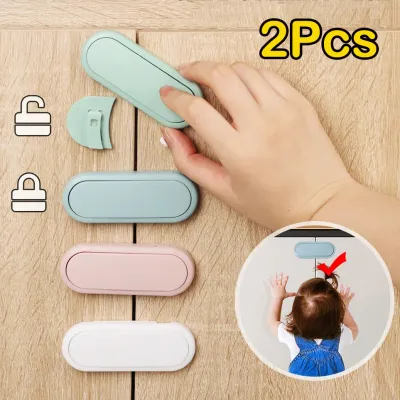
Mechanical design is another critical indicator of a brand’s reliability. Simple, single-action latches—such as those requiring a basic push or pull—are easily figured out by toddlers through observation or accidental manipulation. High-quality brands design their locks with dual-action or multi-step release mechanisms. These designs require two distinct, simultaneous physical actions to open, such as squeezing two side buttons while sliding a central latch, or pressing a hidden release lever while pulling. Because toddlers lack both the fine motor skills and the hand span required to execute these coordinated movements, these locks remain highly effective even as your child grows more coordinated.
Products mentioned in this guide
Prices are valid at publication and may change. Please refer to the product page for the latest price.
Brand transparency regarding safety testing and product history is a hallmark of a reputable manufacturer. Reliable brands do not shy away from sharing their testing methodologies, often publishing the results of pull-force tests, cycle tests (which measure how many thousands of times a lock can be opened and closed before failing), and material degradation studies. Before purchasing, check the manufacturer’s website for accessible customer support channels, comprehensive digital manuals, and clear warranty policies. Additionally, a quick search of international consumer product safety databases can reveal whether a brand has a history of voluntary product recalls, which, paradoxically, can indicate a responsible manufacturer that takes consumer safety seriously when design flaws are identified.
Comparing Common Cabinet Lock Mechanisms for Reliability
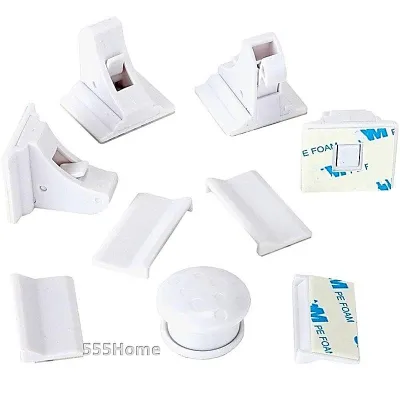
Selecting the right locking mechanism depends heavily on your cabinet configuration, aesthetic preferences, and your child’s developmental stage. Magnetic cabinet locks are widely considered one of the most secure and visually unobtrusive options available. These systems utilize a powerful magnetic latch installed entirely inside the cabinet or drawer, leaving the exterior surface completely clean and unaltered. To open the cabinet, you must place a specialized magnetic key on the outside of the door directly opposite the internal latch. Because there are no visible parts on the exterior, toddlers are not tempted to pull, shake, or climb on the cabinet doors, which significantly extends the lifespan of the lock. However, magnetic locks require precise alignment during installation, meaning you should look for brands that include physical installation cradles or alignment templates to prevent mounting errors.

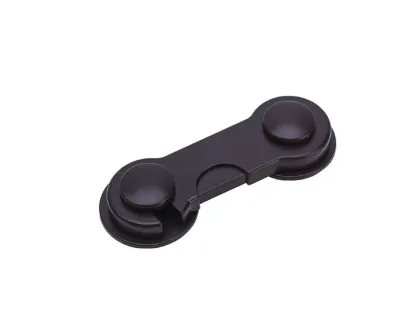
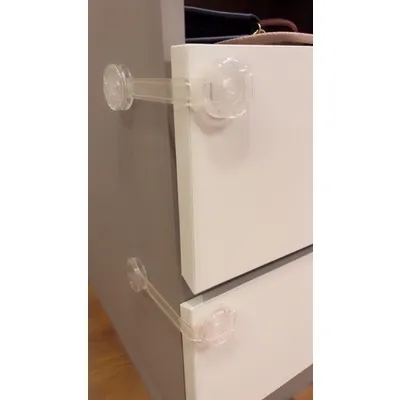
Adhesive strap locks offer exceptional versatility, making them a staple for securing non-standard cabinets, drawers, and corners. These locks consist of two adhesive-backed anchor points connected by a flexible plastic or fabric strap. Their primary advantage is their ability to bend around corners and fit various handle shapes, allowing you to secure curved cabinets or units with irregular gaps. The reliability of a strap lock, however, is almost entirely dependent on the quality of its adhesive backing and the surface to which it is applied. Premium brands typically partner with established adhesive manufacturers to supply industrial-grade double-sided tape, such as genuine 3M acrylic foam tape. Before choosing a strap lock, verify that your cabinet surfaces are compatible; while they bond exceptionally well to smooth laminates, glass, and sealed metals, they may struggle to adhere to rough, unsealed wood, textured plastics, or walls painted with low-VOC or matte finishes.
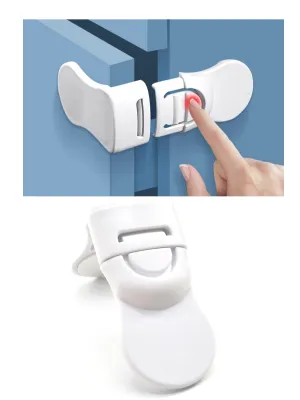
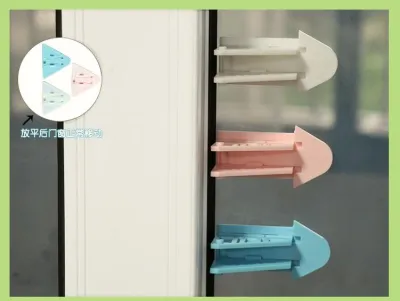
Sliding and latch locks are mechanical, external options designed specifically for double-door cabinets with adjacent D-shaped handles or round knobs. These locks slide through the handles and secure in place with a ratcheting or clamping mechanism, physically preventing the doors from pulling apart. Because they require no adhesive or permanent drilling, they are highly favored by renters and are incredibly easy to install and remove as needed. The primary wear point for sliding locks is plastic fatigue; over time, the constant tension and repeated squeezing of the release tabs can cause the plastic to become brittle or lose its springiness. When evaluating brands for sliding locks, look for those utilizing thick, reinforced structural plastics rather than thin, flexible alternatives that can bend under a toddler’s full body weight.
Where to Buy and What to Verify in Singapore
Sourcing authentic, high-quality baby safety locks in Singapore requires a cautious approach to both physical and digital retail spaces. While online marketplaces offer unparalleled convenience and a vast array of choices, they are also flooded with unbranded, generic lookalikes that often bypass rigorous safety testing. To ensure you are purchasing genuine products from reputable brands, consider visiting physical baby specialty stores located in major retail hubs across Singapore. Physically handling the products allows you to assess the thickness of the plastic, the stiffness of the spring mechanisms, and the overall build quality before committing to a purchase. If you prefer shopping online, prioritize official brand stores or authorized local distributors rather than third-party resellers with unverified supply chains.
When inspecting product packaging, look for recognized international safety certifications rather than generic marketing claims like “childproof” or “ultra-strong.” The most reliable standard for consumer-fitted child cupboards and drawer locking devices is the European standard EN 16948. This certification ensures the lock has undergone rigorous testing for mechanical strength, durability, and toddler resistance. Other reputable standards include ASTM international guidelines. If a brand does not reference any recognized safety standards or testing protocols on its packaging or official website, it is best to look for an alternative that prioritizes consumer transparency.
Singapore’s unique tropical climate presents a specific challenge for adhesive-based baby safety locks. The high relative humidity, which frequently exceeds 80%, combined with warm indoor temperatures, can cause low-grade adhesives to soften, lose their tackiness, and slide off surfaces over time. When researching brands, pay close attention to verified customer reviews from local buyers. Look for feedback that specifically mentions how well the adhesive performs in non-air-conditioned spaces, such as kitchens or utility yards. If reviews consistently complain about locks falling off within a few weeks or leaving a sticky, melted residue, it is a clear sign that the adhesive used by that brand is not suited for Singapore’s environmental conditions.
Installation and Maintenance for Ongoing Safety
Proper installation is just as critical to a lock’s reliability as the brand’s manufacturing quality. For adhesive-based locks, surface preparation is the single most important step in ensuring a long-lasting bond. Kitchen cabinets are often coated in a thin, invisible layer of grease, cooking oils, and dust, which will instantly compromise any adhesive. Before mounting a lock, clean the target area thoroughly using isopropyl alcohol and a clean microfiber cloth. Avoid using household glass cleaners or multi-purpose sprays, as these often leave behind a slick residue that prevents the adhesive from bonding. Once the surface is completely dry, apply the lock and press firmly for at least 30 seconds to activate the pressure-sensitive adhesive. Crucially, do not test, pull, or use the lock immediately; most high-quality adhesives require a full 24-hour curing period to reach their maximum bond strength.
Ongoing maintenance is essential to prevent unexpected lock failures as your child grows stronger and more persistent. Establish a monthly routine to inspect every safety lock in your home. Check for visible signs of wear, such as hairline cracks in the plastic, discoloration from sunlight exposure, or stiffness in the spring mechanisms. For adhesive locks, gently tug on the anchor points to verify that the edges are not beginning to lift or peel away from the cabinet surface. If you notice any play or movement, it indicates the adhesive bond has degraded and needs attention.
If a lock fails to latch automatically, shows signs of structural damage, or has a compromised adhesive backing, it must be replaced immediately. Do not attempt to repair a broken plastic latch with household glue, as this will not restore the structural integrity required to withstand a toddler’s pull force. Always consult the manufacturer’s instructions for specific troubleshooting steps, especially regarding the safe removal of old adhesive. Most reputable brands recommend using a hair dryer on a low-heat setting to soften the adhesive before gently peeling it away with dental floss or a plastic scraper, preventing damage to your cabinet’s wood or laminate finish.
Frequently Asked Questions (FAQ)
Are magnetic cabinet locks safe for all types of wood and finishes?
Magnetic cabinet locks are generally safe for most wood types and laminate finishes because they are installed on the interior of the cabinet, leaving the exterior completely untouched. However, their effectiveness depends heavily on the thickness of your cabinet doors. Most magnetic keys can only penetrate wood up to a certain thickness, typically between 25mm and 35mm. If you have exceptionally thick solid wood doors or heavy decorative veneers, the magnetic field may not be strong enough to disengage the internal latch. Always check the manufacturer’s specifications for maximum door thickness before purchasing. Additionally, if you are using adhesive-mounted magnetic locks on delicate interior veneers or painted surfaces, test a small piece of adhesive in an inconspicuous area first to ensure it will not peel the finish when eventually removed.
How often should I replace adhesive baby safety locks?
As a general rule, adhesive baby safety locks should be inspected regularly and typically replaced every 12 to 18 months, depending on usage and environmental exposure. Locks installed on high-frequency cabinets, such as under-sink trash bins or daily snack cupboards, experience significantly more wear and tear and may require earlier replacement. In Singapore’s humid climate, adhesives in non-air-conditioned kitchens or bathrooms can degrade faster due to moisture and heat. If you observe any lifting at the edges of the adhesive tape, a sticky residue seeping from the sides, or if the plastic strap itself feels brittle or discolored, replace the lock immediately to maintain a secure environment.
Can I use standard baby safety locks on appliances like ovens or refrigerators?
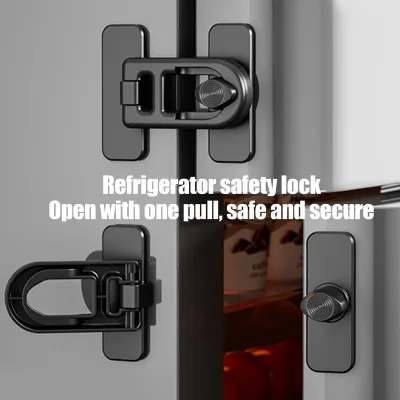
Standard baby safety locks designed for wooden cabinets should not be used on household appliances like ovens or refrigerators. Ovens generate significant external heat that can melt standard plastics and cause standard adhesives to liquefy and fail, posing a severe safety hazard. Securing an oven requires specialized heat-resistant locks made from materials designed to withstand high temperatures. Similarly, refrigerators and freezers require heavy-duty strap locks that can handle the constant thermal expansion and contraction of the appliance doors, as well as the strong suction seal created when the door closes. Always check your appliance’s user manual before applying any adhesive locks, as some manufacturers warn that strong adhesives can damage specialized stainless-steel coatings or void your warranty.
Community discussion
Share your experience or ask a question. Comments are reviewed before publication.