
When baby-proofing a home in Singapore, protecting active toddlers from sharp furniture corners is a top priority. While many parents search for a single “best” brand of anti-collision strip, the ideal choice actually depends on your specific furniture materials, your child’s developmental stage, and verifying key safety certifications. A reliable edge guard must combine non-toxic, high-density materials with a secure, surface-safe adhesive that can withstand Singapore’s humid climate.
By focusing on material safety, density, and proper installation techniques, you can create a secure environment for your child without causing permanent damage to your home’s interior. This guide outlines how to evaluate physical properties, verify product safety labels, and maintain edge guards effectively over time.
Quick Answer: Core Features of Safe Edge Guards
To quickly identify a safe and effective anti-collision strip, you must look beyond aesthetic appeal and focus on three critical performance pillars: material safety, impact absorption, and adhesive integrity.
Products mentioned in this guide
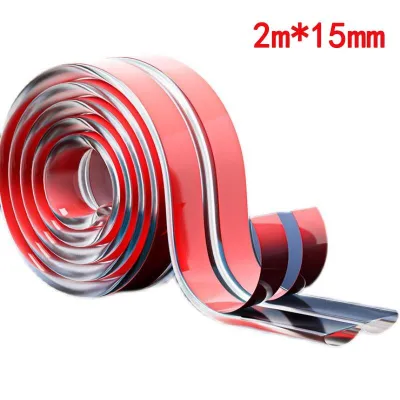


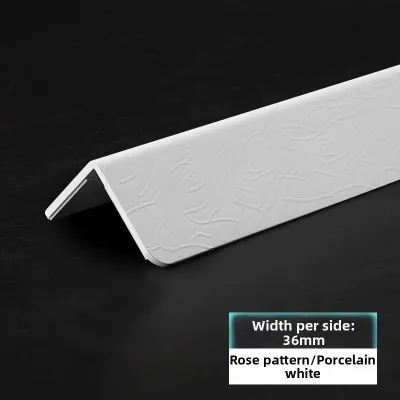
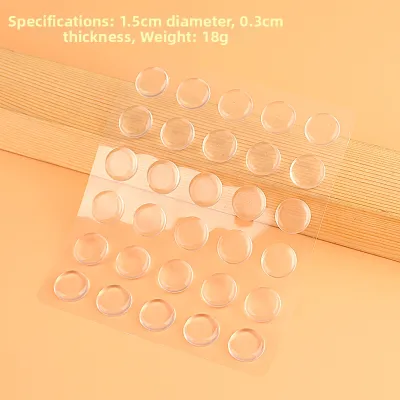
Prices are valid at publication and may change. Please refer to the product page for the latest price.
First, prioritize non-toxic materials that are free from heavy metals, phthalates, and BPA. Because teething babies frequently chew on low-lying edges, the chemical composition of the guard is just as important as its physical cushioning. Look for products that explicitly state compliance with international safety standards on their packaging.
Second, evaluate the thickness and density of the material. A high-quality guard should feel firm yet springy, offering enough resistance to prevent a child’s head from bottoming out against the hard furniture corner during an accidental fall.
Finally, select a product that utilizes a high-bond, surface-safe adhesive. The tape must be strong enough to resist curious fingers pulling at the edges, yet formulated to peel away cleanly when the guard is no longer needed, preserving your furniture’s finish.
Essential Selection Criteria for Anti-Collision Strips
Selecting the right edge guard requires understanding how different materials and designs perform under daily wear and tear. Balancing protection with furniture compatibility ensures long-term safety.

Material and Density
Most anti-collision strips are made from Nitrile Butadiene Rubber (NBR) foam, Ethylene-Vinyl Acetate (EVA) foam, or silicone. NBR foam is highly popular because of its thick, spongy texture, which provides excellent cushioning for heavy impacts. However, foam is susceptible to bite marks and tearing if your baby is teething, which can create small pieces that pose a choking hazard.
Silicone is much tougher, highly durable, and virtually bite-proof. It is often transparent, allowing it to blend discreetly with modern furniture designs. However, silicone is naturally firmer than foam, meaning it offers slightly less “give” during a high-velocity impact. When evaluating foam options, check the density rating if provided by the manufacturer; higher density ensures the material distributes impact forces more effectively.
Adhesive Quality
The bond between the strip and your furniture is the most common point of failure. Acrylic-based double-sided tapes are standard, but their performance varies wildly based on the surface. Wood surfaces with oil finishes may repel adhesives, while painted drywall can easily peel if the adhesive is too aggressive.
Always check the manufacturer’s compatibility list for glass, metal, treated wood, and laminate. In Singapore’s humid environment, low-quality adhesives can soften and slide over time. Investing in high-quality, temperature-resistant bonding tapes designed specifically for baby-proofing is essential for a lasting hold.
Design and Coverage
Measure your furniture edges carefully before purchasing. Continuous rolls are highly versatile, allowing you to cut custom lengths for long TV consoles, dining tables, or low shelves. They provide seamless protection along entire edges where a toddler might bump their forehead while learning to walk.
Pre-cut corner guards are designed specifically for sharp 90-degree angles, which are often the most dangerous impact points. Combining continuous rolls with matching pre-cut corners usually provides the most comprehensive and secure coverage. Ensure the inner dimensions of the guard match the thickness of your furniture edges to prevent gaps.
Sourcing and Verifying Baby Safety Products in Singapore
Finding reliable baby-proofing products requires careful shopping habits and a critical eye when browsing physical and digital shelves.
Retail Channels
Parents in Singapore have several avenues for purchasing baby-proofing gear. Specialty baby boutiques and physical department stores allow you to feel the material density and inspect the packaging firsthand before buying. Official brand websites offer the highest assurance of authenticity and direct customer support.
While general online marketplaces and e-commerce platforms offer convenience and competitive pricing, they also host unbranded or counterfeit products. These cheaper alternatives may not meet chemical safety standards, making it crucial to verify the seller’s credentials and product origins before purchasing.
Label Verification
Do not rely solely on generic online product descriptions. When you receive the product, inspect the physical packaging for recognized safety standard marks. Look for certifications like the European Standard EN 71 (which regulates toy safety and mechanical/physical properties) or RoHS compliance (ensuring the absence of hazardous substances).
The packaging should also clearly list the material composition, such as “100% food-grade silicone” or “non-toxic NBR,” and provide clear manufacturer contact details. If the packaging lacks these details or contains vague safety claims, consider returning the product.
Evaluating Reviews
When shopping online, look past the overall star rating. Filter reviews to find feedback from local buyers who mention how the adhesive holds up in Singapore’s humidity. Look for specific comments about whether the material emits a strong chemical odor upon opening, how easy it was to install, and whether their children were able to peel it off within a few weeks.
Genuine reviews often include photos showing the product after several months of use. Pay close attention to negative reviews that mention crumbling foam or adhesive failure, as these indicate potential safety and durability issues.
Installation Guidelines and Routine Safety Checks
Even the highest-quality anti-collision strip will fail if it is not installed correctly or maintained over time.
Surface Preparation
Proper preparation is the secret to long-lasting adhesion. Dust, oils, and fingerprint residue will prevent the tape from bonding correctly to the furniture. Clean the surface thoroughly using a microfiber cloth and isopropyl alcohol or mild soapy water, ensuring the cleaning agent is safe for your specific furniture finish.
Allow the surface to dry completely. Because Singapore’s ambient humidity can interfere with the curing process, it is highly recommended to perform the installation in an air-conditioned room where the air is drier, ensuring a stronger initial bond.
Application Technique
Measure the edge and cut the strip to the exact length required. If using a continuous roll, apply the double-sided adhesive tape to the inside of the strip first, pressing it down firmly along the entire length. When applying the strip to the furniture, start from one end and press down gradually to avoid trapping air bubbles.
Do not stretch the material as you apply it. Stretched foam or silicone will naturally contract over time, causing the ends to peel away or leave exposed gaps. Once the strip is in place, apply firm, even pressure along the entire length for at least 30 seconds to activate the adhesive.
Ongoing Monitoring
Adhesives require time to cure fully, typically around 24 hours. Keep your child away from the newly installed guards during this curing window to prevent early displacement. Once active, establish a weekly routine to inspect the strips.
Run your hand along the edges to check for peeling corners, loose sections, or physical damage. If you notice bite marks, deep scratches, or crumbling material, address it immediately to prevent the baby from swallowing small pieces. While basic rolls may cost under S$10, investing in certified non-toxic options usually ranges from S$15 to S$30 per pack, making timely replacement an affordable safety measure.
Recognizing When to Replace or Remove Edge Guards
Baby-proofing is a temporary phase, and knowing when to update or remove your safety measures is key to maintaining a safe home.
Wear and Tear Indicators
No edge guard lasts forever, and foam strips are particularly prone to degradation. If you notice the foam becoming brittle, powdery, or showing deep bite marks from a teething toddler, it is time for an immediate replacement. Loose edges that no longer stick securely pose a double risk: they fail to protect against impacts, and they become an enticing object for your baby to pull on, potentially leading to choking hazards if small pieces tear off.
Developmental Milestones
Baby-proofing is a dynamic process that evolves with your child’s physical abilities. As toddlers reach 2 to 3 years of age, their spatial awareness, balance, and coordination improve significantly, reducing the frequency of accidental falls. At this stage, they may also become highly curious about the edge guards themselves, turning them into a game of peeling and pulling.
If the guards are causing more distraction or peeling hazards than actual protection, it may be time to gradually remove them. Start with less dangerous areas, such as low shelves, while keeping guards on high-traffic sharp corners until your child fully understands how to navigate them safely.
Safe Removal Steps
Removing old adhesive can be challenging without damaging your furniture. To make the process easier, use a hairdryer on a low or medium heat setting to gently warm the adhesive, which softens the bond. Slowly peel the strip back at a shallow 45-degree angle rather than pulling straight up.
For any stubborn residue left behind, apply a small amount of vegetable oil, olive oil, or a mild, furniture-safe adhesive remover to a cloth and gently rub the area. Always test any cleaning agent or heat application on an inconspicuous part of the furniture first to ensure it does not ruin the finish.
Frequently Asked Questions (FAQ)
Are foam or silicone anti-collision strips better for babies?
Both materials have distinct advantages depending on where they are used. Foam (such as NBR) is exceptionally soft and thick, making it the preferred choice for low-lying, heavy wooden tables where high-impact falls are a concern. However, foam is easily damaged by biting and scratching.
Silicone is highly durable, bite-resistant, and virtually transparent, making it ideal for modern glass coffee tables or dining table edges where you want a low-profile look. When choosing, prioritize high-density options and verify that the manufacturer provides non-toxic, chemical-free certifications for whichever material you select.
How do I remove adhesive residue without damaging furniture?
To safely clear away leftover glue, start with the gentlest methods first. Applying mild heat with a hairdryer on a low setting can soften the residue, allowing you to roll it off easily with your fingers.
If residue remains, dab a small amount of vegetable oil or warm soapy water onto a soft microfiber cloth and gently rub the spot in a circular motion. Avoid using harsh chemical solvents, acetone, or abrasive scrubbing pads, especially on unsealed wood, painted surfaces, or delicate veneers, as these can permanently strip the finish. Always perform a spot test on a hidden area of the furniture before applying any treatment.

Community discussion
Share your experience or ask a question. Comments are reviewed before publication.