
Navigating the weeks following childbirth—often referred to as the fourth trimester—is a period of profound physical transition. After carrying a baby for nine months, your abdominal muscles, ligaments, and pelvis undergo significant stretching and displacement. In Singapore, many mothers look for supportive garments to help stabilize their core, alleviate lower back strain, and ease the transition back to daily activities. However, finding the right recovery wear requires understanding your body’s specific anatomical needs, your delivery method, and how to safely manage post partum recovery in a warm, tropical environment.
Post Partum Belly Wraps vs. Support Bands: What Is the Difference?
To make an informed decision, it is essential to distinguish between traditional belly wraps and modern support bands, as they serve different primary functions during your recovery.
Postpartum Belly Wraps Often referred to as abdominal binders, these are typically wide, structured panels of fabric designed to wrap fully around your midsection, extending from just below the bust line down to the hips. They focus on providing broad, uniform abdominal compression. In Singapore, traditional binding methods like the Malay bengkung wrap are highly popular during the confinement period. These traditional wraps utilize long strips of cotton fabric meticulously tied around the torso to provide firm, continuous compression. Modern commercial wraps simplify this process with adjustable panels or Velcro closures, but the core objective remains the same: supporting stretched abdominal walls, encouraging uterine involution (the process of the uterus shrinking back to its pre-pregnancy size), and providing a secure feeling to the midsection.
Products mentioned in this guide
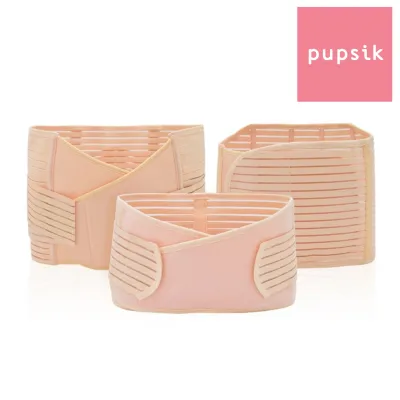
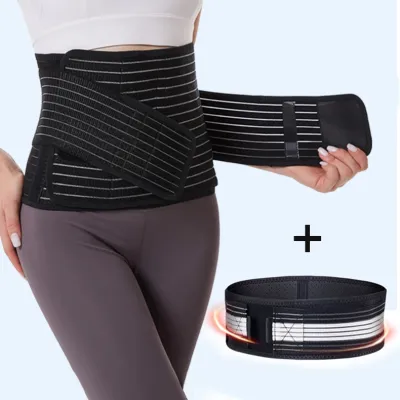
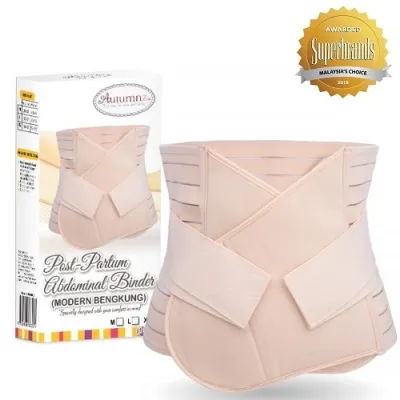
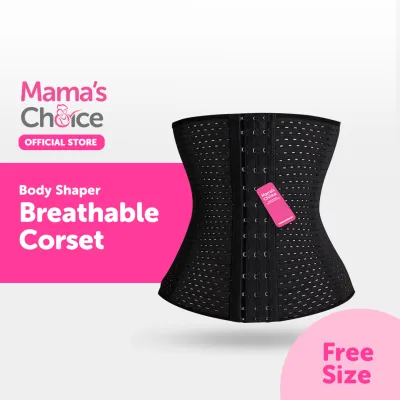
Prices are valid at publication and may change. Please refer to the product page for the latest price.
Postpartum Support Bands In contrast, support bands are generally narrower and more targeted in their design. Rather than compressing the entire abdomen, they focus on the lower back, pelvis, and hips. These bands are engineered to stabilize the sacroiliac (SI) joints and provide pelvic support, which is particularly beneficial if you are experiencing pelvic girdle pain or lower back strain. They help redistribute weight and encourage better posture, especially when you are sitting to nurse or carrying your newborn.
The Recovery Connection Postpartum recovery is not a one-size-fits-all journey. Your abdominal muscles (specifically the rectus abdominis) and your pelvic floor operate as a coordinated system. While a belly wrap can offer comfort for abdominal separation, a support band addresses pelvic instability. Understanding these differences allows you to choose a garment that aligns with your specific physical symptoms, or even combine both tools at different stages of your recovery journey.
What to Look for in Singapore’s Hot and Humid Climate
Singapore’s year-round tropical climate, characterized by high temperatures and humidity, introduces unique challenges when selecting postpartum recovery wear. Wearing a thick, restrictive garment close to your skin for extended periods can quickly lead to discomfort, heat rash (miliaria), or contact dermatitis. Therefore, material selection and breathability should be your top priorities.

Prioritize Breathable Fabrics Look for garments constructed from lightweight, moisture-wicking materials. Natural fibers such as bamboo viscose and organic cotton blends are highly recommended because they are gentle on sensitive skin, highly breathable, and effective at absorbing perspiration. Additionally, many modern medical-grade support bands utilize open-weave mesh or perforated elastic panels. These designs allow air to circulate freely, helping to regulate your body temperature even when you are outdoors or in non-air-conditioned environments.
Avoid Heavy Neoprene While neoprene is common in sports waist trainers due to its durability and heat-retaining properties, it is highly unsuitable for postpartum wear in a humid climate. Neoprene traps sweat against the skin, creating a warm, moist environment that encourages bacterial growth and skin irritation. Opt instead for fabrics that facilitate rapid evaporation.
Adjustable and Low-Profile Closures The closure system of your wrap or band affects both comfort and heat retention. Look for high-quality, micro-Velcro or soft hook-and-eye closures. Traditional, heavy Velcro can feel stiff, trap heat, and cause chafing if it comes into direct contact with your skin. Low-profile, adjustable fasteners allow you to customize the compression level as your body changes without adding unnecessary bulk under your clothing.
Seamless and Flat-Edge Designs Postpartum wear should move with your body. Seamless construction or flat-stitched edges prevent the garment from digging into your skin when you sit, bend, or nurse your baby. This is particularly important around the upper thighs and hips, where tight, rolling edges can cause painful friction and redness in warm weather.
Choosing the Right Support Based on Your Delivery Type
Your delivery method is the most critical factor in determining when and how you should use postpartum support wear. The physical demands of recovering from a vaginal birth differ significantly from those of recovering from major abdominal surgery.
Vaginal Delivery Recovery Following a vaginal birth, your primary recovery needs center on pelvic stabilization and gentle abdominal support. You may experience pelvic floor heaviness or lower back strain as your ligaments gradually tighten. For most women, a light, flexible support band can be introduced within the first week postpartum, provided you feel comfortable. The focus should be on gentle, upward support rather than tight, downward compression. Start with short intervals to assess how your body responds, ensuring the band does not place excessive downward pressure on your pelvic floor.
C-Section Recovery Recovering from a Cesarean delivery requires extreme care, as you are healing from an abdominal incision. Standard belly wraps can rub against your incision, causing pain, friction, and potential wound complications. If you had a C-section, look for specialized recovery bands that feature a high-waisted design, soft inner linings, or protective silicone panels designed to shield the scar. The compression must be evenly distributed to support your abdominal wall without pressing directly or unevenly on the healing wound.
The Crucial Medical Boundary If you delivered via C-section, you must obtain explicit clearance from your obstetrician or healthcare provider before wearing any compression or support garments. Applying pressure to a healing surgical wound prematurely can restrict blood flow, disrupt stitches, trap moisture, and significantly increase the risk of infection. Always prioritize your doctor’s guidance over general product recommendations.
Safe Usage Guidelines and When to Consult a Doctor
While postpartum support wear can provide immense comfort, it must be used safely to prevent complications. Misuse of these garments can lead to pelvic floor strain, restricted breathing, or muscle weakness.
The “Snug but Not Tight” Rule Your wrap or band should feel like a supportive hug, not a corset. You must be able to take deep, diaphragmatic breaths, speak comfortably, and digest food without restriction. If the garment is wrapped too tightly, the intra-abdominal pressure has nowhere to go but down, placing excessive force on your pelvic floor muscles. This can worsen urinary incontinence or contribute to pelvic organ prolapse.
Limit Your Wear Time Avoid wearing support bands or wraps continuously throughout the day. It is generally recommended to limit wear to a few hours at a time, taking regular breaks to allow your skin to breathe and your core muscles to engage naturally. Never wear a compression band while sleeping unless specifically prescribed by a medical professional, as your body needs unrestricted circulation and rest to heal overnight.
Recognize Red Flags Pay close attention to your body’s signals. Remove the garment immediately and consult your healthcare provider if you experience any of the following warning signs:
- An increase in pelvic floor pressure or a feeling of heaviness in your lower pelvis.
- Sharp pain, numbness, or tingling in your abdomen, hips, or legs.
- Shortness of breath or difficulty breathing deeply.
- Increased redness, swelling, warmth, or unusual discharge from a C-section incision.
- Severe skin irritation, hives, or persistent rashes.
Passive vs. Active Recovery It is vital to remember that belly wraps and support bands provide passive, external assistance. They do not rebuild muscle strength or restore pelvic floor function. To achieve long-term recovery, these garments should be viewed as temporary aids while you transition to active rehabilitation, such as targeted pelvic floor exercises (Kegels) and core-strengthening routines guided by a women’s health physiotherapist.
How to Shop for and Verify Postpartum Recovery Wear
With numerous options available on online marketplaces and in specialty maternity boutiques across Singapore, evaluating products systematically ensures you invest in a safe, high-quality garment.
Verify Material Safety and Certifications Because recovery wear is worn close to your skin—often over sensitive areas or healing incisions—verifying material safety is crucial. Look for brands that clearly state their fabrics are hypoallergenic and dermatologically tested. You can also look for internationally recognized textile safety certifications, such as the Oeko-Tex Standard 100, which indicates that the fabric has been tested for harmful substances.
Read Verified Buyer Reviews When shopping on e-commerce platforms, look beyond the overall rating. Focus on verified reviews written by mothers who have used the product during their postpartum recovery. Look for specific feedback regarding how the fabric performs in Singapore’s humid weather, whether the edges roll up during daily movement, and how well the garment retains its elasticity after multiple washes.
Use Postpartum Sizing Charts Never select a recovery band based on your pre-pregnancy clothing size or your size during the third trimester. Your postpartum body is unique and dynamic. Look for brands that provide detailed sizing charts based on your actual measurements (such as your current waist or hip circumference) taken after delivery. If you are shopping during late pregnancy, many brands offer guidance on how to estimate your postpartum size, but measuring post-delivery remains the most accurate method.
Check Return and Exchange Policies Due to the intimate nature of postpartum recovery wear, many physical maternity stores and online retailers in Singapore enforce strict hygiene policies that prohibit returns or exchanges once the packaging is opened. Before making a purchase, carefully read the retailer’s terms. If you are between sizes, contact their customer service for guidance, or choose a highly adjustable design that can accommodate your changing body shape.
Frequently Asked Questions (FAQ)
Can I wear a postpartum belly wrap while exercising?
You should avoid wearing standard postpartum compression wraps during moderate to high-impact exercise. While a light, flexible support band can offer gentle stability during low-impact movements like walking, structured wraps can restrict your diaphragm and prevent your core muscles from engaging naturally. Before resuming any exercise routine, consult your obstetrician or a pelvic floor physiotherapist. They can help ensure your core is functioning correctly and recommend specialized sports support wear if necessary.
Do postpartum support bands help with diastasis recti?
Postpartum support bands do not cure or close diastasis recti (the separation of the abdominal muscles) on their own. They can, however, provide valuable pelvic and abdominal support, improve your posture, and offer proprioceptive feedback—reminding you to engage your core muscles during daily tasks. Real healing and closure of the abdominal wall require targeted, active rehabilitation exercises guided by a qualified healthcare professional or a specialized postpartum physiotherapist.
How long should I wear a belly wrap each day?
When starting out, it is best to introduce your postpartum wrap gradually. You might begin by wearing it for just 1 to 2 hours a day to see how your body and skin respond. If comfortable, you can slowly increase this duration, but it is generally advised to limit wear to a maximum of 6 to 8 hours per day, broken up by regular rest periods. Taking breaks is especially important in Singapore’s humid climate to prevent sweat accumulation, protect your skin barrier, and ensure your core muscles are given the opportunity to work and rebuild strength on their own.
Community discussion
Share your experience or ask a question. Comments are reviewed before publication.