
Finding healthy baby snacks in Singapore can feel like navigating a maze of clever marketing. While many packages prominently display vibrant fruits and health-focused claims, a closer look often reveals a different story. To ensure you are offering your baby truly nutritious options, you must learn how to identify products with absolutely no added sugar.
This guide provides a practical, step-by-step framework to evaluate ingredients, decode nutritional labels, and select safe, wholesome snacks available in local stores and online marketplaces. By mastering these verification steps, you can confidently choose snacks that support your baby’s development without introducing unnecessary sweeteners.
Quick Answer: Identifying Truly Sugar-Free Baby Snacks
To verify if a baby snack is genuinely free of added sugars, you must look past the front-of-pack marketing and examine the ingredient list on the back. A truly sugar-free snack contains only whole-food ingredients, with no sweeteners added during processing.
Products mentioned in this guide
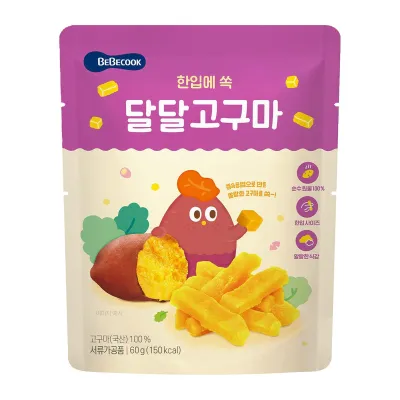
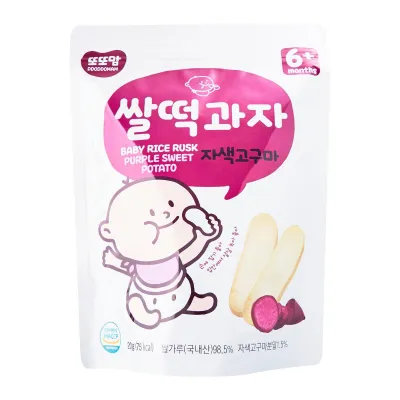
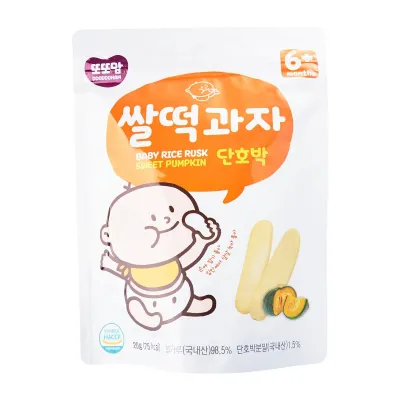
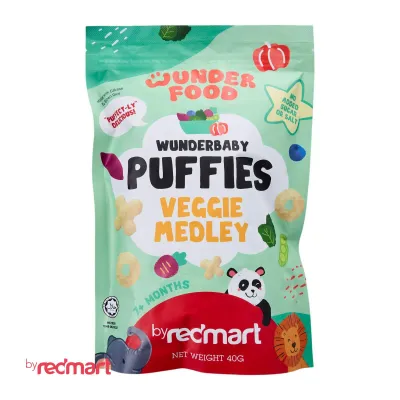
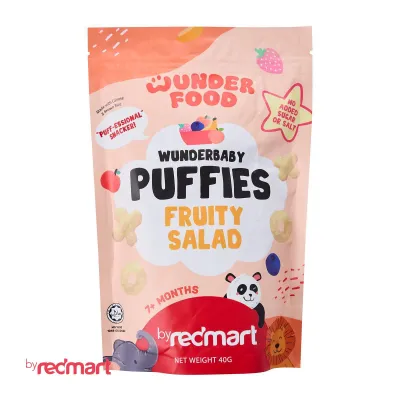
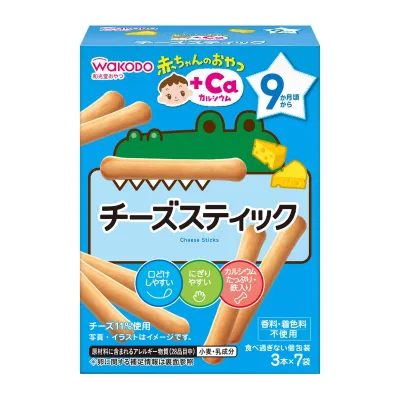
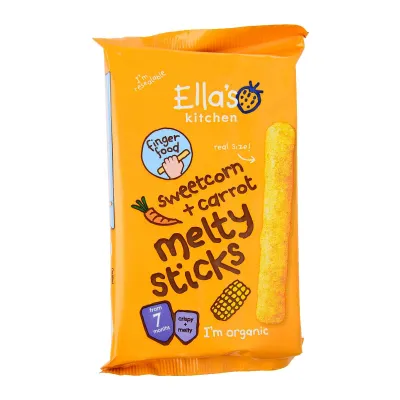
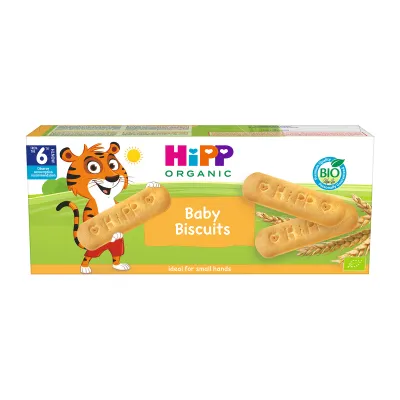
Prices are valid at publication and may change. Please refer to the product page for the latest price.
There is a strict boundary between “no added sugar” and “unsweetened” on packaging. “No added sugar” means the manufacturer did not introduce extra sugars during production, though the product may still contain high levels of natural sugars from fruit concentrates. “Unsweetened” typically means the product contains no added sugars, artificial sweeteners, or sugar alcohols, relying solely on the mild, natural flavors of the base ingredients.
When inspecting a label, check the order of the ingredient list first. Ingredients are listed in descending order of weight, meaning the first few items make up the bulk of the snack. If any form of sugar, syrup, or fruit concentrate appears near the top of the list, the product is not suitable for a strict low-sugar diet.
Immediate red flags that should disqualify a baby snack include terms like brown rice syrup, cane sugar, dextrose, fructose, maltose, and sucrose. Additionally, if a product lists fruit juice concentrate as a primary ingredient rather than whole fruit puree, it indicates a high concentration of free sugars designed to sweeten the snack artificially.
Decoding "No Added Sugar" and Hidden Sweeteners
Understanding the difference between naturally occurring sugars and added sweeteners is crucial for making informed dietary choices for your baby. Naturally occurring sugars are found inherently within whole foods, such as lactose in breast milk and dairy, or fructose in whole fruits and vegetables. These sugars are bound within a cellular structure that also provides essential dietary fiber, vitamins, and minerals, slowing down absorption.

In contrast, added sweeteners are introduced during manufacturing to enhance flavor, preserve texture, or extend shelf life. Even when derived from natural sources, these sugars behave differently in the body. They provide concentrated energy without the nutritional benefits of whole foods, potentially contributing to a preference for overly sweet tastes early in life.
Manufacturers often use hidden sugar aliases to keep their ingredient lists looking healthy. Common culprits include fruit juice concentrates, maltodextrin, agave nectar, maple syrup, and barley malt extract. While fruit juice concentrate sounds wholesome, the concentration process removes the beneficial fiber, leaving behind a highly concentrated sugar syrup that functions identically to refined sugar.
To make accurate comparisons between products, you must analyze the nutritional information panel. Look closely at the “Total Carbohydrates” section, which is typically broken down into “Total Sugars.” Compare the sugar content per 100 grams across different brands rather than relying on the serving size, which can vary significantly.
If a snack has a high sugar-to-carbohydrate ratio but lists no obvious sugars, re-examine the ingredient list for concentrates or starches. A high-quality baby snack should have a low sugar content per serving, with the sugars coming exclusively from recognizable, whole-food ingredients like whole grains, vegetables, or unsweetened dairy.
Beyond Sugar: Essential Nutritional Checks for Baby Snacks
While avoiding added sugar is a primary goal, a truly healthy baby snack must meet several other nutritional and physical safety standards. Savory snacks, such as veggie sticks, rice cakes, or baked puffs, often contain added sodium to enhance flavor. Excessive sodium intake can strain a baby’s developing kidneys and establish a preference for salty foods.
When evaluating savory options, check the sodium content on the nutritional panel. For babies under twelve months, snacks should ideally contain minimal sodium, with no added salt in the ingredient list. Compare products and select those with the lowest sodium milligrams per serving to keep your baby’s daily intake well within safe, age-appropriate limits.
Artificial additives, preservatives, and synthetic colorings are another category of ingredients to avoid. Look for clean, minimalist ingredient lists that feature recognizable foods. Avoid products containing sodium benzoate, sulfur dioxide, artificial flavors, or synthetic dyes, as these additives are unnecessary for a baby’s nutritional needs and can sometimes trigger sensitivities.
Physical safety is just as important as nutritional content. You must verify that the snack’s texture, size, and shape are appropriate for your baby’s specific developmental stage. For early stages of snacking, choose items that dissolve rapidly in the mouth with minimal chewing, such as melt-away puffs or soft rusks.
Always read the packaging for age recommendations and choking hazard warnings. If a product does not clearly state its suitability for your baby’s age group, or if the texture feels too firm to easily mash between your fingers, do not offer it to your child. Caregiver supervision is mandatory during all feeding sessions to ensure safety.
Building Your Shortlist: Evaluating Baby Snack Brands
To build a reliable shortlist of baby snack brands in Singapore, you need a structured evaluation framework. Rather than relying on unverified online rankings or popular trends, focus on brand transparency and manufacturing standards. A reputable brand should provide clear, accessible information about its ingredient sourcing and quality control measures.
Look for brands that openly share their testing protocols for heavy metals, pesticides, and common allergens. This information is often available on the manufacturer’s official website or can be requested directly from their customer service. Brands that prioritize safety will readily provide these details to reassure parents.
Cross-reference the claims printed on the packaging with independent regulatory standards and certifications. Look for recognized organic certifications, such as the USDA Organic seal, the EU Organic leaf, or equivalent national organic standards. These certifications verify that the ingredients were grown without synthetic pesticides or genetically modified organisms.
Keep in mind that an organic certification does not automatically mean a product is low in sugar or sodium. You must still perform the basic ingredient and nutritional checks on every certified organic product. Use certifications as a secondary filter to ensure agricultural quality after you have verified the nutritional profile.
To create your personalized shortlist, follow this step-by-step method:
- Identify developmental readiness: Determine if your baby is ready for finger foods based on physical milestones, such as the ability to sit upright and use a pincer grasp.
- List dietary restrictions: Note any known food allergies, sensitivities, or dietary preferences, such as gluten-free, dairy-free, or vegetarian requirements.
- Filter by ingredient quality: Eliminate any brands that use added sugars, high sodium, artificial preservatives, or synthetic colorings.
- Assess physical format: Select snack formats, such as puffs, freeze-dried fruit pieces, or soft biscuits, that match your baby's current chewing and swallowing capabilities.
- Verify local availability: Ensure the selected brands are consistently stocked by reliable local retailers or authorized online distributors in Singapore.
Purchasing Channels and Pre-Buy Verification in Singapore
When you are ready to purchase baby snacks, choosing the right retail channel is essential for ensuring product safety and freshness. Specialized baby boutiques and dedicated mother-and-baby stores often carry highly curated selections of premium, international brands. While these stores offer excellent quality assurance, their prices may be higher than mainstream options.
Mainstream supermarkets and hypermarkets across Singapore provide a convenient and cost-effective alternative. They frequently stock popular, widely distributed baby snack brands and offer competitive pricing. However, their inventory of specialized, niche organic or allergen-free snacks may be more limited compared to specialty stores.
E-commerce platforms and online marketplaces offer the widest variety of international brands and the convenience of home delivery. They also allow you to compare prices easily and purchase in bulk. Despite these benefits, online shopping requires extra vigilance to avoid counterfeit products, expired stock, or damaged goods.
Before finalizing any online purchase, verify the seller’s authorization. Look for official brand stores, flagship outlets, or highly rated local distributors on the platform. Read recent buyer feedback, paying close attention to comments regarding packaging quality, delivery speed, and the remaining shelf life of the products.
Once your order arrives, perform a thorough physical inspection before opening the product. Check that the safety seals are completely intact and that the packaging shows no signs of bloating, tearing, or crushing. Verify the expiry date printed on the container, ensuring the product has several months of shelf life remaining.
Given Singapore’s warm and highly humid climate, proper storage is vital to prevent spoilage and maintain snack texture. Once a package is opened, transfer any remaining snacks to an airtight container if the original packaging is not resealable. Store the container in a cool, dry pantry away from direct sunlight, and consume the contents within the manufacturer’s recommended timeframe.
Frequently Asked Questions (FAQ)
At what age can babies safely start eating solid snacks?
Babies are generally ready to start exploring solid snacks around six months of age, alongside breast milk or formula. Physical signs of readiness include the ability to sit upright with minimal support, good head and neck control, and showing active interest in food during family mealtimes. Your baby should also have lost the tongue-thrust reflex that automatically pushes solid objects out of the mouth. Because every child develops at their own pace, always consult your pediatrician before introducing solid snacks to ensure your baby is developmentally ready.
Are organic baby snacks always free from added sugars?
No, organic baby snacks are not guaranteed to be free from added sugars. An organic certification simply means the ingredients were grown and processed according to organic farming standards, which restrict the use of synthetic pesticides and chemical fertilizers. It does not regulate the nutritional formulation of the final product. Organic snacks can still contain organic cane sugar, organic brown rice syrup, or organic fruit juice concentrates. You must always read the ingredient list and nutritional panel to verify the sugar content, regardless of any organic labels.
How should I store opened packages of baby snacks to maintain freshness?
To maintain the freshness and crisp texture of baby snacks in Singapore’s humid climate, store opened packages in a cool, dry place away from direct sunlight. If the original packaging does not have a reliable resealable zip lock, transfer the remaining snacks immediately to a clean, airtight glass or BPA-free plastic container. This prevents moisture from entering and making the snacks soggy or prone to mold. Always check the manufacturer’s packaging for specific instructions on how quickly the product should be consumed after opening, which typically ranges from a few days to a week.
Community discussion
Share your experience or ask a question. Comments are reviewed before publication.