
Managing soiled nappies in Singapore’s year-round tropical heat and high humidity requires more than just a standard plastic bin liner. The combination of ambient temperatures often exceeding 30 degrees Celsius and relative humidity levels regularly hovering around 80 percent creates an environment where organic waste decomposes rapidly. This acceleration leads to the swift release of ammonia and volatile organic compounds, which can quickly permeate a nursery or living space. To maintain a fresh and hygienic home, caregivers must look beyond basic convenience and evaluate the specific material science, structural seals, and physical formats of nappy disposal bags. Selecting the right bag involves understanding how different plastics interact with moisture and gas molecules, ensuring that unpleasant odours remain securely trapped until the waste can be moved to outdoor chutes or central collection points.
Core Features That Actually Trap Nappy Odours
To effectively contain the gases produced by decomposing organic waste, the material composition of a nappy disposal bag is the first line of defense. Standard single-layer polyethylene bags, commonly used for general household waste, possess microscopic pores that allow gas molecules to slowly permeate through the plastic over time. In contrast, high-performance nappy disposal bags typically utilize multi-layer barrier films. These films often combine layers of high-density polyethylene with specialized polymers, such as ethylene vinyl alcohol or nylon blends, which are specifically engineered to block gas transmission. When evaluating products, look for packaging that explicitly details a multi-layer construction, as these dense barriers are significantly more effective at preventing odour molecules from migrating into the surrounding air.
The physical mechanism used to close the bag is equally critical to maintaining an airtight seal. Tie-handle bags are highly common and offer a straightforward, manual closing method, but they rely entirely on the user’s ability to knot the plastic tightly enough to prevent air exchange. Drawstring designs provide a quick closing action, yet they often leave a small, central aperture at the gathering point where odours can escape, especially when the bag is compressed inside a bin. Twist-and-tie systems, frequently integrated into specialized diaper pail cassettes, offer a highly reliable seal by continuously twisting the film around the neck of each individual nappy, minimizing the volume of trapped air and isolating each unit of waste. Caregivers should assess their daily routine and choose a closure style that balances ease of use with a consistently tight physical barrier.
Products mentioned in this guide
Prices are valid at publication and may change. Please refer to the product page for the latest price.
Another key consideration is the choice between scented and unscented nappy bags. Scented bags are infused with artificial fragrances designed to mask unpleasant smells, but this approach can sometimes result in an overpowering combination of perfume and waste odours that many find more objectionable than the original smell. Furthermore, synthetic fragrances can be a source of irritation for infants with sensitive respiratory systems or delicate skin. Unscented bags focus entirely on physical containment and gas-blocking technology, making them a safer and more predictable choice for households prioritizing air quality. If you prefer a scented option, verify that the fragrance is mild and check for any manufacturer warnings regarding skin sensitivity or allergen exposure.
Overcoming Humid Weather Challenges for Nappy Bins
Singapore’s tropical climate presents unique challenges for waste management, as high heat and moisture act as catalysts for bacterial proliferation. When a soiled nappy is placed in a warm, enclosed space, the urea in urine is rapidly converted into ammonia by bacterial enzymes, while solid waste undergoes accelerated anaerobic decomposition. This process not only generates strong, pungent odours but also increases the humidity inside the bin, creating a breeding ground for mold and bacteria. Standard bags that perform adequately in cooler, drier climates often fail under these conditions, as the elevated internal pressure and moisture levels force odour molecules through thin plastic barriers much faster.

To mitigate these climate-driven effects, some manufacturers incorporate antimicrobial treatments or moisture-absorbing agents directly into the bag material. These additives are designed to inhibit the growth of odour-causing bacteria on the surface of the plastic, helping to delay the onset of severe smells. When shopping, check product labels to verify if the bags feature these active barriers, and note whether they are treated with zinc- or silver-based antimicrobial agents. It is important to treat these features as supportive measures rather than absolute solutions; they work best when combined with proper ventilation and regular disposal habits.
Practical adjustments to your nursery setup can dramatically reduce the impact of humidity on nappy odours. Placing the nappy bin in a well-ventilated area, such as near a utility yard window or in a room with consistent airflow, helps prevent heat from building up around the container. Avoid positioning the bin in direct sunlight, next to air-conditioning exhaust vents, or in enclosed, unventilated closets where temperatures can spike. Additionally, increasing the frequency of emptying the bin—ideally daily or every 24 hours—prevents waste from sitting long enough to reach peak decomposition stages, ensuring that even the most stubborn odours do not have the opportunity to saturate the room.
Choosing the Right Bag Format for Your Nursery Setup
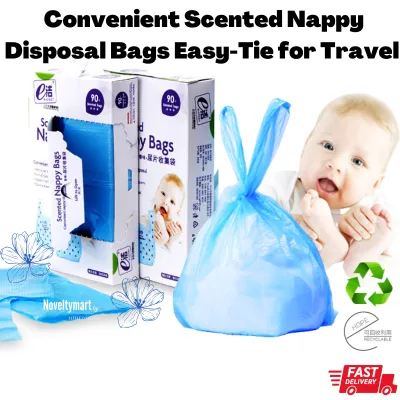
Nappy disposal bags are available in several distinct formats, each suited to different lifestyles, bin configurations, and storage spaces. Individual nappy sacks are pre-cut, single-use bags that are highly portable and convenient for on-the-go diaper changes. These are excellent additions to travel diaper bags, allowing you to seal a single soiled nappy immediately before placing it in a public bin or carrying it home. While highly convenient for travel, using individual sacks for every single change at home can become time-consuming and generate more plastic waste compared to bulk containment systems.
For dedicated nursery setups, continuous roll or proprietary cassette systems are designed to work in tandem with specialized diaper pails. These systems feature a long, unbroken tube of multi-layer film housed inside a plastic cartridge. As you deposit nappies, the system allows you to pull down and tie off the film, creating a customized bag length that maximizes space efficiency. Many of these pails feature mechanical mechanisms that twist or clamp the bag shut after every deposit, providing an exceptional level of odour isolation. However, these systems require purchasing specific refills compatible with your bin model, which represents an ongoing operational cost that caregivers must factor into their long-term budget.
Standard tall drawstring bags offer a more traditional and cost-effective alternative, particularly for households using large, open-top utility bins. These bags hold a high volume of waste, reducing the frequency of bag changes, and are widely available across various retail outlets. The primary trade-off is odour retention; because these bins are opened frequently and do not feature specialized sealing mechanisms, a large volume of scented or unscented air is displaced into the room every time a new nappy is added. If you choose this route, opting for extra-thick, heavy-duty liners and utilizing a bin with a tight-fitting, step-activated lid can help mitigate the escape of trapped odours.
Your Pre-Purchase Checklist for Nappy Disposal Bags
Before purchasing a bulk supply of nappy disposal bags, taking the time to verify compatibility and material quality can prevent frustration and wasted expenditure. Ensure that any continuous roll or cassette refill you select is explicitly compatible with the exact brand and model of your diaper pail, as even minor differences in cartridge dimensions can prevent the system from sealing correctly. If you are using individual sacks, check the physical dimensions of the bag to ensure it can comfortably accommodate larger overnight diapers or toddler-sized nappies without tearing during the tying process.
Material strength is another critical factor to assess, particularly when handling heavy, wet nappies that accumulate moisture over several hours. Look for bags that emphasize tear resistance and reinforced seam construction, as a split seam can lead to highly unpleasant leaks and contamination inside your bin. You can often gauge real-world durability by reviewing user feedback on online marketplaces, paying close attention to comments from parents living in warm, humid regions who can speak directly to how well the bags hold up under tropical conditions.
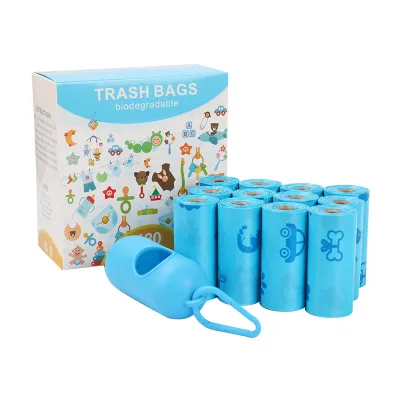
Finally, evaluate the environmental impact of your choice alongside its performance. If you are considering biodegradable or compostable options, verify the manufacturer’s instructions regarding storage and shelf life, as high humidity can sometimes accelerate the breakdown of these materials before they are even used. Balance your environmental goals with the practical necessity of odour containment, ensuring that the chosen bag provides a reliable, leak-proof barrier that keeps your living space hygienic and comfortable.
Frequently Asked Questions (FAQ)
Can I use regular plastic grocery bags instead of dedicated nappy sacks?
While reusing regular plastic grocery bags is a cost-effective and highly accessible option, they generally lack the specialized multi-layer barrier films required to block microscopic gas molecules. Standard grocery bags are typically made of thin, single-layer low-density polyethylene, which allows ammonia and other strong odour compounds to permeate through the plastic relatively quickly. Additionally, these bags often feature ventilation holes or weak seams that increase the risk of leaks and tears when carrying heavy, wet nappies. For short-term containment or immediate disposal in outdoor chutes, grocery bags can suffice, but they are generally ineffective for long-term indoor storage in humid conditions.
How often should I empty the nappy bin in humid weather?
In Singapore’s warm and humid climate, it is highly recommended to empty your nappy bin at least once every 24 hours, regardless of whether the bin is completely full. The elevated temperature and humidity inside the home accelerate bacterial growth and chemical breakdown, meaning that odours can reach unpleasant levels much faster than they would in cooler climates. If you are managing solid waste or using cloth nappies, more frequent disposal—or immediate transfer to an outdoor waste chute—is ideal to prevent bacteria from colonizing the bin and creating persistent smells that can linger even after the bag is removed.
Are biodegradable nappy bags effective at blocking smells?
Biodegradable nappy bags can be highly effective at blocking smells, but their performance depends heavily on the specific materials used and how they are stored. Many eco-friendly bags are made from plant-based starches or compostable polymers that are designed to break down over time when exposed to moisture and microbes. While this is beneficial for the environment, it means the bags may have a slightly higher moisture vapor transmission rate compared to traditional synthetic plastics, which can allow some odour to escape if waste is left inside for extended periods. To maximize their effectiveness, store unused biodegradable bags in a cool, dry place, and ensure you empty the bin daily to prevent the material from beginning to degrade prematurely inside your home.
Community discussion
Share your experience or ask a question. Comments are reviewed before publication.