
Choosing the right kids chopsticks involves matching the physical design of the utensil to your child’s current fine motor skills, hand size, and developmental readiness. Instead of buying the first colorful pair you see on an online marketplace, look for specific features like adjustable finger rings, flexible hinges, textured tips, and lightweight, food-grade materials. In Singapore, where family meals often revolve around shared dishes, introducing chopsticks is a common milestone that helps children feel included at the dining table. Finding a pair that prevents frustration while encouraging proper finger placement is key to a smooth and enjoyable transition.
Assessing Your Child's Readiness and Skill Level
Before purchasing a set of kids chopsticks, observe how your child handles existing utensils during mealtime. If they can steadily hold a spoon or fork, scoop up food without major spills, and show a genuine interest in how adults or older siblings use chopsticks, they may be ready to try. This curiosity is a strong indicator that they will engage with the learning process rather than view it as a chore. You can also look for other signs of fine motor development, such as the ability to pinch small objects between their thumb and index finger during play.
Always check the manufacturer’s age and developmental recommendations printed on the product packaging. These guidelines are designed with average hand sizes and grip strengths in mind, helping you avoid options that are too complex or heavy for a beginner. However, remember that these age brackets are merely reference points; every child develops fine motor skills at their own pace. A child who is highly proficient with a fork at two years old might grasp the concept quickly, while another child might prefer to wait until they are four.
Products mentioned in this guide
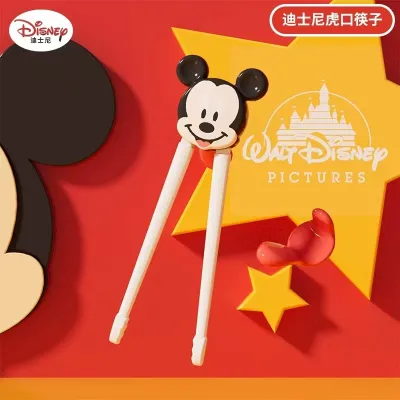
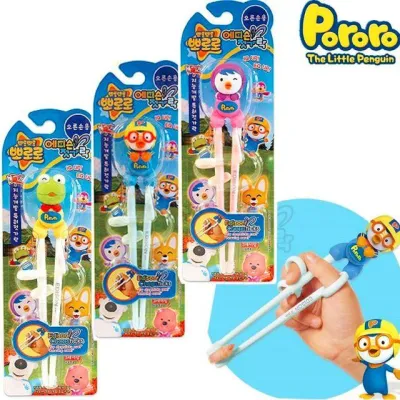
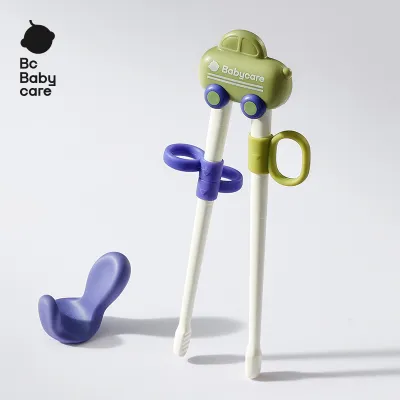
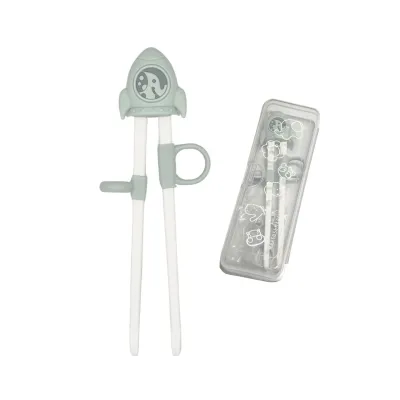
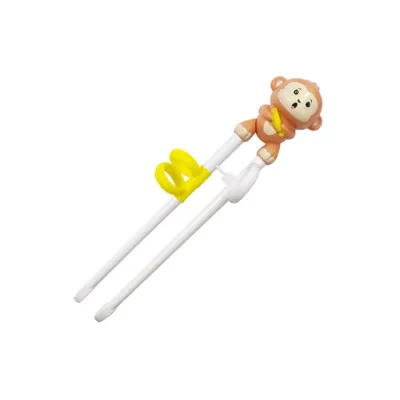
![[SG Ready Stock] Childrens Chopsticks Training Chopsticks Baby Chopsticks Practice Chopstick Paw Patrol dogs Fork & Spoons [Little Gems]](https://img.lazcdn.com/g/p/939dd119956354e64fe7863ca81d0efa.jpg_400x400q80.jpg_.webp)
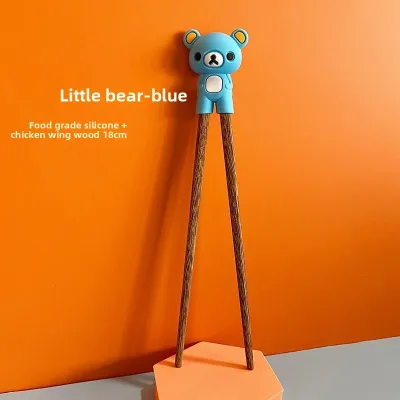
![[Cozy Nest] Baby Training Chopsticks Childrens Practice Chopsticks Infant Learning Chopsticks Baby Feeding Utensils](https://img.lazcdn.com/g/p/edd432d14753cc8df96951e5bdfb702a.jpg_400x400q80.jpg_.webp)
Prices are valid at publication and may change. Please refer to the product page for the latest price.
Forcing a child to use chopsticks before their hand muscles are sufficiently developed can lead to frustration and mealtime stress. If your child struggles to squeeze the sticks together or loses interest quickly, it is best to put the chopsticks aside for a few weeks. Continuing to use standard spoons and forks allows them to build hand strength naturally without associating chopsticks with failure. Keep the introduction light and fun, treating it as an exciting new skill rather than a strict mealtime requirement.
Evaluating Assistive Designs and Grip Mechanisms
Training chopsticks come in various structural designs, each offering different levels of physical support. For absolute beginners, hinged or connected chopsticks are highly effective because they keep the two sticks aligned. When evaluating these, check the flexibility of the hinge mechanism. The connection should be springy enough to open automatically after being squeezed, but not so stiff that it tires out small hand muscles. A natural, smooth opening and closing motion is essential for building muscle memory.

Finger rings or loops are another common feature designed to guide finger placement. Look for models with soft, flexible rings made of silicone rather than rigid plastic, as these accommodate different finger thicknesses more comfortably and prevent chafing. The rings should position the thumb, index, and middle fingers in the correct anatomical spots, teaching the child how to hold the sticks without slipping. Some designs feature three rings, while others use two, depending on how much guidance your child needs.
As your child’s dexterity improves, a modular or multi-stage design becomes highly valuable. Some training chopsticks feature removable finger rings or detachable hinges, allowing you to gradually strip away the assistive elements. This step-by-step modification transforms the training tool into a standard pair of chopsticks, saving you from purchasing multiple separate products as your child progresses. It also provides a familiar transition, as the child continues using the same familiar sticks but with less physical support.
Checking Material Safety and Build Quality
Safety is the primary consideration for any product that comes into contact with your child’s food. When browsing options, carefully read the product labels and packaging to verify claims of food-grade materials. Ensure the chopsticks are explicitly labeled as free from harmful chemicals such as bisphenol A (BPA), phthalates, and polyvinyl chloride (PVC). Since training chopsticks are often made of plastic or silicone to allow for colorful designs and flexible parts, verifying these safety labels is crucial.
The design of the chopstick tips is equally important for both safety and usability. The ends must be blunt to prevent accidental poking injuries if a child moves suddenly at the dining table. Additionally, look for textured, matte, or embossed tips. These textured surfaces provide extra friction to help grip slippery foods like noodles, fishballs, or tofu, reducing frustration during early attempts and helping your child build confidence quickly.
Inspect the overall build quality before allowing your child to use the utensils. Run your fingers along the body to check for smooth finishes, ensuring there are no sharp plastic edges or splinters, which are common risks in low-quality wood or bamboo options. Avoid designs with small, loosely attached decorative characters or detachable parts at the top that could easily break off and present a choking hazard. A sturdy, well-constructed pair will withstand being dropped on hard dining room floors multiple times.
Sizing, Weight, and Ergonomics for Small Hands
Adult chopsticks are far too long and heavy for a toddler or young child to control. When selecting kids chopsticks, compare the overall length of the utensil against your child’s hand span. Shorter chopsticks, typically ranging between 13 to 16 centimeters, are much easier for beginners to balance and maneuver. This shorter length allows them to focus on the pinching motion rather than struggling to keep the tips of the sticks aligned.
The weight of the material plays a significant role in preventing hand fatigue during a meal. Lightweight materials like high-quality plastics or hollow stainless steel are ideal, as they do not strain the child’s wrist. If the chopsticks are too heavy, the child may revert to a fist-like grip or abandon the utensils entirely in favor of their fingers. A lightweight pair ensures they can complete a meal comfortably without their hands growing tired.
Pay close attention to the thickness and contour of the grip area. The upper portion of the chopsticks should fit comfortably and securely within small palms. Ergonomically contoured grips with flat or textured finger rests help guide natural hand placement. This design makes it easier for your child to maintain a secure hold even when their hands are slightly greasy or wet during a meal, preventing the chopsticks from twisting in their grasp.
Maintenance, Cleaning, and Daily Convenience
Mealtime cleanup should be as straightforward as possible, especially for busy parents. Before buying, check the manufacturer’s care instructions to see if the chopsticks are dishwasher-safe. If you prefer sterilizing your child’s utensils, verify the maximum temperature limits the materials can withstand to prevent warping, melting, or chemical leaching. Some silicone components can handle high heat, while certain plastic hinges may warp in a steam sterilizer.
Consider how easily food particles and moisture can become trapped in the design. Chopsticks with intricate hinges, deep crevices, or permanently attached finger rings can easily harbor bacteria if not cleaned thoroughly. Simple, streamlined shapes are generally much easier to wash by hand under running water. If the design has many small joints, you may need a small brush to clean out food residue effectively.
Opt for designs that can be fully disassembled for cleaning. Being able to separate the silicone rings, plastic hinges, and main sticks allows you to scrub every surface and ensure complete drying. This thorough drying is crucial in humid climates like Singapore’s, where trapped moisture can quickly lead to mold or mildew buildup in hidden joints. A design that disassembles easily also makes it simpler to pack the chopsticks in a travel case for meals out at hawker centres or restaurants.
Transitioning to Regular Chopsticks
The ultimate goal of training chopsticks is to help your child transition to standard utensils. You will know your child is ready to move on when they consistently maintain a proper grip without relying on the finger rings for support. If they begin to bypass the rings or hold the sticks correctly even when their fingers slip out, it is a clear sign that their hand strength and muscle memory have developed sufficiently.
If you chose a modular design, begin by removing the finger rings one by one, starting with the index and middle finger loops. Allow your child to practice with just the thumb guide or the connected hinge for a few weeks. This gradual reduction of support helps them build confidence and control without a sudden drop in stability. You can also encourage them to practice outside of mealtimes by using the chopsticks to pick up small toys, pom-poms, or blocks during playtime.
When introducing their first pair of regular chopsticks, select a child-sized set made of lightweight wood, bamboo, or textured plastic. Ensure these transition chopsticks have highly textured tips to assist with gripping food, as the lack of a hinge or bridge will initially make balancing food more challenging. Keep practice sessions positive and stress-free, allowing them to switch back to training aids if they become tired or frustrated during a meal.
Frequently Asked Questions (FAQ)
At what age should a child start using training chopsticks?
Readiness depends heavily on individual fine motor skill development rather than a strict chronological age. While many manufacturers design basic training chopsticks for children around two to three years old, some children may not show interest or have the hand strength until they are four or five. Observe your child’s proficiency with spoons and forks, and check the specific manufacturer guidelines on the packaging before introducing them to ensure the design matches their developmental stage.
Are silicone or wooden training chopsticks better?
Both materials have distinct advantages, and the best choice depends on your child’s needs and your cleaning preferences. Wooden chopsticks offer a natural grip texture and are highly traditional, but they require careful drying to prevent mold and must be checked regularly for splinters. Silicone or plastic options are often lighter, easier to sanitize, and frequently feature colorful, modular designs with flexible finger rings, making them highly practical and engaging for beginners.
Community discussion
Share your experience or ask a question. Comments are reviewed before publication.