
Seaweed snacks have become a staple in many family pantries, prized for their crispy texture, savory taste, and convenient packaging. For parents navigating the snack aisles in Singapore, these thin green sheets seem like an ideal alternative to greasy potato chips or sugary biscuits. However, not all seaweed products are created equal, especially when they are marketed for children. Selecting the right kids seaweed snack requires a careful look beyond the colorful cartoon packaging to evaluate nutritional profiles, ingredient lists, and physical formats. By understanding what to look for on the label, you can ensure your child enjoys a nutritious treat that supports their growing body without introducing unnecessary sodium, low-quality oils, or artificial additives.
When choosing seaweed snacks for young children, the primary considerations revolve around sodium content, ingredient simplicity, oil quality, and physical texture. Young digestive systems and kidneys are still developing, making them highly sensitive to high salt levels and complex food additives. Additionally, the physical format of the seaweed must match your child’s developmental stage to prevent choking hazards and ensure a safe eating experience. This guide provides a comprehensive framework to help you evaluate commercial seaweed snacks, read nutrition labels with confidence, and select age-appropriate options that align with your family’s dietary preferences and health goals.
Core Standards for Evaluating Kids Seaweed Snacks
When evaluating seaweed snacks for children, the first line of defense is checking the simplicity of the ingredient list. High-quality seaweed snacks designed for kids should ideally contain very few ingredients: seaweed, a high-quality oil, and a minimal amount of salt. As a general rule, the shorter the ingredient list, the less processed the food is likely to be. Parents should prioritize products where seaweed (often listed as laver or nori) is the primary ingredient, followed by recognizable, whole-food components rather than synthetic flavorings, preservatives, or moisture-retaining agents.
Products mentioned in this guide
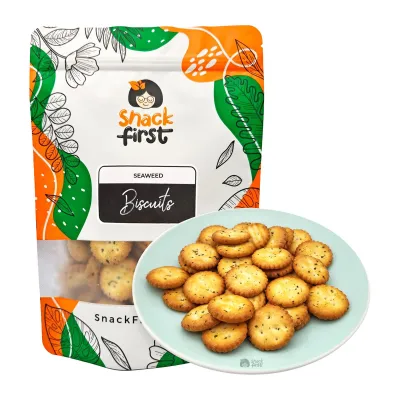
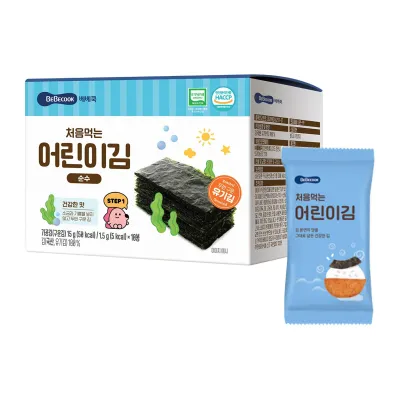
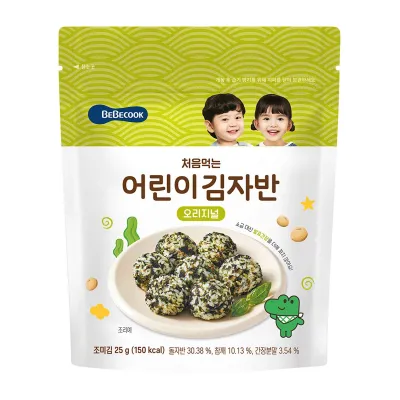
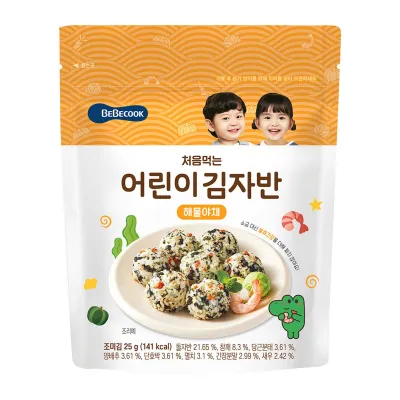
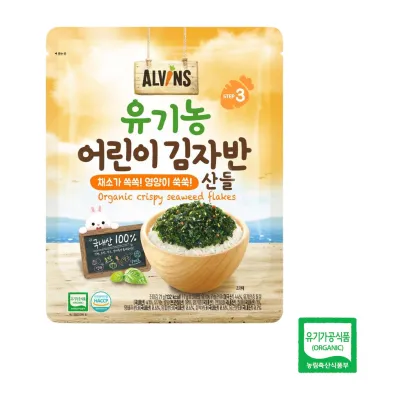
Prices are valid at publication and may change. Please refer to the product page for the latest price.
The quality of the oil used during the roasting process is another critical standard to evaluate. Many commercial seaweed snacks are roasted using vegetable oils, canola oil, corn oil, sesame oil, or olive oil. While sesame oil and olive oil are often preferred for their stable profiles and pleasant natural flavors, parents should check the product packaging for details on how the oil is sourced and processed. Because seaweed sheets are highly porous and absorb a significant amount of oil during processing, the quality of this fat directly impacts your child’s snack quality. Furthermore, oils can degrade and oxidize over time, especially when exposed to heat and light during shipping and storage. Checking for packaging that protects the product from light and air can help minimize the risk of feeding your child rancid oils.
Sourcing and environmental purity represent the third core standard. Seaweed naturally absorbs minerals and elements from the marine environment in which it grows, meaning water quality directly affects the final product. When browsing options, look for brands that explicitly state their sourcing practices or mention that their raw materials undergo testing for heavy metals and environmental contaminants. While you should verify these claims on the manufacturer’s official website or product documentation, prioritizing brands that are transparent about their harvesting locations and quality control measures provides an extra layer of reassurance.
Reading the Label: Managing Sodium and Additives
Reading the nutrition information panel is the most reliable way to manage your child’s sodium intake when offering seaweed snacks. Sodium is naturally present in seaweed in small amounts, but commercial processing often adds significant quantities of salt to enhance flavor. To calculate the actual sodium your child consumes, you must look closely at the serving size listed on the nutrition facts label. Often, a single small package of seaweed may contain multiple servings, or conversely, a child might easily eat two or three individual packets in one sitting. Compare the sodium content per serving and per 100 grams across different brands to identify the lowest sodium option available.

While there is no single universal standard, general dietary guidelines suggest keeping sodium intake for toddlers and young children as low as possible. For toddlers aged one to three years, the recommended daily sodium limit is generally very low, and even a single highly salted seaweed snack can quickly make up a large portion of that daily allowance. When comparing products, do not rely solely on front-of-pack marketing claims such as “low sodium,” “lightly salted,” or “no added salt.” These claims are often comparative and may simply mean the product has less sodium than the brand’s standard version, which could still be too high for a young child. Always verify the actual milligrams of sodium on the back label to make an informed decision.
Beyond sodium, parents must scrutinize the ingredient list for hidden sugars, monosodium glutamate (MSG), and artificial flavor enhancers. Manufacturers frequently add these ingredients to create highly palatable flavors like barbecue, cheese, or sweet soy, which can encourage overeating and accustom a child’s palate to intensely artificial tastes. Look out for terms like yeast extract, hydrolyzed vegetable protein, disodium inosinate, and disodium guanylate, which are often used to enhance savory flavors without explicitly listing MSG. Choosing plain, unflavored, or lightly roasted seaweed options helps keep your child’s palate clean and ensures they appreciate the natural, earthy flavor of the seaweed itself.
Choosing Age-Appropriate Formats and Textures
Matching the texture and format of a seaweed snack to your child’s developmental stage is essential for safety and enjoyment. Seaweed sheets can vary significantly in thickness, crispiness, and how quickly they dissolve in the mouth. For infants transitioning to solids and early toddlers who are still developing their oral motor skills, thin, melt-in-the-mouth seaweed sheets are generally the most appropriate starting point. These delicate sheets break down rapidly when they come into contact with saliva, reducing the risk of the seaweed sticking to the roof of the mouth or the back of the throat, which can cause gagging or choking.
As children grow older and develop advanced chewing abilities, they can gradually transition to slightly thicker cuts, crispy seaweed rolls, or seasoned seaweed strips. These formats require more active chewing and help children practice bilateral coordination of their jaw and tongue. However, parents must remain vigilant, as thicker or double-layered seaweed snacks can sometimes become leathery or chewy when exposed to saliva, making them harder to swallow if not chewed thoroughly. Regardless of the format, close caregiver supervision is always required when a child is eating seaweed snacks. Ensure your child is sitting upright in a secured high chair or seat, and avoid offering snacks while they are running, playing, or distracted.
To make seaweed snacks safer for younger children, parents can physically modify the sheets before serving. Instead of handing a toddler a whole sheet, which they might attempt to stuff into their mouth all at once, tear the seaweed into small, bite-sized pieces. Alternatively, you can crumble the seaweed over a bowl of warm rice, porridge, or mashed vegetables. This not only softens the texture of the seaweed, making it much easier and safer to swallow, but also adds a pleasant savory flavor to the meal without the need for added salt. Always consult the manufacturer’s age recommendations on the packaging, and observe your child’s specific chewing and swallowing readiness before introducing new snack formats.
Building a Shortlist Based on Dietary Needs
When building a shortlist of seaweed snacks for your family, individual dietary needs and health considerations should guide your selection framework. Many parents seek out organic or pesticide-free certified seaweed options to minimize their child’s exposure to agricultural chemicals and synthetic processing aids. When evaluating these options, look for recognized organic certification seals on the packaging, and take the time to verify these certifications through the manufacturer’s official documentation or reputable third-party databases. Keep in mind that organic certification focuses on the growing and processing methods, so you must still check the nutrition label for sodium and oil quality.
For families managing food allergies, verifying allergen-free manufacturing practices is a critical step. Seaweed is a marine product, and harvesting processes can sometimes result in cross-contact with crustacea, molluscs, or fish. Additionally, many seaweed snacks are processed in facilities that also handle soy, sesame, wheat, or gluten-containing ingredients. If your child has a known food allergy, look for brands that explicitly state their allergen control protocols or carry certified allergen-free labels. When in doubt, contact the manufacturer directly to confirm whether the product is processed on dedicated allergen-free lines, rather than relying solely on the ingredient list.
Another important nutritional factor to consider is the natural iodine content of seaweed. Seaweed is an exceptionally rich source of iodine, an essential mineral that supports thyroid function and healthy development. However, excessive iodine intake can also impact thyroid health, particularly in young children whose bodies require only very small daily amounts. Because iodine levels can vary widely depending on the species of seaweed, harvesting conditions, and processing methods, parents should check if the packaging lists the iodine content per serving. If your child consumes seaweed snacks regularly, or if you have any concerns regarding thyroid health or potential seafood allergies, it is highly recommended to consult a qualified pediatrician or registered dietitian to establish a safe and balanced consumption plan.
Storage and Freshness Checks for Humid Climates
Singapore’s warm, humid climate poses unique challenges for maintaining the freshness and safety of seaweed snacks. Seaweed is highly hygroscopic, meaning it readily absorbs moisture from the surrounding air. Once a package is opened, exposure to humidity can quickly turn a crispy, delightful snack into a soggy, chewy, and unappealing sheet. To prevent this, always inspect the packaging integrity before purchasing or serving. Ensure the seal is completely airtight, and check that any included desiccant packets are intact and out of reach of children. Desiccants are essential for absorbing residual moisture inside the package, but they must never be consumed or handled by kids.
To preserve the crisp texture and prevent spoilage at home, store unopened seaweed packets in a cool, dry pantry away from direct sunlight and heat sources. Once a packet is opened, any leftover seaweed should be transferred immediately to a high-quality, airtight glass or BPA-free plastic container. Adding a food-safe silica gel packet to the container can help maintain dryness. Avoid storing seaweed in the refrigerator unless the container is exceptionally well-sealed, as the temperature fluctuations and condensation when opening the container can actually introduce moisture and accelerate sogginess.
Before serving seaweed to your child, always perform a quick sensory check. Fresh seaweed should have a clean, ocean-like aroma, a vibrant dark green or dark brown color, and a distinct, crispy snap when bent. If the seaweed feels limp, sticky, or leathery, or if it exhibits a dull, grayish color, it has likely absorbed moisture and should be discarded to prevent mold growth. Furthermore, smell the product carefully for any off-flavors or a sharp, paint-like odor, which indicates that the oils used in roasting have gone rancid. Consuming rancid oils can cause digestive discomfort, so any seaweed showing signs of oil oxidation should be disposed of immediately.
Frequently Asked Questions (FAQ)
Can babies under 12 months eat roasted seaweed snacks?
Generally, commercial roasted seaweed snacks are not recommended for infants under 12 months of age. During the first year of life, a baby’s kidneys are highly immature and cannot efficiently process added sodium, making the salt levels in most commercial seaweed snacks unsuitable. Additionally, the dry, paper-like texture of roasted seaweed sheets can easily stick to an infant’s palate or throat, presenting a significant choking hazard before they have mastered advanced chewing and swallowing coordination. If you wish to introduce the nutritional benefits of seaweed to your baby before their first birthday, consult your pediatrician first. They may recommend using small amounts of plain, unsalted, thoroughly softened seaweed kelp (such as kombu) brewed into a homemade broth, or finely pureed into vegetable mashes, ensuring a safe texture and zero added sodium.
How much seaweed is safe for a toddler to eat daily?
Due to the high concentration of iodine and sodium in seaweed, moderation is key when offering this snack to toddlers. While seaweed provides beneficial minerals, a toddler’s daily requirement for iodine is very small, and eating large quantities of seaweed regularly can easily exceed the safe upper limit for their age group. As a general guideline, offering a small, child-sized portion (such as one or two mini sheets) once or twice a week is typically sufficient to enjoy the nutritional benefits without overconsuming iodine or sodium. Always check the nutrition label for specific sodium and iodine values, and balance seaweed snacks with a wide variety of other whole foods, fruits, and vegetables. If your child is a passionate seaweed lover and wants to eat it daily, consult a qualified healthcare professional or pediatric dietitian to ensure their overall dietary intake remains safe and balanced.
Community discussion
Share your experience or ask a question. Comments are reviewed before publication.