
Choosing the right kids chopsticks involves matching the utensil’s design to your child’s physical development and fine motor control. Instead of relying solely on age recommendations, parents should evaluate specific features such as adjustable training aids, safe materials, appropriate physical dimensions, and textured tips. The ideal pair of training chopsticks supports natural hand positioning, builds confidence, and keeps mealtime enjoyable rather than frustrating.
Assessing Your Child's Readiness and Skill Level
Before purchasing a pair of kids chopsticks, it is essential to observe your child’s developmental readiness. Fine motor skills develop at highly individual rates, meaning chronological age is rarely a perfect indicator of when a child is ready to transition from spoons and forks. Instead of following generic age guidelines on product packaging, look for specific physical milestones that demonstrate the hand strength and coordination required for chopstick use.
Key observable signs of readiness include a well-established pincer grasp, which is the ability to pinch small objects between the thumb and index finger. If your child can comfortably hold a pencil, crayon, or marker with a functional grip rather than a full-fist grasp, they likely possess the finger dexterity needed to manipulate chopsticks. Active interest in adult utensils during family meals is another strong indicator that your child is motivated to learn.
Products mentioned in this guide
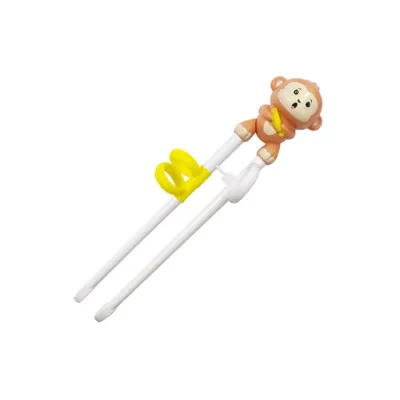
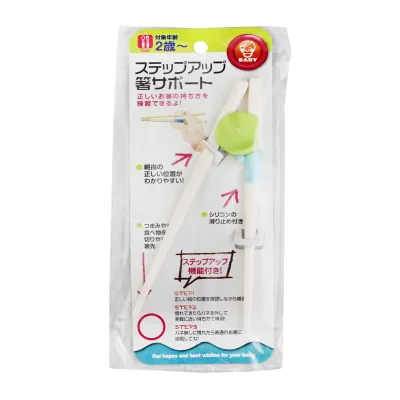
![[Sell at a Loss] Cartoon Animal Chopsticks For Children Cute Bear Panda Elementary Learning Chopstick Baby Kids Training Tableware Food Sticks](https://img.lazcdn.com/g/p/9de7c14b8ba9a5010bb0bb8c697b0a04.jpg_400x400q80.jpg_.webp)
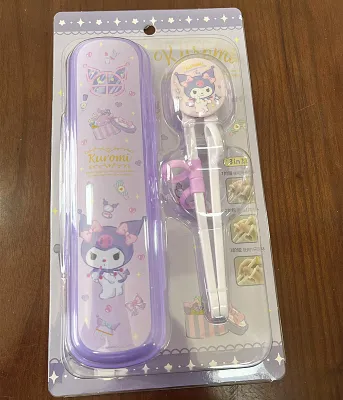
Prices are valid at publication and may change. Please refer to the product page for the latest price.
While introducing new skills is exciting, caregiver supervision is crucial during this learning phase to ensure safe usage and prevent injury. It is important to treat manufacturer age recommendations as general starting points rather than strict developmental rules. Always verify the specific developmental requirements, weight or size guidelines, and safety warnings on the product documentation before introducing any new feeding tool to your child.
Maintaining a positive, pressure-free mealtime environment is vital for long-term success. If your child shows extreme frustration, throws the utensils, or refuses to eat, it is best to pause the training immediately. Reverting to familiar spoons or forks allows your child to focus on nutrition and enjoyment, and you can try introducing the training chopsticks again in a few weeks or months when their comfort level increases. If you notice persistent difficulties with feeding or fine motor coordination, consult a qualified professional, such as a pediatrician or occupational therapist, for personalized guidance.
Key Features to Evaluate in Kids Chopsticks
Training Aids and Grip Designs
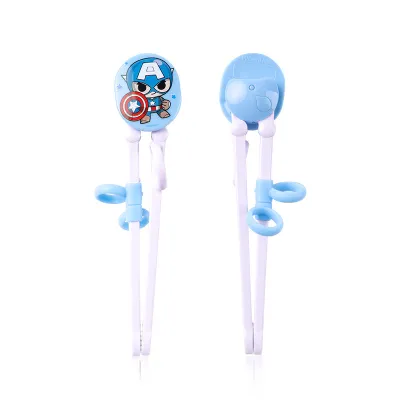
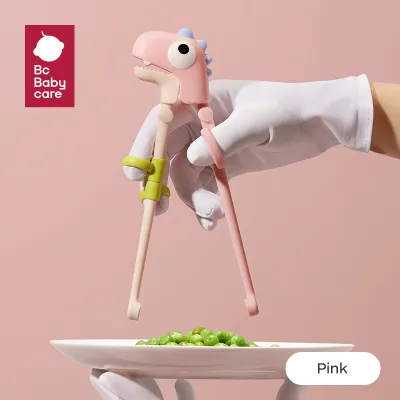
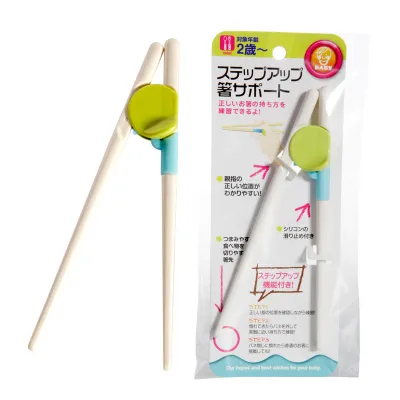
Training chopsticks utilize various mechanisms to help children learn the complex finger movements required for proper use. The most common designs include finger loops, top hinges, and ergonomic finger grooves, each serving a distinct purpose in the learning journey.

- Finger Loops: Typically made of soft silicone, finger loops are designed for absolute beginners. These loops physically guide the thumb, index, and middle fingers into the correct positions, teaching the child where to place their hands without the chopsticks slipping away. This design helps build basic muscle memory and prevents the sticks from crossing over.
- Top Hinges and Bridges: Hinged designs connect the two chopsticks at the top or middle, keeping them permanently aligned. This mechanism assists intermediate users who have progressed past finger loops but still struggle to keep the chopsticks from separating. The hinge guides the open-and-close scissor motion, allowing the child to focus on applying the right amount of pressure to pick up food.
- Ergonomic Finger Grooves: These chopsticks feature subtle indentations or molded contours along the body of the sticks. They offer minimal physical restriction, serving as gentle tactile cues for finger placement. This style is excellent for advanced learners who are almost ready to transition to traditional chopsticks but still benefit from slight positioning guides.
While training aids are highly beneficial, parents should avoid overly restrictive designs that lock the fingers into rigid, unnatural positions. Utensils that force an awkward grip can cause hand fatigue, discomfort, or hinder natural muscle development. When browsing options, look for adjustable, removable, or progressive training aids. Many high-quality sets allow you to detach the finger loops or hinges sequentially as your child’s skills improve, allowing the same pair of chopsticks to grow with your child.
Material Safety and Maintenance
Because these utensils come into direct contact with your child’s food and mouth, material safety and ease of maintenance are paramount. Kids’ chopsticks are commonly manufactured from food-grade silicone, BPA-free plastics, natural wood or bamboo, and stainless steel, each offering unique characteristics.
- Food-Grade Silicone: Often used for finger loops or decorative toppers, silicone is soft, flexible, and gentle on sensitive gums. It is highly resistant to slipping, making it comfortable for small hands to hold.
- BPA-Free Plastics: Lightweight and available in a wide variety of bright colors and child-friendly designs, plastic chopsticks are highly appealing to toddlers. However, plastic is susceptible to scratching over time, which can create tiny crevices where bacteria can gather.
- Natural Wood and Bamboo: These materials offer a traditional feel and a natural, non-slip texture that makes gripping food easier. They are lightweight and biodegradable, but they require careful maintenance to prevent splintering and moisture retention.
- Stainless Steel: Extremely durable, hygienic, and easy to sanitize, stainless steel chopsticks do not retain odors or stains. The trade-off is that they are heavier than plastic or wood, and their smooth surfaces can be slippery, making them better suited for older children with more advanced grip strength.
Rather than assuming a product is safe based on the material name alone, always verify the manufacturer’s official specifications. Check the product packaging or official brand listings to confirm food-safe certifications, BPA-free and phthalate-free claims, and specific heat resistance limits. If you plan to use a dishwasher or steam sterilizer, ensure the manufacturer explicitly states that the chopsticks are dishwasher-safe and can withstand high sterilization temperatures without warping or releasing harmful chemicals.
Size, Weight, and Tip Design
The physical dimensions of kids’ chopsticks directly impact how easily a child can control them. Adult chopsticks are far too long and heavy for developing hands, which can lead to hand strain and poor technique.
- Shorter Lengths: Kids' chopsticks are specifically engineered with shorter lengths, typically ranging from 14 to 18 centimeters. A shorter stick ensures that the pivot point aligns correctly with the size of a child's hand, providing the proper leverage needed to open and close the tips without excessive finger stretching.
- Lightweight Builds: Developing hand muscles tire quickly. Choosing lightweight chopsticks—particularly those made of hollow stainless steel, light plastics, or wood—prevents hand fatigue during meals. A lightweight tool allows your child to focus on refining their coordination rather than struggling to support the weight of the utensil.
- Textured and Wide Tip Designs: The design of the chopstick tips plays a significant role in reducing mealtime frustration. Standard adult chopsticks often have tapered, smooth tips that make picking up slippery foods highly challenging. For beginners, look for chopsticks with wide, flattened, or slightly angled tips. Many kids' chopsticks feature embossed ridges, matte textures, or silicone-coated tips that provide extra friction. This added grip makes it much easier to secure slippery items like noodles, tofu, or small fishballs, boosting your child's confidence as they practice.
Step-by-Step Selection Process
Navigating the wide variety of kids’ chopsticks on the market can be overwhelming. To find the most suitable option for your family, follow this structured, step-by-step selection process:
- Step 1: Identify your child's current developmental stage
Observe your child's fine motor skills during regular activities and meals. Determine whether they require maximum assistance (absolute beginners who need finger loops to understand placement), moderate assistance (intermediate learners who need a hinge to keep the sticks aligned), or minimal support (advanced learners who only need ergonomic grooves or shorter traditional sticks). - Step 2: Filter by training aid and grip type
Narrow down your search by selecting the training aid category that corresponds to your child's identified stage. If your child is very young or completely new to the concept, prioritize progressive sets that feature removable silicone loops. For older toddlers who have basic finger control but struggle with alignment, focus on top-hinged models. - Step 3: Verify safety and care specifications
Carefully read the manufacturer's label, product packaging, or official online store descriptions. Confirm that the materials are certified food-grade and free from harmful substances like BPA, PVC, and phthalates. Check the cleaning instructions to ensure the chopsticks align with your household routine—verify if they are dishwasher-safe or if they require gentle hand-washing and specific sterilization limits. - Step 4: Check physical dimensions and weight
Compare the product's physical specifications against your child's hand size and physical strength. A helpful traditional method to find the ideal chopstick length is to measure the distance between the tip of the thumb and the tip of the index finger when spread wide (known as the "pitch"), and multiply this number by 1.5. Ensure the weight is light enough to prevent hand fatigue during a full meal. - Step 5: Evaluate the chopstick tips
Examine the tip design to ensure it is optimized for learning. Look for textured surfaces, ridges, or widened tips that will help your child successfully pick up the types of food your family typically eats. Highly textured tips are especially useful for local culinary staples like noodles or small pieces of meat and vegetables.
Verifying the Fit and Transitioning to Regular Chopsticks
Once you have selected and introduced a pair of kids’ chopsticks, it is important to monitor how well they fit your child during actual meals. A proper fit is indicated by observable signs of success and comfort. Your child should be able to pick up food items with relative ease, maintain a relaxed hand posture without tight “white-knuckle” gripping, and show minimal signs of physical fatigue or hand cramping. If they can use the chopsticks throughout a meal while remaining cheerful and engaged, the utensil is a good match for their current skill level.
As your child practices, look for indicators that they are outgrowing their current training aids. If you notice your child bypassing the silicone finger loops entirely, resting their fingers on top of them, or easily manipulating hinged chopsticks without relying on the hinge for alignment, they are likely ready for a challenge. Another sign of readiness is when they begin successfully mimicking the finger movements of adults using traditional chopsticks.
Transitioning to traditional, unconnected chopsticks should be a gradual, encouraging process. You can start by introducing unconnected chopsticks during low-stakes scenarios, such as snack times. Offer easy-to-grip foods like cheese cubes, thick fruit slices, or crackers, which require less precision than slippery dinner foods.
Next, transition to shorter, lightweight wooden or bamboo chopsticks (around 15 to 18 cm) that do not have loops or hinges. Wood and bamboo naturally provide more friction than plastic or metal, making the initial transition to unconnected sticks much easier. Once they master these shorter traditional sticks, they can slowly progress to standard family chopsticks.
Always be prepared to adjust the pace of this transition based on your child’s comfort. If your child regresses, experiences severe frustration, or begins to lose interest in eating altogether, do not hesitate to take a step back. Reverting to the previous training stage or returning to standard spoons and forks for a period ensures that mealtimes remain a positive, nurturing experience.
Frequently Asked Questions (FAQ)
How do I clean and maintain kids chopsticks safely?
To ensure proper hygiene, always strictly follow the manufacturer’s care instructions regarding washing methods, dishwasher compatibility, and maximum sterilization temperatures. In Singapore’s highly humid tropical climate, thorough drying is critical. After washing, place wooden or bamboo chopsticks in a well-ventilated, dry area to prevent the growth of mold, mildew, and bacteria. Regularly inspect all chopsticks for physical wear; discard plastic or wooden utensils immediately if you notice deep scratches, splintering, cracking, or persistent discoloration, as these damaged areas can harbor bacteria.
Can left-handed children use standard kids chopsticks?
Most traditional, unconnected chopsticks and top-hinged training chopsticks are naturally ambidextrous, allowing both left- and right-handed children to use them without difficulty. However, training chopsticks that feature molded finger loops are highly hand-specific. Many of these loop designs are molded exclusively for right-handed finger placement. If your child is left-handed, you must carefully check the manufacturer’s specifications on the packaging or search specifically for left-handed variants to ensure the loops are correctly angled for their dominant hand.
Community discussion
Share your experience or ask a question. Comments are reviewed before publication.