
Choosing the right kids chopsticks is not simply a matter of picking a pair decorated with your child’s favorite cartoon character. To set your child up for success, you must match the physical design of the chopsticks—whether they feature silicone training rings, flexible hinges, or a standard, unconnected form—to their current fine motor skills and hand size. Introducing the wrong style too early can lead to frustration, while waiting too long might miss a natural window of curiosity. By focusing on ergonomic support, material safety, and developmental readiness, you can make mealtime an engaging opportunity for your child to build confidence and coordination.
Understanding Chopstick Readiness and Developmental Stages
Before purchasing their first pair of training utensils, observe your child’s physical readiness during daily meals. A reliable indicator is a mature pincer grasp—the ability to pick up small objects cleanly using only the thumb and index finger. If your child can already feed themselves confidently with a spoon and fork, they likely possess the foundational coordination needed to try a beginner-friendly training pair.
While many parents look for a specific age milestone, developmental windows vary significantly. Some children show intense interest in chopsticks as early as two years old, often driven by a desire to mimic family members. Others may not develop the necessary hand strength or interest until they are four or five. Rushing the process can lead to mealtime frustration, so let your child’s curiosity and comfort level guide the timeline rather than a strict chronological schedule.
Products mentioned in this guide
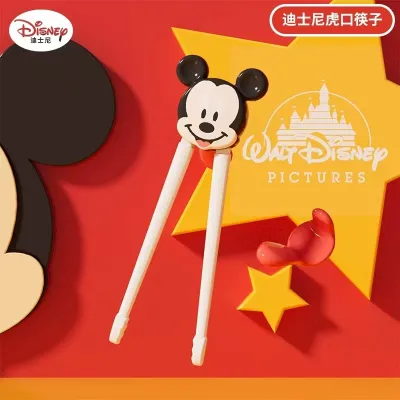
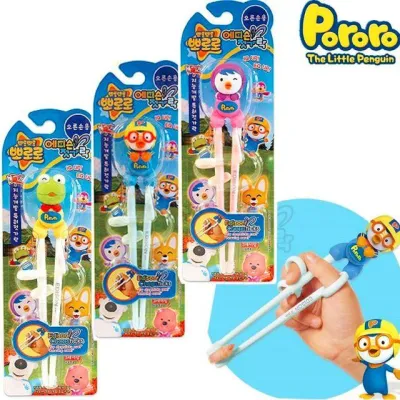
![[SG Ready Stock] Childrens Chopsticks Training Chopsticks Baby Chopsticks Practice Chopstick Paw Patrol dogs Fork & Spoons [Little Gems]](https://img.lazcdn.com/g/p/939dd119956354e64fe7863ca81d0efa.jpg_400x400q80.jpg_.webp)
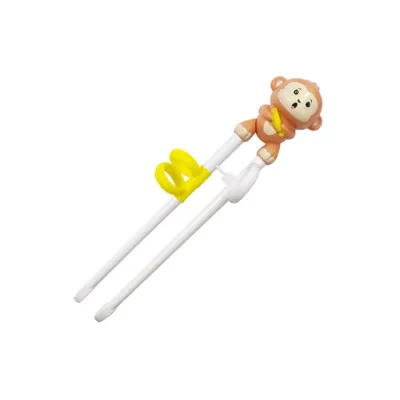
![[Cozy Nest] Baby Training Chopsticks Childrens Practice Chopsticks Infant Learning Chopsticks Baby Feeding Utensils](https://img.lazcdn.com/g/p/edd432d14753cc8df96951e5bdfb702a.jpg_400x400q80.jpg_.webp)
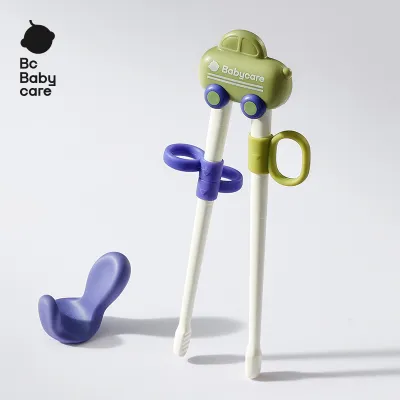
Prices are valid at publication and may change. Please refer to the product page for the latest price.
When evaluating readiness, always consult the manufacturer’s age recommendations and safety guidelines on the packaging. Many training chopsticks contain small, removable parts—such as silicone finger rings or plastic bridge connectors—that can pose a choking hazard for very young children. Pediatric guidelines generally suggest introducing simplified training utensils only after a child has stopped putting non-food items in their mouth, ensuring the learning process remains safe.
Matching Chopstick Types to Skill Levels
Selecting the right structural design is crucial for building confidence without causing fatigue. Training chopsticks generally fall into three distinct categories, each tailored to a specific stage of fine motor development. Matching the design to your child’s current dexterity ensures they receive the right amount of physical support as their skills grow.

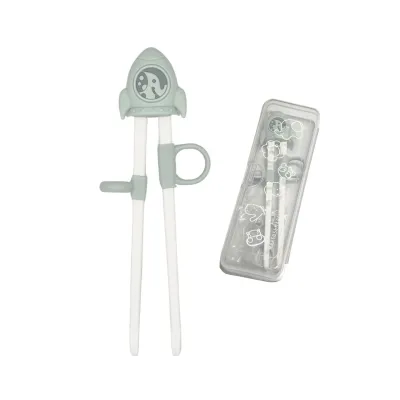
For absolute beginners, training chopsticks equipped with built-in finger rings offer the highest level of guidance. These rings, usually made of soft, flexible silicone, are attached directly to the shafts to position the child’s fingers automatically. This design eliminates the struggle of holding the sticks in place, allowing the child to focus entirely on the squeezing motion. It is an excellent starting point for toddlers who are motivated to use chopsticks but lack the finger independence to keep standard sticks aligned.
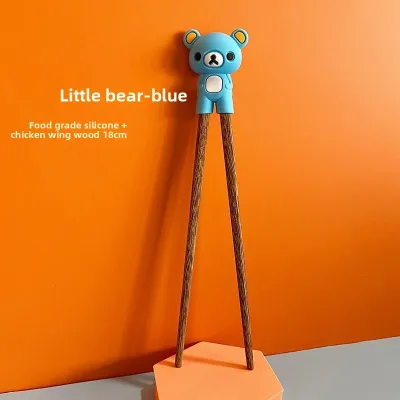
Once your child has mastered the basic squeezing motion, they can transition to hinged or connected chopsticks. These models feature a bridge or flexible joint at the top that keeps the two shafts permanently aligned, preventing them from crossing or slipping apart. Because they lack individual finger rings, these chopsticks require the child to actively position their fingers on the shafts, helping them build muscle memory and hand strength as they transition toward independent utensils.
Advanced learners who demonstrate consistent control and hand strength are ready for standard, unconnected kids’ chopsticks. These are essentially miniature versions of adult chopsticks, designed with shorter lengths and lighter weights to fit comfortably in smaller hands. Using standard sticks requires complete finger independence, as the child must hold one stick stationary while moving the other. Introducing these too early can be discouraging, but they are the ultimate goal for children who have progressed through the ringed and hinged stages.
Key Features to Check Before Buying
When shopping for kids’ chopsticks, evaluating physical specifications ensures a comfortable dining experience. The first feature to consider is the length and weight relative to your child’s hand size. Chopsticks that are too long or heavy will act as a lever against small hands, causing rapid muscle fatigue. A helpful guideline is to choose a pair that is roughly 1.5 times the distance from the tip of your child’s thumb to the tip of their index finger when stretched apart at a right angle.
The texture and shape of the chopstick tips also play a critical role in how easily your child can pick up food. Smooth, highly polished tips can make slippery foods like noodles or tofu incredibly frustrating to grasp. Look for chopsticks that feature textured tips, such as embossed rings, matte finishes, or wider, flattened ends. These design elements increase friction, helping the child secure food with minimal squeezing force and reducing mealtime spills.
Material safety is paramount when selecting any item that comes into contact with your child’s food. Always inspect product labels to verify that the chopsticks are made from food-grade, non-toxic materials, and look for clear ‘BPA-free’ claims on plastic components. If you prefer natural materials, ensure that wooden or bamboo options are finished with food-safe, non-toxic sealants to prevent splintering. Avoiding cheap, unbranded plastics or untreated woods protects your child from potential chemical exposure.
Finally, pay close attention to the ergonomic design and the tension of any moving parts. For hinged models, the joint should offer gentle resistance; if the hinge is too stiff, your child’s hand will tire quickly, but if it is too loose, the sticks will twist out of alignment. Ergonomic shafts with subtle finger indentations or non-slip grips can also help your child maintain a secure hold, making the learning process much smoother.
Safety, Hygiene, and Maintenance Guidelines
Maintaining the cleanliness and structural integrity of your child’s chopsticks is essential for their health and safety. Over time, daily use and washing can cause materials to degrade, making regular inspections necessary. Before every meal, check the chopsticks for signs of wear, such as hairline cracks in plastic shafts, splinters in wooden models, or loose hinges. Pay close attention to silicone finger rings, as they can develop small tears or become loose enough to slide off, creating a potential choking hazard.
Cleaning methods must be carefully tailored to the specific materials of the chopsticks to prevent damage and bacterial growth. Always refer to the manufacturer’s care instructions, as some plastic and silicone training chopsticks are dishwasher safe, while others must be hand-washed to preserve their shape. Wooden and bamboo chopsticks require extra care; they should never be left soaking in water, as prolonged moisture exposure can cause the wood to warp, crack, and harbor mold. After washing, ensure all parts are completely dry before storing them.
Knowing when to discard and replace your child’s chopsticks is just as important as daily cleaning. Even with proper care, plastic utensils can develop deep scratches over time, which can trap food particles and bacteria. If you notice persistent stains, a sticky texture on silicone parts, or loose joints that no longer keep the shafts aligned, it is time to replace the pair. Keeping a fresh, well-maintained set of utensils ensures that your child’s learning experience remains hygienic.
Transitioning to Standard Adult Chopsticks
The transition from specialized training chopsticks to standard, unconnected ones is an exciting milestone that should be approached gradually. You can begin planning this transition when you observe clear signs of mastery in your child’s utensil use. If they can easily pick up small, slippery foods without relying on the physical support of finger rings or hinges, and if they naturally hold the training sticks with a correct, stable grip, they are ready for the next step.
When making the switch, avoid jumping directly to standard adult-sized chopsticks, which are typically too long and heavy for a child’s hand. Instead, introduce short, lightweight kids’ chopsticks made of wood, bamboo, or textured plastic. These shorter sticks allow your child to practice the independent movement of the upper stick while keeping the lower stick stationary. Be prepared for a temporary drop in coordination as they adjust to the lack of physical guidance, and offer plenty of encouragement during this phase.
To build confidence and precision, encourage your child to practice with a variety of food textures and sizes during relaxed, non-mealtime activities. You can set up simple games using soft items like large dry pasta shapes, cotton balls, or small blocks, asking them to transfer the items from one bowl to another. Practicing in a low-pressure environment away from the hunger of mealtime allows your child to focus on refining their grip. With consistent practice and patience, they will soon transition to using standard chopsticks naturally.
Frequently Asked Questions (FAQ)
At what age should a child start using chopsticks?
There is no single correct age to introduce chopsticks, as readiness depends entirely on your child’s individual fine motor development and interest. While some children may begin experimenting with basic training chopsticks around two or three years old, others may not have the hand strength or coordination until they are four or five. Before introducing them, look for prerequisite skills such as a confident pincer grasp and the ability to use a spoon and fork independently. Letting your child’s natural curiosity guide the timing will make the learning process much smoother.
Are silicone or wooden chopsticks better for toddlers?
Both materials offer distinct advantages, and the best choice depends on your child’s learning stage and your family’s preferences. Silicone chopsticks, or plastic models with silicone rings, are highly durable, lightweight, and offer excellent grip, making them ideal for absolute beginners who need help keeping food from slipping. Wooden or bamboo chopsticks provide a traditional feel and natural texture that helps grip food, but they require careful hand-washing and regular inspection to prevent moisture damage. Always check product labels to ensure any wooden option is finished with a food-safe, non-toxic sealant.
How do I clean chopsticks with removable silicone rings?
To clean chopsticks with removable silicone rings thoroughly, always disassemble all detachable parts before washing to prevent mold and bacteria from growing in the joints. Wash the individual plastic shafts and silicone rings in warm, soapy water, using a small brush if necessary to clean inside the ring loops. Refer to the manufacturer’s instructions to verify if the parts are dishwasher safe. Most importantly, allow all components to air-dry completely on a clean rack before reassembling them, as trapping moisture inside the silicone attachments can lead to mold.
Community discussion
Share your experience or ask a question. Comments are reviewed before publication.