
Selecting the right organic baby food involves matching your child’s physical development with the appropriate food textures and ingredient complexities. Gerber Organic offers a structured progression of baby foods designed to support infants as they transition from their first single-ingredient tastes to complex, textured meals. By aligning these product stages with your baby’s individual readiness signals rather than strict chronological age, you can establish a safe, nutritionally supportive, and positive weaning experience.
Understanding Your Baby's Weaning Stages and Readiness Signals
Before introducing any solid foods, caregivers must evaluate whether an infant is developmentally prepared to handle textures other than breastmilk or formula. Age is a helpful general guideline, but physical milestones provide the most reliable indicators of readiness.
One primary physical signal is steady head and neck control. A baby must be able to hold their head upright and steady without assistance to swallow safely and prevent choking.
Products mentioned in this guide
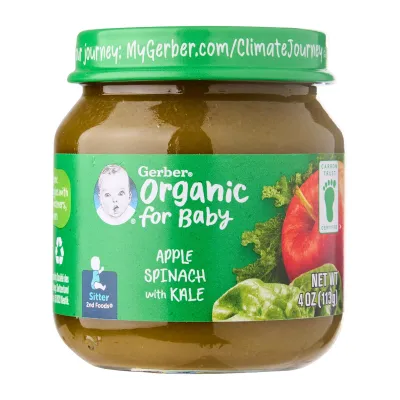
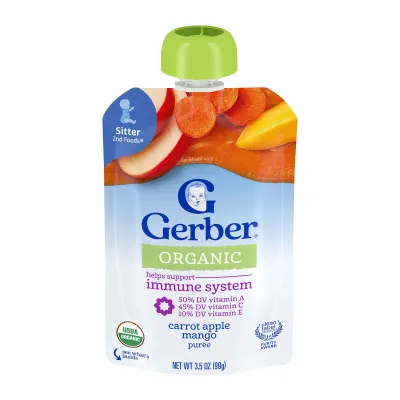

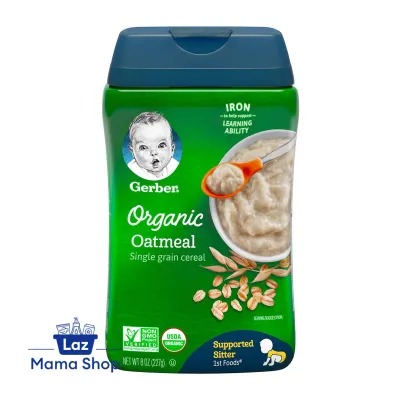
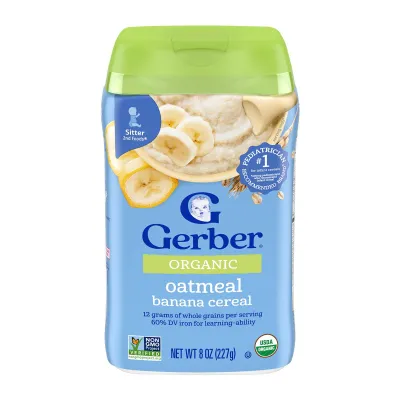
![Gerber Organic Oatmeal Baby Cereal 227G - From 6 Months [Lids may vary]](https://img.lazcdn.com/g/p/3fb85d6155c54d3f1cad64e6bb90279b.jpg_400x400q80.jpg_.webp)

![[Assorted Bundle of 2] Gerber Organic Teethers 48g - From 7 Months (Blueberry Apple Beet & Mango Banana Carrot)](https://img.lazcdn.com/g/p/7e6b00c69515675f350956ab0169814b.jpg_400x400q80.jpg_.webp)
Prices are valid at publication and may change. Please refer to the product page for the latest price.
Another key milestone is the ability to sit upright with minimal support. This posture helps ensure the baby can actively participate in the feeding process and manage solid food safely.
Caregivers should also observe behavioral cues, such as showing active interest in food. This might include watching others eat intently, reaching for food on your plate, or opening their mouth when food is brought near.
The disappearance of the tongue-thrust reflex is another critical physiological change. If a baby automatically pushes food out of their mouth with their tongue, their digestive and oral motor systems are likely not yet ready for solids.
While many infants show these signs around six months of age, individual development varies significantly. Chronological age should always remain secondary to these observable physical milestones.
It is highly recommended to consult a pediatrician before introducing any solid foods. A professional consultation is especially vital for babies with a history of premature birth, known food allergies, or specific underlying health conditions. A pediatrician can provide personalized guidance on timing, potential allergen introduction, and overall nutritional needs.
Gerber Organic Product Lines by Weaning Stage
Gerber organizes its organic baby food portfolio into distinct stages to help parents navigate the weaning journey systematically. These stages are designed to match a baby’s developing oral motor skills, digestive capacity, and nutritional requirements.

The product lines transition gradually from ultra-smooth, single-ingredient purees to thicker blends, and eventually to soft, chewable textures. This progression helps babies learn how to swallow, chew, and manage different food consistencies safely.
While the stages provide a helpful framework, caregivers must always check the specific product packaging. The manufacturer’s printed labels contain essential details regarding recommended age ranges, developmental stages, and precise preparation instructions that must be followed.
Stage 1: First Tastes and Single-Ingredient Options
Stage 1 products are formulated specifically for beginners who are just starting their solid food journey. These options feature an exceptionally smooth, thin consistency that minimizes the risk of choking and helps infants transition easily from liquid diets.
The primary offerings in this category include single-grain organic cereals and single-ingredient fruit or vegetable purees. Common starting options are organic oatmeal cereal or simple purees made from single ingredients like organic apples, pears, carrots, or sweet potatoes.
Introducing only one new ingredient at a time is a fundamental rule during this initial phase. Caregivers should wait several days before introducing another new food to monitor the baby closely for any signs of allergic reactions, skin rashes, or digestive sensitivities.
When selecting Stage 1 products, carefully inspect the product label for iron fortification. Iron is a critical nutrient for infants starting around six months of age, and fortified organic cereals can help meet this developmental requirement.
Additionally, verify that the texture is completely smooth and free of any small lumps. The packaging should clearly display official organic certification to ensure the ingredients meet strict agricultural standards.
Stage 2: Exploring Flavors and Combinations
As babies master the basic swallowing mechanism and accept single ingredients, they transition to Stage 2. This phase focuses on expanding the baby’s palate and introducing slightly more complex flavor profiles.
Stage 2 organic products typically feature multi-ingredient purees and blended combinations of fruits, vegetables, and grains. Examples include blends of organic banana and squash, or mixed grain cereals combined with organic fruit purees.
These products maintain a smooth consistency but are often slightly thicker than Stage 1 purees. This subtle change in viscosity helps the baby practice moving food from the front of the mouth to the back for swallowing.
Introducing diverse flavor combinations at this stage encourages food acceptance later in childhood. It exposes the infant to savory, sweet, and earthy tastes in controlled, balanced portions.
During this transition, continue to monitor your baby’s hunger and satiety cues. Watch for signs that they are full, such as turning their head away, closing their mouth, or pushing the spoon away, and never force them to finish a portion.
Keep a close eye on their digestive response to these new combinations. Changes in stool consistency or frequency are common, but any signs of discomfort or persistent digestive distress should be discussed with a healthcare professional.
Stage 3: Textures, Meals, and Growing Appetites
Stage 3 organic options are designed for older infants who have developed basic chewing skills and require more substantial, energy-dense meals. This stage bridges the gap between purees and table foods.
The products in this category feature mashed textures, soft chunks, and multi-component organic meals. These textures encourage babies to practice their lateral tongue movements and jaw coordination, which are essential for chewing.
Because Stage 3 foods contain small, soft pieces of food, active caregiver supervision is absolutely critical during every meal. Caregivers must remain present and attentive to prevent choking hazards and ensure the baby is managing the textures safely.
These meals are formulated to align with the baby’s increasing nutritional and caloric demands. As infants grow more active, their energy needs rise, and they gradually consume less breastmilk or formula.
When serving these thicker, chunkier meals, observe how your baby handles the soft pieces. If they struggle, gag excessively, or show distress, it may be necessary to temporarily return to smoother Stage 2 textures before trying again.
How to Read Gerber Organic Labels and Verify Ingredients
Navigating the baby food aisle requires a critical eye and an understanding of how to interpret product packaging. Parents should not rely solely on front-of-pack marketing claims to determine suitability.
First, locate the official organic certification logo on the packaging, such as the USDA Organic seal. This certification guarantees that the ingredients were grown and processed according to strict organic farming standards, without synthetic fertilizers or prohibited pesticides.
Next, turn the product over to examine the ingredient list in detail. Look for products that list whole foods as the primary ingredients and avoid those with added sugars, salt, or unnecessary starches and fillers.
Pediatric nutritional guidelines recommend avoiding added sugars and excess sodium in infant foods to support healthy taste preferences and overall physical development. The ingredient list should be simple, transparent, and easy to understand.
It is also essential to verify allergen warnings and cross-contamination statements on the label. If your baby has a known sensitivity or a family history of allergies, check whether the product was manufactured in a facility that processes common allergens like wheat, soy, dairy, or nuts.
Finally, always check the expiration or “best by” date printed on the packaging before purchasing or serving. Never feed a baby food from a container that is past its expiration date or shows signs of wear, bloating, or damage.
Practical Tips for Serving and Storing Organic Baby Food
Proper food handling, preparation, and storage are vital to protect your baby from foodborne illnesses and maintain the nutritional quality of organic baby food. Implementing safe kitchen habits prevents contamination and minimizes food waste.
When serving baby food, always check the temperature of the food before offering it to your baby. If you choose to warm a puree or cereal, stir it thoroughly to eliminate any hot spots and test a small amount on the inside of your wrist.
Never feed your baby directly from the jar or pouch if you plan to store the leftovers for a future meal. Saliva from the spoon can introduce bacteria into the container, which will multiply rapidly during storage and cause the food to spoil.
Instead, spoon the desired portion into a clean bowl and immediately recap and refrigerate the remaining portion in the original container. This simple step keeps the leftover food safe for subsequent consumption.
Store unopened jars, pouches, and dry cereals in a cool, dry pantry away from direct sunlight. Once opened, jars and pouches must be refrigerated immediately and typically consumed within 24 to 48 hours, depending on the manufacturer’s specific instructions.
Dry organic cereals should be kept in a tightly sealed container to prevent moisture and pests from entering. Always refer to the packaging for the exact number of days the product remains fresh after opening.
Regularly inspect packaging for signs of spoilage or damage before serving. Do not use any product if the safety button on a jar lid is popped, if a pouch is unusually bloated, or if there are visible leaks, cracks, or tears in the packaging.
Frequently Asked Questions (FAQ)
Can I mix Gerber organic cereals with breastmilk or formula?
Yes, mixing dry organic cereals with breastmilk or formula is a standard and safe preparation method. Using a familiar liquid helps ease the transition to solid foods by providing a recognizable taste while allowing you to control the consistency of the cereal.
Always follow the specific preparation instructions and mixing ratios printed on the product packaging. Start with a very thin consistency for beginners and gradually increase the thickness as your baby’s swallowing skills improve.
Do not add dry cereal directly to a baby’s bottle unless explicitly directed to do so by your pediatrician. Feeding cereal through a bottle can increase the risk of choking, lead to excessive calorie intake, and interfere with the baby’s natural ability to learn how to eat from a spoon.
Are Gerber organic pouches safe for my baby to use independently?
While squeeze pouches offer convenience, babies should not be left to feed from them independently. Sucking directly from a pouch can bypass the developmental benefits of spoon-feeding and may lead to overeating.
To support oral motor development, it is highly recommended to squeeze the puree onto a spoon rather than letting the baby suck directly from the nozzle. Spoon-feeding helps infants practice using their lips, tongue, and jaw muscles correctly.
Over-reliance on direct pouch feeding can delay the development of essential chewing, swallowing, and self-feeding skills. Continuous, direct caregiver supervision is mandatory during every feeding session to ensure safety and monitor the baby’s eating pace.
Community discussion
Share your experience or ask a question. Comments are reviewed before publication.