
Introducing solid foods is a major milestone in your child’s development, but the transition from smooth purees to independent eating can sometimes feel like a messy, challenging hurdle. For many parents in Singapore, toddler food picks serve as an ideal bridge between finger feeding and using standard metal utensils. These small, specialized tools are designed to help young children secure bite-sized pieces of food easily, fostering a sense of autonomy at the dining table. Selecting the right picks requires careful consideration of safety standards, material durability, and your child’s unique developmental stage. By understanding what to look for, you can make mealtime both safe and engaging for your little one.
Understanding the Role of Food Picks in Self-Feeding
During the weaning journey, toddlers transition from being passively fed to actively exploring their food. While finger feeding is a natural first step, certain foods can be slippery, warm, or difficult to grasp, which often leads to frustration. Food picks offer a practical solution by providing a physical extension of your child’s hand, allowing them to spear soft fruits, steamed vegetables, or small bites of protein with minimal effort. This intermediate step helps build confidence, showing your child that they can successfully feed themselves without relying entirely on a caregiver.
Using these tools also plays a significant role in refining fine motor skills, specifically the pincer grasp, which involves using the index finger and thumb to pinch and hold small objects. When a toddler manipulates a food pick, they must coordinate their hand movements, judge distances, and apply the right amount of pressure to secure the food. This practice strengthens the small muscles in their hands and fingers, laying a crucial foundation for future tasks like holding a pencil, using scissors, or handling standard adult cutlery.
Products mentioned in this guide
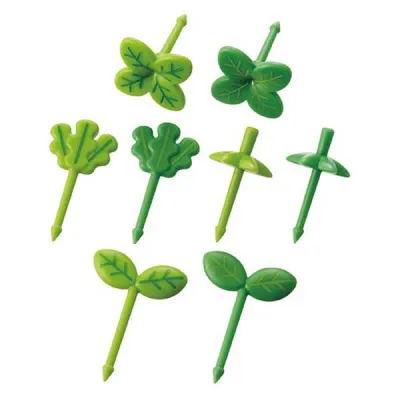

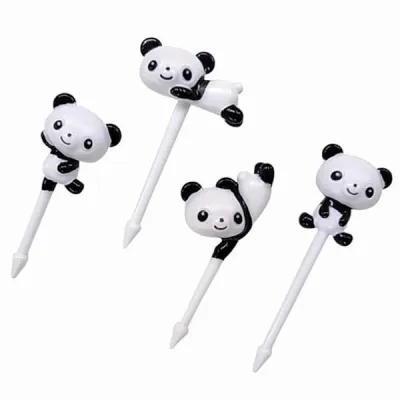
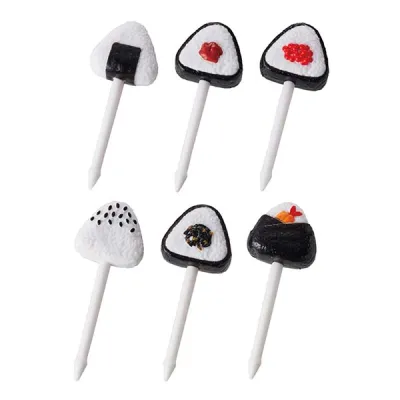
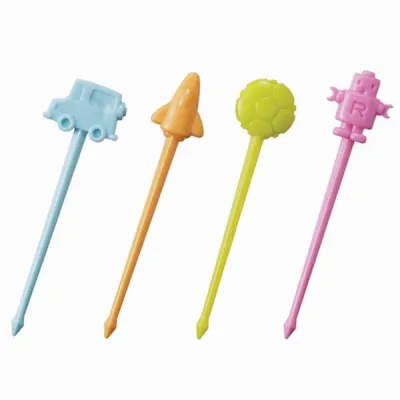
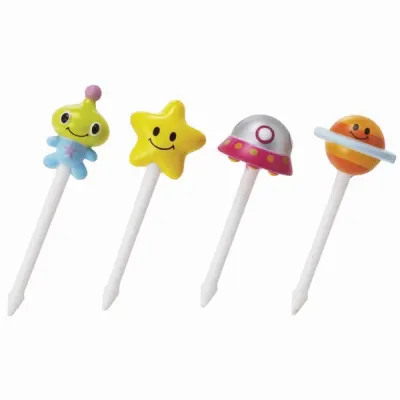
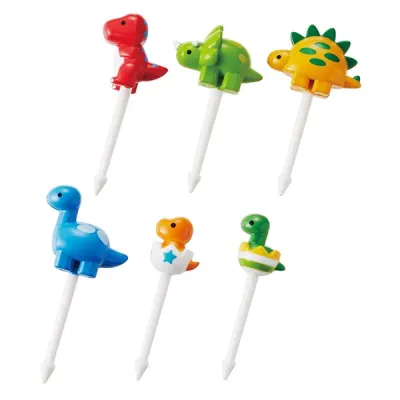
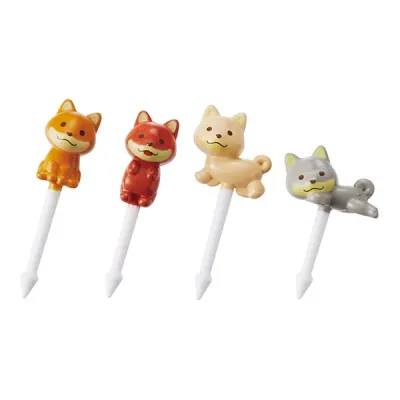
Prices are valid at publication and may change. Please refer to the product page for the latest price.
In Singapore’s warm and humid climate, sticky hands from tropical fruits like mangoes, papayas, or dragon fruit can quickly lead to a messy dining area and sensory discomfort for some children. Food picks help minimize this mess by keeping hands clean, making the dining experience more pleasant for toddlers who dislike having sticky fingers. By reducing the physical mess, these tools also make post-meal cleanups much faster and more manageable for busy parents.
Before introducing food picks, it is essential to look for specific developmental readiness cues in your toddler. Your child should be able to sit upright in a highchair without support, demonstrate good head and neck control, and show a keen interest in picking up small food items from their tray. They should also have developed the ability to bring objects accurately to their mouth and have lost the infant tongue-thrust reflex, which automatically pushes solid objects out of the mouth.
Most children typically begin using specialized toddler picks around 12 to 18 months of age, depending on their individual motor development. As they grow and refine their coordination, they will gradually outgrow these transitional tools. By the time they reach 24 to 30 months, most toddlers will have developed the wrist stability and strength required to transition to a standard toddler fork and spoon, making food picks a temporary but highly beneficial stepping stone.
Evaluating Materials and Safety Boundaries
When shopping for self-feeding tools, the material composition is the most critical factor to evaluate. Food-grade silicone is a highly popular choice for beginners because it is soft, flexible, and gentle on sensitive, teething gums. However, silicone can degrade or tear over time if chewed on persistently. Stainless steel options offer exceptional durability and are highly hygienic, but they feature harder tips that require a higher level of motor control to prevent accidental pokes to the face or gums. Bamboo and wood are natural, biodegradable alternatives, but they carry a risk of splintering and can harbor moisture if not dried thoroughly.

Regardless of the material you choose, always verify the safety markings on the product packaging before making a purchase. Ensure the manufacturer explicitly states that the food picks are BPA-free, PVC-free, and phthalate-free. These chemical certifications guarantee that the materials will not leach harmful substances into your child’s food, especially when exposed to warm meals or acidic fruits.
Physical safety is equally important, as poorly designed picks can present severe choking hazards. Avoid any products that feature small, detachable decorative toppers, such as glued-on plastic animals, which can easily snap off during a meal and be swallowed. The prongs must be sturdy enough to resist bending or breaking under the pressure of toddler teeth, and the overall shaft length should be short enough to prevent the pick from sliding too far back into the throat, which can trigger a severe gag reflex or choking.
Finally, check the manufacturer’s specifications regarding temperature resistance and sterilization. In Singapore, many households rely on steam sterilizers, UV sterilizers, or high-temperature dishwasher cycles to keep baby gear hygienic. You must ensure that the food picks can withstand these cleaning methods without warping, cracking, or releasing chemical odors. If a product is labeled as hand-wash only or cannot tolerate high heat, consider whether it fits practically into your daily sanitizing routine.
Choosing the Right Grip and Prong Design
The physical design of a food pick directly influences how easily and safely a toddler can use it. Because toddlers have short, chubby fingers and limited wrist rotation, they typically use a palmar grasp, wrapping their entire fist around the handle. Therefore, look for picks with thick, chunky handles that fill the palm comfortably. Textured surfaces, such as ribbed silicone or contoured plastic, provide a secure, non-slip grip that prevents the tool from sliding out of wet or oily hands during mealtime.
The design of the prongs is another crucial element to assess. The tips must be blunt and rounded rather than sharp, ensuring they can pierce soft foods without posing a puncture risk to the child’s lips, tongue, or gums. Additionally, the spacing between the prongs should be wide enough to hold soft food items securely without crushing them, yet close enough to prevent smaller food pieces from slipping off before reaching the mouth.
Handle length and shape also play a vital role in self-feeding mechanics. A short handle is generally safer because it naturally limits the depth to which the pick can be inserted into the mouth. Some innovative designs feature curved or angled handles, which help guide the food toward the mouth at a natural angle, compensating for the toddler’s developing wrist flexibility and making the self-feeding process much less frustrating.
Weight distribution is a final, often overlooked design aspect. The food pick should be lightweight enough for a toddler to maneuver effortlessly over a 20-minute meal. Heavy or poorly balanced utensils can cause hand fatigue, leading the child to abandon the tool and resort to throwing food or refusing to eat. Opt for lightweight materials that feel balanced in your hand, ensuring they will be easy for your little one to control.
Building Your Shortlist: What to Verify Before Buying
With numerous options available on online marketplaces and in local baby boutiques, building a practical shortlist requires a systematic approach. Start by cross-referencing the manufacturer’s stated age range with your child’s current chewing and swallowing abilities. Never assume a product is suitable simply because it is categorized under kids’ tableware; always read the fine print on the packaging to ensure it aligns with your toddler’s developmental stage.
Next, evaluate the care and cleaning instructions to ensure they match your household’s daily routine. If you rely heavily on a dishwasher, filter out any picks that require hand-washing or special cleaning agents. Choosing tools that fit seamlessly into your existing dishwashing routine will save you time and ensure the picks are cleaned thoroughly after every use.
When your chosen food picks arrive, perform a thorough physical inspection before introducing them to your child. Run your fingers along the edges to check for sharp plastic seams, pull firmly on the prongs to test their structural integrity, and ensure there are no loose components or manufacturing defects. If you detect any rough spots or structural weaknesses, do not use the product and contact the manufacturer or retailer for a replacement.
It is also wise to consider multi-pack options rather than purchasing single, individual picks. Toddlers frequently drop utensils on the floor during meals, and having a set of multiple picks allows you to quickly swap out a dirty tool for a clean one without interrupting the meal. Multi-packs also provide a practical buffer against the typical loss rates associated with small toddler items, ensuring you always have a spare on hand when needed. Budgeting around S$10 to S$25 for a high-quality, multi-piece set is a common and practical approach for most families in Singapore.
Maintaining Hygiene and Knowing When to Replace
Maintaining strict hygiene standards is essential when caring for toddler feeding tools. Food residue, moisture, and bacteria can easily become trapped in the tiny crevices between prongs or where the handle joins the shaft. After every meal, rinse the picks immediately to prevent food from drying and hardening in these hard-to-reach areas, then scrub them thoroughly using a small, dedicated cleaning brush.
In Singapore’s warm and highly humid environment, damp utensils stored in closed drawers can quickly become breeding grounds for mold and mildew. To prevent this, always allow the food picks to air-dry completely in a well-ventilated area or on a clean drying rack before storing them away. If you notice any persistent black spots, discoloration, or a musty odor that does not disappear after thorough washing, discard the pick immediately.
Regularly inspect the picks for physical signs of wear and tear that could compromise safety. Over time, silicone can develop small tears, wood can begin to splinter, and metal components can show signs of rust or loosening. Any of these conditions require immediate disposal of the tool, as damaged picks can easily break during use, presenting a serious choking or injury hazard to your child.
Regardless of how safe or durable a food pick is, active adult supervision is mandatory during every single meal. A toddler should never be left unattended while using any feeding tool, as sudden movements or improper use can lead to accidental choking or minor injuries. Ensure your child remains seated while eating, and discourage them from running or playing with the picks in their hands.
As your child’s coordination improves, watch for behavioral cues that indicate they are ready to graduate to standard utensils. If they can easily stab food, show excellent control over their wrist movements, and express interest in using the larger forks and spoons used by the rest of the family, it is time to transition. Celebrate this milestone by introducing a child-sized metal fork and spoon set, phasing out the food picks as they master their new skills.
Frequently Asked Questions (FAQ)
Can toddlers use regular adult toothpicks or skewers instead of food picks?
No, toddlers should never use regular adult toothpicks or wooden skewers. These items are designed for adult use and present severe safety hazards for young children, including sharp points that can easily puncture delicate oral tissues and brittle wood or bamboo that can splinter into small, sharp fragments. Furthermore, adult toothpicks lack the ergonomic, non-slip grips that toddlers need to control utensils safely. Purpose-built toddler food picks are specifically engineered with blunt tips, flexible materials, and break-resistant structures to ensure safety during self-feeding. Always supervise your child closely during meals and keep adult kitchen implements entirely out of their reach.
How do I clean food picks with tight crevices between the prongs?
To clean tight crevices effectively, use a small, dedicated brush, such as a straw cleaning brush or a nipple brush designed for baby bottles. These fine-bristled brushes can easily slide between narrow prongs to scrub away stubborn food residue without damaging the material. Always refer to the manufacturer’s guidelines regarding soaking limits, approved cleaning agents, and sterilization temperatures to avoid degrading the material. If you find that mold, discoloration, or food residue cannot be completely removed from the crevices despite thorough scrubbing, discard the pick immediately to protect your child from harmful bacterial exposure.
Community discussion
Share your experience or ask a question. Comments are reviewed before publication.