
Securing sharp furniture edges is a critical step in creating a safe environment for your growing baby, especially in Singapore homes where compact layouts and hard surfaces like marble, tile, or polished wood are common. As infants transition from crawling to pulling themselves up, low-lying furniture such as coffee tables, TV consoles, and dining sets pose immediate hazards. Among the various baby-proofing materials available, Polyvinyl Chloride (PVC) corner protectors have become a highly popular choice for parents seeking a balance between robust impact protection and minimal visual disruption. To make an effective purchase, you must evaluate these safety accessories based on three core dimensions: adhesive reliability, material safety, and surface coverage.
While online marketplaces and local baby specialty stores offer a vast array of options, finding the right PVC corner guards requires understanding how these products perform under daily wear and tear. This guide will help you navigate the selection process, matching the right protectors to your specific furniture materials, installing them for maximum longevity in Singapore’s humid climate, and removing them safely when your child outgrows the need for edge protection.
Why Choose PVC for Furniture Edge Protection
Polyvinyl Chloride, commonly known as PVC, is a synthetic plastic polymer that can be manufactured in a flexible, rubber-like form for safety applications. In the context of baby-proofing, flexible PVC offers distinct physical properties that make it highly suitable for absorbing sudden impacts. When a child bumps into a PVC corner guard, the material compresses slightly to distribute the force of the collision across a wider surface area, significantly reducing the risk of serious injury compared to an unprotected, sharp wooden or glass edge.
Products mentioned in this guide
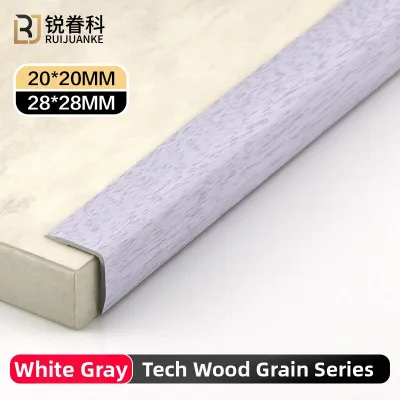
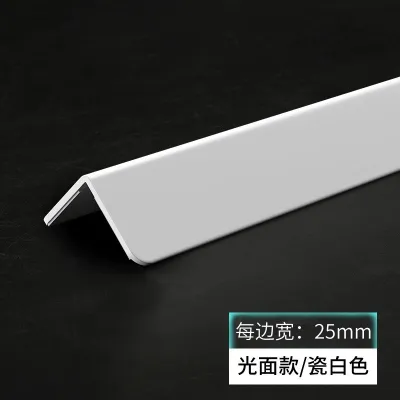
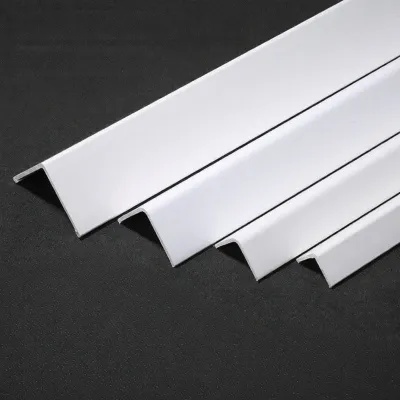
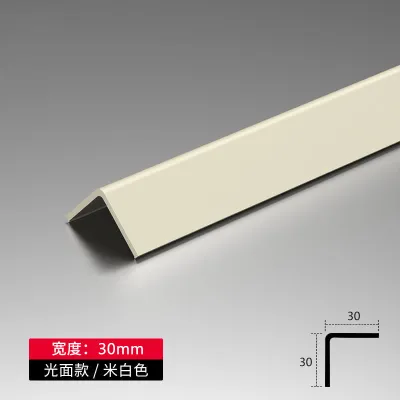
Prices are valid at publication and may change. Please refer to the product page for the latest price.
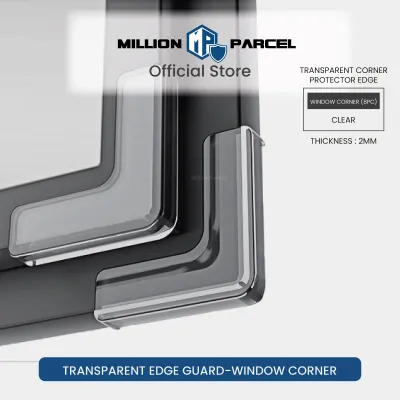
One of the primary advantages of PVC over alternative materials, such as Nitrile Butadiene Rubber (NBR) foam, is its transparency. Modern Singaporean apartments often feature minimalist, Scandinavian, or industrial interior designs where aesthetics are highly valued. Foam edge guards are typically bulky, opaque, and come in limited solid colors that can clash with beautiful wood grains or sleek glass surfaces. Clear PVC corner protectors, on the other hand, allow the natural color and texture of your furniture to show through, making the baby-proofing measures almost invisible from a distance.
In addition to aesthetic blending, PVC is exceptionally durable and resistant to physical wear. Curious toddlers often attempt to pick at, peel, or even bite baby-proofing guards. Foam protectors are soft and easily torn or bitten into small pieces, which can present a choking hazard. Flexible PVC is tough enough to withstand biting and scratching without tearing, ensuring that the protective barrier remains intact over months of active use.
However, it is important to recognize the environmental limitations of PVC. While highly durable indoors, PVC can gradually degrade, harden, or turn yellow when exposed to prolonged, direct sunlight and extreme temperature fluctuations. If you have furniture placed next to large, sunny windows or on open balconies in Singapore’s tropical climate, you should monitor the protectors regularly. For these specific high-sunlight areas, ensuring your chosen PVC guards are UV-stabilized will help maintain their flexibility and clarity over time.
What to Look for When Buying PVC Corner Guards
When browsing online marketplaces or local retail shelves, you will find numerous PVC corner protectors that look nearly identical. To identify high-quality options that will actually protect your child, you must look closely at the product specifications and safety labels. The first critical factor is the thickness and density of the guard. A protector that is too thin will bottom out during a hard impact, transferring the force directly to the child’s head. Look for guards that offer a minimum thickness of 2mm to 3mm at the apex of the corner to ensure adequate cushioning.

Next, pay close attention to the type of adhesive supplied with the protectors. The performance of a corner guard is only as good as the tape holding it in place. Acrylic-based pressure-sensitive adhesives (PSAs) are generally preferred for clear PVC guards. These adhesives are highly transparent, resist yellowing over time, and form a strong, long-lasting bond with most smooth surfaces. Rubber-based adhesives may offer a high initial tack, meaning they stick quickly, but they are more prone to sliding or degrading in warm, humid environments, often leaving a sticky, difficult-to-clean residue behind.
Because babies naturally explore their surroundings with their mouths, verifying the chemical safety of the PVC material is paramount. Standard industrial PVC can contain plasticizers called phthalates to make the material flexible, as well as other chemical additives like Bisphenol A (BPA) or heavy metals. For baby-proofing, you must verify that the product packaging explicitly states it is non-toxic, BPA-free, phthalate-free, and lead-free. Look for compliance with recognized international safety standards, such as the European Union’s REACH regulation, RoHS directive, or EN 71-3 certification, which govern the safety of toys and children’s products.
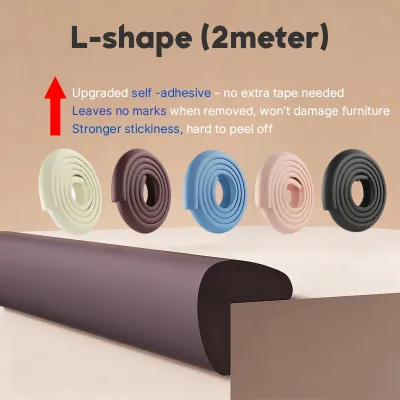
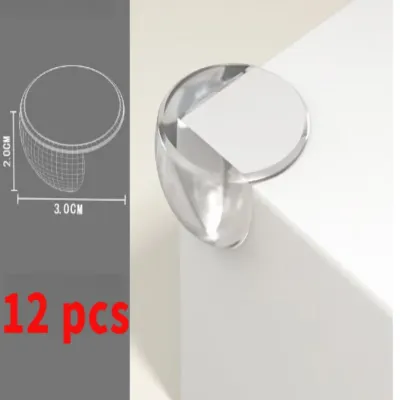
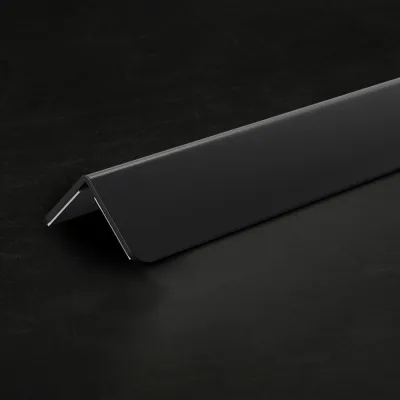
Finally, consider the shape and design of the corner protector. The two most common designs are L-shaped guards and spherical (or ball-shaped) guards. L-shaped guards are excellent for covering long, sharp horizontal edges, while spherical guards provide comprehensive, three-dimensional coverage for sharp three-way corners where the top and sides of a table meet. Choosing a design that matches the geometry of your furniture corners ensures there are no exposed gaps that a child could contact.
Matching Protectors to Your Furniture Materials
Different furniture materials require different approaches to baby-proofing to ensure a secure bond without causing permanent damage to the underlying surface. Wood is the most common furniture material, but its finish dictates how you should apply adhesives. Varnished, lacquered, or polyurethane-coated wood surfaces generally provide an excellent, smooth substrate for acrylic adhesives. However, unvarnished, oiled, or rough rustic wood surfaces are highly porous and may absorb the adhesive, leading to premature peeling. For porous wood, you may need to clean the surface exceptionally well or accept that the bond will be less permanent.
Glass and metal surfaces present different challenges. Glass tables require highly transparent PVC protectors and clear adhesives to maintain a clean look. Because glass is non-porous and completely smooth, it allows for an incredibly strong adhesive bond; however, any air bubbles trapped under the adhesive will be highly visible. Metal edges, such as those on modern steel-framed coffee tables, also bond exceptionally well with acrylic adhesives. Keep in mind that metal conducts heat rapidly; if a metal table is positioned near a hot appliance or in direct sunlight, the localized heat can soften the adhesive, requiring more frequent checks.
Textured, beveled, or curved furniture corners require careful planning. Standard L-shaped PVC protectors are designed for flat, 90-degree angles. If your furniture has rounded or beveled edges, a rigid or pre-molded 90-degree protector will not sit flush, leaving air gaps that weaken the adhesive bond and make it easy for a child to pull the guard off. In these cases, look for highly flexible, roll-form PVC edge guards that can be custom-cut and bent to conform to irregular curves and angles.
There are certain delicate surfaces where you should avoid applying strong adhesives altogether. Freshly painted walls, cheap paper-veneered particle board, and antique furniture with delicate, flaky finishes are highly susceptible to damage. The strong bond of a high-quality baby-proofing adhesive can easily pull off paint, tear paper veneers, or lift historic wood finishes when the time comes to remove the guard. If you must protect these surfaces, consider using free-standing barriers or choosing alternative baby-proofing methods that do not rely on chemical adhesives.
How to Install Corner Protectors for Maximum Adhesion
Proper installation is the single most important factor in preventing your child from easily pulling off the corner protectors. The installation process must begin with thorough surface preparation. Dust, household oils, fingerprints, and polish residues are the primary causes of adhesive failure. To clean the surface, wipe the furniture corner thoroughly with isopropyl alcohol (rubbing alcohol) and a clean, lint-free cloth. Avoid using household glass cleaners or multi-surface sprays, as these often leave behind a thin chemical film that prevents the adhesive from bonding properly. Always test a small, hidden area of your furniture first to ensure the alcohol does not dull or damage the finish.
Once the surface is completely dry, prepare the adhesive tape. If the adhesive is not pre-applied to the PVC protector, carefully apply the double-sided tape to the inner surfaces of the guard, pressing it down firmly to remove any air bubbles. Peel off the protective backing paper, taking care not to touch the sticky adhesive surface with your fingers, as skin oils will immediately reduce its bonding strength.
Align the protector precisely with the furniture corner. Once positioned, press the protector onto the corner with significant physical force. Press and hold firmly on all sides for at least 30 seconds. Acrylic adhesives are pressure-sensitive, meaning the chemical bond is activated by the physical force applied during installation. Ensure that you press out any visible air bubbles toward the outer edges to maximize the contact surface area.
After application, the most crucial step is patience. Do not pull, test, or allow your child to touch the corner protector immediately. Most pressure-sensitive adhesives require a full 24 hours to cure and reach their maximum bonding strength. In Singapore’s warm and highly humid climate, installing the protectors in an air-conditioned room or during the cooler evening hours can help the adhesive cure undisturbed by excess moisture in the air, ensuring a long-lasting and reliable bond.
Maintaining and Removing Edge Guards Without Damage
Baby-proofing is not a set-and-forget task; it requires ongoing maintenance to ensure the safety barrier remains effective. Establish a routine to visually and physically inspect the corner protectors every few weeks. Check for any signs of lifting at the edges, yellowing of the PVC material, or accumulation of dust and hair underneath the guard. If a protector becomes loose or partially detached, replace the adhesive immediately. A loose corner guard not only fails to protect your child from impacts but also becomes an enticing object for them to pull off and put in their mouth, creating a potential choking hazard.
When your child outgrows the need for baby-proofing, removing the PVC guards without ruining your expensive furniture requires a gentle, patient approach. Never attempt to rip or pry the protectors off forcefully, as this is highly likely to splinter wood, peel paint, or tear veneers. Instead, use a standard hair dryer set to a low or medium heat setting. Direct the warm air at the corner protector for one to two minutes, keeping the dryer a few centimeters away to avoid overheating the furniture finish. The heat will soften the adhesive, transitioning it into a pliable, rubbery state.
Once the adhesive is warm, slowly and gently peel the PVC protector away from the corner, starting from one edge. If you encounter resistance, apply more heat for another 30 seconds before continuing. If the protector comes off but leaves a layer of sticky adhesive residue on the furniture, do not use abrasive scrubbing pads or sharp metal scrapers, which will permanently scratch the surface.
To clean up the remaining residue safely, apply a small amount of mild oil, such as baby oil, eucalyptus oil, or a dedicated, furniture-safe adhesive remover, to a soft microfiber cloth. Gently rub the residue in a circular motion until the adhesive clumps together and lifts away. Once the residue is gone, wipe the area with a damp cloth and a drop of mild dish soap to remove any oily film, restoring your furniture to its original, clean condition.
Frequently Asked Questions (FAQ)
Can PVC corner protectors be reused after removal?
Generally, the original adhesive tape supplied with PVC corner protectors is designed for single-use only. When you peel a protector off a piece of furniture, the adhesive layer stretches, loses its structural integrity, and collects dust and microscopic debris, making it impossible to achieve a safe, reliable bond a second time. Attempting to reuse the old adhesive poses a safety risk, as the guard will easily fall off under minimal pressure.
However, the physical PVC shell itself is highly durable and can often be reused if it remains clean, uncracked, and free of bite marks. To reuse a PVC guard, you must completely clean off all traces of the old adhesive from both the furniture and the inside of the protector using a mild solvent or oil. Once the PVC shell is completely clean and dry, you can apply a fresh piece of high-quality, double-sided acrylic mounting tape designed specifically for baby-proofing products, allowing you to secure the guard onto a new corner.
How do I know if the adhesive will damage my glass table?
Glass is an incredibly stable, non-porous material that is highly resistant to chemical damage from standard adhesives. The primary risk to a glass table is not chemical corrosion, but rather the physical stress of removing a very strongly bonded adhesive, or the aesthetic challenge of cleaning up stubborn, baked-on residue. To ensure your glass table remains undamaged, always check the manufacturer specifications of both the furniture and the adhesive to confirm compatibility.
Before applying the protectors to highly visible areas, perform a discreet patch test. Apply a small piece of the double-sided adhesive tape to an inconspicuous area of the glass, such as the underside of the table frame or a back corner, and leave it in place for 24 to 48 hours. Remove the tape using the recommended heat method to verify that it peels away cleanly and that you can easily wipe off any remaining residue without scratching the glass. If the furniture manufacturer provides specific care guidelines that conflict with the adhesive instructions, always prioritize the furniture manufacturer’s recommendations.

Community discussion
Share your experience or ask a question. Comments are reviewed before publication.