
Finding the right diaper cream for your baby requires matching the product’s formulation to the specific state of their skin barrier. A baby’s skin is significantly thinner and more permeable than adult skin, making it highly susceptible to moisture, friction, and chemical irritants. Instead of relying on a single universal product, caregivers should assess whether their baby is experiencing mild daily chafing, a severe and inflamed diaper rash, or chronic eczema-prone dryness. By understanding how different active ingredients interact with these distinct skin conditions, you can select a targeted cream that protects the skin barrier, prevents further irritation, and supports natural healing.
Recognizing Your Baby's Skin Condition
Before selecting any topical product, caregivers must carefully observe the visual and behavioral signs of their baby’s skin. Mild diaper irritation typically presents as light pinkness or slight redness confined to the areas in direct contact with the diaper, such as the buttocks, thighs, and lower abdomen. In these early stages, your baby may show minimal discomfort, perhaps only fussing slightly during diaper changes or when wiped. This type of contact dermatitis is usually caused by prolonged exposure to wetness or friction from the diaper edges, and it generally responds quickly to basic barrier protection and increased airflow.
When mild irritation escalates into a severe diaper rash, the clinical picture changes dramatically. The skin becomes intensely red, swollen, and warm to the touch, often spreading beyond the immediate diaper contact zones into the skin folds. You may observe raised bumps, fluid-filled blisters, peeling skin, or even open, bleeding sores. Behaviorally, a baby with a severe rash is likely to be highly irritable, crying persistently during diaper changes, struggling to sleep, and showing clear signs of pain when the affected area is touched. These severe symptoms indicate that the skin barrier is deeply compromised, leaving it vulnerable to secondary bacterial or fungal infections.
Products mentioned in this guide

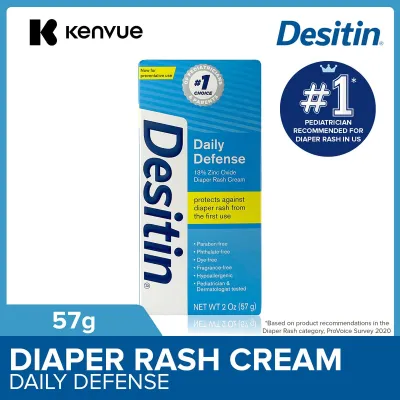
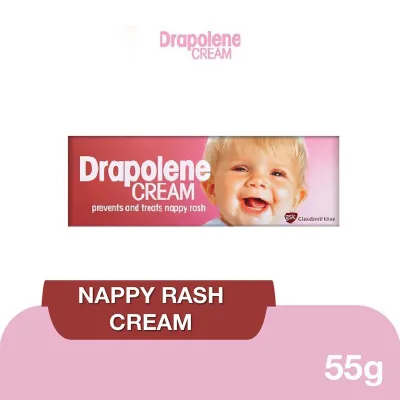
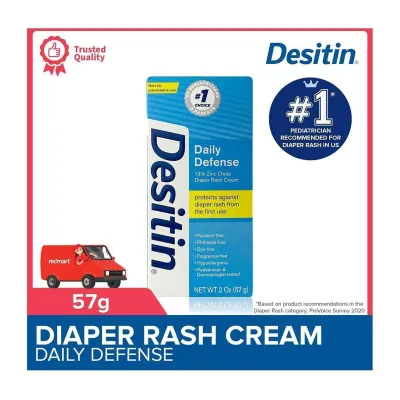
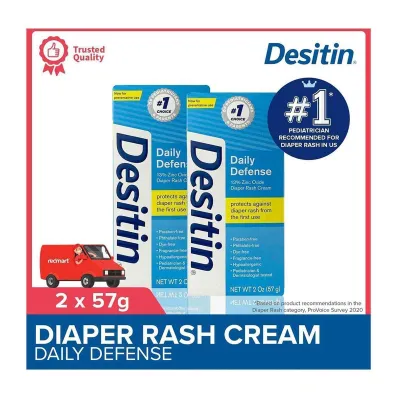
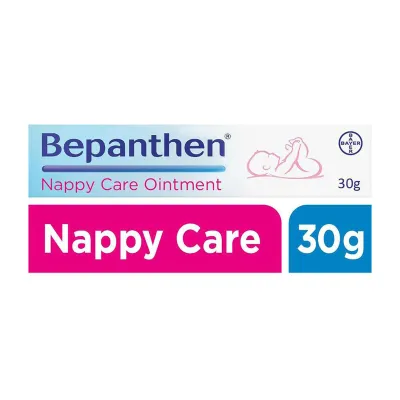
Prices are valid at publication and may change. Please refer to the product page for the latest price.
Eczema-prone skin requires a different diagnostic approach, as it is a chronic inflammatory condition rather than a simple reaction to diaper wetness. Infant eczema typically manifests as patches of extremely dry, rough, scaly, and itchy skin. While standard diaper rash is concentrated in the diaper area due to moisture retention, eczema often appears on the cheeks, outer elbows, knees, and other parts of the body, though it can occasionally affect the diaper region if the skin barrier is triggered. Unlike the bright red, wet appearance of a severe diaper rash, eczema-prone skin looks dry and cracked, and the intense itching often leads to scratching, which further damages the skin.
Caregivers must establish clear thresholds for when to transition from home care to professional medical evaluation. While mild redness often resolves within a few days of diligent diaper hygiene and barrier cream application, certain red flags demand immediate attention from a pediatrician. If the rash does not improve after three days of consistent care, or if it suddenly worsens, professional advice is necessary. You should stop home treatment and consult a doctor immediately if you observe signs of infection, such as pus-filled blisters, yellow crusting, spreading red streaks, or if your baby develops a fever or becomes unusually lethargic.
Understanding Active Ingredients and Formulations
Reading and interpreting product labels is an essential skill for caregivers seeking the most effective diaper care. The primary function of a standard diaper cream is to create a physical shield between the baby’s delicate skin and the harsh environment inside the diaper, which is constantly exposed to moisture, enzymes, and bacteria from urine and stool. To achieve this, manufacturers rely on specific barrier agents that repel water and lock in natural skin moisture. Zinc oxide is one of the most common and effective barrier agents, known for its ability to form a thick, insoluble layer over the skin that resists wash-off while providing mild astringent properties. Petroleum jelly, or petrolatum, is another highly effective barrier that creates an occlusive seal, preventing transepidermal water loss and protecting compromised skin from external irritants.

For babies with dry, sensitive, or eczema-prone skin, a diaper cream should do more than just block moisture; it must also deliver soothing and hydrating components to support skin barrier repair. Ingredients such as colloidal oatmeal, calendula extract, and chamomile are frequently included in gentle formulations to help calm inflammation and reduce itching. Additionally, skin-identical lipids like ceramides, along with natural emollients like shea butter and sunflower seed oil, help replenish the lipid bilayer of the skin, restoring its natural protective function. When evaluating these ingredients, caregivers should verify the manufacturer’s product documentation to ensure the formulation is specifically designed for infant use.
Equally important is knowing which common ingredients to avoid, as many standard skincare additives can trigger allergic reactions or worsen existing irritation. Fragrances—whether synthetic or derived from natural essential oils—are among the leading causes of contact dermatitis in infants and should be strictly avoided in diaper area products. Parabens, phthalates, and certain synthetic preservatives like methylisothiazolinone can also irritate sensitive skin and disrupt the delicate skin barrier. Caregivers should carefully inspect the ingredient list of any diaper cream, prioritizing products with short, transparent ingredient profiles that exclude unnecessary dyes, alcohols, and harsh chemical additives.
Matching Formulations to Specific Skin Concerns
Selecting the right diaper cream is not a matter of finding a single product for every scenario, but rather matching the specific formulation characteristics to your baby’s current skin condition. Different stages of skin irritation require varying levels of barrier thickness, moisture retention, and soothing properties. By categorizing products based on their primary active ingredients and texture, you can establish a targeted care routine that addresses mild prevention, severe flare-ups, and chronic sensitivity individually.
Formulations for Mild Irritation and Daily Prevention
For daily maintenance and the prevention of mild irritation, the ideal diaper cream should be lightweight, breathable, and easy to apply and remove. Daily-use creams typically feature a lower concentration of zinc oxide, often ranging between 10% and 15%, or rely primarily on petrolatum and plant-based emollients. These formulations create a sufficient daily barrier against wetness without forming an impenetrable, sticky paste that requires vigorous scrubbing to clean off.
Using a lighter cream for routine care minimizes friction during diaper changes, which is crucial for maintaining skin integrity. A breathable formulation allows a small amount of air to circulate, preventing the skin from becoming overly macerated or softened by trapped moisture. In Singapore’s warm and humid climate, moisture can quickly become trapped in diaper folds, making breathable formulations even more critical for daily prevention. Before introducing any new daily prevention cream, caregivers should check the manufacturer’s age and weight guidelines on the packaging to ensure the product is suitable for their baby’s developmental stage.
Heavy-Duty Options for Severe Nappy Rash
When a baby develops a severe, highly inflamed diaper rash, daily prevention creams are no longer sufficient, and a heavy-duty barrier paste is required. These high-performance formulations typically contain a high percentage of zinc oxide, often between 30% and 40%, resulting in a very thick, white paste. This dense consistency is designed to create an absolute physical shield that remains intact even when exposed to multiple wet diapers, protecting the raw, compromised skin beneath from the highly irritating enzymes found in stool.
When applying these thick pastes, caregivers must alter their cleaning routine to protect the healing skin. Instead of trying to scrub off the remaining layer of thick cream during every diaper change, which can cause painful friction and further damage the skin barrier, you should gently wipe away only the soiled top layer. Leave the clean, base layer of cream intact and simply apply a fresh layer over it. If the severe rash does not show signs of improvement within a few days, or if the skin appears broken and infected, caregivers should stop using over-the-counter barrier pastes and consult a healthcare professional for a targeted, medicated treatment plan.
Gentle Choices for Eczema-Prone Skin
Caring for eczema-prone skin in the diaper area requires ultra-gentle, hypoallergenic formulations that focus on barrier repair rather than heavy occlusion. Because eczema-compromised skin is highly reactive, caregivers must prioritize products that carry verified “fragrance-free,” “dye-free,” and “hypoallergenic” labels. These products are formulated to minimize the risk of triggering allergic flare-ups while providing deep hydration to dry, scaly patches.
When selecting a cream for eczema-prone skin, look for formulations enriched with skin-identical lipids, such as ceramides, which help rebuild the damaged skin barrier, and soothing agents like colloidal oatmeal to relieve itching. Before applying any new product to a baby’s sensitive diaper area, it is highly recommended to perform a patch test. Apply a small, pea-sized amount of the cream to a small, unaffected area of the baby’s skin, such as the inner forearm, and monitor the site for 24 to 48 hours for any signs of redness, swelling, or irritation before proceeding with full application.
Safe Application and When to Seek Medical Help
The effectiveness of any diaper cream depends heavily on proper application techniques and strict hygiene practices. Before applying any product, the diaper area must be thoroughly cleaned using warm water and a soft cloth, or a gentle, fragrance-free baby wipe. Once clean, the skin must be allowed to dry completely; applying barrier cream over damp skin traps moisture against the skin barrier, which can exacerbate irritation and encourage fungal growth. Pat the skin gently with a clean, dry towel or allow the baby to have some diaper-free air time before applying the cream.
Caregivers should avoid common diapering mistakes that can compromise baby safety and skin health. Talcum powder should never be used in the diaper area, as the fine particles pose a severe inhalation risk to infants and can cause respiratory distress. Additionally, you should never mix multiple medicated creams, such as over-the-counter barrier pastes, antifungal creams, or hydrocortisone, without explicit instructions from a qualified healthcare professional. Combining products can alter their active concentrations, reduce their effectiveness, or cause adverse chemical reactions on the baby’s delicate skin.
Monitoring your baby’s response to treatment is critical for determining when professional medical intervention is required. While most mild diaper rashes resolve with proper hygiene and barrier creams, certain symptoms indicate a more serious condition that cannot be managed at home. Caregivers should seek immediate medical help if the redness spreads rapidly beyond the diaper area, if the skin develops open sores, blisters, or pus-filled bumps, or if the baby runs a fever. Persistent crying, extreme irritability, or a rash that does not improve after three days of diligent care are also clear indicators that a pediatrician should evaluate the baby.
Frequently Asked Questions (FAQ)
Can I use the same diaper cream for the face and body?
Diaper creams are specifically formulated to be highly occlusive and water-resistant, making them generally unsuitable for use on a baby’s face and body. The thick barrier agents, such as high-percentage zinc oxide and heavy petrolatum, can easily clog the delicate pores on a baby’s face, potentially leading to localized skin irritation or the development of milia—tiny, harmless white bumps that occur when dead skin flakes become trapped under the skin. For facial dryness or body eczema, caregivers should use lightweight, non-comedogenic moisturizers specifically formulated for those areas. Always check the manufacturer’s product label to verify the intended area of application and age recommendations before use.
Does a higher zinc oxide percentage always mean better protection?
A higher percentage of zinc oxide does not automatically make a diaper cream superior for daily use; rather, the ideal percentage depends on the current state of your baby’s skin. High-concentration zinc oxide creams (typically 30% to 40%) are designed for treating active, severe diaper rashes because they create a very thick, durable shield that resists moisture and friction. However, these heavy pastes are difficult to wipe off and can cause unnecessary skin friction during routine diaper changes. For daily prevention and mild irritation, a lower concentration of zinc oxide (around 10% to 15%) or a petrolatum-based ointment is preferred, as it provides adequate protection while being much easier to clean off gently.
How often should I reapply diaper cream?
The frequency of diaper cream application should be guided by the specific product instructions and your baby’s diapering routine. For daily prevention and mild irritation, applying a thin layer of cream during every diaper change—especially before bedtime or long periods of sleep when the baby will be in a wet diaper for longer—helps maintain a continuous protective barrier. If you are treating an active, severe rash with a thick barrier paste, you should reapply the cream after every bowel movement, ensuring you gently clean away only the soiled top layer of paste to avoid irritating the raw skin underneath. Always refer to the manufacturer’s label for specific guidelines on application intervals and maximum daily usage.

Community discussion
Share your experience or ask a question. Comments are reviewed before publication.