
Finding the perfect cute spoon for your baby’s weaning journey is an exciting milestone for many parents in Singapore. While an adorable design with animal characters or pastel colors can make mealtime look picture-perfect, functionality and safety must always guide your final decision. Balancing aesthetic appeal with practical feeding features ensures that your baby transitions smoothly to solid foods without unnecessary frustration or safety risks.
To make a confident purchase, you need to evaluate several critical dimensions, including material composition, ergonomic design, and developmental suitability. Matching the utensil to your baby’s current physical milestones is key to a successful weaning experience. This guide will walk you through the essential safety checks, design features, and developmental stages so you can choose a cute spoon that is as practical as it is charming.
Prioritizing Safety and Function Over Cute Designs
When browsing online marketplaces or local baby boutiques, it is easy to be swayed by whimsical shapes and bright, novelty designs. However, the primary role of any weaning utensil is to deliver food safely and comfortably into your baby’s mouth. Before falling in love with a specific aesthetic, you must verify that the product meets rigorous material safety standards. Look closely at the packaging or product listing to confirm the use of food-grade silicone, and ensure there are clear labels indicating the material is free from bisphenol A (BPA) and other potentially harmful chemical additives.
Products mentioned in this guide
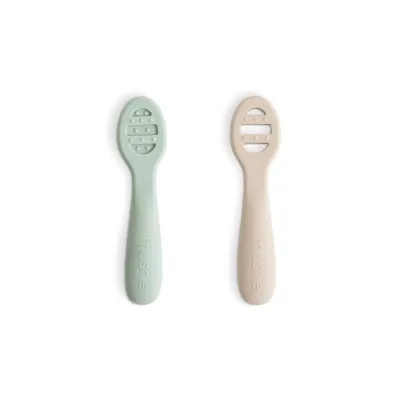
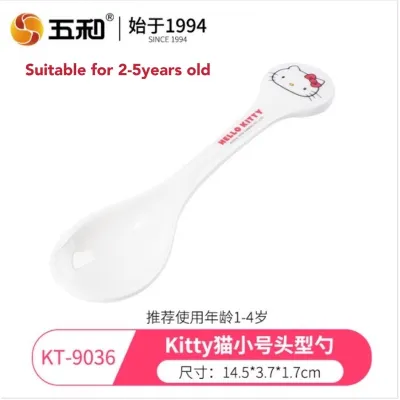
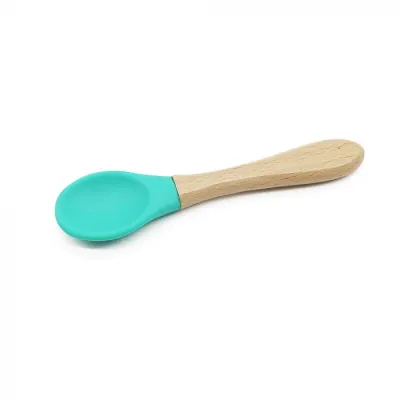
Prices are valid at publication and may change. Please refer to the product page for the latest price.
Beyond material safety, the physical structure of a cute spoon requires careful inspection. Many novelty spoons feature decorative elements, such as small animal figures, charms, or textured caps attached to the end of the handle. These decorative parts can pose a severe choking hazard if they become loose or detach during a feeding session or while the baby is exploring the utensil. It is always safest to choose designs where the entire spoon is molded as a single, solid piece, eliminating the risk of small parts breaking off.
Furthermore, overly complex or heavily textured novelty shapes can actually hinder the feeding process. Spoons with deep crevices, elaborate animal ears, or irregular handle shapes might look delightful, but they are incredibly difficult to clean thoroughly. Food residue can easily become trapped in these hard-to-reach areas, creating a breeding ground for bacteria in Singapore’s warm and humid climate. Additionally, a spoon head that is oddly shaped to mimic a cartoon character may not fit comfortably in your baby’s mouth, leading to spills, gum irritation, and a frustrated infant.
Essential Features to Check in a Weaning Spoon
Evaluating a baby spoon requires looking past the cute exterior to assess its physical dimensions and material properties. The first critical feature to examine is the bowl size and depth of the spoon head. An infant’s mouth is small, and their swallowing coordination is still developing during the early stages of weaning. The spoon bowl should be shallow and narrow, allowing your baby to easily clear the food from the spoon using their upper lip. A bowl that is too deep or wide will hold too much food, increasing the risk of gagging and making it difficult for the baby to feed comfortably.

Material and texture play an equally vital role in protecting your baby’s sensitive gums. Soft, flexible silicone is highly recommended for early weaning because it bends easily and is gentle on tender, teething gums. When evaluating silicone spoons, check the manufacturer’s specifications for hardness or flexibility ratings. While a soft tip is ideal for beginners, some spoons feature a firmer inner core to provide structural support, which prevents the spoon from flopping when holding heavier purees. Ensure that any firmer materials, such as plastics or wood, are completely smooth with rounded edges to prevent accidental scratches.
Handle ergonomics must be matched to the specific feeding method you plan to use. If you are practicing parent-led feeding, look for spoons with longer, slightly curved handles. These are designed to fit comfortably in an adult’s hand, allowing you to guide the spoon smoothly from various angles while keeping your hand clear of the baby’s view. Conversely, if you are encouraging baby-led weaning or self-feeding, the spoon should feature a short, chunky handle. These compact handles are easier for a baby’s palmar grasp, helping them develop hand-eye coordination as they attempt to bring food to their mouth.
Many modern cute spoons incorporate heat-sensing technology, where the spoon head changes color if the food is too hot. While this is a convenient visual aid, you must verify the reliability and limitations of these sensors by reading the manufacturer’s instructions. Heat-sensing features should never replace the traditional, reliable method of testing the food temperature on the inside of your wrist. Sensors can degrade over time, especially after repeated sterilization, so treating them as a secondary check rather than a primary safety guarantee is the safest approach.
Matching the Spoon to Your Baby’s Weaning Stage
A baby’s weaning journey is marked by rapid developmental changes, and a spoon that works perfectly at six months may not be suitable at ten months. During the early weaning stage, which is typically parent-led, the focus is on introducing new textures and flavors. For this phase, select spoons with long handles and ultra-soft, flat tips. These spoons act more like spatulas, allowing you to gently scrape purees onto the baby’s tongue. The soft material ensures that if the baby suddenly moves or lunges forward, the spoon will not bruise their delicate mouth.
As your baby transitions to mid and late weaning, they will begin showing a strong desire to feed themselves. This self-feeding stage requires a completely different style of utensil. Look for short-handled spoons that are easy for small hands to manipulate. Many self-feeding spoons designed for this stage feature integrated choke guards—wide collars near the spoon head that physically prevent the baby from inserting the spoon too far into their throat. These guards provide an essential layer of safety as your baby explores self-feeding under your close supervision.
Recognizing the transition signals that indicate your baby is ready for a firmer, more traditional utensil shape is crucial. Watch for observable cues, such as your baby successfully grasping objects with their thumb and forefinger (the pincer grasp), showing improved hand-to-mouth coordination, and actively chewing on their toys. If your baby is easily clearing food from a soft silicone spoon and attempting to scoop food themselves, they may be ready to transition to a slightly firmer spoon, such as one made of food-safe plastic or stainless steel with a silicone handle, which allows for more efficient scooping of thicker, textured foods.
A Pre-Purchase Checklist for Baby Spoons
Before finalizing your purchase of a cute spoon, running through a practical checklist will ensure the product is truly fit for daily use. First, carefully review the manufacturer’s packaging or online product description for specific age recommendations, weight limits, and usage warnings. A spoon designed for a toddler may be too large or rigid for a six-month-old infant, so matching the manufacturer’s guidelines to your baby’s current age and developmental stage is a vital first step.
Next, assess the cleaning and maintenance requirements of the spoon. In a busy household, convenience is key, so check whether the spoon is labeled as dishwasher-safe and sterilizer-safe. Examine the physical design for any tight seams, hollow handles, or complex crevices where food particles, moisture, and dish soap could accumulate. Spoons with seamless, one-piece construction are generally much easier to clean and sterilize, reducing the risk of mold growth over time.
Finally, pay close attention to safety features like anti-choke guards. If the spoon includes a guard, verify that it is permanently molded into the design or securely attached with a locking mechanism. Removable choke guards can easily become detached during play or feeding, turning a safety feature into a potential choking hazard itself. Choosing a spoon with a built-in, non-removable guard ensures consistent protection during self-feeding sessions.
Daily Care and Safety Inspections
Proper maintenance and regular safety inspections are essential to keep your baby’s weaning utensils safe and hygienic. Always follow the manufacturer’s specific instructions for cleaning, sterilization, and storage. Some materials, particularly certain plastics or heat-sensitive components, can degrade quickly if exposed to high temperatures in steam sterilizers or boiling water. Storing the spoons in a clean, dry drawer away from direct sunlight will help preserve the integrity of the materials and prevent premature aging.
Before every single feeding session, conduct a quick visual and tactile inspection of the spoon. Run your fingers along the edges and the bowl to check for any cracks, tears, or rough spots. Pay close attention to silicone spoons, as teething babies often bite down hard on them. Look for deep bite marks, peeling material, or areas that feel sticky or discolored, as these are signs that the material is breaking down. Damaged silicone can harbor harmful bacteria and, more critically, small pieces could tear off and pose a choking risk.
Regardless of how cute or beloved a spoon is, you must be prepared to discard it immediately if it shows any signs of wear and tear. If you notice any structural damage, persistent odors that do not wash away, or if the material becomes sticky or brittle, stop using the spoon right away. Prioritizing your baby’s health and safety means replacing worn utensils promptly, ensuring that every mealtime remains a safe and positive experience.
Frequently Asked Questions (FAQ)
Can I use a regular cute teaspoon for weaning?
While a standard decorative teaspoon from your kitchen drawer might look small enough, it is not suitable for early weaning. Standard teaspoons are typically made of metal or hard plastic, which can easily bruise or scratch a baby’s sensitive gums and developing teeth. Furthermore, adult teaspoons have deeper bowls that hold too much food for an infant, and their handles are not designed for parent-led feeding or baby-led grasping. It is always safest to use purpose-built infant weaning spoons designed specifically for a baby’s developmental needs.
Are silicone spoons safe for teething babies?
Food-grade silicone is a popular material for baby spoons because it is soft and gentle on sore gums, but you must verify if the specific spoon is explicitly rated for teething use. Even if a spoon is made of soft silicone, it is not designed to withstand prolonged, forceful chewing like a dedicated teething toy. Always supervise your baby closely during meals, and perform rigorous inspections for bite marks or tears before each use. If your baby is actively teething, offer a chilled teething ring before mealtime to soothe their gums, rather than letting them chew excessively on the feeding spoon.
Community discussion
Share your experience or ask a question. Comments are reviewed before publication.