
Selecting the right maternity back support is one of the most practical decisions you can make to maintain comfort, mobility, and posture throughout your pregnancy. As your baby grows, your center of gravity shifts forward, placing additional strain on your lower back, pelvis, and supporting ligaments. At the same time, hormonal changes relax your joints, which can lead to instability and discomfort.
Because your body undergoes distinct physical transitions during each stage of pregnancy, a single support solution is rarely sufficient for the entire journey. Finding the most comfortable option requires understanding how your support needs evolve from the first trimester to the third, and knowing which design features to prioritize. By focusing on adjustable fits, breathable materials suitable for warm climates, and proper safety boundaries, you can confidently choose a support garment that matches your changing body.
Understanding Your Changing Support Needs by Trimester
Your pregnancy journey is marked by rapid anatomical changes, meaning the support garment that feels comfortable in your early weeks may not provide the structural assistance you require near your due date. Tailoring your selection to your specific trimester ensures you receive the right level of stabilization without unnecessary restriction.
Products mentioned in this guide
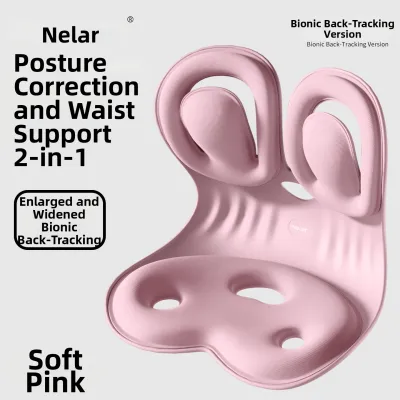
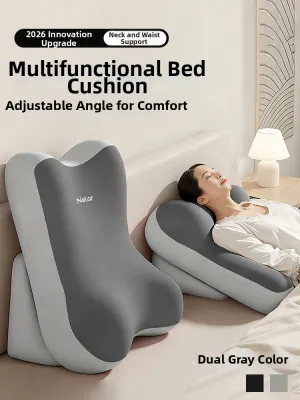
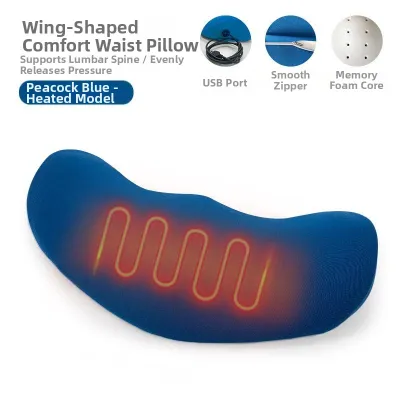
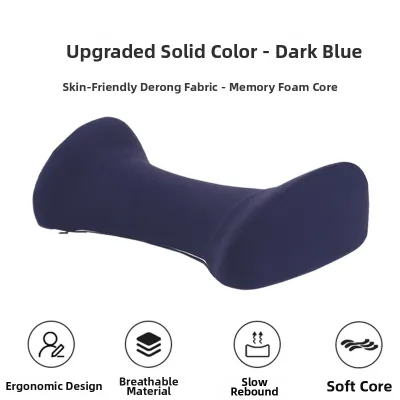
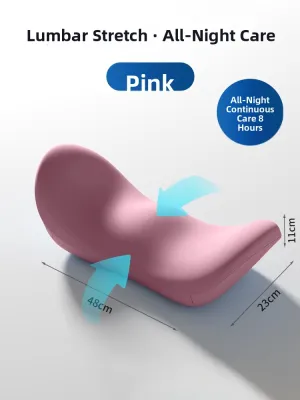
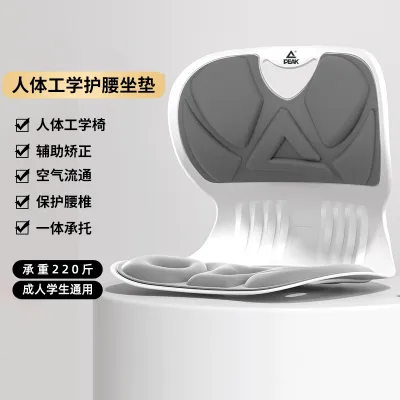
Prices are valid at publication and may change. Please refer to the product page for the latest price.
First Trimester: Gentle Alignment and Early Comfort During the first trimester, physical changes are largely internal. While your baby bump is not yet prominent, your body immediately begins producing relaxin, a hormone that softens ligaments to prepare your pelvis for birth. This hormonal shift can cause early joint laxity and mild, dull aches in the lower back. Additionally, early pregnancy bloating can make standard waistbands feel restrictive and uncomfortable.
At this stage, heavy-duty structural support is unnecessary. Instead, focus on lightweight, highly elastic belly bands. These seamless tubes of fabric slip over your abdomen to provide mild, continuous compression. They help stabilize your core, offer gentle abdominal coverage, and allow you to wear your pre-pregnancy pants unbuttoned comfortably. Look for seamless designs that do not press against sensitive areas during early morning sickness or bloating.
Second Trimester: Shifting Gravity and Targeted Lumbar Support As you enter the second trimester, your baby bump becomes visible, and your uterus expands upward and outward. This physical shift moves your center of gravity forward. To compensate and keep your balance, you may find yourself leaning backward, a posture adjustment that increases the arch in your lower back. This lordotic posture puts significant strain on your lumbar muscles and can lead to persistent lower back pain.
To address these changes, transition to a targeted maternity support belt. These garments typically feature a curved band that sits snugly underneath your growing bump, lifting it slightly to redistribute the weight more evenly across your pelvis and hips. This lifting action relieves pressure on your bladder and lower abdomen while a wider back panel stabilizes your lumbar spine. Look for adjustable side straps that allow you to increase or decrease tension as your bump expands week by week.
Third Trimester: Maximum Weight Distribution and Pelvic Stabilization During the final trimester, your baby gains weight rapidly, placing maximum load on your musculoskeletal system. The pelvic joints become increasingly mobile, which can lead to localized discomforts such as pelvic girdle pain, symphysis pubis dysfunction, or sacroiliac joint instability. Walking, standing, and even rolling over in bed can become challenging as your pelvic ring struggles to support the increased weight.
This stage demands robust, highly structured support systems. Multi-strap maternity braces or pelvic stabilization bands are highly beneficial here. These designs feature a primary under-bump support band, secondary tension straps to lock the pelvic joints in place, and sometimes an over-bump strap to keep the brace securely positioned. For severe discomfort, some parents opt for maternity cradles that use shoulder straps to distribute the weight of the abdomen across the upper back and shoulders, taking the pressure entirely off the lower spine and pelvis.
Key Comfort Features to Evaluate in Maternity Back Supports
Not all maternity supports are created equal, and a design that looks supportive online may feel restrictive or irritating in daily use. Evaluating specific construction elements will help you find a garment that offers both effective stabilization and long-term wearability.

Adjustability and Growth Accommodation Your body shape changes weekly during pregnancy, making static or non-adjustable garments impractical. High-quality maternity supports utilize adjustable hook-and-loop closures, stretch panels, and multi-part fastening systems. These features allow you to customize the tension and fit every time you put the garment on.
When evaluating a support belt, look for double-pull tension straps. These secondary elastic bands sit on top of the main belt, allowing you to pull them forward and fasten them to achieve localized compression. This design ensures that as your bump grows, you can expand the circumference of the belt while maintaining the exact level of lower back support you require.
Fabric Selection for Warm, Humid Climates Because maternity supports are worn close to the body, fabric choice directly impacts your daily comfort. In warm and humid tropical climates, such as Singapore, heavy or non-breathable synthetic fabrics can quickly trap body heat and moisture. This can lead to skin chafing, heat rash, and general discomfort that makes you want to remove the support entirely.
Prioritize garments made from lightweight, open-weave mesh, perforated neoprene, or bamboo-derived fabrics. Bamboo fibers are naturally soft, hypoallergenic, and highly moisture-wicking, making them excellent for sensitive pregnancy skin. If you choose a belt with heavy elastic panels, ensure the section that rests directly against your skin is lined with soft cotton or a breathable, friction-reducing material.
Support Structures: Flexible Boning vs. Rigid Stays The back panel of a maternity support belt determines how much physical stabilization it provides to your spine. Manufacturers achieve this using different types of internal supports, ranging from flexible plastic boning to rigid metal stays.
- Flexible Boning: These thin, plastic inserts are sewn vertically into the back of the belt. They are designed to bend with your body, preventing the fabric from bunching or rolling down while providing mild structural alignment. This is ideal for daily wear, light household activities, and moderate walking.
- Rigid Stays: These are stiffer inserts, often made of heavy plastic or metal, designed to limit spinal twisting and bending. While they offer high-level stabilization for severe back pain, they can restrict your natural range of motion. These are typically reserved for short-term use during specific physical tasks or under medical guidance.
- Wide vs. Narrow Bands: A wide back panel distributes pressure across a larger surface area, reducing the likelihood of the belt digging into your skin. Narrower bands are more discreet under clothing and target the pelvic ring specifically, but they may offer less overall lumbar relief.
Daily Ergonomics and Ease of Use As your pregnancy progresses, simple tasks like bending down to fasten shoes or reaching behind your back become increasingly difficult. A support garment that is overly complicated to put on will likely sit unused in your drawer.
Look for front-fastening or side-adjusting designs that allow you to secure and adjust the belt while looking directly at it. Additionally, consider how the garment integrates with your daily wardrobe and bathroom routine. Seamless belly bands can easily slide up, while multi-strap pelvic belts must be positioned carefully. Choose a design that can be loosened or removed quickly when using the restroom, as frequency increases significantly in the later trimesters.
Building Your Shortlist: Pre-Purchase Checks and Safety Boundaries
Before purchasing a maternity back support, taking the time to perform a few practical checks will ensure you select a safe, high-performing product that fits your lifestyle and physical needs.
Accurate Sizing and Measurement Protocols Maternity sizing is not standardized across brands; a “Medium” in one brand may correspond to a “Large” in another. Furthermore, your pre-pregnancy clothing size is not a reliable indicator of your maternity support size.
To get an accurate fit, use a flexible measuring tape to measure your body while standing upright. Measure the circumference of your lower back around to the lowest part of your abdomen, right under your baby bump where the belt will sit. Compare this measurement directly to the manufacturer’s specific sizing chart. If your measurement falls near the upper boundary of a size range, it is generally advisable to size up to accommodate future growth, provided the belt still offers sufficient adjustability.
When to Seek Medical Clearance While maternity back supports are excellent tools for managing common pregnancy discomforts, they are not a substitute for medical treatment. It is essential to consult your obstetrician, gynecologist, or a specialized women’s health physiotherapist before using a support garment, especially if you experience severe pain.
Certain conditions require professional guidance. If you have pre-eclampsia, high blood pressure, or a high-risk pregnancy, compression around the abdomen must be carefully monitored. Furthermore, if you experience sharp, shooting pain down your legs, numbness in your pelvic region, or vaginal bleeding, stop using any support garment immediately and seek medical attention. A physiotherapist can also teach you specific exercises to strengthen your core and pelvic floor, ensuring you do not rely solely on a belt for stability.
Evaluating Retailer Policies and Hygiene Standards Because maternity support wear is worn directly against the skin and often under clothing, it is classified as an intimate garment. This classification heavily influences return and exchange policies, particularly when purchasing from online marketplaces or specialty retailers.
Before buying, verify the retailer’s return terms. Many reputable brands seal their packaging with a hygiene strip. Once this seal is broken, the item may no longer be eligible for return or exchange due to health and safety regulations. Look for retailers that offer clear sizing consultations prior to purchase, or those that allow exchanges if the product is tried on over clean clothing and returned in its original, unaltered packaging.
Long-Term Care and Elasticity Maintenance To maintain the supportive properties of your garment over several months of daily wear, proper maintenance is crucial. Sweat, body oils, and dead skin cells can degrade elastic fibers and weaken hook-and-loop fasteners over time.
Always check the manufacturer’s care label before washing. Most high-quality maternity supports should not be placed in a standard washing machine cycle or a clothes dryer, as high heat and vigorous spinning destroy elastane fibers. Instead, hand wash the garment in cool water using a mild, hypoallergenic detergent. Fasten all hook-and-loop straps before washing to prevent them from snagging the fabric. Gently squeeze out excess water without wringing, and lay the garment flat to air dry in the shade.
Frequently Asked Questions (FAQ)
Can I wear maternity back support while sleeping?
General guidelines advise against wearing supportive or compressive maternity belts while sleeping. When you lie down, the gravitational pull on your abdomen changes, reducing the immediate need for upward lift. More importantly, your body requires unrestricted circulation and natural movement during rest to facilitate blood flow to the placenta and your lower extremities. If you experience severe pelvic or back pain that disrupts your sleep, consult your doctor or a physiotherapist. They may recommend specialized pregnancy pillows, body positioning techniques, or specific nighttime support garments designed for use while lying down.
How tight should a maternity back support belt feel?
A maternity support belt should always feel snug but comfortable, providing a gentle upward lift and stabilization rather than tight compression. A helpful rule of thumb is that you should be able to slide two fingers easily between the belt and your skin. If you notice any signs of excessive tightness—such as skin indentation, red marks, numbness or tingling in your legs, restricted breathing, or a noticeable change in your baby’s movement patterns—the belt is too tight. You should loosen or remove the garment immediately to restore proper circulation and comfort.
Is it safe to use a regular back brace instead of a maternity-specific one?
Using a standard, non-maternity back brace during pregnancy is generally not recommended. Regular back braces are designed to compress the entire abdominal cavity to stabilize the lumbar spine, which can place unsafe pressure on your growing uterus and restrict blood flow to your baby. In contrast, maternity-specific supports are engineered with a specialized curved, under-bump design. This structure lifts the abdomen from below while distributing the weight across your hips and lower back, providing essential spinal support without compressing your developing baby.
Community discussion
Share your experience or ask a question. Comments are reviewed before publication.