
For many nursing mothers, the journey of expressing milk comes with unique physical challenges, from slow let-down reflexes to localized discomfort during pumping. Breast massagers have emerged as popular supportive tools designed to address these hurdles by combining gentle vibration, warmth, and ergonomic shapes. However, selecting the right device requires a clear understanding of your personal feeding routine, physical comfort levels, and safety boundaries.
This guide provides a comprehensive framework to help you evaluate different types of breast massagers, understand their physiological effects, and identify the essential features that align with your pumping goals. By focusing on material safety, ergonomic design, and proper usage protocols, you can make an informed decision that enhances your overall comfort and milk expression experience.
Quick Guide to Evaluating Breast Massagers
Selecting a breast massager should not be a matter of guesswork. Because every mother’s body and pumping routine are unique, a structured evaluation framework helps ensure you choose a device that genuinely supports your needs without causing physical discomfort or tissue strain.
Products mentioned in this guide
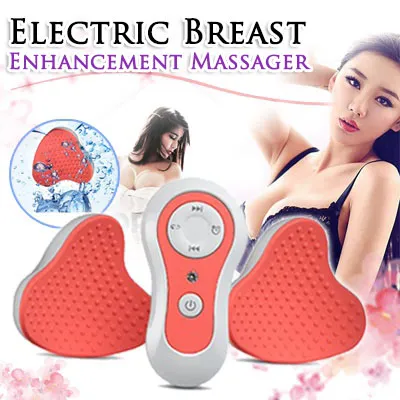
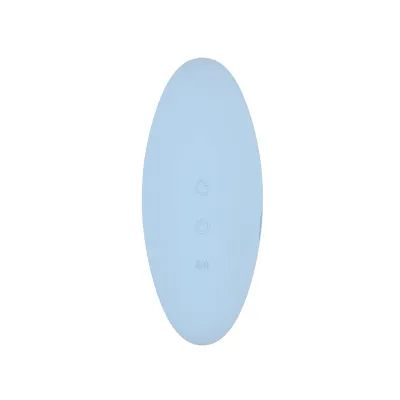
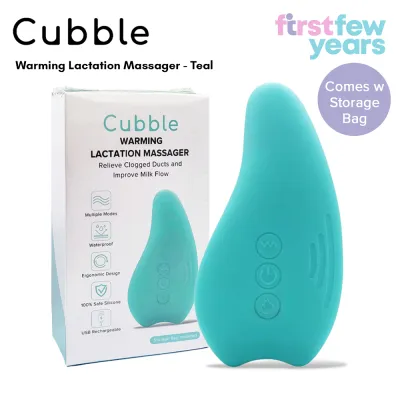
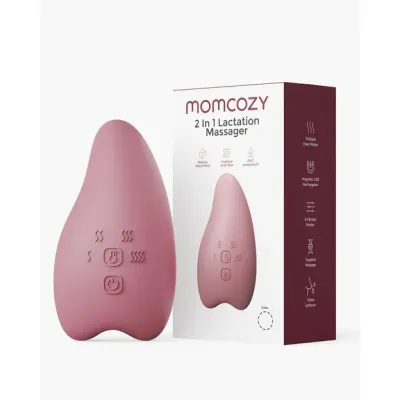
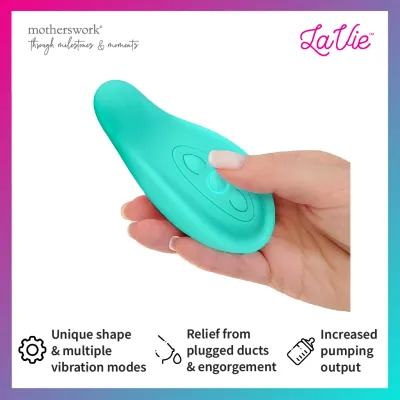
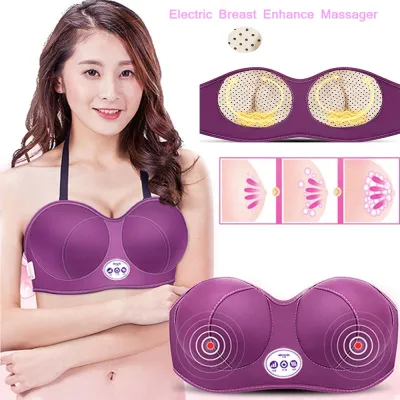
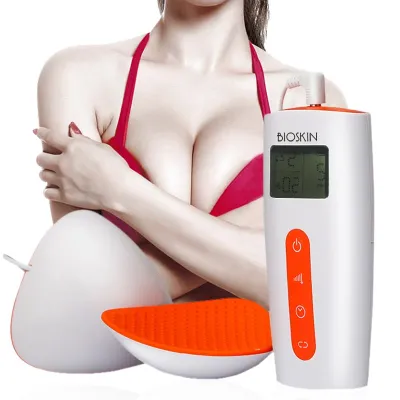
Prices are valid at publication and may change. Please refer to the product page for the latest price.
When evaluating different models on the market, prioritize the following core selection criteria:
- Adjustable Vibration Intensity: Look for devices that offer multiple speed and pattern settings. Your breast tissue sensitivity can change throughout the day and across different stages of your breastfeeding journey, making adjustable intensity crucial for maintaining comfort.
- Material Safety and Texture: The device must be covered in high-quality, non-porous material that is gentle on sensitive skin. Verify that the product labels explicitly state the use of medical-grade, BPA-free silicone.
- Hands-Free Capability: If you pump frequently, look for a slim, lightweight design that fits comfortably inside a standard nursing or pumping bra. This allows you to multitask without needing to hold the device in place.
- Heat Integration: Some massagers feature built-in warming elements. Adjustable heat can assist in relaxing the breast tissue, which is particularly beneficial during early morning sessions or in air-conditioned environments.
Understanding when a massager is most beneficial is key to setting realistic expectations. These devices are highly effective at stimulating the let-down reflex before or during a pumping session and can ease general muscle tension associated with milk expression. However, they are not a cure-all for clinical breastfeeding complications. If you are experiencing severe pain, persistent blockages, or signs of infection, a massager should only be used as a secondary comfort measure under the guidance of a healthcare professional.
How Breast Massagers Influence Milk Flow and Let-Down
To understand how a breast massager can assist your pumping routine, it helps to look at the physiological mechanisms of milk expression. The release of breast milk relies heavily on the let-down reflex, which is governed by the hormone oxytocin. Physical warmth, relaxation, and gentle sensory stimulation are known to support this hormonal response, helping the milk ducts contract and push milk forward.

Breast massagers influence this process through two primary mechanical methods: vibration-based stimulation and physical compression. Vibration-based stimulation uses rapid, micro-movements to gently stimulate the nerve endings in the breast tissue. This mild sensory input can help trigger the let-down reflex more quickly, especially for mothers who find the mechanical pull of a breast pump flange uncomfortable or stressful. The addition of gentle heat further encourages local blood circulation, relaxing the surrounding muscles and making the tissue more pliable.
In contrast, physical compression involves applying direct, manual pressure to move milk through the ductal system. While manual compression is highly effective, it requires active physical effort and can sometimes lead to hand fatigue. Electric massagers attempt to automate this process by combining vibration with contoured edges that mimic the hand movements used in manual expression. This combination can help maintain a steady milk flow during a pumping session, potentially reducing the overall time spent at the pump.
However, there are specific conditions where mechanical massage may not improve flow and could potentially cause discomfort:
- Severe Engorgement: When breast tissue is severely engorged, the skin is tightly stretched and the underlying blood vessels and lymph ducts are compressed. Applying intense vibration or firm pressure to highly congested tissue can increase localized inflammation and swelling, hindering milk flow rather than helping it.
- Anatomical Variations: Differences in breast tissue density, ductal layouts, and nerve sensitivity mean that what feels comfortable and effective for one mother may cause discomfort or yield no noticeable change in flow for another.
- Incorrect Pump Settings: A massager cannot compensate for an improperly fitted breast pump flange or incorrect suction settings. If the pump itself is causing pain or failing to drain the breast effectively, adding a massager will not resolve the underlying issue.
Essential Features for Maximizing Pumping Comfort
To ensure a breast massager enhances your routine rather than causing irritation, you must carefully evaluate its design and material specifications before purchasing. Because these devices come into direct contact with sensitive skin, often under warm and humid conditions, high-quality construction is essential.
Material Safety and Skin Sensitivity
Postpartum skin is exceptionally sensitive, and the friction generated by vibration can easily lead to chafing or allergic reactions if the material is substandard. When browsing options, always verify that the device is made from medical-grade silicone. This material is non-porous, hypoallergenic, and resistant to bacterial growth, making it safe for repeated skin contact. Avoid products that do not clearly list their material compositions or those that contain phthalates, latex, or BPA. Checking for independent safety certifications on the product packaging is a reliable way to confirm these claims.
Flange Compatibility and Sizing
If you plan to use a massager while actively pumping, its physical shape must work in harmony with your breast pump setup. Some massagers are designed with curved, narrow profiles specifically tailored to wrap around the outer shield of a pump flange. If a massager is too bulky, it can press against the plastic flange, breaking the vacuum seal or forcing the flange into an awkward angle that pinches the nipple. Measure the space inside your typical pumping bra and compare it to the dimensions of the massager to ensure a secure, comfortable fit.
Ergonomic Factors and Usability
For mothers balancing busy schedules, the practical usability of a massager is just as important as its physical materials. Consider the following ergonomic factors:
- Weight: A heavy device will drag down your nursing bra, requiring constant manual adjustment and causing skin friction. Opt for lightweight models that stay securely in place without extra support.
- Noise Levels: Discretion is highly valued, whether you are pumping in a quiet office lactation room or next to a sleeping baby at night. Look for massagers that operate quietly, ideally below 50 decibels, so you can use them without drawing unwanted attention.
- Battery Life and Charging: Verify the battery capacity and charging method. USB-rechargeable models offer excellent convenience, especially for travel or workplace pumping, but you should check the estimated run time per charge to avoid the frustration of a dead battery mid-session.
Comparing Massager Types for Different Feeding Routines
Breast massagers are available in several distinct formats, each suited to different lifestyles, pumping frequencies, and personal preferences. Understanding these categories allows you to match the device design to your daily routine.
Vibration Pads and Attachments
These are typically slim, contoured electric pads designed to slip directly into your bra alongside your pump flanges. They often feature multiple vibration patterns and integrated heating elements.
- Best Suited For: Mothers who pump exclusively or frequently throughout the day and want to stimulate a quick let-down while keeping their hands free.
- Advantages: Highly convenient for multitasking; easily fits into most standard pumping bras; provides consistent warmth directly to the sides of the breast.
- Limitations: Requires a snug bra to keep the pads pressed firmly against the skin; may not provide enough targeted pressure for deep tissue relief.
Silicone Compression Tools
These are non-electric, manual tools made of firm, smooth silicone. They often feature a contoured edge on one side and a textured surface on the other, allowing you to apply manual pressure and stroke the breast toward the nipple.
- Best Suited For: Mothers who prefer manual expression, those who want a simple tool to use in the shower, or those looking for a budget-friendly option that does not require charging.
- Advantages: Completely waterproof; no batteries or electronics to worry about; allows for highly precise, targeted pressure on specific areas of the breast.
- Limitations: Requires active manual effort, which can lead to hand fatigue over time; cannot be used hands-free during a pumping session.
Integrated Wearable Massagers
These advanced devices are designed to be worn entirely inside the bra, wrapping around the breast tissue to provide comprehensive coverage. They often combine gentle compression-like movements with vibration and heat.
- Best Suited For: Mothers who experience frequent discomfort during milk expression and require a highly ergonomic, hands-free solution that covers a larger surface area.
- Advantages: Provides uniform stimulation across the entire breast; highly secure fit; excellent for active, on-the-go use.
- Limitations: Typically carry a higher price point, often ranging from S$60 to over S$120; can be bulkier than simple vibration pads, requiring a more accommodating bra style.
Safety Protocols, Hygiene, and Professional Care Boundaries
While breast massagers are generally safe when used as directed, improper use can lead to skin irritation, tissue damage, or delayed treatment for serious medical conditions. Establishing a safe usage routine and knowing when to seek professional help is vital for your physical well-being.
Standard Hygiene Practices
Because these devices are used close to your baby’s milk supply and come into contact with skin oils and potential milk leaks, maintaining strict hygiene is essential. Always refer to the manufacturer’s instructions for cleaning guidelines, as electronic components require careful handling:
- Waterproof Devices: If the device is rated fully waterproof, wash it after every use with warm water and a mild, fragrance-free dish soap. Allow it to air dry completely in a clean, well-ventilated space.
- Non-Waterproof Devices: For devices with exposed charging ports or non-waterproof housings, do not submerge them. Instead, wipe the silicone surfaces thoroughly with a damp cloth and mild soap, taking care to keep moisture away from the electronic connections.
- Sterilization Warnings: Never place electronic massagers in steam sterilizers, microwave sterilizing bags, or boiling water unless the manufacturer explicitly states it is safe to do so. High heat can permanently damage the internal lithium-ion batteries and compromise the silicone casing.
Recognizing Signs of Tissue Damage
Your breast tissue is delicate and easily bruised. Using a massager on an excessively high setting or pressing it too firmly against your skin can cause micro-trauma. Stop using the device immediately if you observe any of the following symptoms:
- Skin Blanching: If the skin looks unusually white or pale during or after use, this indicates that the pressure is restricting local blood flow.
- Bruising or Redness: Persistent red marks, petechiae (tiny red spots), or bruising indicate that the vibration intensity or physical pressure is too high.
- Increased Pain: A massager should never cause sharp pain. If your discomfort worsens during or after a session, discontinue use.
Red Flags and Professional Care Boundaries
It is crucial to distinguish between minor milk flow delays and serious clinical conditions like mastitis or severely blocked ducts. Current clinical protocols emphasize gentle care and inflammation reduction for ductal issues. Aggressive massage can worsen tissue swelling and accelerate the onset of infection.
If you experience a hard, painful lump that does not resolve after 24 to 48 hours of gentle nursing or pumping, or if you develop systemic symptoms such as a fever, chills, body aches, or red streaks spreading across the breast, do not attempt to resolve the issue solely with a breast massager. These are red flags for mastitis, a bacterial infection that requires prompt medical evaluation. Under these circumstances, stop using the massager and consult an International Board Certified Lactation Consultant (IBCLC) or your doctor for a proper diagnosis and treatment plan.
Frequently Asked Questions (FAQ)
Can I use a breast massager if I have sensitive skin or nipple trauma?
If you have sensitive skin, you can generally use a breast massager, provided you select a model made of high-quality, medical-grade silicone and use the lowest vibration and heat settings. However, if you are experiencing nipple trauma, such as cracked, bleeding, or severely grazed skin, you must exercise extreme caution.
Always check the manufacturer’s safety warnings regarding compromised skin. Avoid placing any vibrating or heated elements directly over the damaged area, as the friction and movement can delay healing and worsen the wound. Instead, focus on applying very gentle, manual techniques or placing the massager on the outer edges of the breast, well away from the nipple, to encourage the let-down reflex. If pain increases or the skin irritation worsens, pause use immediately and consult a healthcare professional or wound care specialist.
Do breast massagers help clear clogged milk ducts?
While breast massagers are often marketed as tools to clear clogged ducts, current clinical guidelines from major breastfeeding organizations advise against using aggressive, deep-tissue massage to resolve blockages. Clogged ducts are typically caused by localized tissue inflammation and swelling that compresses the milk duct from the outside, rather than a solid plug of milk that needs to be physically forced out.
Applying heavy pressure or intense vibration directly to a clogged area can increase tissue inflammation and worsen the blockage. If you choose to use a massager, keep it on a very gentle, low vibration setting and move it lightly across the skin toward your lymph nodes (located under the armpit and near the collarbone) to encourage fluid drainage. Never press hard against a painful lump. If the blockage does not improve within 24 to 48 hours, or if you develop a fever or flu-like symptoms, stop using the device and contact a lactation consultant or doctor immediately.

Community discussion
Share your experience or ask a question. Comments are reviewed before publication.