
When your baby transitions from crawling to pulling themselves up, your home’s furniture suddenly presents a landscape of sharp edges and hard corners. Finding the right baby bumper strip is not about chasing a specific brand name; instead, it requires matching the material, profile, and adhesive of the guard to the exact geometry and surface of your furniture. A bumper that works perfectly on a wooden coffee table might peel off a glass shelf within hours, or fail to provide enough cushioning for a high-impact fall.
To create a truly secure environment, you must evaluate the specific hazards in your home. This involves assessing the height of your coffee tables, the sharpness of your cabinet corners, and the materials of your shelves. By understanding how different bumper specifications interact with these surfaces, you can select and install guards that offer reliable shock absorption while preserving your furniture. This guide provides a practical framework to help you choose, install, and maintain the ideal edge protection for your household.
Evaluating Bumper Strip Materials and Adhesives
The material of a baby bumper strip directly determines its ability to absorb impact and withstand daily wear. The three most common materials available on the market are Nitrile Butadiene Rubber (NBR) foam, Polyvinyl Chloride (PVC), and silicone. Each material has distinct physical properties that make it suitable for different scenarios.
Products mentioned in this guide
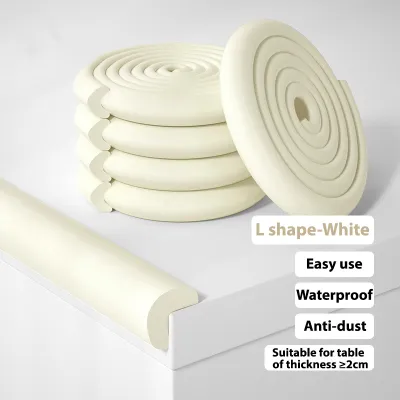
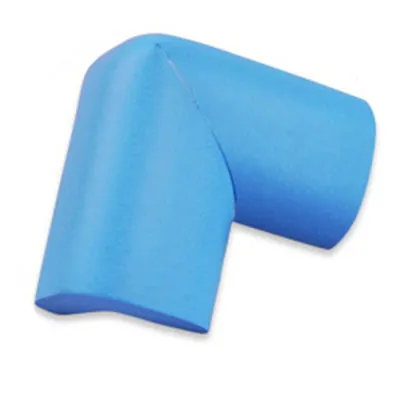
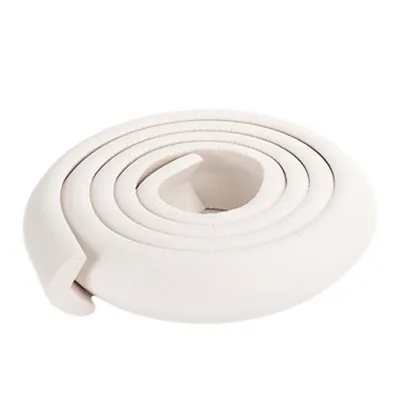
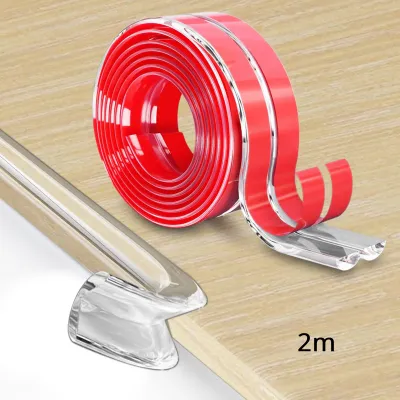
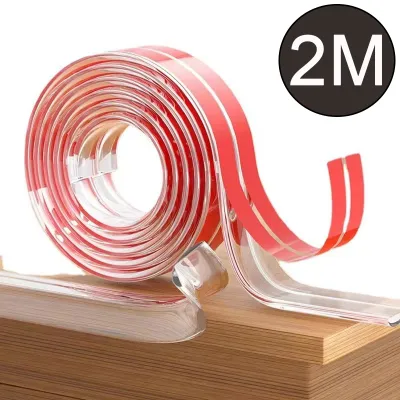
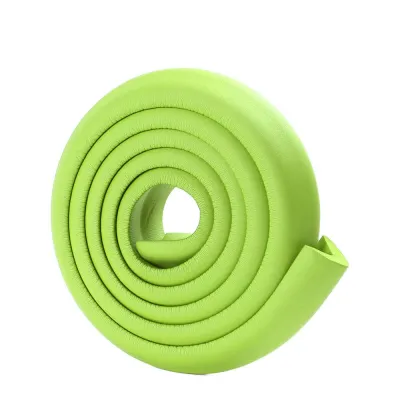
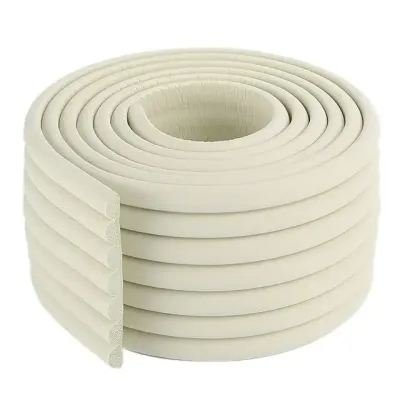
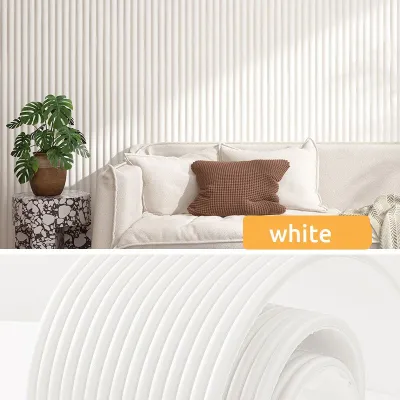
Prices are valid at publication and may change. Please refer to the product page for the latest price.
NBR foam is highly popular due to its soft, spongy texture and exceptional shock absorption. It is thick and highly compressible, making it excellent for low-level furniture where toddlers are prone to falling. However, NBR is relatively soft and can be easily damaged by scratching, pulling, or teething babies who may attempt to bite off pieces.
PVC guards are denser and firmer than NBR foam. They offer a more low-profile look and are highly durable, resisting tears and bites much better than soft foam. The trade-off is that PVC does not compress as easily, meaning it provides slightly less cushioning during a high-velocity impact.
Silicone is an increasingly popular alternative, offering a balance of high tear resistance and flexibility. It is often clear or translucent, making it a discreet option for modern interiors. Silicone is incredibly difficult for a baby to bite through, making it a safer choice for teething infants, and it is easy to wipe clean. However, like PVC, it is firmer than NBR foam and may not absorb heavy impacts as softly.
Beyond the bumper material, the adhesive backing is what keeps the guard in place. Most bumper strips use either standard double-sided acrylic tape or thick gel adhesives. Acrylic tape provides a strong, thin bond that works well on smooth, flat surfaces like glass and polished wood. However, it can be difficult to remove and may lift paint or varnish if pulled off carelessly. Gel adhesives are thicker and more pliable, allowing them to conform to slightly textured surfaces. They often provide a strong grip while being easier to peel away cleanly when no longer needed.
When shopping, always verify the chemical safety of the materials. Because babies frequently touch, lean on, and occasionally bite bumper strips, look for products with clear manufacturer labels certifying that they are non-toxic, BPA-free, and phthalate-free. Avoid relying on vague marketing claims; instead, check the packaging for references to recognized safety standards and independent material testing.
Matching Bumper Profiles to Specific Furniture Types
Selecting the right bumper profile is just as important as choosing the right material. Bumper strips are manufactured in several shapes—primarily U-shape, L-shape, and pre-molded corner guards—each designed to fit specific edge geometries. Using the wrong profile can lead to poor adhesion, exposed sharp edges, or a guard that is easily pulled off by a curious child.

Coffee Tables and Low Edges
Coffee tables and low-slung media consoles sit directly at toddler head height, making them some of the most hazardous items in a living room. When protecting these low edges, you must choose a profile that covers both the top and bottom of the sharp edge.
For thin coffee tables, such as those made of glass or thin metal, a U-shaped bumper strip is highly effective. The U-shape wraps around the top, edge, and bottom of the surface, securing it from multiple angles and preventing the baby from catching their forehead on the underside. For thicker, flat-edged wooden or stone tables, a wide L-shaped strip is more appropriate. The L-shape covers the top corner and hangs down the side, providing a broad cushion against downward falls.
The thickness of the bumper is a critical factor here. For low-level furniture where a falling child might strike with their full body weight, opt for high-density foam that is at least 1 centimeter thick. This thickness provides the necessary deceleration to prevent serious injury.
Adhesion on coffee tables presents unique challenges, particularly on glass or polished stone. These non-porous surfaces easily collect dust, skin oils, and cleaning chemical residues, all of which weaken adhesives. Before applying any bumper strip to glass or stone, the surface must be thoroughly cleaned with rubbing alcohol and allowed to dry completely to ensure a secure, long-lasting bond.
Cabinet Corners and Sharp Angles
Protruding 90-degree corners on wooden, MDF, or metal cabinets pose a severe risk of lacerations and bruising. Protecting these sharp angles requires a specialized approach to ensure the guard remains firmly in place.
While you can cut standard linear bumper strips to fit around a corner, using pre-molded corner guards is generally much safer and more effective. Pre-molded guards are manufactured as a single, solid piece of cushioned material designed to fit perfectly over a 90-degree angle. Cutting a straight strip to fit a corner requires making miter cuts, which often leaves small gaps, exposed sharp points, or weak seams. These seams are easily targeted by babies, who will pull and peel at the loose edges until the guard detaches.
Vertical edges on cabinets also demand stronger adhesives. Because gravity constantly pulls down on the bumper, and because babies often use cabinet edges to pull themselves up to a standing position, standard tape may fail quickly. Look for multi-surface, high-bond adhesives specifically rated for wood or metal.
Additionally, caregivers must remain vigilant about potential choking hazards. If a soft foam corner guard begins to degrade, or if a teething baby repeatedly chews on it, small pieces can easily tear off. Regularly inspect these high-contact areas for any signs of wear, and replace them immediately if the material begins to crumble or tear.
Shelf Edges and Flat Surfaces
Narrow shelves, fireplace hearths, and window sills require a different protection strategy. On these surfaces, bulky foam bumpers can look unsightly, interfere with the functionality of the shelf, or be easily knocked loose by passing traffic.
For narrow edges, a low-profile, high-density foam or silicone strip is the best choice. These materials provide sufficient impact protection without the excessive bulk of standard NBR foam. Silicone strips are particularly useful for shelves because their slim profile allows them to blend in with the furniture, maintaining a secure grip on narrow edges without overlapping onto the shelf surface where books or decor are placed.
When protecting long, flat surfaces like window sills or hearths, continuous coverage is essential. Avoid piecing together multiple short scraps of bumper strips, as every seam creates a weak point that a child can exploit. Instead, measure the entire length of the surface and cut a single, continuous piece of bumper strip to fit.
Before purchasing, take precise measurements of both the depth and width of the edge you intend to cover. If the bumper strip is too wide for the shelf edge, the excess material will hang over, creating a lip that a baby can easily grab and pull. A properly sized strip should sit flush against the furniture surfaces, leaving no loose edges.
Safety and Compatibility Checks Before Buying
Before purchasing any baby bumper strips, it is essential to conduct a thorough safety and compatibility check. Do not rely solely on the promotional claims printed on the front of the packaging. Instead, turn the product over and look for verified safety standards and material testing labels. Look for certifications indicating compliance with international safety standards, which verify that the materials have been tested for harmful chemicals, heavy metals, and flammability.
Another critical consideration is adhesive compatibility. While you want an adhesive strong enough to withstand a toddler’s tugging, you must also consider the long-term impact on your furniture. Check the manufacturer’s specifications regarding adhesive removability. Some high-bond adhesives can permanently damage painted walls, delicate wood veneers, or high-value antique finishes. If you are living in a rented property, look for adhesives specifically labeled as damage-free or clean-removal to avoid costly repair fees when it is time to move out.
You should also assess the physical quality of the foam or silicone before installation. A high-quality bumper strip should have a rapid rebound rate. You can test this by pressing your thumb firmly into the material; it should spring back to its original shape almost instantly. If the material remains compressed or feels hollow, it lacks the structural density required to absorb repeated impacts and will offer poor protection during a real fall.
Secure Installation and Damage-Free Removal
Proper installation is the key to ensuring your baby bumper strips perform as intended. Even the highest-quality adhesive will fail if applied to a dirty or damp surface.
Begin by preparing the furniture surface. Clean the area thoroughly with a mild degreasing agent or rubbing alcohol to remove dust, grease, and polish residues. Avoid using household glass cleaners or multi-surface sprays, as these often leave behind a thin, slick film that prevents the adhesive from bonding. Allow the surface to dry completely. Once dry, apply the adhesive tape to the bumper strip, press the strip firmly onto the furniture edge, and hold it in place with consistent pressure for at least 30 seconds. For the best results, allow the adhesive to cure undisturbed for 24 hours before allowing your child near it.
When your child outgrows the need for edge guards, removing them safely requires patience to avoid damaging your furniture. Do not simply rip the strips off. Instead, use a hair dryer on a low, warm setting to gently heat the adhesive backing. The heat will soften the glue, allowing you to slowly peel the strip away at a shallow angle. If any adhesive residue remains on the surface, apply a small amount of mild adhesive remover, vegetable oil, or rubbing alcohol to dissolve it. Always test these removal agents on an inconspicuous area of the furniture first to ensure they do not discolor or strip the finish.
Finally, establish a routine of regular safety checks. Inspect all installed bumper strips weekly. If you notice any signs of tearing, peeling edges, permanent compression, or bite marks, stop use and replace the affected section immediately. A damaged or loose bumper strip not only fails to protect your child from impacts but also becomes a serious choking hazard if pieces are pulled off and swallowed.
Frequently Asked Questions (FAQ)
Are silicone bumper strips safer than foam ones?
Silicone bumper strips offer distinct safety advantages over traditional foam, particularly regarding durability and choking hazards. Because silicone is highly tear-resistant, it is extremely difficult for a teething baby to bite off small pieces, making it a safer option for infants who tend to chew on furniture edges. Additionally, silicone is non-porous, meaning it does not absorb liquids, drool, or dirt, making it much easier to clean and sanitize daily. However, silicone is naturally firmer than NBR foam, meaning it provides less soft cushioning during a high-impact fall. Caregivers should weigh this trade-off based on their child’s developmental stage and the specific furniture being protected.
How often should I replace baby bumper strips?
There is no fixed calendar timeline for replacing baby bumper strips; instead, replacement should be guided entirely by observable wear and tear. You should inspect the guards regularly for physical signs of degradation, such as a loss of adhesive stickiness, peeling edges, permanent compression of the foam, or visible bite marks. If a strip is easily pulled away from the furniture by a child, or if the material has lost its springiness and no longer cushions impacts, it must be replaced immediately. The lifespan of a bumper strip depends heavily on the material quality, the environmental conditions of the room, and your baby’s level of curiosity and physical activity.
Community discussion
Share your experience or ask a question. Comments are reviewed before publication.