
Caring for a newborn’s nasal hygiene can be a delicate task for parents in Singapore. With babies being obligatory nasal breathers during their first few months, even a minor obstruction can cause noticeable discomfort during feeding or sleep. While many parents turn to nasal aspirators for wet mucus, a specialized baby nose tweezer is often considered for removing dry, visible blockages near the entrance of the nostril. However, because a newborn’s nasal passages are incredibly fragile, choosing the right tool and using it with extreme caution is paramount to preventing accidental injury.
Why You Might Need Baby Nose Tweezers (and When to Avoid Them)
Understanding when to use a baby nose tweezer—and, more importantly, when to put it away—is the first step in safe infant grooming. In Singapore’s tropical climate, families frequently transition between humid outdoor air and dry, air-conditioned indoor environments. This constant shift can dry out nasal secretions, turning normal mucus into hard, crusty blockages that sit just inside the baby’s nostrils. When these dry boogers are clearly visible and close to the nostril opening, a baby nose tweezer can be a practical tool to gently lift them out without pushing them further into the nasal cavity.
However, tweezers are not a universal solution for all types of nasal congestion. If your newborn is experiencing deep, wet, or runny mucus, a physical tweezer is highly unsuitable and potentially dangerous. For deep-seated congestion, alternative methods such as pediatrician-approved saline drops or a gentle nasal aspirator are much safer options. Attempting to insert tweezers deep into the nasal canal to retrieve hidden mucus can easily scratch the delicate mucosal lining, leading to pain, swelling, or infection.
Products mentioned in this guide
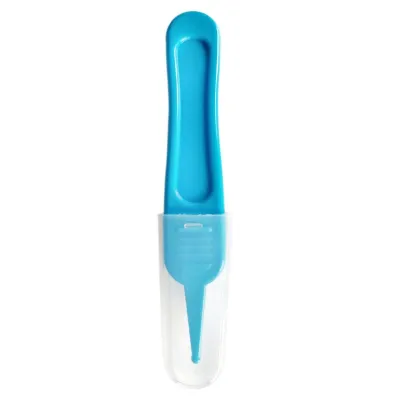
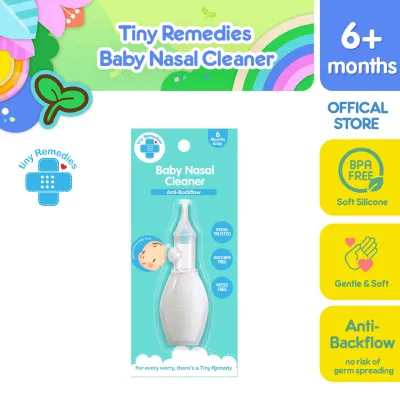
Prices are valid at publication and may change. Please refer to the product page for the latest price.
There are several critical scenarios where you must avoid using baby nose tweezers entirely. If your baby’s nasal passages appear red, swollen, or inflamed, introducing any solid tool will only exacerbate the irritation. Similarly, if there is any sign of active bleeding, or if your baby is suffering from severe congestion due to an illness like a cold or flu, step away from the grooming kit. In these situations, the tissues are highly sensitive and prone to further damage.
Before introducing any physical extraction tool to your newborn’s care routine, it is highly recommended to consult your pediatrician. A qualified medical professional can assess your baby’s nasal health, demonstrate safe clearing techniques, and help you determine if a physical tool is appropriate for your child’s specific developmental stage. Remember that newborn nasal passages are exceptionally narrow, and what looks like a blockage might simply be the normal, noisy breathing patterns of a healthy infant.
Essential Features to Look for in Newborn Nose Tweezers
When shopping for baby grooming tools at local pharmacies, specialty baby boutiques, or online marketplaces in Singapore, you will find a variety of options. However, not all tweezers are designed with the strict safety margins required for a newborn. To protect your baby’s delicate nasal tissues, you must carefully evaluate the product specifications, materials, and design elements before making a purchase. While these specialized tools are relatively inexpensive—often ranging from S$5 to S$15—the safety features they offer are invaluable.

The most critical design feature to inspect is the tip of the tweezers. Standard adult tweezers have sharp, pointed tips that can easily puncture or scratch skin. In contrast, a dedicated baby nose tweezer must feature highly rounded, blunt, and smooth tips. The size of the tip should be small enough to fit comfortably just inside the nostril opening without stretching the skin, yet large enough that it cannot be easily pushed too deep into the nasal canal. Look for designs that incorporate a physical safety guard or a tapered shape that naturally limits the depth of insertion.
Material safety is another non-negotiable factor when selecting grooming tools for your infant. Always check the product packaging or manufacturer specifications to verify that the tweezers are made from high-quality, non-toxic materials. Look for medical-grade stainless steel or BPA-free, food-grade plastics. Avoid unverified, cheap plastics that may contain harmful chemicals or have rough, unfinished edges from the manufacturing process. The materials should also be durable enough to withstand regular cleaning and sterilization without degrading or rusting.
Ergonomics and visibility play a major role in preventing accidental slips during use. Look for tweezers that feature non-slip grips or textured handles, which give you maximum control even if your hands are slightly damp. Some modern baby tweezers come with angled heads to keep your hand out of your line of sight, allowing you to clearly see inside the baby’s nostril. Others feature built-in LED lights that illuminate the nasal passage, which can be incredibly helpful when trying to locate a dry blockage in a dimly lit nursery.
Finally, always review the manufacturer’s age recommendations and specific newborn warnings printed on the packaging. Some tools are only rated for infants older than three or six months, while others are specifically designed with ultra-fine tips suitable for newborns. Ensure the product includes a secure safety cap or protective storage case to keep the tips clean and prevent them from becoming damaged or contaminated between uses.
Step-by-Step Safety and Usage Guidelines
Using a baby nose tweezer requires a calm environment, a steady hand, and a strict adherence to safety protocols. Before you begin, ensure you are in a well-lit room free from distractions. It is highly beneficial to have another adult nearby to help keep the baby calm and still, as sudden movements are the primary cause of grooming-related injuries in infants.
The first step in the extraction process is preparing the baby’s nasal passages. Attempting to pull out dry, hardened boogers can pull on the sensitive skin inside the nose, causing pain and bleeding. To prevent this, apply one or two drops of pediatrician-approved saline solution into the affected nostril. Wait a few minutes to allow the saline to thoroughly soften the dry blockage. In many cases, the saline itself may cause the baby to sneeze, naturally expelling the blockage without the need for tweezers.
If the blockage remains visible near the opening after using saline, you can proceed with the tweezers using a highly controlled technique. Gently but firmly stabilize your baby’s head with one hand, ensuring they cannot suddenly jerk away. Hold the tweezers with your dominant hand, keeping your fingers close to the tip for maximum control. Slowly insert only the very tip of the rounded tweezers into the outer edge of the nostril. Do not push the tool deep into the nose; if you cannot easily see the blockage or the tip of the tool, it is too deep.
Gently grasp the softened booger and lift it straight out in a single, smooth motion. Do not twist, pull forcefully, or scrape against the nasal walls. If the blockage does not come out easily, stop immediately. This indicates that the booger is either still too dry, attached to the nasal lining, or located too deep for safe removal.
You must establish strict stop conditions before you begin. Immediately cease using the tweezers if your baby resists forcefully, cries intensely, or thrashes about. Forcing the tool into a moving baby’s nose carries an extremely high risk of injury. Additionally, stop if you notice any redness, swelling, or unexpected resistance.
It is vital to recognize when home grooming is no longer safe or effective. If your baby exhibits signs of respiratory distress—such as rapid breathing, flaring nostrils, grunting, or chest retractions—do not attempt to clear their nose yourself. These are medical emergencies that require immediate professional medical attention. Similarly, if a blockage remains stubborn after multiple safe attempts, consult a pediatrician rather than risking injury through persistent physical extraction.
Cleaning, Sterilizing, and Storing Grooming Tools
Maintaining impeccable hygiene for your baby’s grooming tools is essential to prevent the introduction of harmful bacteria or viruses into their delicate nasal passages. Because newborns have developing immune systems, any tool that comes into contact with their mucous membranes must be thoroughly cleaned and sanitized before and after every single use.
Always begin by checking the manufacturer’s specific cleaning instructions, as different materials require different care methods. If the tweezers are made entirely of high-quality, heat-resistant plastic or medical-grade stainless steel, they may be safe for boiling water sterilization or UV sterilizers. However, if the tweezers contain electronic components, such as a built-in LED light or battery compartment, they must never be submerged in water or placed in a steam sterilizer. For these specialized tools, a thorough wipe-down with an alcohol prep pad or a damp cloth with mild baby-safe soap is usually the recommended method.
After washing or sanitizing, ensure that the tweezers are completely dry before storing them. This is particularly important for metal components, as lingering moisture can lead to rust, corrosion, or the degradation of the fine tips over time. Shake off excess water and lay the tool on a clean, dry paper towel in a well-ventilated area to air dry completely.
Once dry, store the tweezers in their dedicated protective case or safety cap. This shield protects the delicate tips from accumulating household dust, pet dander, or airborne bacteria. Keep the baby’s grooming kit strictly separated from adult grooming tools, household scissors, or general family medicine cabinets to avoid cross-contamination. Store the kit in a cool, dry place out of reach of older children.
Frequently Asked Questions (FAQ)
Can I use adult tweezers for my baby's nose?
No, you should never use adult tweezers on a baby’s nose. Standard adult tweezers are designed with sharp, pointed metal tips that can easily puncture, scratch, or tear the highly sensitive and thin mucosal lining of a newborn’s nasal passages. Furthermore, adult tools lack the safety guards, rounded edges, and appropriate sizing required to prevent deep insertion. Using them carries an unacceptably high risk of causing pain, severe bleeding, or localized infections in your infant’s nose. Always invest in a dedicated, pediatric-approved baby nose tweezer designed specifically for infant anatomy.
How often should I clean my baby's nose with tweezers?
Nasal cleaning with tweezers should never be a daily or routine grooming task. It should be strictly symptom-driven, performed only when you can clearly see a dry, solid blockage near the nostril opening that is actively interfering with your baby’s breathing, feeding, or sleeping. Over-cleaning or using physical tools too frequently can irritate the delicate nasal lining, leading to swelling, increased mucus production, or minor bleeding. For routine daily maintenance, relying on a simple saline drop routine to help the nose clear itself naturally is a much safer and gentler approach.
What should I do if my baby's nose bleeds during cleaning?
If your baby’s nose begins to bleed during cleaning, immediately stop using the tweezers and remain calm, as babies can easily pick up on parental anxiety. Keep your baby upright or slightly tilted forward to prevent them from swallowing blood, which can cause gagging or vomiting; never tilt their head backward. Gently pinch the soft part of their nostrils together using a clean, soft tissue or cloth for a few minutes to apply gentle pressure. If the bleeding does not stop within a few minutes, if the bleed is heavy, or if your baby shows any signs of distress or difficulty breathing, seek professional medical help immediately.
Community discussion
Share your experience or ask a question. Comments are reviewed before publication.