
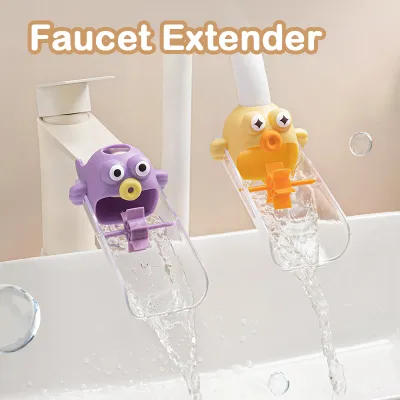
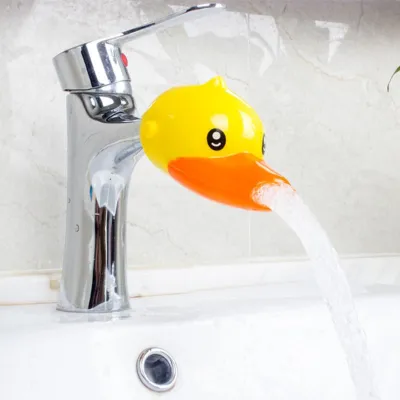
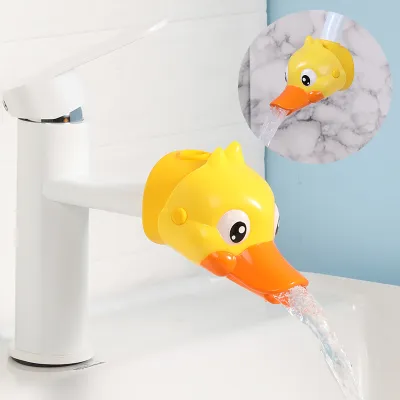
Helping young children wash their hands independently is a major milestone in early childhood development, but standard bathroom sinks are rarely designed with toddlers in mind. A kids faucet extender bridges this physical gap by channeling the water stream closer to the edge of the basin, allowing small hands to reach the flow without overextending or slipping. Choosing the right model requires careful evaluation of your existing faucet’s shape, the dimensions of your sink basin, and the safety of the materials used. Proper installation and routine maintenance are equally critical to ensure the device remains hygienic, stable, and secure during daily use.
Assess Your Faucet Type and Sink Clearance
Before purchasing any accessory, you must identify the specific shape and dimensions of your bathroom faucet. Faucets come in a wide variety of profiles, including standard round spouts, flat waterfall designs, high-arc gooseneck models, and modern square or rectangular fixtures. Most faucet extenders are designed with specific spout shapes in mind, and attempting to force an incompatible extender onto a square or unusually thick spout can cause the plastic to crack or slide off during use. Check the manufacturer’s product specifications to verify the maximum and minimum diameter or width limits that the extender can accommodate.
Measuring your sink basin is the next essential step to prevent water from splashing onto your bathroom floor. Use a measuring tape to determine the distance from the faucet aerator to the front edge of the sink basin, as well as the overall depth of the bowl. An extender that is too long for a shallow or narrow basin will project the water stream past the inner edge of the sink, leading to wet floors and potential slipping hazards in the bathroom. Ideally, the extended water stream should land directly over the drain or slightly forward of it, leaving ample space for your child to lather and rinse their hands comfortably within the confines of the basin.
Products mentioned in this guide


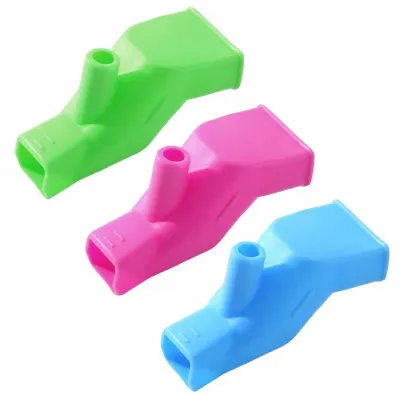
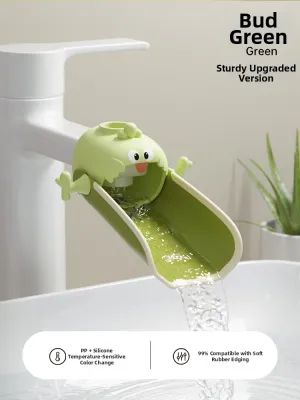
Prices are valid at publication and may change. Please refer to the product page for the latest price.
Additionally, you must verify the physical clearance around the faucet spout itself. Many modern sinks, particularly compact vanity units found in urban apartments or condominium bathrooms, have very limited space between the faucet and the backsplash or the sink rim. Examine the area behind and beneath the spout to ensure there is sufficient room to slide on a silicone sleeve, tighten a screw clamp, or snap on a connector. If the clearance is too tight, you may struggle to install the extender properly, or the attachment mechanism may rub against the sink wall, preventing a secure and level fit.
Select the Right Extender Design and Material
Faucet extenders utilize several different attachment mechanisms, each suited to specific faucet shapes and household needs. Silicone stretch bands are highly flexible and can slip over a variety of round or oval spouts, relying on the natural elasticity of the material to grip the metal. Adjustable screw clamps offer a more rigid attachment, using plastic screws or straps to tighten the extender around the spout, which is often preferred for rectangular or thicker faucets. Snap-on connectors or universal collar designs provide a semi-permanent fit but may require a highly specific spout profile to lock into place securely.

Material safety is a paramount consideration when selecting any product that comes into contact with water your child might ingest. While faucet extenders are primarily intended for handwashing, young children frequently attempt to drink directly from the stream or touch the wet extender before putting their hands in their mouths. Carefully review the manufacturer’s documentation and product packaging to verify claims regarding food-grade or child-safe materials. Look for labels indicating the product is free from bisphenol A (BPA), phthalates, and polyvinyl chloride (PVC), and prioritize high-quality, non-toxic silicone and durable plastics that do not degrade quickly when exposed to warm water.
You will also need to choose between a fixed-length extender and an adjustable-angle model. Fixed-length extenders are simple, durable, and have fewer moving parts, making them an excellent choice if your child can already reach the sink with minimal assistance. Adjustable-angle or telescoping extenders allow you to pivot the water channel upward or extend it further outward, accommodating children of different heights and developmental stages. However, adjustable models often feature hinges or joints that require regular inspection to ensure they do not loosen over time.
Lastly, inspect the design of the extender for any small detachable parts or accessories. Some products feature decorative cartoon characters, colored caps, or removable flow restrictors that appeal to young children. For families with younger toddlers who are still in the oral stage of exploration, these small components can pose a serious choking hazard if they become detached. Opt for streamlined, single-piece designs or ensure that any decorative elements are permanently molded into the body of the extender rather than glued or snapped on.
Step-by-Step Installation for a Secure Attachment
A secure installation prevents the extender from slipping off mid-use and protects your faucet’s finish from scratches. Begin by preparing the faucet surface thoroughly. Turn off the water and clean the spout with a mild soap solution to remove any soap scum, mineral deposits, or oily residue that could reduce friction. Dry the faucet completely with a clean microfiber cloth; any remaining moisture can act as a lubricant, causing silicone sleeves or rubber gaskets to slide out of position when water pressure is applied.
Next, attach the extender strictly according to the manufacturer’s step-by-step instructions. If your model uses a silicone stretch band, gently stretch the opening and slide it onto the spout, ensuring it sits straight and covers a sufficient surface area of the faucet to grip effectively. For models utilizing adjustable screw clamps, position the clamp evenly around the spout and tighten the screws gradually. Avoid over-tightening, as excessive force can strip the plastic threads of the clamp or scratch the chrome or matte finish of your faucet. If the extender includes protective rubber shims or pads, ensure they are positioned correctly between the clamp and the metal spout.
Once the extender is physically attached, perform a thorough flow test before allowing your child to use the sink. Turn on the water slowly, gradually increasing the flow from a gentle trickle to full pressure. Observe the connection point closely for any leaks, spraying, or dripping. The water should flow smoothly through the designated channel without backing up or escaping from the rear of the attachment. Gently wiggle the extender to check for physical instability; it should remain firmly in place without twisting, sliding forward, or sagging under the weight of the running water.
You must halt the installation immediately and remove the device if you encounter any signs of poor fit or damage. If the material cracks during installation, if the attachment mechanism feels loose even after proper tightening, or if you notice the metal finish of your faucet beginning to scratch, stop using the product. A loose extender can suddenly detach under water pressure, startling your child or causing them to lose their balance while reaching for the water.
Routine Maintenance and Safety Checks
Because bathroom environments are naturally warm and humid, faucet extenders require regular maintenance to remain hygienic and structurally sound. Over time, soap residue, organic matter, and mineral deposits from tap water can accumulate inside the water channel, creating an environment ripe for mold and mildew growth. Follow the manufacturer’s cleaning guidelines, which typically involve removing the extender weekly and washing it with warm, soapy water. Avoid using harsh chemical cleaners or abrasive scrubbing pads that could degrade the silicone or scratch the plastic surface, as micro-scratches can harbor bacteria.
In addition to cleaning, perform regular physical inspections of the extender’s attachment points and structural components. Children often pull, push, or lean on the extender while washing their hands, placing significant stress on the silicone bands, plastic hinges, and clamps. Check for signs of material fatigue, such as fine cracks in the plastic, stretching or tearing in the silicone, or loosening of the adjustment screws. If your household includes multiple children of varying ages, the frequent adjustments made to pivotable extenders can accelerate wear on the joints, requiring more frequent checks.
Recognizing when to replace the extender is crucial for maintaining a safe bathroom environment. If you notice persistent leaks at the connection point that cannot be resolved by repositioning, if the silicone has lost its elasticity and slides off easily, or if any structural component is cracked or broken, discard the item immediately. Continuing to use a degraded extender increases the risk of sudden failure, water damage to the surrounding vanity, or minor injuries if a sharp, broken plastic edge comes into contact with your child’s skin.
Troubleshooting Common Fit and Leak Issues
If you experience water spraying or splashing after installation, the issue is often related to water pressure or alignment. Try adjusting the angle of the extender slightly to ensure the water channel is sloped downward. Check the interior of the channel for any debris, mineral buildup, or manufacturing defects that might be obstructing the smooth flow of water. If your home has high water pressure, you may need to instruct your child to turn the tap on only halfway, or install a pressure-reducing aerator on the faucet before attaching the extender.
Minor leaks at the connection point are usually caused by an improper seal or an incompatible spout shape. To resolve this, remove the extender, dry both surfaces, and carefully reposition the silicone sleeve or rubber gasket, ensuring it sits flush against the faucet body. If your faucet has a highly tapered or unusually short spout, the extender may struggle to find a flat surface to grip. In such cases, adding a thin, non-slip rubber shim between the faucet and the clamp can improve stability and seal the gap, provided it does not interfere with the manufacturer’s safety guidelines.
If troubleshooting steps fail to resolve the leak, or if you suspect the extender is damaging your plumbing fixtures, remove the device immediately. Persistent leaks can allow water to seep behind the sink backsplash or run down the faucet body, potentially damaging the vanity cabinet or causing mold growth in hidden areas. If you observe any damage to the faucet’s threads, aerator, or protective finish, consult the manufacturer of your faucet or a qualified professional plumber to assess the fixture before attempting to install any other aftermarket accessories.
Frequently Asked Questions (FAQ)
Can a faucet extender fit on a pull-down or pull-out kitchen sprayer?
Most standard kids faucet extenders are not compatible with pull-down or pull-out kitchen sprayers. These specialized faucets feature flexible hoses and movable spray heads that are not designed to support the additional weight or leverage of an extender. Attaching an accessory to a movable spout can strain the internal hose mechanism, cause the spray head to droop, or interfere with the docking alignment. Always consult your faucet manufacturer’s warnings and documentation before attempting to attach aftermarket accessories to any pull-down or pull-out kitchen fixture.
At what age or height should a child stop using a faucet extender?
Children typically transition away from using a faucet extender when their physical development allows them to reach the water stream comfortably and safely without straining. This milestone is usually reached when the child’s torso is tall enough to lean slightly over the sink basin while keeping both feet planted securely on a stable step stool. Once your child can independently reach the standard water flow, lather their hands, and rinse without stretching or leaning against the wet edge of the sink, you can safely remove the extender and transition them to using the standard faucet setup.
Community discussion
Share your experience or ask a question. Comments are reviewed before publication.