
Transitioning to reusable baby swim diapers is an excellent way for families in Singapore to embrace sustainable parenting while enjoying the island’s numerous water parks, condo pools, and swim schools. Instead of relying on single-use disposables that quickly pile up in landfills, choosing a high-quality reusable option offers a reliable, cost-effective, and eco-friendly alternative. This guide provides a comprehensive framework to help you evaluate materials, ensure a secure leak-free fit, and verify authentic products through trusted local retail channels, ensuring your baby stays comfortable and safe during every swim session.
Understanding the Benefits of Reusable Swim Diapers
Single-use swim diapers are primarily constructed from plastics, synthetic fibers, and chemical adhesives that do not decompose easily. In Singapore, where all non-recyclable waste is incinerated and the ash is sent to the Semakau Landfill, reducing single-use waste is a tangible way for families to support national sustainability goals and reduce the burden on our limited landfill space. A single reusable swim diaper can replace dozens of disposables over a baby’s early years, significantly lowering your household’s environmental footprint and preventing plastic waste from entering marine ecosystems.
While the upfront cost of a reusable swim diaper is higher than a single pack of disposables, the long-term savings are substantial, especially for families enrolled in weekly swim classes or those who frequently visit public pools and water play areas. Over one or two years of regular swimming, the cumulative cost of disposable swim diapers can easily exceed S$100 to S$200, whereas a small stash of two or three reusable diapers can last through multiple stages of growth, and can even be passed down to younger siblings. This makes reusable options a highly economical choice for active families.
Products mentioned in this guide
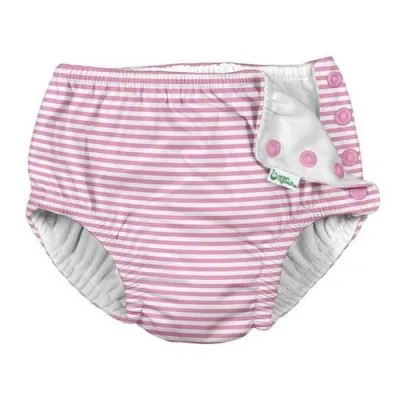
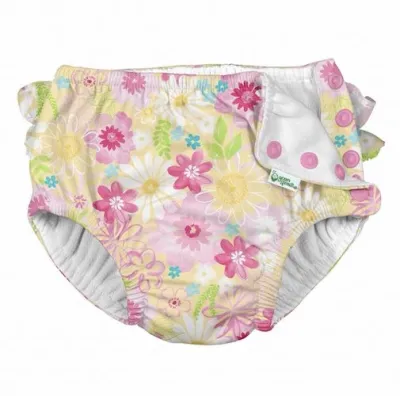
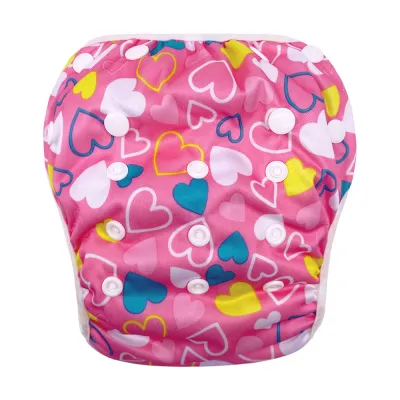
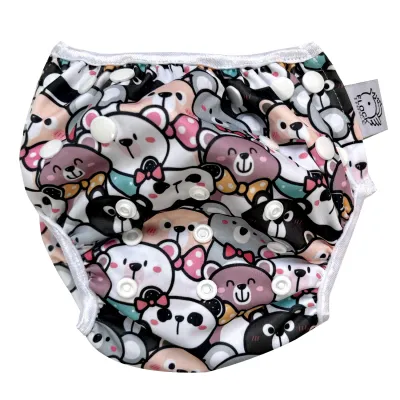
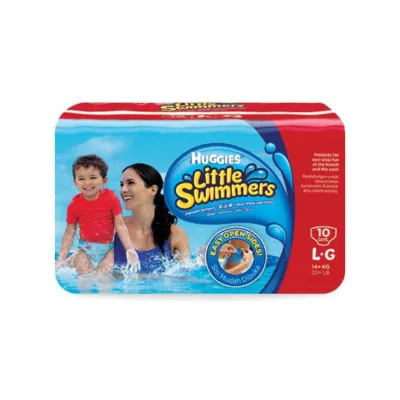
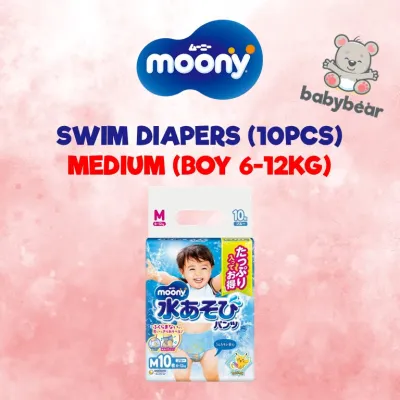
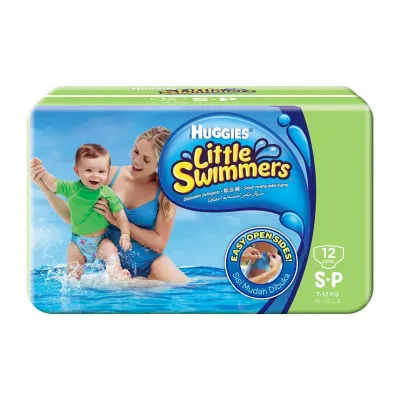
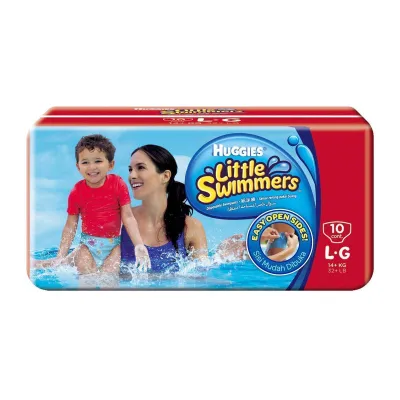
Prices are valid at publication and may change. Please refer to the product page for the latest price.
Unlike disposable swim diapers, which often contain stiff plastics, chemical absorbents, and fragrances that can irritate sensitive baby skin, reusable swim diapers are crafted from soft, breathable fabrics. The absence of chemical gels means less risk of diaper rash, particularly in Singapore’s hot and humid climate where sweat and moisture can trap heat against the skin. The gentle elastics of fabric diapers also reduce the likelihood of painful chafing around the thighs and waist during active water play, allowing your baby to move freely and comfortably.
Evaluating Materials and Eco-Friendly Features
The outer layer of a reusable swim diaper must be waterproof yet breathable to prevent water from seeping through while allowing air circulation. Look for polyurethane laminate (PUL) or thermoplastic polyurethane (TPU), which are highly durable materials that resist degradation from chlorine in public pools and salt in ocean water. Some eco-conscious brands utilize recycled polyester (often derived from post-consumer plastic bottles) for their outer shells, which further enhances the product’s environmental credentials. Ensure that the outer fabric feels soft to the touch and has a slight stretch to accommodate your baby’s movements.

The inner lining is the layer that sits directly against your baby’s skin. It should be soft, non-abrasive, and designed specifically not to absorb water. Standard diapers rely on absorbent cores to soak up liquids, but in a pool, an absorbent lining would quickly saturate with pool water, becoming heavy, sagging, and pulling the diaper down. Instead, a proper swim diaper lining—typically made of polyester mesh, nylon, or athletic wicking jersey—is designed to let water pass through freely while catching and containing solid waste. This ensures the diaper remains lightweight and secure throughout the swim session.
When shopping for brands that claim to be eco-friendly or organic, it is essential to verify these assertions directly. Look for recognized textile certifications such as the Standard 100 by OEKO-TEX, which guarantees that the fabric has been tested for harmful substances and is safe for baby’s delicate skin. You can verify these claims by checking the certification number on the official OEKO-TEX website or reviewing the detailed material specifications on the manufacturer’s official portal. Avoid relying solely on vague marketing terms like “green” or “natural” without verifiable third-party labels, and always check the product packaging for authentic certification logos.
Achieving a Secure Fit to Prevent Pool Leaks
The primary function of a swim diaper is to contain solid waste to prevent pool contamination, which is a strict requirement in almost all public and private swimming facilities in Singapore. To achieve this, the diaper must fit snugly around your baby’s waist and thighs. Before purchasing, use a soft measuring tape to measure your baby’s waist (just below the belly button) and the thickest part of their thighs. The elastic should sit flat against the skin without gaps, yet be loose enough that it does not leave deep red marks or restrict natural movement. A good rule of thumb is that you should be able to slide one finger comfortably under the elastic.
Reusable swim diapers generally come in two main styles: snap-down rises and drawstring or pull-on waistbands. Snap-down designs feature columns of plastic snaps along the front and sides, allowing you to adjust both the waist size and the rise (the height of the diaper) as your baby grows. This multi-size capability offers excellent longevity, often fitting a baby from infancy through toddlerhood. Drawstring or hook-and-loop waistbands offer a more continuous, customized fit but may require more precise sizing adjustments to ensure the fastening mechanism remains secure under water pressure and does not accidentally come undone during active play.
Because sizing standards vary significantly between different brands—some using age ranges, others using weight brackets or physical measurements—it is crucial to cross-reference your baby’s current measurements with the manufacturer’s specific sizing chart. Never assume that a “Medium” in one brand corresponds to a “Medium” in another. If your baby is between sizes, consider the fit around the thighs first, as a loose leg opening is the most common cause of solid waste leaks in the pool. Always prioritize a snug leg fit over a loose waist fit to ensure maximum containment.
Finding and Verifying Trusted Brands in Singapore
To ensure you are purchasing genuine, high-quality reusable swim diapers, start by visiting the official websites of reputable international or local baby brands. Many established brands list their authorized distributors or physical retail partners in Singapore. Purchasing through these official channels guarantees that you receive authentic products that meet international safety standards, rather than cheap counterfeits that may use substandard plastics or dyes. Official distributors also provide reliable customer support and clear product warranties.
Visiting physical mother-and-baby specialty stores in Singapore allows you to feel the fabric texture, inspect the quality of the snaps or elastics, and visually assess the sizing before buying. Specialty boutiques located in major shopping districts or suburban malls often carry curated selections of eco-friendly baby products. The staff in these stores can also provide valuable guidance on how to adjust the diaper for a secure fit, helping you avoid the hassle of returning an incorrectly sized item.
If you prefer the convenience of online shopping, exercise caution when browsing major ecommerce platforms. Look for sellers designated as “Official Stores” or “Authorized Mall Sellers” to minimize the risk of purchasing counterfeit goods. Carefully review customer feedback, paying close attention to reviews that mention the durability of the snaps, the elasticity after multiple washes, and whether the product arrived in original manufacturer packaging. Be wary of listings with unusually low prices, as these often indicate imitation products that may not perform reliably.
When preparing for upcoming swim lessons or a weekend beach trip, verify that the item is stocked locally in Singapore rather than shipped from overseas. Local shipping typically takes only a few business days, whereas international shipping can introduce unpredictable delays. Many local online baby stores provide real-time inventory status on their product pages, allowing you to confirm immediate availability before finalizing your order. This is especially important if you need the diaper urgently for a scheduled class.
Cleaning and Maintaining Your Swim Diapers
Proper maintenance begins the moment you step out of the water. If your baby has soiled the diaper, shake any solid waste directly into a toilet. Rinse the diaper thoroughly under cold running water to remove chlorine, salt, and sand, which can degrade the elastic fibers and waterproof laminate over time. Squeeze out excess water gently without wringing or twisting the fabric, and place it in a waterproof wet bag for the journey home. This immediate rinse helps prevent stains and odors from setting into the fabric.
Once home, wash the swim diaper according to the manufacturer’s instructions. Most reusable swim diapers can be machine washed on a gentle cycle with cold or warm water. Use a mild, residue-free detergent that does not contain bleach, enzymes, or optical brighteners. Crucially, never use fabric softeners or dryer sheets; these products leave a waxy coating on the fabric fibers that can ruin the waterproof properties of the outer shell and cause the inner lining to repel water incorrectly. If the diaper has stubborn stains, consider sun-bleaching it or using a baby-safe stain remover recommended by the manufacturer.
To preserve the elasticity of the leg and waist seals and protect the waterproof PUL layer, air drying is highly recommended. Hang the diaper to dry in a well-ventilated indoor area or in the shade outdoors. Avoid exposing the diaper to direct, intense tropical sunlight for extended periods, as extreme heat can melt or crack the laminate backing. If you must use a clothes dryer, select a low-heat or air-fluff setting, and always consult the product label first to ensure tumble drying is permitted. Proper drying ensures the diaper remains leak-proof and durable for years.
Frequently Asked Questions (FAQ)
Do Reusable Swim Diapers Hold Urine?
No, reusable swim diapers are not designed to absorb or hold urine. Their sole purpose is to contain solid waste (poop) while allowing liquids to pass through freely. If a swim diaper were designed to absorb urine, it would also absorb massive amounts of pool water the moment your baby enters the water. This would cause the diaper to become extremely heavy, sag, pull down, and create a serious safety hazard by weighing your baby down in the pool. For this reason, it is best to put the swim diaper on your baby just before entering the water, rather than during the car or stroller ride to the pool.
How Many Reusable Swim Diapers Do I Need?
For families who swim occasionally—such as once a week or during weekend staycations—a stash of two reusable swim diapers is usually sufficient. This allows you to have one clean diaper ready to use while the other is in the wash or drying. If your baby is enrolled in intensive swim classes or you swim multiple times a week, having three to four diapers in rotation is ideal. This ensures you always have a dry, clean option available, factoring in the time it takes for the fabric and elastics to air dry completely in Singapore’s humid climate.
Can I Use a Regular Cloth Diaper for Swimming?
No, you should never use a standard everyday cloth diaper for swimming. Regular cloth diapers are designed with highly absorbent inner layers (such as cotton, bamboo, or microfiber) meant to hold as much liquid as possible. In a swimming pool, these absorbent layers will instantly fill with pool water, making the diaper incredibly heavy and bulky. This not only restricts your baby’s movement and causes discomfort but also poses a significant safety risk in the water. Always use a dedicated swim diaper designed specifically for aquatic environments.
Community discussion
Share your experience or ask a question. Comments are reviewed before publication.