
Finding the ideal ergonomic baby carry bag for long outings in Singapore is not about finding a single, universally perfect brand. Instead, the most supportive option depends on how well a specific carrier’s structural design aligns with your physical build and your baby’s current developmental stage. During extended walks through humid outdoor parks or long strolls in air-conditioned shopping malls, the right carrier must distribute your baby’s weight evenly across your hips and shoulders while keeping your baby in a developmentally safe position.
To ensure your baby’s physical safety and comfort, you must verify that the carrier supports a natural “M-shape” seating position. In this position, the baby’s hips are spread naturally, with their thighs supported from knee crease to knee crease, and their knees positioned slightly higher than their hips. This alignment reduces the risk of hip dysplasia by keeping the thigh bone securely in the hip socket. You should physically check that the seat fabric does not force the baby’s legs to dangle straight down, which can strain developing joints.
Alongside hip alignment, the carrier must accommodate the natural “J-shape” or “C-curve” of a baby’s spine. A supportive carrier gently hugs the baby’s back without forcing their spine into an unnaturally straight position. When testing different designs, look for a flexible yet supportive back panel that conforms to the baby’s natural curve while preventing them from slumping, which could compromise their airway.
Products mentioned in this guide
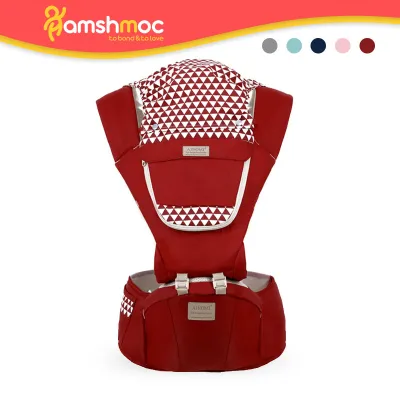
![[✅SG Ready Stock] Baby Carrier Infant Comfortable Breathable Multifunctional Sling Backpack Hip Seat Carrier Baby Carrier Sling 婴儿背带](https://img.lazcdn.com/g/p/d720ec7829ce8f1ccf59f71cb1a8ec5a.png_400x400q80.png_.webp)
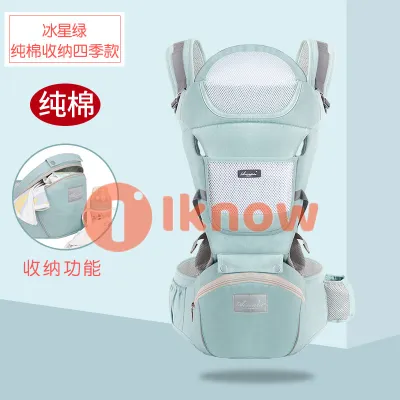
Prices are valid at publication and may change. Please refer to the product page for the latest price.
For the carrying parent, long-duration comfort relies heavily on how the carrier distributes weight. Look for a wide, structured waistband that transfers the bulk of the baby’s weight to your hips rather than your shoulders. Padded lumbar support attachments can help maintain your natural spinal alignment and reduce lower back strain during long walks.
Shoulder strap design is another critical factor for parental comfort. Crossable shoulder straps, which form an “X” shape across your back, can distribute weight more evenly for some body types compared to traditional “H-style” parallel straps. Generously padded straps prevent the material from digging into your neck and shoulders as your baby grows heavier.
Comparing Carrier Styles for Long-Duration Comfort
Soft-structured carriers (SSCs) are highly popular for long outings due to their robust support systems and ease of use. These carriers feature padded waistbands, structured shoulder straps, and heavy-duty buckle systems that allow for quick adjustments. They are particularly well-suited for carrying older infants and toddlers, as the rigid structure helps manage heavier weights over several hours. However, the added structure often makes them bulkier to pack when not in use.
Stretchy wraps and ring slings offer a softer, more close-fitting alternative that many parents prefer for the newborn stage. Stretchy wraps use a long piece of fabric wrapped around the parent’s torso, creating a snug environment that mimics the womb. While highly comfortable for quiet indoor use or short walks with a lightweight infant, stretchy fabrics tend to sag under the weight of heavier babies. This sagging can lead to shoulder strain and requires frequent readjustment during long outdoor excursions.
Ring slings, which use a piece of woven fabric secured through two metal rings, allow for quick adjustments and easy breastfeeding on the go. They distribute weight across one shoulder and diagonally across the back, making them highly convenient for short trips. For long outings, however, the asymmetrical weight distribution of a ring sling can cause muscle fatigue on one side of the parent’s body, making them less ideal for hours of continuous wear.
To help you evaluate these options, the following matrix compares the primary carrier styles based on key structural characteristics and usability factors:
| Carrier Style | Weight Distribution Method | Learning Curve | Heat Retention Potential | Best Suited For |
|---|---|---|---|---|
| Soft-Structured Carrier (SSC) | Symmetrical across hips and both shoulders | Low; relies on buckles and pre-set straps | Moderate to high depending on fabric panels | Older infants, toddlers, and long walking trips |
| Stretchy Wrap | Symmetrical across shoulders and upper torso | High; requires learning specific tying techniques | High due to multiple layers of wrapped fabric | Newborns and short, low-activity outings |
| Ring Sling | Asymmetrical across one shoulder and torso | Moderate; requires adjusting fabric through rings | Low to moderate depending on fabric thickness | Quick transitions and short-duration carrying |
Verifying Brand Claims and Adjustability Features
When shopping for a baby carry bag, it is essential to look past marketing buzzwords and verify specific safety and structural claims. Start by examining the product labels or official manufacturer documentation for weight limits and age recommendations. Many structured carriers specify a minimum weight, often requiring a separate infant insert for newborns to prevent them from slipping or slumping. Always verify whether a carrier requires these additional accessories before using it with a small baby.

You should also look for recognized ergonomic recognitions, such as a designation from the International Hip Dysplasia Institute (IHDI). While this label indicates that the carrier’s design supports healthy hip development when used correctly, you must still read the instruction manual to ensure you are adjusting the seat width properly. Many modern carriers feature adjustable seat panels that narrow for younger babies and widen as the child grows, ensuring continuous knee-to-knee support.
Physical adjustability is key to maintaining comfort during long outings, especially if multiple caregivers share the same carrier. Test how easily the straps slide through the buckles and whether the adjustments stay secure under tension. A high-quality waistband should remain rigid and not roll or fold under the baby’s weight, as a collapsing waistband will transfer the load directly to your lower back.
Consider how the carrier fits different body shapes if you and your partner plan to share it. Some carriers are designed with highly adjustable straps that accommodate petite frames, while others offer generous strap lengths or waistband extenders for plus-sized parents. Trying on different models in a local retail store with a weighted demo doll can help you assess whether the adjustment points align comfortably with your body’s pressure points.
Managing Heat and Practicality for Long Outings in Singapore
Singapore’s tropical climate, characterized by high humidity and warm temperatures, presents unique challenges for babywearing. When choosing a baby carry bag for outdoor use, fabric selection is paramount to prevent both you and your baby from overheating. Look for carriers constructed with advanced mesh panels, lightweight cotton, or specialized moisture-wicking fabrics. Mesh designs allow air to circulate freely through the back panel, significantly reducing sweat buildup during walks in outdoor spaces like the Singapore Botanic Gardens.
Sun protection is another critical consideration for extended daytime outings. Many ergonomic carriers feature an integrated sleeping hood tucked into a small pocket on the front panel. Verify if this hood offers ultraviolet protection factor (UPF) ratings to shield your baby’s sensitive skin from direct sunlight. These hoods also provide valuable head support when your baby falls asleep and offer privacy during outdoor naps.
Practicality during transit is just as important as comfort while wearing the carrier. Consider how easily the carrier folds down when you need to transition to public transport, hop into a taxi, or sit in a crowded cafe. Some highly structured models can be bulky and difficult to store, while more flexible designs can be rolled up tightly and tucked into a standard diaper bag.
Additionally, look for integrated storage options that enhance convenience during long outings. Built-in zippered pockets on the waistband or front panel are highly useful for storing small essentials like your phone, keys, or transit cards. Having these items within easy reach eliminates the need to carry an extra shoulder bag, which can interfere with the carrier’s straps and cause uneven pressure on your shoulders.
Building Your Shortlist: A Decision Framework
To finalize your choice, you can use a conditional decision framework based on your typical outing profile and family needs. If your primary goal is to undertake long walking trips with an older infant or toddler, prioritize a highly structured soft-structured carrier. Look for a model with a thick, rigid waistband and reinforced lumbar support to ensure that the heavier weight is distributed efficiently away from your shoulders.
If the baby carry bag will be shared frequently between parents of vastly different heights or builds, focus on carriers with highly adjustable, crossable shoulder straps. These designs allow for quick customization without requiring complex re-threading of the buckles. Ensure that the waistband can be tightened or loosened easily to accommodate different waist sizes while maintaining its structural integrity.
For families whose outings consist of quick trips, frequent transitions in and out of air-conditioned shopping malls, or carrying a younger infant, a lightweight, hybrid wrap-style carrier or a highly breathable mesh SSC is often more practical. These options provide the necessary closeness and flexibility without adding excessive bulk or heat.
Before making any purchase, always verify that the specific model matches your baby’s current weight and developmental milestones. Check the manufacturer’s instructions regarding when it is safe to transition from parent-facing to forward-facing or back-carrying positions. Remember that safety and comfort rely on following these guidelines precisely, and you should stop using any carrier if you notice signs of discomfort, strain, or improper positioning.
Frequently Asked Questions (FAQ)
At what age or weight should I switch from a wrap to a structured baby carry bag?
The transition from a stretchy wrap to a structured baby carry bag depends on your baby’s physical development and your personal comfort. Generally, parents find that stretchy wraps begin to sag and cause shoulder strain when the baby reaches approximately 7 to 9 kilograms. While many wraps are rated for higher weight limits, the natural elasticity of the fabric makes it less supportive for heavier infants during long outings. You should consider switching to a structured carrier when you notice the fabric stretching excessively, requiring frequent tightening, or when your baby needs more structured back and hip support. Always consult the manufacturer’s guidelines for both your current wrap and the new structured carrier to ensure a safe transition.
How do I clean and maintain a baby carrier after a long, sweaty outing?
To preserve the structural integrity and hygiene of your baby carrier, always refer to the care label attached to the product before washing. For minor sweat stains or dirt after an outing in Singapore’s humid weather, spot-cleaning with a damp cloth and mild, baby-safe detergent is recommended. If a full wash is necessary, most structured carriers should be washed on a gentle cycle in cold water inside a mesh laundry bag to protect the buckles and straps. Avoid using bleach, fabric softeners, or harsh detergents, as these can degrade the fabric fibers and irritate your baby’s skin. Always air dry the carrier completely in a shaded, well-ventilated area; never place it in a tumble dryer, as high heat can damage the foam padding, elastic bands, and plastic buckles. Inspect all stitching, buckles, and webbing for signs of wear before using the carrier again.

Community discussion
Share your experience or ask a question. Comments are reviewed before publication.