
Finding the right electric breast pump can transform your breastfeeding journey from a stressful chore into a manageable, empowering routine. Because every mother’s body, lifestyle, and milk supply are unique, there is no single “best” pump on the market. The ideal choice depends on how often you plan to pump, where you will use the device, and how your body responds to suction.
To make an informed decision, you must evaluate technical specifications alongside your daily schedule. Balancing convenience, comfort, and efficiency ensures you select a pump that supports your lactation goals without causing physical discomfort or unnecessary stress.
Assess Your Pumping Frequency and Lifestyle Needs
Before browsing specific models, define your primary pumping goals and environmental constraints. If you plan to return to work after your maternity leave in Singapore, your needs will differ significantly from a mother who pumps occasionally for social outings. Identifying your frequency early helps narrow down the motor power and portability requirements.
Products mentioned in this guide
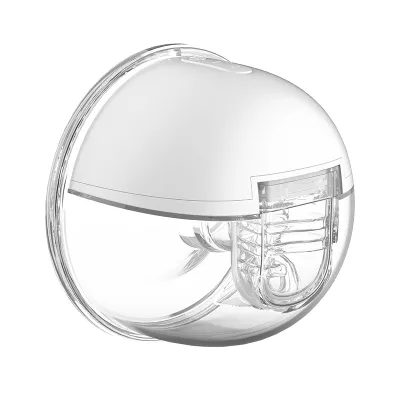
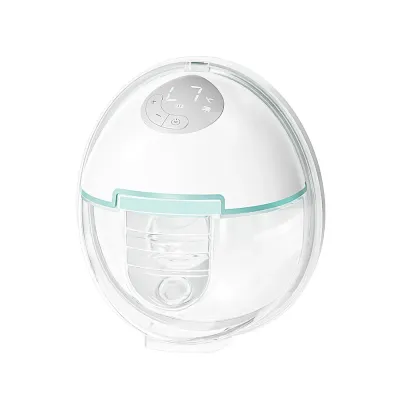
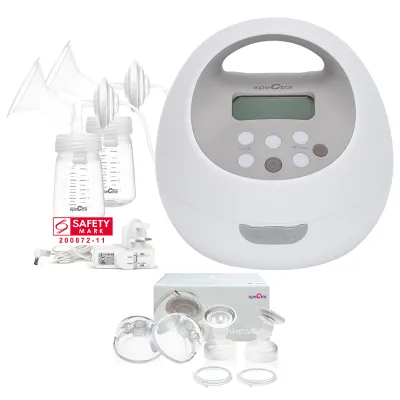


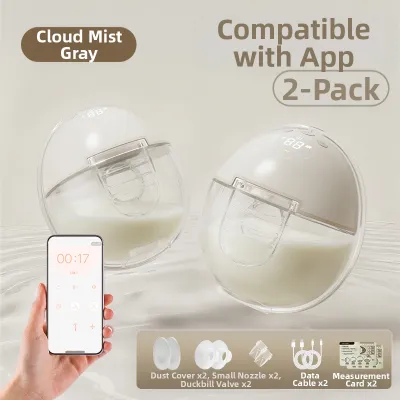
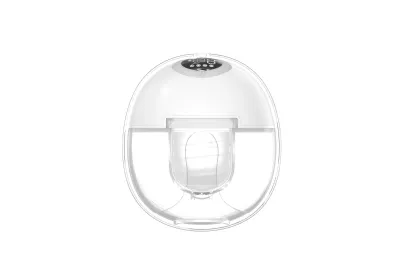
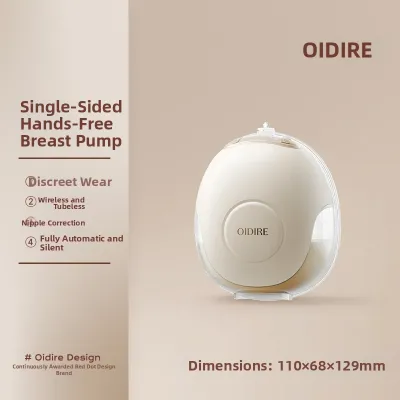
Prices are valid at publication and may change. Please refer to the product page for the latest price.
Define Your Pumping Frequency
- Exclusive Pumping: If your baby does not latch or you choose to feed expressed breast milk exclusively, you will pump eight to ten times a day. This requires a heavy-duty, highly durable motor designed for frequent use.
- Regular Pumping: Mothers returning to full-time office work typically pump two to three times during the workday. This schedule demands a balance of portability, rapid expression, and quiet operation.
- Occasional Pumping: If you primarily direct-feed and only pump to relieve engorgement or build a small freezer stash, a lightweight, budget-friendly personal pump is usually sufficient.
Consider your daily environments and mobility needs. If you commute via public transport or work in a shared office space, a bulky, plug-in pump can be highly inconvenient. You will need to evaluate whether your workplace offers dedicated, private lactation rooms with power outlets, or if you must rely on a battery-operated, discreet wearable pump that fits directly inside your bra.
Noise sensitivity is another critical factor. Pumping in a quiet open-plan office or next to a sleeping baby at 3:00 AM requires a motor with a low decibel output. Additionally, access to clean sink facilities during the day will dictate how many spare parts you need to carry or how easily you can clean your equipment on the go.
If you have pre-existing medical conditions, have experienced breast surgery, or anticipate challenges with milk supply, consult a lactation consultant or healthcare provider before selecting a pump. Professional guidance ensures you do not inadvertently select a model that compromises your breast health or supply establishment.
Compare the Main Types of Electric Breast Pumps
Electric breast pumps fall into three primary categories, each designed for specific usage patterns. Understanding these categories allows you to match the pump’s mechanical design to your physical and lifestyle requirements.

Single vs. Double Electric Pumps
Double electric breast pumps allow you to express milk from both breasts simultaneously. This design is highly efficient, cutting your pumping time in half compared to single pumps. Research in lactation science indicates that double pumping stimulates higher levels of prolactin, the hormone responsible for milk production, which can help increase and maintain your milk supply over time.
Single electric pumps express milk from one breast at a time. While they are more compact and generally less expensive, they require double the time to complete a full session. They are best suited for mothers who pump occasionally or prefer to pump one side while their baby nurses on the other.
Personal vs. Hospital-Grade Pumps
Hospital-grade breast pumps are heavy-duty, multi-user devices featuring powerful, highly durable motors. They utilize a closed system that prevents cross-contamination, making them safe for multiple mothers to use with their own personal accessory kits. Healthcare providers frequently recommend hospital-grade pumps to establish milk supply when a baby is premature, in the Neonatal Intensive Care Unit (NICU), or when a mother faces severe supply challenges. These units are typically rented rather than purchased outright due to their high cost.
Personal-use electric pumps are designed for a single user and are not safe for sharing. While their motors are smaller and less powerful than hospital-grade units, modern personal pumps offer excellent suction and are highly optimized for daily, long-term use by a single mother.
Wearable and Portable Pumps
Wearable breast pumps are self-contained, tubeless devices that slip directly into your standard nursing bra. They offer unmatched freedom of movement, allowing you to pump while working at your desk, doing light chores, or commuting. However, they often have smaller milk collection capacities (typically 120ml to 150ml per cup) and may offer less customizable suction settings than traditional pumps.
Portable pumps feature a small, rechargeable motor unit that you can clip to your waistband or carry in a pocket, connected by silicone tubing to flanges and bottles. They offer a middle ground, providing the robust suction of a traditional personal pump with more mobility than a plug-in desktop model.
Evaluate Suction, Modes, and Power Specifications
The technical performance of a breast pump directly influences your physical comfort and how quickly you can empty your breasts. High suction does not automatically equate to more milk; in fact, excessive suction can cause tissue damage, pain, and actually inhibit your let-down reflex.
Suction Strength and Adjustability
Look for a pump that offers independent control over vacuum strength (measured in mmHg) and cycle speed (cycles per minute). Your body’s response to pumping changes throughout the day and across your postpartum journey. A pump with highly adjustable settings allows you to find the exact combination of speed and strength that mimics your baby’s natural nursing pattern without causing pain.
Let-Down and Expression Modes
Most modern electric pumps feature multi-phase technology that replicates how an infant feeds. When a baby first latches, they take fast, shallow sucks to trigger the mother’s milk ejection reflex (let-down). Once milk begins to flow, the baby transitions to slower, deeper swallows.
- Let-Down Mode: High speed, low suction to stimulate milk flow.
- Expression Mode: Slower speed, higher suction to draw out milk efficiently.
Ensure the pump you choose allows you to switch between these modes easily, either manually or through automatic programming.
Power Options and Battery Life
If you pump on the go, battery specifications are crucial. Look for pumps with built-in lithium-ion rechargeable batteries that charge via USB-C. This standard allows you to charge your pump using laptop ports, car chargers, or portable power banks. Verify the battery longevity; a reliable pump should offer at least 90 to 120 minutes of continuous use on a single charge, which translates to roughly three to four pumping sessions.
Noise Level
If you plan to pump in shared offices, during virtual meetings, or in the middle of the night near your sleeping partner, check the manufacturer’s decibel (dB) rating or read verified user reviews regarding noise. Quiet pumps typically operate below 45 to 50 dB, which is comparable to a soft whisper or a quiet library environment.
Prioritize Hygiene: Closed vs. Open Systems
How a breast pump is engineered internally dictates how safe it is for your baby and how much effort you must dedicate to cleaning and maintenance. Hygiene should never be compromised when handling breast milk.
Closed-System vs. Open-System Pumps
A closed-system breast pump features a physical barrier—usually a silicone diaphragm or backflow protector—between the milk collection kit and the pump motor. This barrier prevents milk, moisture, and humidity from backing up into the silicone tubing and entering the motor. Closed systems are highly recommended because they prevent mold, bacteria, and viruses from growing inside the motor unit, where they cannot be cleaned.
An open-system pump lacks this physical barrier. Over time, humid air and tiny droplets of milk can enter the tubing and motor, creating an environment ripe for mold growth. For safety and hygiene, select a closed-system pump.
Ease of Cleaning
Every part that comes into direct contact with your breast milk must be washed and sanitized regularly. Before purchasing, count the number of individual parts in the collection kit, such as connectors, valves, membranes, and bottles. Kits with fewer parts save significant time during daily cleanup.
Always check the manufacturer’s care instructions to verify if the components are dishwasher-safe or compatible with steam sterilization and UV sterilizers. Some silicone parts can degrade rapidly if exposed to extreme heat or specific chemical sterilizers.
Tubing Maintenance
In a closed-system pump, the silicone tubing should only carry air, never milk. However, condensation can still build up inside the tubes due to humidity. If you notice moisture inside the tubing, run the pump with only the tubes attached for a few minutes to blow out the condensation. Never wash or submerge the tubing in water unless explicitly instructed by the manufacturer. If you spot mold inside the tubing, discard it immediately and replace it.
Verify Flange Fit, Spare Parts, and Local Support
A breast pump’s motor is only as effective as the physical interface between the machine and your body. The flange (the funnel-shaped plastic or silicone cup that fits over your breast) must fit correctly to ensure efficient milk expression and prevent injury.
Flange Sizing
Most breast pumps package a standard 24mm flange in the box, but nipple sizes vary widely. Using a flange that is too small or too large can pinch the nipple tissue, block milk ducts, and cause severe pain.
Measure the diameter of your nipple base (excluding the areola) in millimeters before pumping, and select a flange size that is 2mm to 3mm larger than your measurement. Check if the brand you are considering sells alternative flange sizes, silicone sizing inserts, or is compatible with third-party comfort shields.
Availability of Spare Parts
Silicone components like duckbill valves, diaphragms, and membranes are wear-and-tear items. As they stretch and age, they lose their seal, which causes a gradual drop in pump suction. You will need to replace these parts every one to three months depending on how frequently you pump.
Before buying a pump, verify that replacement parts, spare bottles, and tubing are readily available from local distributors or official retail stores in Singapore. Relying on overseas shipping for a critical replacement valve can disrupt your pumping schedule and compromise your milk supply.
Warranty and After-Sales Support
An electric breast pump is a mechanical device that can experience electronic or motor failures. Ensure the pump you purchase comes with a local warranty, typically covering the motor unit for one to two years. Parallel-imported pumps purchased from online marketplaces often lack local warranty coverage, meaning you may have to ship the unit back to another country for repairs, leaving you without a pump for weeks.
Before finalizing your purchase, check the retailer’s return and exchange policies. Because breast pumps are personal hygiene items, they cannot be returned once the box seal is broken, even if you realize the included flange size is incorrect. Knowing the policy beforehand helps you plan to purchase the correct accessories alongside the main unit.
Common Purchasing Mistakes to Avoid
To ensure your investment supports your breastfeeding journey effectively, avoid these frequent purchasing pitfalls:
- Buying Solely on Popularity: Do not purchase a pump simply because it is highly recommended by influencers or friends. A pump that works perfectly for someone else may not fit your breast anatomy or match your specific workplace environment.
- Ignoring Ongoing Costs: Factor the long-term cost of replacement silicone valves, tubing, and specialized storage bags into your budget. A cheaper pump with expensive, hard-to-find replacement parts may cost more over a year than a premium model with affordable, accessible spares.
- Assuming One Flange Size Fits Forever: Your breast and nipple size will change postpartum as your milk supply stabilizes. A flange size that fits perfectly in the first week may become uncomfortable or inefficient by week twelve. Be prepared to remeasure and adjust your flange size over time.
If you experience persistent pain, nipple blanching (the nipple turning white), bleeding, or deep tissue bruising while pumping, stop using the pump immediately. These symptoms indicate an improper flange fit or excessively high suction settings. Seek professional assistance from a certified lactation consultant or healthcare provider to adjust your setup safely.
Frequently Asked Questions (FAQ)
How do I know if my breast pump flange is the correct size?
A correctly fitting flange allows your nipple to move freely back and forth in the tunnel during pumping without rubbing against the sides. Only a minimal amount of your areola (the dark circle around the nipple) should be pulled into the tunnel.
If your flange is too small, your nipple will rub against the tunnel walls, causing friction, pain, or a white ring at the tip. If the flange is too large, excessive areola tissue will be drawn into the tunnel, which can pinch your milk ducts and restrict milk flow. Monitor your breasts during and after pumping; any persistent swelling, redness, or pain indicates you need to remeasure and adjust your size.
Can I use a standard personal electric pump if my baby is in the NICU?
If your baby is in the Neonatal Intensive Care Unit (NICU), establishing a robust milk supply requires frequent, highly efficient expression, often starting within hours of birth. Because premature or sick infants cannot nurse directly, you will rely entirely on a pump to initiate and maintain your lactation.
While high-quality personal electric pumps are excellent for daily maintenance, healthcare providers and hospital staff typically recommend using a rental hospital-grade electric breast pump during the initial weeks. Hospital-grade pumps feature specialized initiation programs designed to mimic a newborn’s unique sucking patterns, which are highly effective at stimulating milk production. Consult your hospital’s lactation team or your pediatrician to determine the best equipment strategy for your baby’s specific clinical needs.

Community discussion
Share your experience or ask a question. Comments are reviewed before publication.